

Why Does Cocoa Beach Glow at Night? Cocoa Beach glows at night because of bioluminescent organisms living in the nearby lagoon waters. When these tiny creatures are disturbed by movement, they release a natural blue-green light.
This isn’t a trick of the light or reflected moonlight. It’s a real biological reaction happening right in the Indian River Lagoon and Banana River, just minutes from the beach itself.
Why Does Cocoa Beach Glow at Night
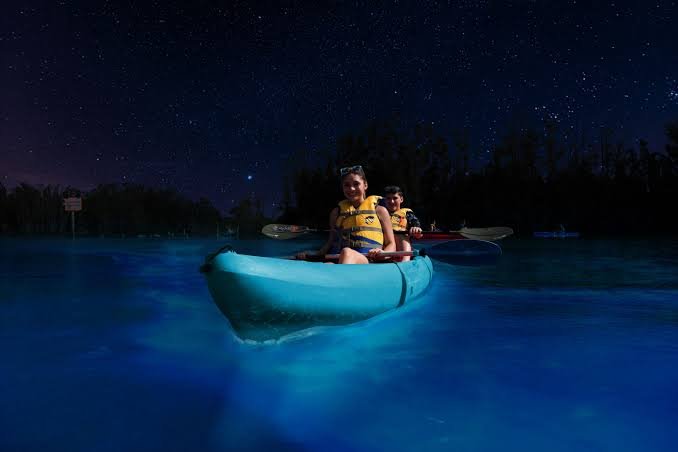

The glow comes from microscopic organisms called dinoflagellates, along with comb jellies in cooler months. When water is disturbed by a paddle, fish, or hand, these organisms flash a bright blue-green light as a natural defense response.
What Causes the Glow at Cocoa Beach
The science behind this phenomenon is simpler than most people expect. It comes down to tiny living organisms and a specific chemical reaction inside their cells.
Dinoflagellates: The Main Source of Light
Dinoflagellates are single-celled plankton that live in warm coastal waters. During summer, the Indian River Lagoon and Banana River fill with dense concentrations of these organisms.
When disturbed, they emit a burst of blue light that lasts only a second or two. A single paddle stroke can trigger thousands of them at once, creating a glowing trail behind your boat or kayak.
The Chemical Reaction Behind the Light
The glow happens when a compound called luciferin reacts with oxygen inside the organism. This reaction is triggered by physical pressure on the organism’s cell wall.
Scientists call this entire process bioluminescence. It’s the same basic chemistry that makes fireflies glow, just happening underwater instead of in the air.
Comb Jellies and the Winter Glow
During cooler months, comb jellies become the dominant glowing organism in the lagoon. They’re harmless, gelatinous creatures that produce a similar blue-green light when moved through the water.
This means Cocoa Beach’s bioluminescence isn’t limited to summer. The organism responsible simply changes with the season.
Why Do These Organisms Glow at All
Bioluminescence isn’t just a pretty side effect. For the organisms themselves, it serves a real survival purpose.
- Predator deterrence: A sudden flash of light can startle or confuse a predator long enough for the organism to escape.
- Confusing the food chain: The flash can also attract larger predators toward whatever is disturbing the water, redirecting the threat.
- Communication: Some researchers believe certain bioluminescent species use light patterns to signal to others of their kind.
Best Time and Conditions to See It
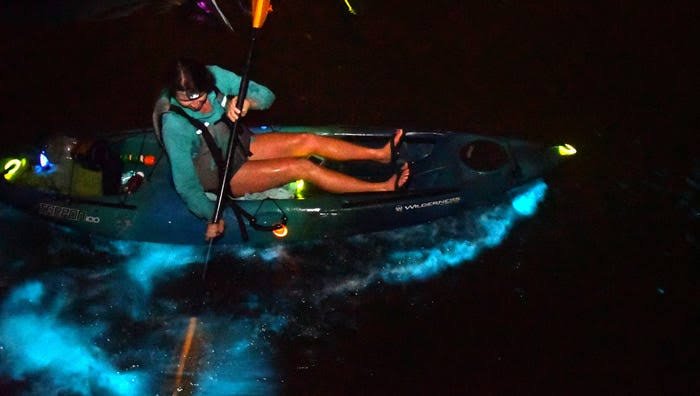

Not every night offers the same brightness. A few environmental factors make a big difference in how visible the glow actually is.
| Factor | Best Condition | Why It Matters |
|---|---|---|
| Season | June through October | Warm water supports dense dinoflagellate populations |
| Moon phase | New moon or minimal moonlight | Less ambient light makes the glow more visible |
| Water clarity | Calm, still water | Reduces glare and helps light stand out |
| Weather | Clear, non-rainy nights | Rain and wind disturb water and reduce contrast |
| Temperature | Warm nights | Warmer water increases organism activity |
Where to See the Glow Near Cocoa Beach
The bioluminescence itself doesn’t appear directly on the sandy shoreline. It happens in the calmer, brackish lagoon waters nearby.
Indian River Lagoon
This is one of the most reliable bioluminescence spots in the continental United States. It’s known for consistent summer displays and frequent guided tours.
Banana River Aquatic Reserve
A protected, calm waterway that’s popular for kayak and paddleboard tours. Its still water makes the glowing trails especially easy to see.
Merritt Island Wildlife Refuge
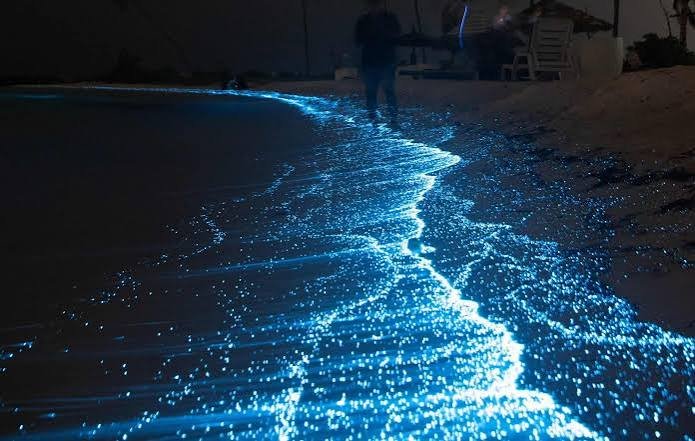

A quieter option with fewer boats and less light pollution. Many guides consider it one of the best spots for an undisturbed view of the glow.
How to Experience It Yourself
Book a Guided Kayak or Boat Tour
Local outfitters run nighttime tours specifically timed around new moon phases. Guides know exactly where the glow is strongest on any given night.
Try a Clear Kayak Tour
Clear-bottom kayaks let you see the glowing organisms directly beneath you, not just around your paddle. This adds an extra layer to the experience.
Go During Peak Season
Plan your trip between June and October for the most reliable and vivid displays. Comb jelly season in fall and winter offers a different but still striking version of the glow.
Avoid Bright Moon Nights
Check the lunar calendar before booking. A full moon can wash out even a strong bioluminescent display.
Common Mistakes to Avoid
- Visiting during a full moon and expecting a bright glow
- Bringing bright flashlights, which reduce your eyes’ sensitivity to the dim light
- Wearing insect repellent with strong chemicals right before entering the water, which can affect nearby wildlife
- Expecting the glow to appear directly on the open beach instead of the lagoon
Is Cocoa Beach Bioluminescence Safe to Touch?
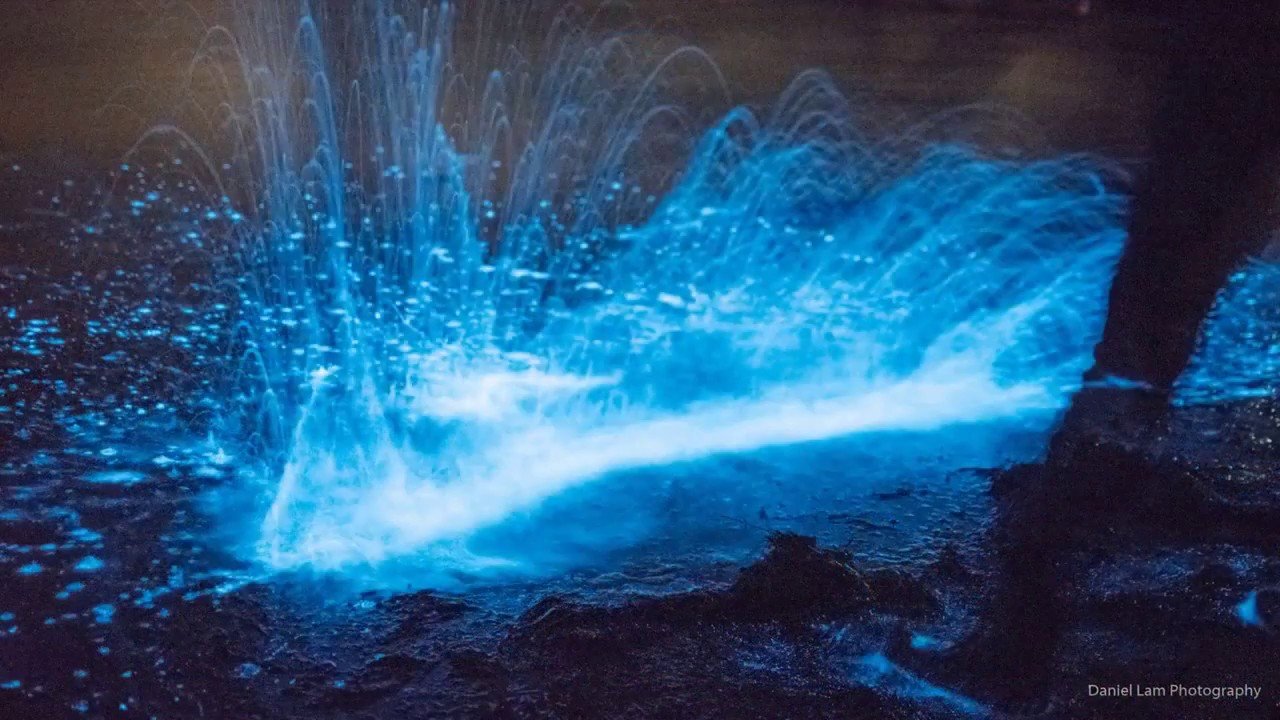

Yes, the organisms themselves are not harmful to touch. Dinoflagellates and comb jellies in this region don’t sting or bite.
Standard water safety rules still apply, since the lagoon is shared with fish, manatees, and other wildlife.
Also Read:
- InstrumentalFx Home
- Creative Outdoor Activities
- Why Is My Tongue Itchy?
- Why Are MRIs So Expensive?
- Why Does My Gum Hurt When I Touch It?
- How Peptides Are Changing the Science of Bodybuilding Research
- How the Best Personal Training Studios in Singapore Use Data
- How Cashless Health Insurance Is Transforming Patient Experience
- How Care Patterns Help During Steps to Report Suspected Nursing Home Abuse
- Portable Space Heaters vs Fan Heaters: Pros and Cons
- Corrosion-Resistant Flexible Couplings: The Quiet Upgrade
- How Stack-Up Symmetry Affects Warpage in 12-Layer PCBs
- From Hair Care Idea to Business: How Bo International Supports Startup Brands
- How Insurance Responses Can Affect a Houston, TX Auto Accident Claim
- The Investigation Steps a Premises Liability Lawyer May Take
- Does Being a Loan Guarantor Affect Your CIBIL Score
- Do You Need Legal Help After a Truck Accident?
- What to Know Before Using a Currency Exchange Service in Hyderabad
- Creating Mood-Based Images for Social Posts
- The Room Behind You: What Home Backgrounds Do to Dating Profile Photos
- 430+ Trendy Roblox Username Ideas for Boys & Girls
- 1000+ Trendy Instagram Usernames Ideas for Girls
- Letflix Review: Features, How It Works and Safe to Use?
Frequently Asked Questions (FAQs)
Why does Cocoa Beach glow blue at night?
The blue glow comes from dinoflagellates, tiny plankton that release light through a chemical reaction when the water around them is disturbed.
Is the Cocoa Beach glow the same thing as red tide?
No. Red tide is a harmful algal bloom, while bioluminescence here is a natural light reaction from a different, non-toxic type of dinoflagellate.
What time of year is bioluminescence best at Cocoa Beach?
June through October offers the brightest and most consistent displays, since warmer water supports larger dinoflagellate populations.
Can you see bioluminescence directly from the sand at Cocoa Beach?
Rarely. The best displays happen in the calmer lagoon waters nearby, such as the Indian River Lagoon and Banana River, not on the open beach.
Do you need a tour to see the glow?
A guided tour isn’t required, but it helps. Guides know the best timing, locations, and moon phases for a strong display.
Is it safe to swim in bioluminescent water?
Yes. The organisms responsible for the glow at Cocoa Beach don’t sting or bite, though standard water safety precautions still apply.
Why is the glow brighter on some nights than others?
Moon phase, water temperature, and organism density all affect brightness. New moon nights with warm, calm water typically show the strongest glow.
What organism causes the winter glow at Cocoa Beach?
Comb jellies become the primary glowing organism during cooler months, replacing the dinoflagellates that dominate in summer.
Does a full moon ruin the bioluminescence view?
It can significantly reduce visibility. Bright moonlight competes with the dim glow, making it harder to see clearly.
What chemical makes the water glow?
The glow comes from a reaction between a compound called luciferin and oxygen, triggered by physical disturbance in the water.
Are dinoflagellates dangerous?
The bioluminescent dinoflagellates found near Cocoa Beach are not dangerous to humans and do not cause skin irritation.
Can you see bioluminescence year-round at Cocoa Beach?
Yes, though the organism responsible changes by season. Dinoflagellates dominate in summer, while comb jellies take over in colder months.
Why does movement make the water glow more?
Physical pressure on the organism’s cell wall triggers the chemical reaction that produces light, so more disturbance means a brighter, longer-lasting glow.
What’s the best way to photograph the glow?
Use a camera capable of long exposure in low light, avoid bright flashlights, and let your eyes adjust to the dark before shooting.
Is kayaking or boating the better way to see it?
Both work well. Kayaking lets you get closer to the water and create your own glowing trail, while boats can cover more area during a tour.
Does rain affect the bioluminescence display?
Yes. Rain and rough water reduce visibility and can dilute the concentration of glowing organisms near the surface.
How long does each flash of light last?
Individual flashes typically last only one to two seconds before fading, though continuous movement can produce a steady glowing trail.
Do fish trigger the glow too?
Yes. Fish swimming through bioluminescent water create visible glowing streaks, often described as underwater shooting stars.
Is Cocoa Beach one of the best places in the world for this?
Yes. The Indian River Lagoon is considered one of the most reliable and accessible bioluminescence locations in the continental United States.
Can children safely experience a bioluminescence tour?
Most tours are family-friendly, though checking age and safety requirements with the specific outfitter is recommended before booking.
Conclusion
Cocoa Beach glows at night because of bioluminescent dinoflagellates and comb jellies living in the nearby lagoon waters, not because of any artificial light source. The glow appears when these organisms are physically disturbed, triggering a chemical reaction between luciferin and oxygen.
For the best experience, plan a visit during a new moon between June and October, and consider a guided kayak or clear-boat tour through the Indian River Lagoon or Banana River. Timing and calm water make all the difference between a faint glow and an unforgettable one.