



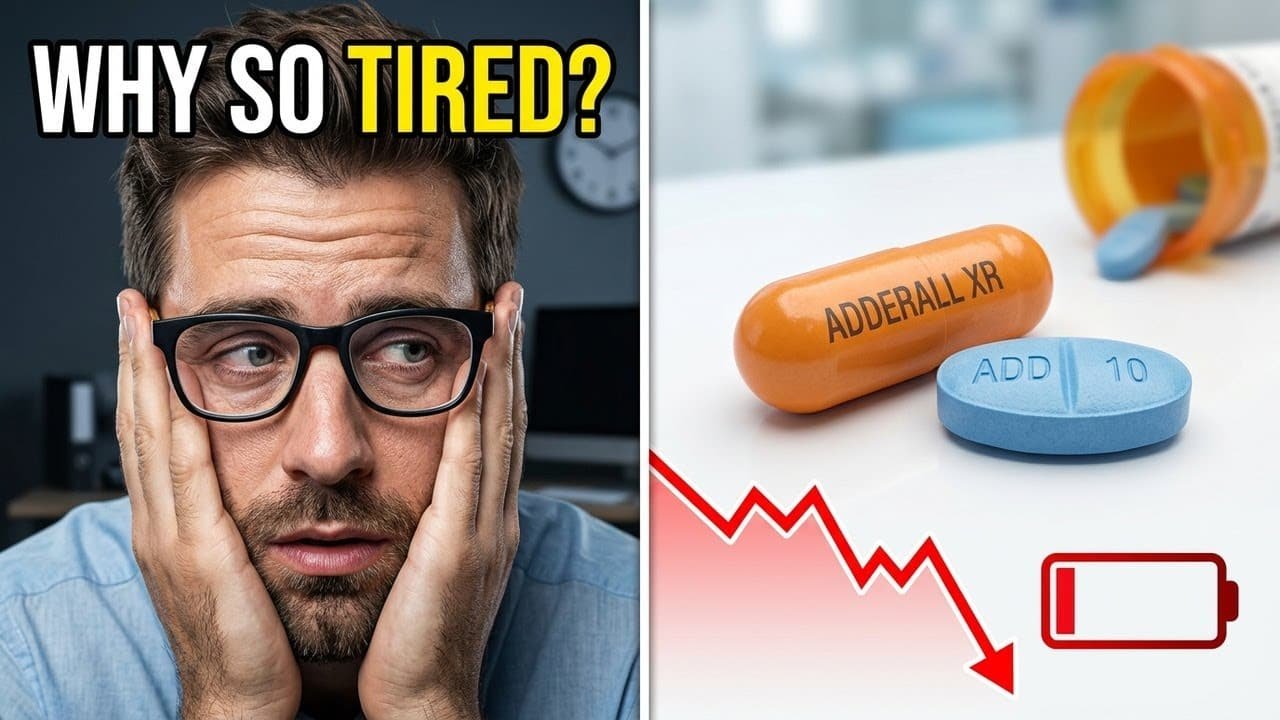
Why does Adderall make me tired is one of the most searched questions by people who expect this stimulant to boost their energy. Adderall is prescribed to increase focus and alertness, especially in ADHD patients.
Yet a surprising number of users report feeling drowsy, drained, or completely fatigued after taking it. This is not your imagination. There are real, science-backed reasons behind this paradoxical effect.
What Is Adderall and How Does It Work?

Adderall is a prescription stimulant made from amphetamine and dextroamphetamine salts. It targets the central nervous system (CNS) to boost dopamine and norepinephrine levels in the brain.
These two neurotransmitters are responsible for attention, alertness, motivation, and focus. In people with ADHD, dopamine naturally runs lower than average, which is why the brain is constantly seeking stimulation.
Adderall corrects this imbalance by flooding the brain with dopamine and blocking its reuptake. The result — for most people — is improved focus, reduced impulsivity, and better executive function.
Adderall’s Two Forms
| Form | Duration | Common Use |
|---|---|---|
| Immediate Release (IR) | 4–6 hours | Morning/afternoon dosing |
| Extended Release (XR) | 10–12 hours | Once-daily dosing |
The form you take matters. IR users are more likely to experience a sharp drop-off in effects, which contributes directly to afternoon fatigue.
Is It Normal for Adderall to Make You Tired?
Yes, it is more common than people think. Clinical trials show that fatigue affects approximately 2% to 4% of children and around 6% of adults who take Adderall. These are documented numbers from randomized controlled trials, not just anecdotal reports.
A 2018 study published in the Journal of Attention Disorders found that nearly 11% of adults with ADHD reported fatigue as a side effect of their stimulant medication.
So if you are asking “why does Adderall make me tired,” you are not alone. The answer lies in several overlapping physiological and lifestyle factors.
The Paradoxical Effect: Why Stimulants Calm ADHD Brains
The ADHD Brain Responds Differently
In neurotypical people, stimulants raise already-normal dopamine levels, which creates extra energy and alertness. But in ADHD brains, Adderall brings chaotic dopamine activity back toward baseline.
This normalizing effect produces calm and focus rather than stimulation. To a brain that has always run on overdrive, that calm can genuinely feel like tiredness or sedation.
Mental Quiet Feels Like Exhaustion
Many people with ADHD spend their entire lives in a state of mental hyperactivity. When Adderall quiets that internal noise, the brain interprets the stillness as a cue to rest.
This is not a sign the medication is wrong for you. It is simply your brain adjusting to a new normal.
Why Does Adderall Make Me Tired? 9 Real Causes
Cause 1: The Adderall Crash (Rebound Fatigue)
The Adderall crash is the most common cause of tiredness linked to this medication. As Adderall leaves your bloodstream, dopamine and norepinephrine levels drop sharply below baseline.
This dip creates what is called rebound fatigue. Symptoms include sudden tiredness, irritability, brain fog, and even mild depression. It typically hits in the late afternoon and is more severe with IR formulations.
Immediate-release Adderall causes a sharper peak and a faster drop, making the crash more pronounced than extended-release versions.
Cause 2: Dopamine Depletion and the “Dopamine Hangover”
Adderall forces a large release of dopamine in a short time. Over the course of a day, this can deplete the brain’s available dopamine reserves.
Once those reserves run low, cognitive fatigue sets in. You may feel mentally drained, emotionally flat, and unable to think clearly. This is sometimes described as a “dopamine hangover.”
It does not mean Adderall is permanently damaging your brain. But it does mean your brain needs time and nutrition to replenish its neurotransmitter levels.
Cause 3: Wrong Dose — Too High or Too Low
An incorrect dosage is one of the most overlooked causes of Adderall-related tiredness.
Too low a dose fails to adequately stimulate the nervous system, leaving ADHD symptoms unmanaged and the person feeling unfocused and fatigued. Too high a dose causes overstimulation, which eventually leads to a crash and exhaustion.
| Dose Issue | What Happens | Result |
|---|---|---|
| Too Low | ADHD symptoms persist | Fatigue, poor focus |
| Too High | Overstimulation | Crash, exhaustion |
| Wrong Timing | Disrupted sleep | Daytime tiredness |
| Wrong Formulation | Mismatched release | Energy spikes and drops |
Finding the right dose requires working with a doctor and tracking your symptoms over time.
Cause 4: Accumulated Sleep Debt
Adderall is well known for causing insomnia, especially when taken too late in the day. Difficulty falling asleep, staying asleep, or getting enough deep sleep builds up over days and weeks.
This accumulated sleep debt means you are chronically sleep-deprived. Even though Adderall may initially mask the tiredness, once the medication wears off, the full weight of that sleep deficit hits hard.
Research shows that stimulants increase sleep latency — the time it takes to fall asleep — and disrupt natural circadian rhythms over time.
Cause 5: Adderall Suppresses Appetite and Causes Under-Fueling
One of Adderall’s most documented side effects is appetite suppression. It tricks the brain into thinking you are full even when you have not eaten.
Skipping meals or under-eating creates serious energy problems. Your brain needs glucose and nutrients to function. Without consistent fuel, cognitive performance drops and fatigue becomes overwhelming.
This is especially common in the afternoon when the medication suppresses hunger most aggressively and people forget to eat lunch.
Cause 6: Dehydration
Adderall stimulates the central nervous system, which increases heart rate and speeds up breathing. Both of these processes accelerate fluid loss.
Many Adderall users also forget to drink water because the medication suppresses thirst cues alongside hunger. Dehydration causes fatigue, brain fog, and difficulty concentrating — symptoms that mimic ADHD and feel like the medication is failing.
Even mild dehydration, around a 1% to 2% drop in body fluid, is enough to significantly impair cognitive performance and increase feelings of tiredness.
Cause 7: Generic Manufacturer Changes
This cause is underappreciated but surprisingly real. The FDA requires generics to have the same active ingredients as brand-name Adderall, but the inactive ingredients — fillers, binders, and coatings — can differ between manufacturers.
Pharmacies frequently switch between generic suppliers like Teva, Lannett, or Alvogen based on cost and availability, often without telling you. Your body may absorb the new filler differently, causing sudden lethargy or a sedated, heavy feeling even on the same stated dose.
If you suddenly feel more tired after a refill, check the manufacturer name on your pill bottle.
Cause 8: Underlying Sleep Disorders and Comorbid Conditions
ADHD rarely travels alone. Many people with ADHD also have comorbid conditions that cause fatigue independently, including anxiety, depression, thyroid dysfunction, iron deficiency, and obstructive sleep apnea.
Adderall may help enough with focus that you finally notice how exhausted you actually are from these underlying conditions. The medication does not cause this tiredness — it simply unmasks it.
Persistent fatigue despite Adderall adjustment is often a signal that a comorbid condition needs its own evaluation and treatment.
Cause 9: Acidic Foods and Drinks Reducing Absorption
Vitamin C, citric acid, and acidic beverages like orange juice or coffee taken around the same time as Adderall can reduce how much of the medication your body absorbs.
This reduces effectiveness and may leave you feeling foggy or tired because the therapeutic dose never fully activates. Experts recommend taking Adderall at least 30 to 60 minutes before or after consuming acidic foods or drinks.
Adderall Crash vs. Normal Tiredness: How to Tell the Difference
| Factor | Adderall Crash | Normal Tiredness |
|---|---|---|
| Onset | Sudden, predictable timing | Gradual throughout the day |
| Timing | When medication wears off | Anytime |
| Mood | Irritability, emotional flatness | Generally stable mood |
| Duration | 1–3 hours typically | Variable |
| Trigger | End of dosing window | Lifestyle, sleep, illness |
Recognizing the difference helps you and your doctor determine whether a dosage adjustment, timing change, or lifestyle intervention is the right solution.
When Does Adderall Tiredness Happen?
Right After Taking It
Some users feel sedated within 30 to 60 minutes of taking Adderall. This is most often the paradoxical calming effect in ADHD brains or an overshooting dose that sedates rather than stimulates.
During the Day
Midday fatigue while on Adderall is often related to skipped meals, dehydration, or too low a dose that is not adequately managing symptoms.
In the Afternoon (the Crash)
The most common pattern. As immediate-release Adderall wears off around 4 to 6 hours post-dose, dopamine drops sharply and rebound fatigue kicks in. This is the Adderall crash.
At Night Despite Sleepiness
Some people feel exhausted but cannot sleep because the medication is still partially active. This creates a frustrating cycle of fatigue without rest.
Who Is Most Likely to Feel Tired on Adderall?
Certain groups are more likely to experience fatigue as a side effect based on available data and clinical observations.
Adults are at roughly three times the risk compared to children — 6% versus 2% to 4%. People taking immediate-release formulations experience crashes more often than those on extended-release.
Those who skip meals, sleep fewer than 7 hours, or take their dose late in the afternoon are significantly more likely to report tiredness. People with comorbid anxiety, depression, or sleep apnea are also at higher risk.
What Can You Do About Adderall Fatigue?
Talk to Your Doctor First
If Adderall is making you consistently tired, the first step is always to speak with your prescribing doctor. Do not adjust your dose on your own.
Your doctor may suggest switching from IR to XR, adjusting timing, adding a small booster dose, or trying a different medication like Vyvanse, Ritalin, or non-stimulant options such as Strattera or Intuniv.
Practical Lifestyle Changes That Help

These are evidence-informed strategies you can implement alongside medical guidance.
Eat regularly and do not skip meals. A balanced meal before taking Adderall and a nutritious lunch help sustain energy levels and prevent the crash from worsening.
Stay hydrated throughout the day. Set reminders to drink water if necessary. Aim for at least 8 glasses per day, and more if you are physically active.
Take Adderall earlier in the morning. Taking it by 8 or 9 AM reduces the risk of it interfering with nighttime sleep, which helps prevent the daytime fatigue that comes from chronic sleep debt.
Maintain a consistent sleep schedule. Going to bed and waking up at the same time every day reinforces your circadian rhythm and improves sleep quality even when stimulants are involved.
Avoid alcohol and excess caffeine. Both interfere with sleep quality and can worsen the Adderall crash. Moderate caffeine early in the day is acceptable for most people, but avoid it after noon.
Light to moderate exercise. Physical activity increases baseline dopamine and norepinephrine, improves sleep quality, and counteracts stimulant-induced sedation. Even a 20-minute walk in the afternoon helps.
Avoid acidic foods around dosing time. Skip orange juice, vitamin C supplements, and citrus within an hour of taking your medication to maximize absorption.
Adderall Alternatives If Tiredness Persists
If lifestyle adjustments and dose changes do not resolve the fatigue, your doctor may consider these alternatives.
| Medication | Type | Mechanism |
|---|---|---|
| Vyvanse (lisdexamfetamine) | Stimulant | Smoother release, lower crash risk |
| Ritalin / Concerta (methylphenidate) | Stimulant | Different chemical pathway |
| Strattera (atomoxetine) | Non-stimulant | Selective NRI, no crash effect |
| Intuniv (guanfacine) | Non-stimulant | Alpha-2 agonist, calming effect |
| Qelbree (viloxazine) | Non-stimulant | Norepinephrine modulator |
Non-stimulant medications carry a lower risk of causing the rebound crash but may still cause fatigue in some users through different mechanisms. Work with your doctor to find the best fit.
Tracking Your Symptoms: What to Note Before Your Doctor Visit
Keeping a simple daily log helps your doctor make better adjustments. Note the time you take your medication, when tiredness starts, severity on a 1 to 10 scale, what you ate and drank, sleep hours the night before, and any other symptoms like mood changes or brain fog.
Patterns in this data often reveal the root cause within one to two weeks.
Frequently Asked Questions (FAQs)
Why does Adderall make me tired instead of alert?
Adderall calms the overactive ADHD brain by normalizing dopamine, which can feel like sedation rather than stimulation. This is a known paradoxical effect.
Is it normal to feel sleepy after taking Adderall?
Yes. Around 2% to 4% of children and 6% of adults experience documented fatigue as a side effect of Adderall in clinical trials.
What is an Adderall crash and when does it happen?
An Adderall crash is the sudden drop in energy and mood as the medication wears off. It typically occurs 4 to 6 hours after an IR dose.
Can the wrong Adderall dose make me tired?
Yes. Both too low and too high a dose can cause fatigue — through under-stimulation or overstimulation respectively. Dosage review with your doctor is essential.
Does Adderall make everyone tired?
No. Most people experience increased energy and focus. Tiredness as a side effect is a minority experience but is documented and real.
Can skipping meals make Adderall fatigue worse?
Absolutely. Adderall suppresses appetite, leading to under-fueling. Without proper nutrition, energy crashes become more severe when the medication wears off.
Should I take a higher dose if Adderall makes me tired?
Not without consulting your doctor. Higher doses can worsen fatigue through overstimulation and a harder crash. Dosage decisions must be medically supervised.
Can dehydration cause Adderall fatigue?
Yes. Adderall accelerates fluid loss and blunts thirst. Even mild dehydration significantly impairs cognitive function and worsens tiredness.
How long does Adderall tiredness last?
The crash typically lasts 1 to 3 hours. Chronic fatigue from accumulated sleep debt or underlying conditions may persist longer without treatment.
What can I do right now to reduce Adderall fatigue?
Eat a balanced meal, drink water, take your dose earlier in the morning, and maintain a consistent sleep schedule. Then speak with your doctor about a dosage review.
Conclusion
Why does Adderall make me tired is a question with no single answer, but with many identifiable causes. From the paradoxical calming effect in ADHD brains to the rebound crash, dopamine depletion, wrong dosing, sleep debt, dehydration, and poor nutrition — the reasons are real and treatable.
The fact that you feel tired does not mean Adderall is failing you or that your ADHD diagnosis is wrong. It means your treatment needs fine-tuning, which is completely normal.
Start by tracking your symptoms carefully. Note when the tiredness happens, what you ate, how you slept, and what time you took your dose. This data is genuinely valuable at your next doctor’s appointment.
Do not adjust your medication on your own. Work with your prescriber to explore dose changes, timing adjustments, formulation switches, or alternative medications. With the right approach, Adderall fatigue is a manageable and often fully solvable problem.


