


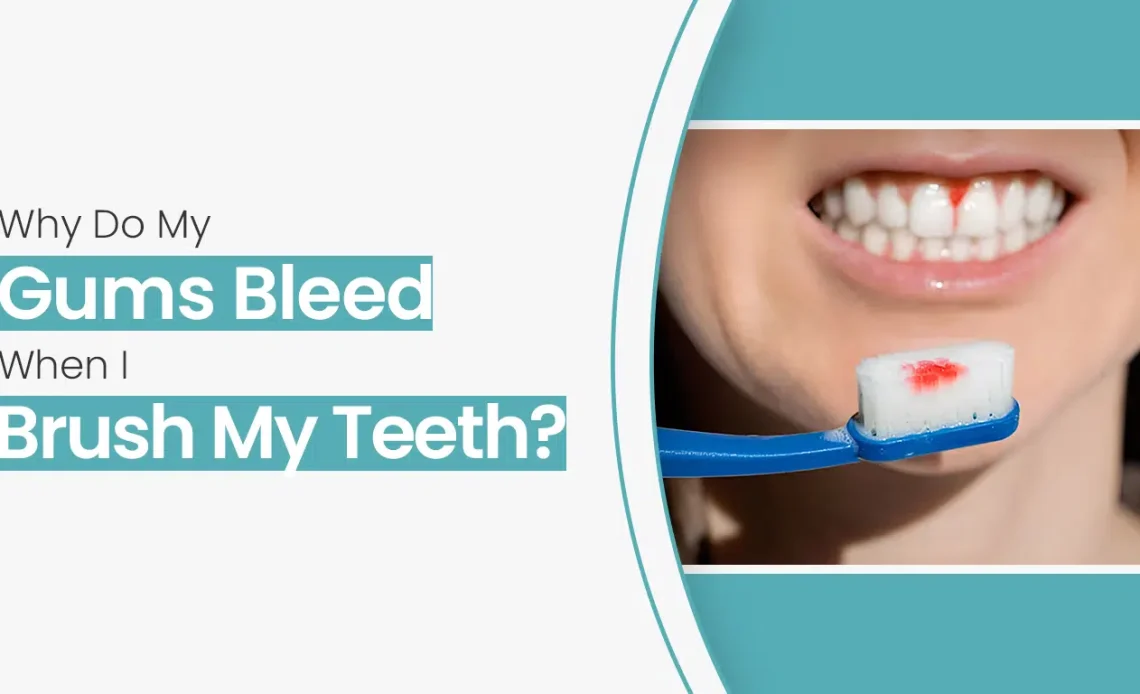
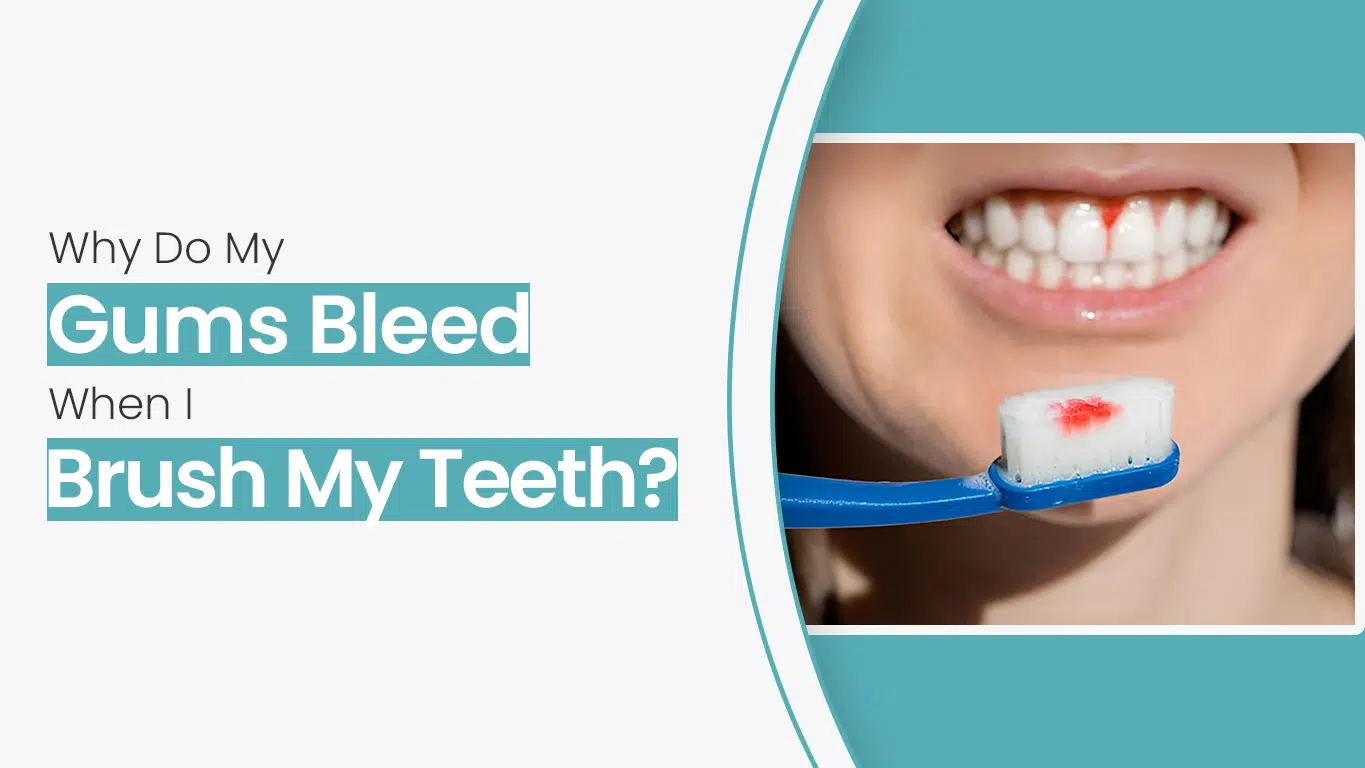
Why do my gums bleed when I brush my teeth — this is one of the most commonly asked dental questions, and the answer is not always simple. Bleeding gums can be a sign of something as minor as brushing too hard or as serious as advanced gum disease.
Either way, it is a signal your body is sending that something needs attention.
What Does It Mean When Your Gums Bleed While Brushing?
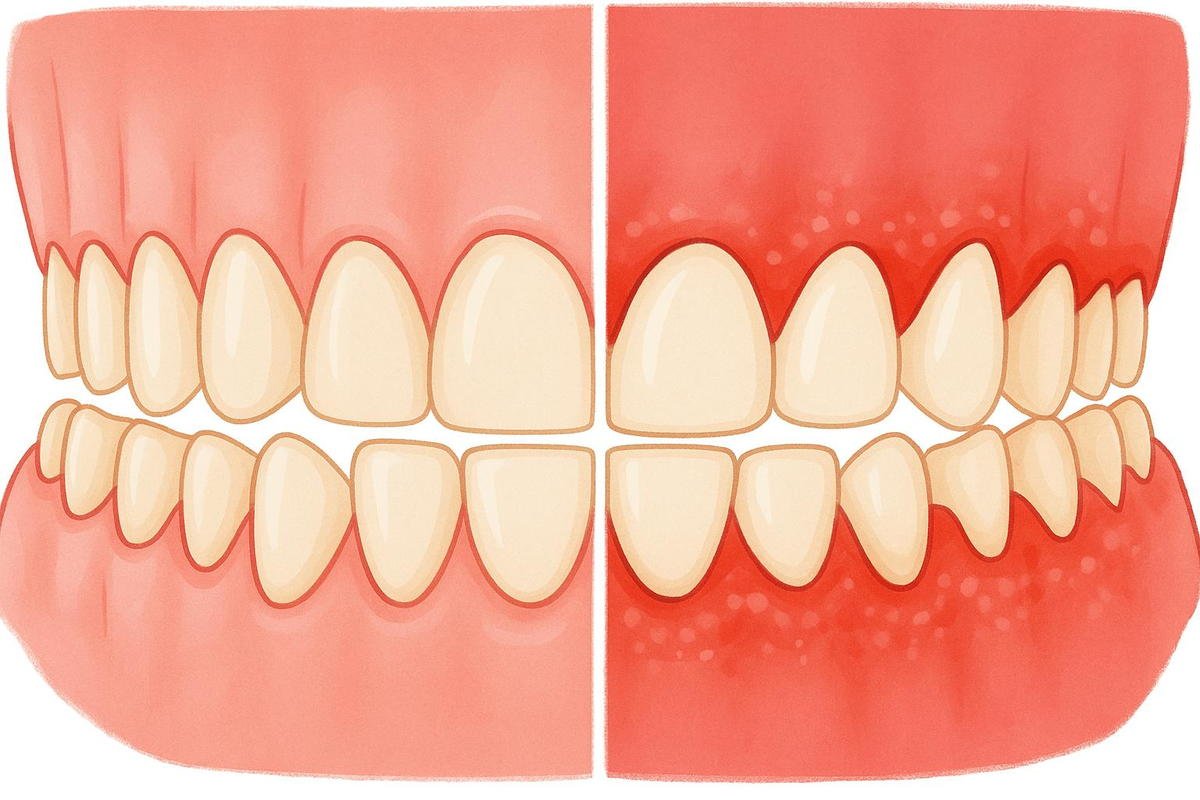
Healthy gums do not bleed during normal brushing. If you notice blood in the sink or on your toothbrush, your gums are inflamed, irritated, or under stress.
Gum bleeding is your mouth’s early warning system. It often appears before pain or visible damage sets in, which makes it easy to ignore — but ignoring it can lead to serious consequences like tooth loss.
Most cases of bleeding gums are directly linked to poor oral hygiene and the buildup of dental plaque along the gumline. However, there are several other causes that are equally important to understand.
The #1 Cause: Gingivitis (Early Gum Disease)
Gingivitis is the most common reason why gums bleed when brushing teeth. It is the earliest stage of gum disease and is caused by the buildup of plaque — a sticky film of bacteria — along the gumline.
When plaque is not removed by daily brushing and flossing, the bacteria in it release toxins that irritate the gum tissue. The body responds by increasing blood flow to the area, causing gums to become red, swollen, and tender.
These inflamed gums bleed easily, even during gentle brushing. The good news is that gingivitis is completely reversible with proper oral hygiene and professional dental cleaning.
Signs of Gingivitis:
| Symptom | Description |
|---|---|
| Bleeding gums | Gums bleed during brushing or flossing |
| Redness | Gums appear dark red instead of pink |
| Swelling | Gum tissue looks puffy or swollen |
| Bad breath | Persistent bad breath even after brushing |
| Tenderness | Gums feel sore when touched |
What Is Plaque and Why Does It Cause Bleeding?
Plaque is a colorless, sticky coating of bacteria that forms on your teeth every day. It feeds on sugars and carbohydrates from the food you eat.
As plaque bacteria multiply along the gumline, your immune system treats them as a threat. White blood cells rush to the area and blood vessels in the gums become swollen and fragile. Even light contact from a toothbrush causes these tiny vessels to break and bleed.
If plaque is not removed within 24 to 72 hours, it hardens into tartar (calculus). Tartar cannot be removed by brushing alone — only a professional dental cleaning can get rid of it.
Gingivitis vs. Periodontitis: What Is the Difference?
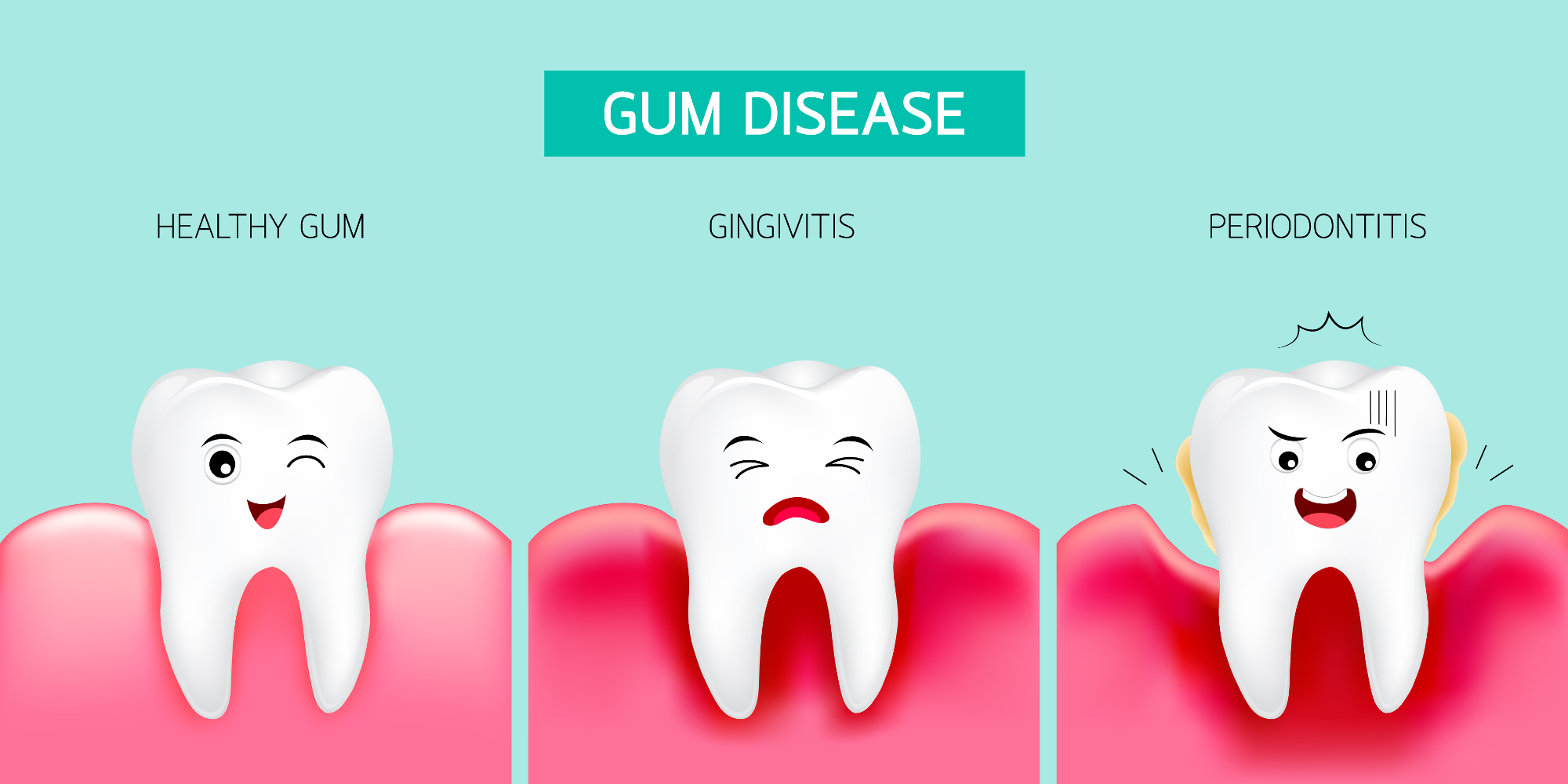
Understanding the progression from gingivitis to periodontitis is critical if your gums bleed regularly.
| Feature | Gingivitis | Periodontitis |
|---|---|---|
| Stage | Early gum disease | Advanced gum disease |
| Reversible? | Yes, with treatment | No, only manageable |
| Bone damage | None | Yes, bone is destroyed |
| Tooth loss risk | Low | High |
| Treatment | Cleaning + hygiene | Deep cleaning, surgery |
| Pocket depth | 1–3 mm (healthy) | 4 mm or deeper |
If gingivitis is left untreated, it can progress into periodontitis. At this stage, the infection spreads beneath the gumline and begins to destroy the bone and connective tissue that hold your teeth in place.
Periodontitis requires professional treatment, including scaling and root planing (deep cleaning), and in severe cases, surgical intervention.
Brushing Too Hard: A Common and Overlooked Cause
Many people think scrubbing harder means cleaner teeth. This is a myth that can seriously damage your gums.
Using a hard-bristled toothbrush or brushing with too much pressure causes tiny cuts and abrasions in the delicate gum tissue. Over time, this can also cause gum recession, where the gumline pulls back and exposes more of the tooth root.
Switch to a soft-bristled toothbrush and use gentle, circular motions angled at 45 degrees toward the gumline. Electric toothbrushes with built-in pressure sensors are a smart option for people who brush too aggressively.
Flossing Incorrectly or Inconsistently
If you recently started flossing after a long break, some bleeding in the first 7–10 days is considered normal. Your gums are not used to the stimulation and may be mildly inflamed.
However, snapping floss forcefully between your teeth or using a sawing motion can cut gum tissue and cause unnecessary bleeding. The correct technique is to slide floss gently up and down, following the natural curve of each tooth.
If bleeding from flossing continues beyond two weeks despite good technique, it is a sign of underlying gum inflammation that needs professional attention.
Medications That Make Gums Bleed
Certain medications directly affect how much your gums bleed. Blood-thinning medications are the most common culprits.
Medications linked to gum bleeding:
| Medication Type | Examples | Effect on Gums |
|---|---|---|
| Blood thinners | Warfarin, aspirin, heparin | Reduces clotting ability |
| Antiplatelet drugs | Clopidogrel | Slows platelet function |
| Blood pressure drugs | Some calcium channel blockers | Can cause gum overgrowth |
| Antiseizure drugs | Phenytoin | Causes gum tissue swelling |
| Immunosuppressants | Cyclosporine | Can lead to gum overgrowth |
Always tell your dentist about every medication you take. They can adjust treatment or recommend supportive care to manage medication-related gum bleeding.
Pregnancy and Hormonal Changes
Pregnancy is one of the most significant hormonal triggers for bleeding gums. Up to 60–75% of pregnant women develop a condition called pregnancy gingivitis, typically between the second and eighth months.
Rising levels of estrogen and progesterone during pregnancy increase blood flow to the gums and alter how the body responds to plaque bacteria. This makes the gums more sensitive, swollen, and prone to bleeding with even minimal contact.
Pregnancy gingivitis usually resolves after delivery. However, if it progresses into periodontitis during pregnancy, it has been linked to premature birth and low birth weight. Dental checkups during pregnancy are safe and strongly recommended.
Hormonal fluctuations during menstruation, menopause, and puberty can also trigger temporary gum sensitivity and bleeding. These episodes usually follow the hormonal cycle and improve with good oral hygiene.
Vitamin Deficiencies and Bleeding Gums
Two specific vitamin deficiencies are closely linked to gum bleeding: Vitamin C and Vitamin K.
Vitamin C plays a key role in collagen production, which gives gum tissue its strength and structure. When Vitamin C levels drop significantly, gum tissue becomes fragile and breaks down easily. In severe cases, this causes scurvy, a condition historically associated with sailors who had no access to fresh food. Symptoms include severely swollen, bleeding gums and eventual tooth loosening.
Vitamin K is essential for normal blood clotting. Without enough Vitamin K, even minor contact with the gums can result in bleeding that is difficult to stop.
| Vitamin | Role in Gum Health | Food Sources |
|---|---|---|
| Vitamin C | Collagen synthesis, tissue repair | Citrus fruits, bell peppers, broccoli |
| Vitamin K | Blood clotting, bone support | Leafy greens, kale, spinach |
| Vitamin B12 | Gum tissue maintenance | Meat, dairy, eggs |
| Vitamin D | Reduces inflammation | Sunlight, fortified milk, fish |
Diabetes and Bleeding Gums: A Two-Way Relationship
Diabetes and gum disease share a bidirectional relationship — each one can make the other worse.
High blood sugar weakens the immune system and reduces blood flow to the gums. This makes it harder for the body to fight off gum infections and harder for damaged gum tissue to heal. People with uncontrolled diabetes are significantly more likely to develop severe gum disease.
At the same time, untreated periodontitis can make blood sugar harder to control by increasing systemic inflammation. This means managing gum disease is actually part of managing diabetes effectively.
If you have diabetes and notice your gums bleed frequently, speak with both your dentist and your primary care physician.
Stress and Its Effect on Gum Health
Chronic stress weakens the immune system, making it harder for the body to fight off bacterial infections including gum disease. Stress also increases levels of cortisol, which promotes inflammation throughout the body — including in the gums.
People under high stress are also more likely to neglect oral hygiene, grind their teeth (bruxism), or smoke — all of which increase the risk of bleeding gums.
Managing stress through sleep, exercise, and mental health support is a legitimate part of protecting your gum health.
Teeth Grinding (Bruxism)
Teeth grinding, also known as bruxism, puts excessive pressure on the gums and the supporting bone. Over time, this pressure causes inflammation and can contribute to gum recession and bleeding.
Many people grind their teeth during sleep without realizing it. Signs of bruxism include jaw soreness in the morning, headaches, and worn-down tooth enamel.
A custom night guard prescribed by a dentist can protect the teeth and gums from grinding damage.
Smoking and Tobacco Use
Smoking is a major risk factor for gum disease and bleeding gums. Tobacco use impairs blood flow to the gum tissue, weakens the immune system, and reduces the mouth’s ability to fight off infections.
One of the deceptive effects of smoking is that it can actually mask gum bleeding. Nicotine constricts blood vessels, which may reduce visible bleeding — but the underlying gum disease continues to progress silently. This makes smoking-related gum disease harder to detect in its early stages.
Quitting smoking dramatically improves gum health. Within a few months of stopping, many people notice reduced inflammation and bleeding.
Ill-Fitting Dentures or Dental Appliances
Dentures, retainers, or other oral appliances that do not fit correctly can rub against the gum tissue and create sores, pressure points, and bleeding. People who do not remove dentures at night are particularly vulnerable.
If you wear dentures and notice gum bleeding, visit your dentist for a refitting. New impressions of the mouth can be taken to create a better-fitting appliance.
Blood Disorders That Cause Gum Bleeding
In some cases, persistent gum bleeding is a symptom of an underlying blood disorder rather than a dental problem.
Blood conditions linked to gum bleeding:
| Condition | How It Causes Bleeding |
|---|---|
| Thrombocytopenia | Low platelet count reduces clotting ability |
| Hemophilia | Blood does not clot normally |
| Von Willebrand disease | Clotting protein is missing or deficient |
| Leukemia | Abnormal white blood cells interfere with clotting |
If gum bleeding is accompanied by unexplained bruising, fatigue, or heavy bleeding from minor cuts, see a medical doctor in addition to your dentist.
How to Stop Gums from Bleeding: Step-by-Step Guide
Most cases of bleeding gums respond well to consistent oral hygiene improvements and lifestyle changes.
Daily oral hygiene routine:
- Brush twice a day using a soft-bristled toothbrush
- Use gentle, circular strokes angled at 45 degrees toward the gumline
- Floss once a day using proper technique
- Rinse with an antiseptic or anti-gingivitis mouthwash
- Replace your toothbrush every 3–4 months
Dietary steps:
- Increase Vitamin C intake through citrus, berries, and bell peppers
- Eat leafy greens for Vitamin K
- Reduce sugar and processed carbohydrates that feed plaque bacteria
- Drink more water throughout the day
Lifestyle changes:
- Quit smoking or tobacco use
- Manage stress with regular exercise and sleep
- Get a night guard if you grind your teeth
Home remedies that may help:
- Rinse with warm saltwater to reduce bacteria and inflammation
- Apply a clean, damp gauze to bleeding area with gentle pressure
- Use a water flosser as an alternative to traditional flossing
When Should You See a Dentist?
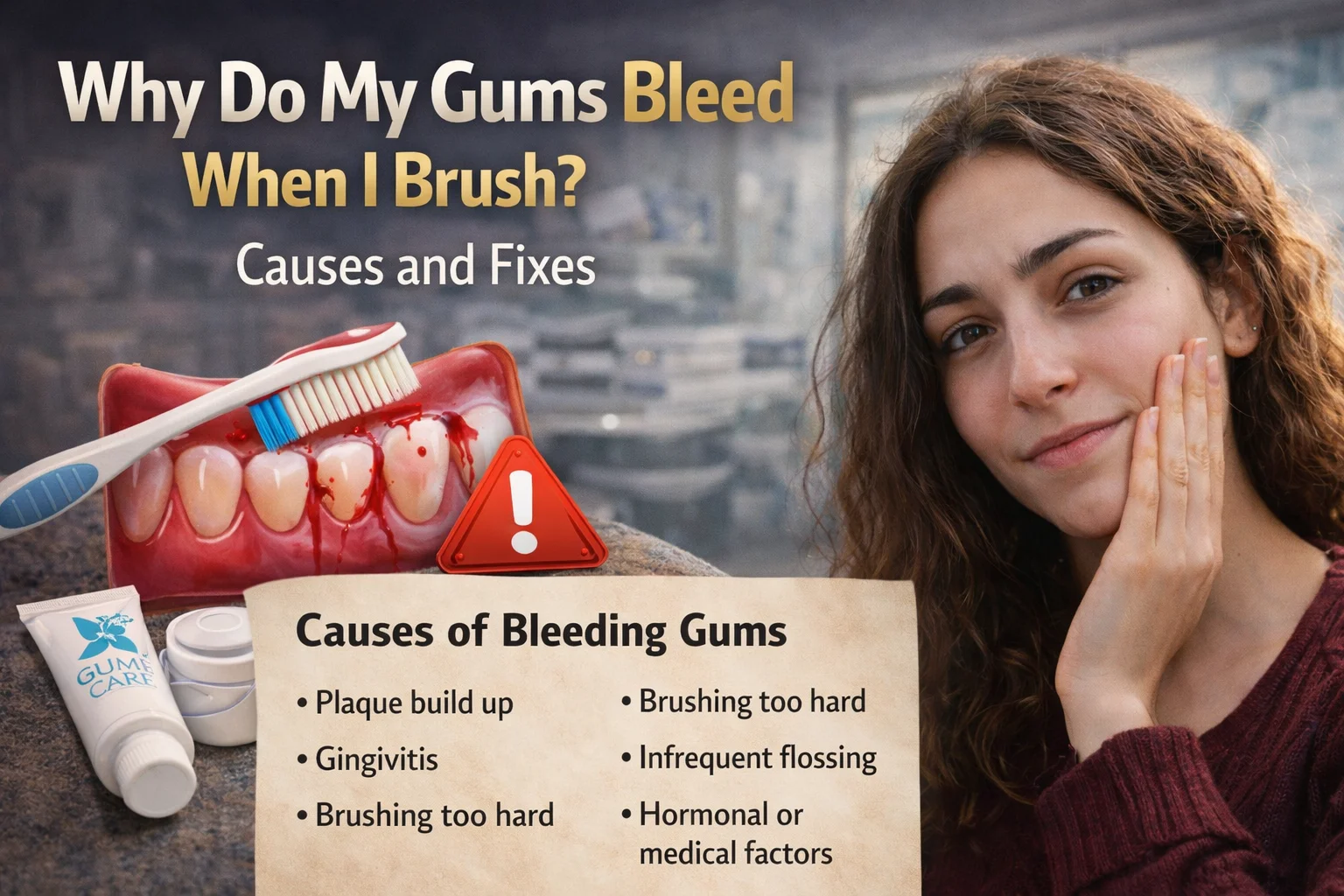
Not all gum bleeding requires an emergency visit, but there are clear signs that you should not wait.
See a dentist if:
- Bleeding gums do not improve within two weeks of better oral hygiene
- Gums bleed every time you brush, not just occasionally
- You notice gum recession (gums pulling away from teeth)
- Your teeth feel loose or sensitive
- You have persistent bad breath that does not go away
- You notice swelling, pus, or pain in the gum area
- Bleeding is heavy or takes a long time to stop
Your dentist will examine the gums, measure pocket depths, take X-rays if needed, and recommend appropriate treatment ranging from a professional cleaning to scaling and root planing or, in advanced cases, periodontal surgery.
Professional Treatments for Bleeding Gums
| Treatment | What It Does | Best For |
|---|---|---|
| Professional cleaning (prophylaxis) | Removes plaque and tartar above the gumline | Gingivitis, prevention |
| Scaling and root planing | Deep cleaning below the gumline | Moderate periodontitis |
| Antibiotic therapy | Kills bacteria in deep gum pockets | Persistent infection |
| Laser periodontal therapy | Removes infected tissue with precision | Advanced disease |
| Flap surgery | Lifts gums to clean deep pockets | Severe periodontitis |
| Bone grafting | Rebuilds destroyed bone | Advanced bone loss |
How Long Does It Take for Gums to Stop Bleeding?
For mild gingivitis, gums can stop bleeding within one to two weeks of consistent brushing, flossing, and a professional cleaning.
For moderate to advanced periodontitis, the timeline is longer. Most patients see meaningful improvement within four to six weeks after scaling and root planing, but complete healing depends on the severity of the disease and how consistently the patient maintains their oral hygiene at home.
Do not stop brushing because your gums bleed. Stopping allows more plaque to accumulate, which makes the inflammation worse. Continue brushing gently and the bleeding should gradually decrease as the gum health improves.
Bleeding Gums in Children
Children can also develop gum disease if oral hygiene is neglected. Gingivitis in kids typically appears due to plaque buildup from inadequate brushing.
If a child’s gums bleed after brushing, review their brushing technique and ensure they are brushing for a full two minutes twice daily. If bleeding persists after 3–4 days of careful brushing, see a pediatric dentist.
Hormonal changes during puberty can also cause temporary gum sensitivity and bleeding in teenagers.
Nutrition and Diet for Healthy Gums
What you eat has a direct impact on gum health. A diet rich in vitamins, minerals, and antioxidants supports gum tissue repair and immune function.
Gum-friendly foods:
- Citrus fruits, strawberries, and bell peppers (Vitamin C)
- Kale, spinach, and broccoli (Vitamin K and calcium)
- Dairy products and almonds (calcium for bone support)
- Green tea (natural anti-inflammatory properties)
- Water (promotes saliva production)
Foods that worsen gum health:
- Sugary drinks and candy (feed plaque bacteria)
- Processed and starchy foods (increase plaque formation)
- Alcohol (dries out the mouth and reduces saliva)
- Tobacco (directly toxic to gum tissue)
Frequently Asked Questions (FAQs)
Why do my gums bleed every time I brush my teeth?
Frequent gum bleeding during brushing is usually a sign of gingivitis caused by plaque buildup. Improving brushing technique and daily flossing can reverse it within two weeks.
Is bleeding gums a sign of something serious?
It can be. While gingivitis is the most common cause, persistent bleeding may indicate periodontitis, vitamin deficiencies, blood disorders, or systemic conditions like diabetes.
Should I stop brushing if my gums bleed?
No. Stopping brushing allows more plaque to accumulate and worsens inflammation. Switch to a soft-bristled brush and continue brushing gently twice a day.
Can stress cause bleeding gums?
Yes. Chronic stress weakens the immune system and increases inflammation, both of which make gums more vulnerable to infection and bleeding.
How can I stop my gums from bleeding at home?
Brush gently twice daily, floss once a day, rinse with warm saltwater or an antiseptic mouthwash, and eat foods rich in Vitamin C and K to support gum tissue repair.
Do bleeding gums mean I have gum disease?
Bleeding gums are the most common early symptom of gingivitis, the earliest stage of gum disease. However, not all bleeding gums indicate gum disease — aggressive brushing can also cause it.
Can vitamin deficiency cause bleeding gums?
Yes. Deficiencies in Vitamin C and Vitamin K are directly linked to gum bleeding. Vitamin C supports tissue repair and Vitamin K is essential for proper blood clotting.
Are bleeding gums during pregnancy normal?
Yes, pregnancy gingivitis affects 60–75% of pregnant women due to hormonal changes. It is manageable with good oral hygiene and dental visits and usually resolves after delivery.
How long does it take for bleeding gums to heal?
With consistent brushing, flossing, and a professional cleaning, mild gingivitis can resolve within one to two weeks. Advanced periodontitis may take four to six weeks or longer after deep cleaning.
When should I see a dentist for bleeding gums?
See a dentist if bleeding does not improve within two weeks, if gums are receding, if teeth feel loose, or if you have swelling, pain, or persistent bad breath alongside the bleeding.
Conclusion
Why do my gums bleed when I brush my teeth? The answer usually comes back to plaque buildup and gingivitis — both of which are preventable and reversible with the right care.
But as this guide shows, bleeding gums can also be connected to medications, hormonal changes, vitamin deficiencies, diabetes, stress, and even blood disorders. The key is to take it seriously and not ignore the warning sign your body is sending.
Start with improving your daily oral hygiene routine — brush gently with a soft-bristled toothbrush, floss daily, rinse with an antiseptic mouthwash, and eat a balanced diet rich in Vitamins C and K. If your gums continue to bleed after two weeks of consistent effort, schedule an appointment with your dentist.
Early action prevents gingivitis from becoming periodontitis, protects your teeth long-term, and may even reveal underlying health conditions you were not aware of. Healthy gums are the foundation of a healthy mouth — and a healthier you.


