


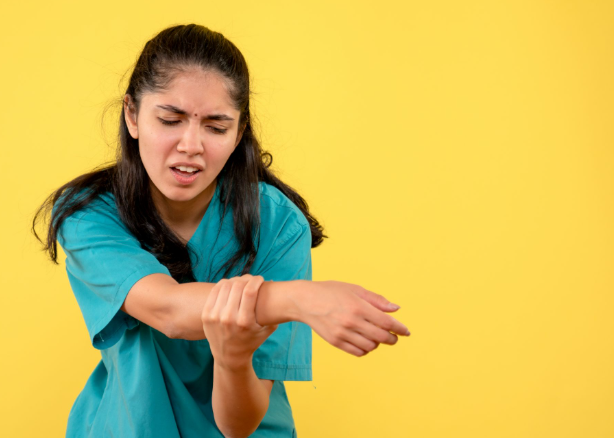
Do you feel random aches in your joints on any day? Or have you felt discomfort in your back or knees without moving much? You brush it off thinking that you are too young for this.
Let us break it to you that bone health issues are no longer an elderly concern. Many youths are experiencing weaker bones due to their daily habits.
Reasons of Weaker Bones Among Youths
If your knees or back are hurting at a very young age, these might be some common reasons:
No Good Nutrition Balance in Diet
To keep your bones strong, your nutrition should be on point. But, modern diets often have no proper nutrients. As a result:
- Low calcium intake affects bone density over time
- Skipping meals or relying on junk food reduces nutrient absorption
- Not consuming enough protein impacts your bone structure
Even if you eat enough, it might not be the right food that your bones need.
Low Sun Exposure
Do you spend most of your time indoors? It might be hurting your bones silently because:
- Vitamin D is crucial for calcium absorption
- Sitting in offices, working from home, or not stepping in sun at all leads to deficiency
- Sunscreen (while important) can also limit vitamin D synthesis in your body
In such a scenario, you can consider vitamin D tablets to support your daily vitamin D intake levels, especially if natural sources are limited.
Sedentary Lifestyle
Moving your body is not just important for muscles, but your bone health also depends on it. This is how:
- Lack of weight-bearing exercises reduces bone strength
- Sitting for long hours slows down bone regeneration
- No physical stress means weaker bone adaptation
If you do simple activities like walking, strength training, or yoga, it can be great for your bones.
Poor Gut Health
You think you are eating healthy, but is your body absorbing it? You should know it because:
- Gut issues can block calcium and mineral absorption
- Frequent bloating or indigestion may be a sign of deeper problems
- Processed foods can disrupt gut balance
Inflammation
Chronic, low-level inflammation in your body can be a sign of weakened bones. It can be:
- Caused by stress, poor diet, and lack of sleep
- Can interfere with bone repair and regeneration
- Leads to joint stiffness and discomfort
Adding omega 3 tablets to your routine can help manage inflammation and improve your overall joint health.
Excessive Dieting or Weight Loss
We often try to lose weight too fast, but your bones may be the ones paying the price silently. When you are on strict diet:
- Calorie restriction can reduce bone density
- Lack of nutrients weakens bone structure
- Hormonal imbalances from dieting can worsen this issue
This is why it is important to lose weight with sustainable methods and not extreme cuts.
Hormonal Imbalances
Hormones are one of the biggest factors maintaining your bone strength. You can understand it by:
- Low estrogen levels (even in young women) can weaken bones
- Thyroid issues can affect bone metabolism
- Stress hormones like cortisol can reduce bone formation
If you notice consistent weakness or pain, you should speak to a doctor.
Summing Up
Do you think weak bones are a concern only after 50? You need to think twice! Today, it has started taking a toll on young adults as well. If you feel difficulty moving and experience pain in your knees and joints, it is possible to reverse the damage with little changes.
What do you need to do? Pay attention to what you are eating, exercise regularly, get adequate sunlight, and work on your gut health. These are small habits , but help you stand strong now and later in age.

