


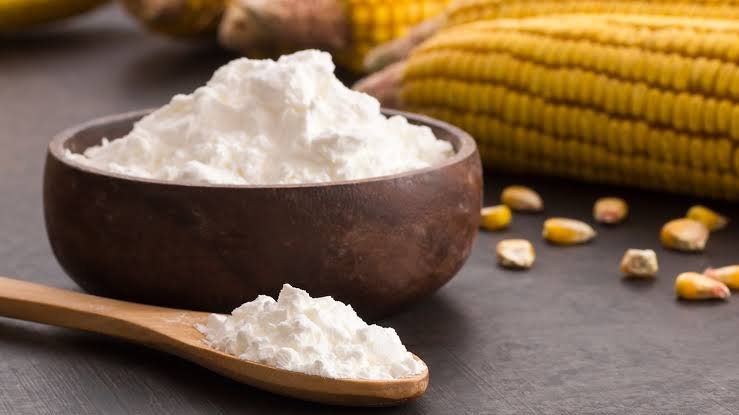
Why do people eat cornstarch, a plain white kitchen powder better known for thickening gravy than being a snack? It sounds unusual, but this habit is more common than most people realize, and it shows up everywhere from viral social media videos to medical case studies.
Some people eat cornstarch because they enjoy its smooth, powdery texture. Others crave it due to an underlying nutrient deficiency or an eating disorder called pica.
In certain medical situations, doctors even recommend small amounts of raw cornstarch for specific health conditions.
What Is Cornstarch, Exactly?
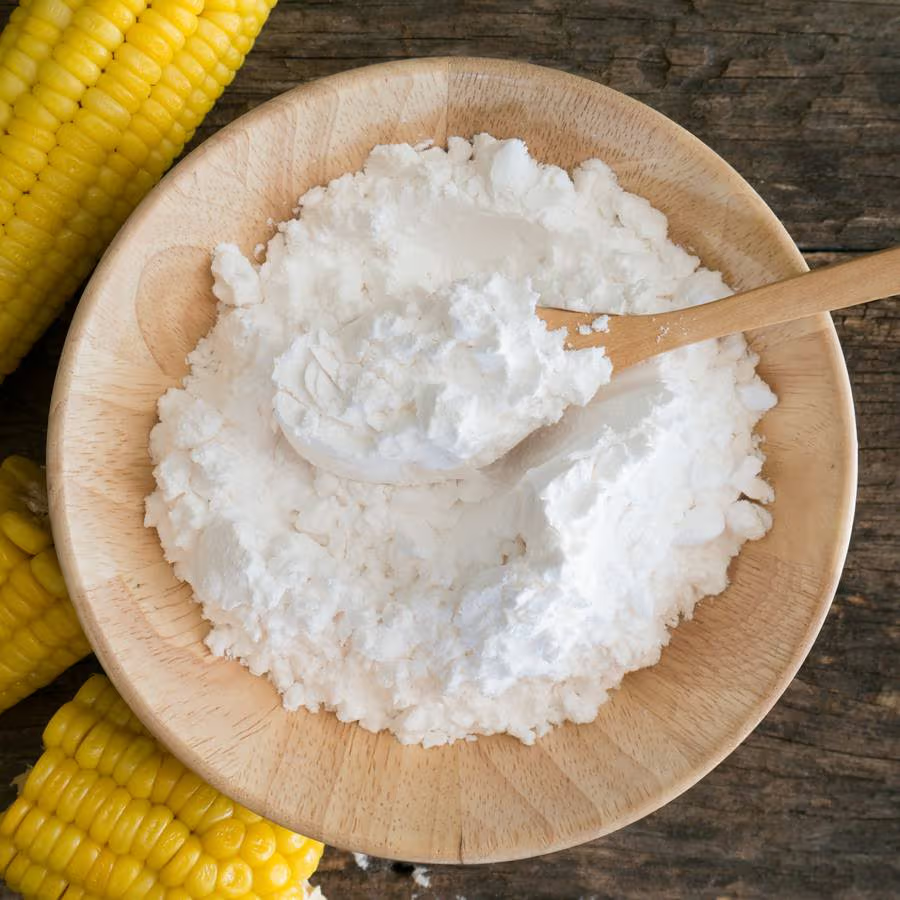
Cornstarch is a fine white powder made from the endosperm of corn kernels. It’s nearly pure starch.
It has almost no flavor, no fiber, and very few vitamins or minerals. It’s essentially concentrated carbohydrate.
Most kitchens use it as a thickening agent for sauces, gravies, soups, and pie fillings.
Because it’s flavorless and dissolves smoothly, it also blends easily into powders, batters, and coatings.
Why Do People Eat Cornstarch? The Main Reasons
There isn’t just one explanation for cornstarch eating. The reasons range from harmless texture preferences to medical conditions that need treatment.
Below are the most common and well-documented reasons people eat cornstarch, straight or as part of food.
Sensory Enjoyment and Texture Appeal
Many people simply enjoy the dry, powdery mouthfeel of raw cornstarch. It dissolves into a chalky paste that some find satisfying.
This sensory appeal has become a popular trend on platforms like TikTok and YouTube, especially within ASMR content communities.
For most casual eaters, this is a texture preference rather than a nutritional need or medical concern.
Pica and Amylophagia
Pica is an eating disorder involving persistent cravings for non-food or low-nutrient items like ice, dirt, chalk, or starch.
When the craving specifically targets starch, it’s called amylophagia. Cornstarch is one of the most commonly craved substances in this category.
Pica is often linked to iron or zinc deficiency, and cravings frequently fade once the deficiency is corrected.
Iron Deficiency and Anemia
Low iron levels are strongly associated with cornstarch cravings. The body sometimes signals unusual hunger patterns when key minerals run low.
Blood tests measuring ferritin, hemoglobin, and complete blood count can confirm whether anemia is driving the craving.
Once iron levels are restored through diet or supplements, cornstarch cravings typically decrease or disappear entirely.
Pregnancy-Related Cravings
Pregnancy increases the body’s demand for iron and other nutrients, making pica cravings more common during this time.
Research on pregnant teens found that a large percentage reported pica behaviors, with starches like cornstarch among the most frequently craved items.
Doctors recommend reporting these cravings early, since untreated iron deficiency during pregnancy carries added risks.
Stress, Anxiety, and Emotional Eating
Some people turn to cornstarch as a self-soothing habit during periods of high stress or anxiety.
The repetitive, calming texture can serve a similar emotional function as other comfort behaviors, even though it offers no nutritional benefit.
Cultural and Regional Habits
In some cultures and regions, eating raw starches, including cornstarch, chalk, or clay, has a long-standing traditional or cultural history.
These practices are sometimes passed down through generations and aren’t always connected to a diagnosed deficiency.
Medical Use for Blood Sugar Management
In rare medical cases, doctors recommend small, controlled amounts of raw cornstarch to help manage certain blood sugar conditions.
This includes some glycogen storage disorders and cases of insulinoma, where cornstarch’s slow digestion helps prevent nighttime blood sugar drops.
This use is strictly medically supervised and very different from casual or compulsive cornstarch eating.
Quick Reference: Reasons People Eat Cornstarch
| Reason | Typical Trigger | Concern Level |
|---|---|---|
| Texture enjoyment | Sensory preference, social trends | Low |
| Pica / amylophagia | Compulsive, persistent craving | Moderate to high |
| Iron deficiency | Low ferritin, fatigue, anemia symptoms | Moderate to high |
| Pregnancy cravings | Increased iron and nutrient demand | Moderate |
| Stress or anxiety | Emotional or self-soothing habit | Low to moderate |
| Cultural habit | Traditional or regional practice | Low |
| Medical management | Doctor-supervised blood sugar control | Low, when supervised |
Is Eating Cornstarch Safe?
Cornstarch is generally safe in small, occasional, cooked amounts as part of a recipe. Most dishes use only a tablespoon or two.
Eating raw cornstarch regularly or in large amounts is where the real risks begin to appear.
Raw cornstarch may also carry bacteria since it isn’t heat-treated the way cooked starch is during cooking.
Potential Benefits of Cornstarch (In Context)
Cornstarch itself offers very limited nutritional value, but it does have a few situational upsides worth noting.
It’s naturally gluten-free, making it a useful thickening substitute for people avoiding gluten in cooking.
In supervised medical settings, raw cornstarch’s slow digestion helps some patients maintain steadier blood sugar levels overnight.
It’s also low in fat and contains no cholesterol, though this doesn’t offset its lack of vitamins, minerals, or fiber.
Health Risks of Eating Cornstarch Regularly
Eating cornstarch frequently, especially raw and in large quantities, carries several documented health risks.
Blood Sugar Spikes
Cornstarch has a high glycemic index and digests quickly into sugar. This can cause rapid blood sugar spikes, especially risky for people with diabetes.
Digestive Issues
Large amounts of raw cornstarch can cause bloating, constipation, stomach pain, and in severe cases, intestinal blockages.
Nutritional Deficiency and Displacement
Filling up on cornstarch instead of nutrient-dense food can worsen existing deficiencies over time, particularly concerning during pregnancy.
Allergic Reactions
Though uncommon, some people experience allergic symptoms like hives, facial swelling, or difficulty breathing after consuming cornstarch-heavy foods.
Weight and Metabolic Effects
As a refined carbohydrate, regular high intake is linked to weight gain, elevated insulin levels, and increased risk of metabolic issues over time.
Risk Overview Table
| Risk | Cause | Who Is Most at Risk |
|---|---|---|
| Blood sugar spikes | High glycemic index, fast digestion | People with diabetes or insulin resistance |
| Digestive blockage | Excessive raw starch intake | Frequent or compulsive eaters |
| Nutrient deficiency | Cornstarch replacing balanced meals | Pregnant women, people with pica |
| Allergic reaction | Sensitivity to corn-derived products | Individuals with corn allergies |
| Weight gain | Chronic high refined-carb intake | Long-term heavy consumers |
Signs Your Cornstarch Craving Might Be Pica
Not every craving for cornstarch is a medical concern, but certain patterns are worth watching closely.
Craving cornstarch daily, feeling unable to stop, or eating it instead of regular meals are red flags for pica.
Fatigue, pale skin, dizziness, or brittle nails alongside the craving may point to underlying iron deficiency anemia.
If any of these signs apply to you or someone you know, a doctor’s evaluation and simple blood test can clarify the cause.
How Doctors Diagnose and Treat Cornstarch Cravings
A doctor will typically start with a physical exam and a detailed history of eating habits and craving patterns.
Blood tests checking ferritin, hemoglobin, and complete blood count help confirm or rule out iron deficiency anemia.
If deficiency is found, treatment usually involves dietary changes or iron supplementation, which often reduces cravings within weeks.
For cases not linked to deficiency, behavioral therapy can help address the psychological or habitual aspects of pica.
Safer Ways to Satisfy a Cornstarch Craving
If the sensory texture is the main appeal, safer alternatives can help reduce raw cornstarch intake.
Try cooked cornstarch-based puddings or thickened dishes instead of eating it raw and uncooked.
Crunchy, low-calorie snacks like celery or air-popped popcorn can help redirect a texture-based craving.
Talking to a doctor or dietitian about the craving itself is the most effective long-term solution, especially if it’s frequent.
Cornstarch in Cooking: The Safe, Intended Use
Cornstarch is best used as a cooking ingredient rather than a standalone snack. It shines as a thickener for sauces, soups, and stews.
Mixing it with cold water first, called a slurry, prevents clumping before adding it to hot liquid.
It also works well in gluten-free baking, crispy fried coatings, and as an egg substitute in some vegan recipes.
Used this way, in small cooked quantities, cornstarch poses little to no health risk for most people.
Cornstarch vs Other Common Pica Cravings
| Craved Substance | Common Name | Typical Underlying Cause |
|---|---|---|
| Cornstarch or flour | Amylophagia | Iron or zinc deficiency |
| Ice | Pagophagia | Iron deficiency anemia |
| Dirt or clay | Geophagia | Nutrient deficiency, cultural practice |
| Paper | Xylophagia | Stress, anxiety, or deficiency |
| Chalk | Related to pica | Calcium or mineral imbalance |
When to See a Doctor About Cornstarch Cravings
See a doctor if the craving is daily, intense, or interfering with regular eating habits.
Also seek care if you notice fatigue, dizziness, pale skin, or other signs of possible anemia alongside the craving.
Pregnant women experiencing any pica symptoms should mention it at their next prenatal visit, since untreated deficiency carries added risks.
Seek immediate care if you experience stomach pain, vomiting, or symptoms of an allergic reaction after eating cornstarch.
The Social Media Trend Behind Eating Cornstarch
In recent years, videos of people eating raw cornstarch have gone viral across TikTok and YouTube. This has sparked widespread curiosity about the habit.
Many of these videos focus on the crunchy or powdery sound and texture, appealing to ASMR audiences seeking sensory content.
While the trend has normalized the behavior for viewers, health experts caution that regular imitation of this trend isn’t medically advisable.
It’s important to separate entertainment content from actual dietary guidance, since creators rarely mention the underlying risks.
Cornstarch vs Cornflour vs Corn Flour: Avoiding Confusion
Cornstarch, corn flour, and cornflour are often confused, but they’re different products with different nutrition profiles.
It is pure starch extracted from the endosperm, with almost no fiber or protein.
Corn flour, common in the US, is made from the entire corn kernel, meaning it retains more fiber and nutrients.
In the UK, “cornflour” typically refers to what Americans call cornstarch, which adds to the naming confusion online.
How Much Cornstarch Is Considered Too Much?
There’s no official safe upper limit for raw cornstarch consumption, since it isn’t intended to be eaten this way.
Most nutrition experts agree that culinary use, roughly one to two tablespoons per recipe, poses little risk for healthy individuals.
Regularly eating more than a few tablespoons of raw cornstarch per day is generally considered excessive and potentially harmful.
Anyone eating cornstarch by the spoonful or cupful on a regular basis should treat this as a signal to seek medical advice.
Cornstarch and Children: A Special Concern
Children are sometimes drawn to cornstarch out of curiosity or, less commonly, due to pica linked to nutrient deficiencies.
Unlike adults, children are more vulnerable to choking or digestive blockages from consuming large amounts of dry powder.
Parents noticing repeated cornstarch eating in a child should consult a pediatrician to check for iron deficiency or other underlying causes.
Keeping cornstarch and similar powders out of easy reach can help prevent accidental or curiosity-driven ingestion in young children.
Nutritional Breakdown of Cornstarch
| Nutrient (per 1 tablespoon) | Approximate Amount |
|---|---|
| Calories | About 30 |
| Carbohydrates | About 7 grams |
| Protein | Less than 1 gram |
| Fat | 0 grams |
| Fiber | 0 grams |
| Vitamins and minerals | Negligible |
This breakdown shows why cornstarch is considered “empty calories” when eaten on its own, without any accompanying nutrients.
Expert Perspective: What Nutritionists Say
Registered dietitians generally agree that cornstarch has no place as a regular standalone food due to its lack of nutritional density.
Many recommend focusing on the root cause of any craving rather than trying to simply avoid or restrict the behavior directly.
Iron-rich foods like lean meat, spinach, and legumes are often suggested as part of a plan to naturally reduce pica-related cravings.
Nutritionists also emphasize that occasional culinary use of cornstarch, in cooked form, is not something most people need to worry about.
Preventing Cornstarch Cravings Before They Start
Maintaining balanced iron and zinc levels through diet is one of the most effective ways to prevent pica-related cravings from developing.
Regular checkups, especially during pregnancy or for people with a history of anemia, can catch deficiencies before cravings appear.
Managing stress through healthy outlets can also reduce the likelihood of turning to sensory habits like cornstarch eating.
Educating families about pica symptoms helps ensure early intervention, particularly for children or pregnant individuals who may be at higher risk.
A Brief History of Cornstarch as a Food Ingredient
Cornstarch was first developed as a refined starch product in the 1800s, primarily for industrial and culinary thickening purposes.
Its clean, neutral taste made it popular in kitchens worldwide, especially once heated starch gelatinization became widely understood by cooks.
Over time, manufacturers also began using it in powdered sugar, shredded cheese, and baking mixes to prevent clumping.
The idea of eating it on its own, rather than as a cooking ingredient, is a much more recent and mostly modern phenomenon.
Cornstarch vs Other Common Thickeners
| Thickener | Texture | Nutritional Value | Common Use |
|---|---|---|---|
| Cornstarch | Smooth, glossy | Very low | Sauces, gravies, pie fillings |
| All-purpose flour | Slightly cloudy | Moderate | Roux, baking, gravies |
| Arrowroot powder | Clear, glossy | Very low | Gluten-free sauces |
| Potato starch | Smooth | Low | Baking, gluten-free cooking |
| Tapioca starch | Chewy, glossy | Low | Puddings, pie fillings |
Comparing these options shows that cornstarch isn’t unique in its low nutritional value, but its popularity makes it the most commonly craved starch.
The Psychological Side of Starch Cravings
Beyond physical deficiencies, some researchers believe repetitive eating behaviors like cornstarch consumption can develop into learned habits over time.
The predictable texture and taste-free nature of cornstarch may make it feel “safe” for people managing anxiety or sensory-seeking behaviors.
Cognitive behavioral therapy has shown promise in helping individuals break persistent pica habits once medical causes have been ruled out or treated.
Support from healthcare providers, including both physical and mental health professionals, often produces the best long-term outcomes for chronic cases.
Key Takeaways Before You Try Cornstarch
Cornstarch is a kitchen staple, not a snack, and its intended use is cooked and in small amounts within recipes.
If you find yourself craving it raw or often, treat that as useful information about your body rather than something to ignore.
A simple blood test can confirm or rule out iron deficiency as the root cause behind the craving in most cases.
Most people who address the underlying trigger, whether it’s diet, stress, or pregnancy-related demand, see the craving fade naturally over time.
Frequently Asked Questions (FAQs)
1. Why do people eat cornstarch raw?
Most people eat raw cornstarch for its dry, powdery texture, though some do it due to pica linked to iron deficiency. The exact reason varies from person to person.
2. Is eating cornstarch a sign of a deficiency?
It can be. Craving and eating raw cornstarch is often connected to low iron or zinc levels, especially when the craving feels compulsive or hard to control.
3. Is it safe to eat cornstarch every day?
No, eating cornstarch daily, especially raw, isn’t recommended. It offers little nutrition and can cause blood sugar spikes or digestive problems if continued long term.
4. Can eating cornstarch cause weight gain?
Yes, cornstarch is a refined carbohydrate high in calories relative to its nutrition. Regular heavy consumption can contribute to weight gain and elevated blood sugar over time.
5. Why do pregnant women crave cornstarch?
Pregnancy increases iron and nutrient demands, which can trigger pica cravings, including cornstarch. It’s worth mentioning to a doctor at the next prenatal visit for proper evaluation.
6. What is amylophagia?
Amylophagia is a specific type of pica involving persistent cravings for starches like cornstarch or flour. It’s most often tied to underlying iron deficiency anemia.
7. Can eating cornstarch be dangerous?
Yes, in large or frequent raw amounts, it can cause digestive blockages, allergic reactions, and blood sugar spikes, particularly in people with diabetes or insulin resistance.
8. Does cornstarch have any nutritional value?
Very little. It’s mostly pure carbohydrate with almost no fiber, vitamins, minerals, or protein, which makes it nutritionally empty when eaten on its own.
9. How do you stop craving cornstarch?
Getting tested for iron deficiency and correcting it usually reduces the craving significantly. Behavioral support can also help if the habit isn’t deficiency-related.
10. Can doctors ever recommend eating raw cornstarch?
Yes, in specific supervised medical cases, such as certain glycogen storage disorders or insulinoma, doctors may prescribe small, controlled amounts of raw cornstarch.
Conclusion
So why do people eat cornstarch? The answer isn’t always simple. For some, it’s a harmless texture preference that’s become a passing social media trend.
For others, it’s a warning sign of pica or an underlying iron deficiency that deserves medical attention, especially during pregnancy.
Cornstarch itself offers minimal nutrition and, when eaten raw or in excess, can lead to blood sugar spikes, digestive issues, and allergic reactions.
Used correctly, as a cooked thickener in small culinary amounts, it remains a safe and useful kitchen staple. If you or someone you know craves cornstarch daily or feels unable to stop, it’s worth getting a simple blood test to rule out anemia.
Addressing the root cause is always safer and more effective than trying to suppress the craving alone, and it protects both nutrition and long-term health.


