


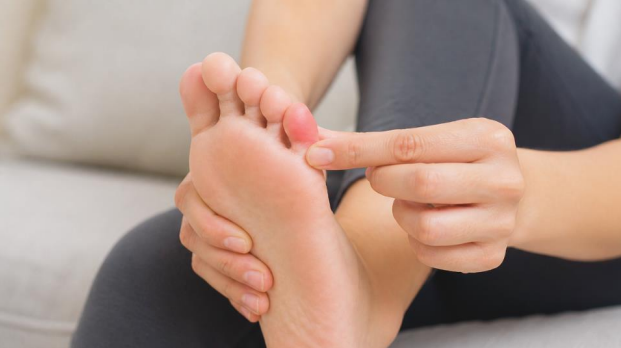
Why does my pinky toe hurt is one of the most common foot-pain questions people search after stubbing a toe, wearing tight shoes, or noticing swelling that will not go away.
The pinky toe sits on the outer edge of the foot, which makes it especially vulnerable to pressure, friction, and sudden impact.
Quick Overview: Common Reasons Your Pinky Toe Hurts
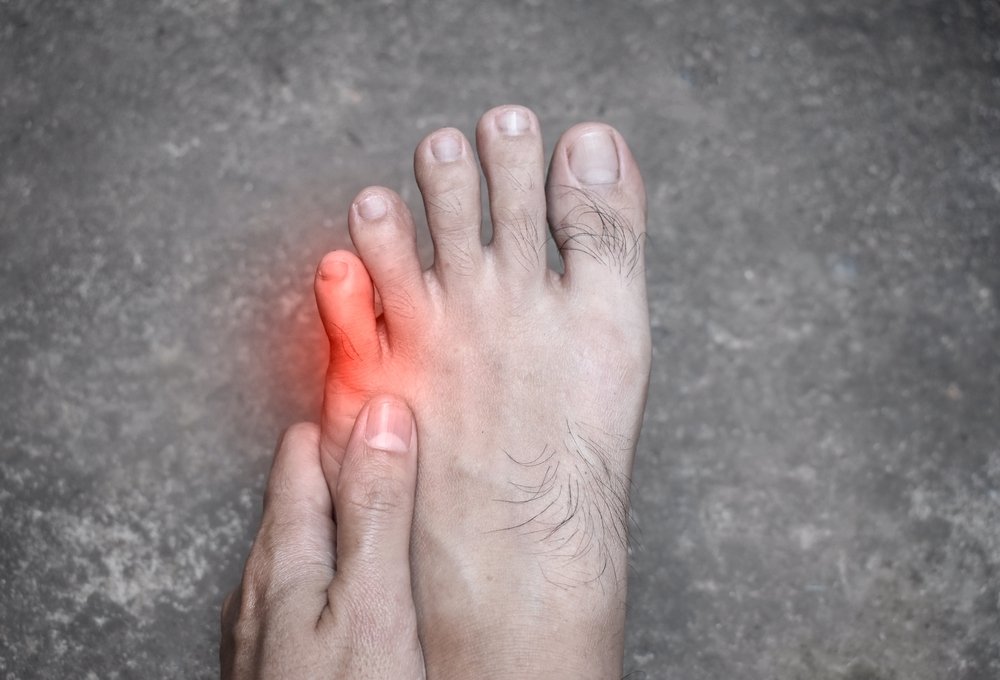
Painful little toe of Asian young man. Caused by stubbed toe, broken toe, ingrown toenail, bunions, corns or ill fitting shoes.
Pinky toe pain usually falls into a few broad categories: injury, footwear pressure, skin irritation, and underlying joint or nerve conditions. Identifying the pattern of your pain helps narrow down the likely cause.
Sudden, sharp pain after an impact often points to a sprain or fracture. Gradual, nagging pain that builds over weeks usually points to shoes, corns, or structural issues like a hammertoe or bunionette.
| Pain Pattern | Likely Cause |
|---|---|
| Sudden pain after stubbing or dropping something | Sprain or fracture |
| Pain only in tight or narrow shoes | Friction, corns, or bunionette |
| Gradual bending or stiffness in the toe | Hammertoe |
| Burning or tingling pain | Nerve compression |
| Swelling with redness and warmth | Gout or infection |
Why the Pinky Toe Is So Prone to Pain
The pinky toe, also called the fifth toe, contains three small bones known as phalanges. These bones are thinner and less supported than the bones in your big toe.
Because it sits on the outer edge of the foot, the pinky toe absorbs sideways impact from furniture, doorframes, and uneven surfaces more often than any other toe.
This structural vulnerability is also why the pinky toe is the most commonly fractured toe in the entire foot.
1. Stubbed Toe or Direct Impact
Stubbing your pinky toe against furniture, a doorway, or a curb is one of the most frequent causes of sudden toe pain. The impact can bruise soft tissue or crack the bone itself.
Many people assume they can still walk normally if the toe is broken, but that is a common myth. Being able to bear weight does not rule out a fracture.
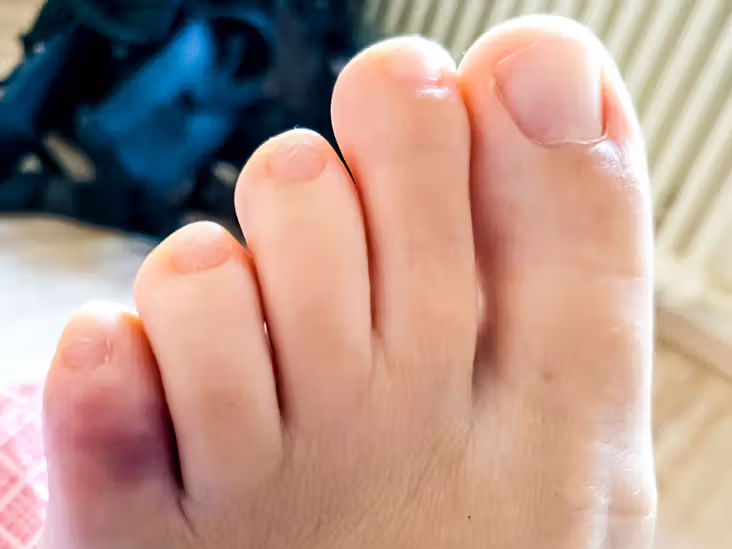
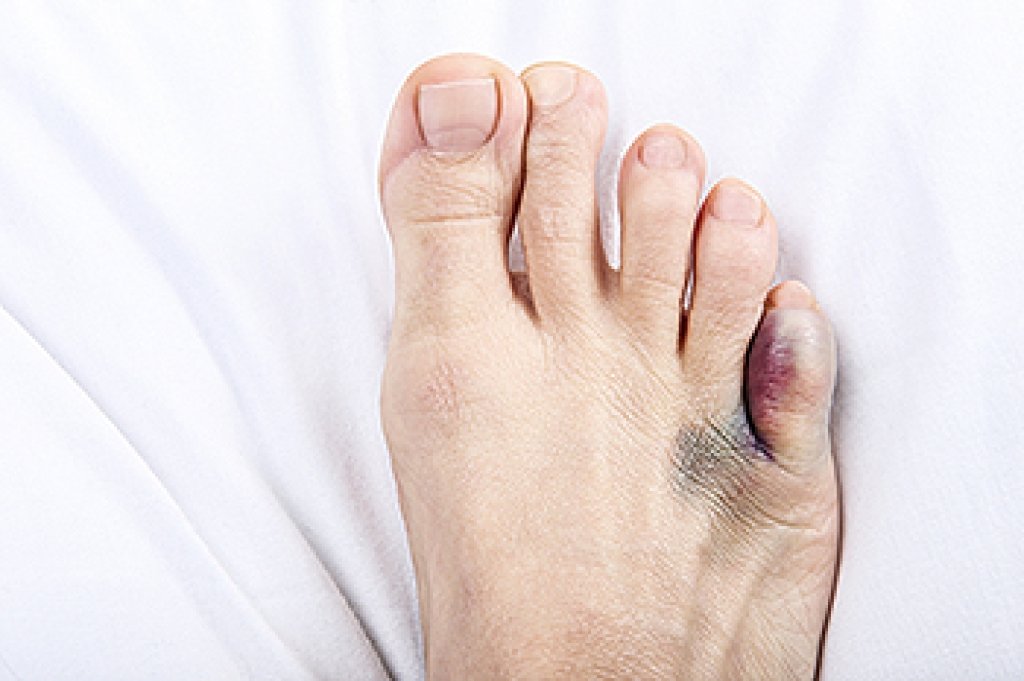
Watch for swelling, bruising, or a popping sound at the moment of injury, since these signs often indicate more than simple soreness.
2. Broken or Fractured Pinky Toe
A true fracture happens when the bone cracks or breaks, often from a direct blow or a heavy object landing on the foot. Stress fractures can also develop slowly from repeated impact during sports or running.
Symptoms of a broken pinky toe include throbbing pain, swelling, bruising under the toenail, and difficulty putting weight on the foot.
If your toe looks crooked, misshapen, or you notice a bone near the skin’s surface, seek medical care right away instead of waiting.
3. Sprained Pinky Toe
A sprain occurs when the ligaments connecting the toe bones stretch or tear, usually from a sideways twist or hyperextension rather than a direct hit.
Sprains and fractures share overlapping symptoms, but sprains often improve noticeably within 24 to 48 hours of rest, ice, and elevation.
Fracture pain tends to sit along the bone itself, while sprain pain is usually felt at the joint or base of the toe.
4. Tight or Ill-Fitting Shoes
Narrow shoes, pointed-toe styles, and high heels are among the leading causes of ongoing pinky toe discomfort. Constant pressure compresses the toe against its neighbors.
This pressure often leads to blisters, redness, and irritation that worsens the longer you continue wearing the same tight footwear.
Switching to shoes with a wider toe box is one of the simplest ways to relieve this type of pain.
5. Corns and Calluses
Repeated friction against shoes causes the skin on the pinky toe to thicken, forming corns or calluses. These thickened areas can become painful when pressure is applied.
Corns typically form on the top or side of the toe, while calluses spread more broadly across the skin.
Padding, moisture-wicking socks, and roomier shoes can reduce friction and prevent these areas from worsening.
6. Bunionette (Tailor’s Bunion)
A bunionette is a bony bump that forms at the base of the pinky toe, similar to a bunion on the big toe but smaller in scale.
This bump can rub against shoes, causing swelling, redness, and discomfort, especially when wearing narrow footwear.
Over time, a bunionette can push the pinky toe inward, changing the shape of the foot and increasing pain during walking.
7. Hammertoe of the Fifth Toe
A hammertoe happens when the toe joint bends abnormally, curling upward and then back down instead of lying flat. This creates pressure points that rub against shoes.
Fifth toe hammertoes often lead to corns, calluses, and chronic irritation if left untreated.
In more advanced cases, the deformity can worsen to the point where surgical correction becomes necessary.
8. Ingrown Toenail
While more common on the big toe, ingrown toenails can also affect the pinky toe. This happens when the nail edge grows into the surrounding skin.
Symptoms include redness, swelling, and tenderness along the nail border, sometimes with visible pus if infection develops.
Soaking the foot and gently lifting the nail edge can help mild cases, but infected or worsening ingrown nails need professional treatment.
9. Gout or Arthritis
Gout is a form of arthritis caused by a buildup of uric acid crystals in the joints. Although it most often affects the big toe, it can also strike the pinky toe.
Symptoms include sudden, intense pain, swelling, redness, and warmth around the joint, often starting at night.
Other forms of arthritis can also cause chronic stiffness and aching in the smaller toe joints over time.
10. Nerve Compression or Neuroma
Nerve irritation between the toes, sometimes called a neuroma, can cause burning, tingling, or numbness that radiates into the pinky toe.
Tight shoes and repetitive pressure are common triggers, since they compress the small nerves running between the toe bones.
This type of pain often feels different from bone or joint pain, described more as an electric or burning sensation than a dull ache.
Table: Pinky Toe Pain Causes and Typical Symptoms
| Cause | Typical Symptoms | Onset |
|---|---|---|
| Fracture | Throbbing pain, bruising, swelling | Sudden |
| Sprain | Joint pain, swelling, improves in 48 hours | Sudden |
| Tight shoes | Redness, blisters, irritation | Gradual |
| Corns/calluses | Thickened, tender skin | Gradual |
| Bunionette | Bony bump, swelling, rubbing pain | Gradual |
| Hammertoe | Curled toe, corns, pressure pain | Gradual |
| Ingrown toenail | Redness, tenderness near nail | Gradual |
| Gout | Sudden intense pain, redness, warmth | Sudden |
| Nerve compression | Burning, tingling, numbness | Gradual |
How to Tell If Your Pinky Toe Is Broken or Just Bruised
Bruising alone usually causes soreness that fades within a few days, while a fracture tends to cause pain that lingers or worsens with pressure.
A grinding or popping sound at the time of injury is a strong sign of a possible fracture rather than simple bruising.
If pain and swelling have not started improving within two to three days, it is a good idea to have the toe evaluated.
Home Treatment for Minor Pinky Toe Pain
Most mild pinky toe injuries respond well to simple home care. The goal is to reduce swelling, protect the toe, and avoid further irritation.
- Rest the foot and avoid activities that cause pain.
- Apply ice wrapped in a towel for up to 20 minutes at a time.
- Elevate the foot, especially during the first two days after injury.
- Take over-the-counter pain relievers like ibuprofen or acetaminophen.
- Wear roomy, stiff-soled shoes to protect the toe while it heals.
Buddy Taping and Toe Support
Buddy taping involves wrapping the injured pinky toe together with the toe next to it for added stability. This technique is commonly recommended for both sprains and stable fractures.
Taping helps limit unnecessary movement while allowing you to continue light daily activities.
Always place a small piece of gauze or padding between the toes before taping to prevent skin irritation.
When to See a Doctor for Pinky Toe Pain
While many cases heal with home care, certain symptoms signal the need for professional evaluation. Ignoring these signs can lead to longer recovery times or lasting complications.
- The toe looks visibly crooked, deformed, or out of alignment.
- You cannot put any weight on your foot.
- Pain and swelling do not improve after two to three days.
- There is an open wound or the bone is visible.
- You notice numbness, tingling, or a cold, discolored toe.
What Happens During a Podiatrist Visit
A podiatrist typically starts with a physical exam, checking for tenderness, swelling, and range of motion in the toe joint.
X-rays are often used to confirm whether the bone is fractured, and in some cases, an MRI may be ordered to check soft tissue damage.
Your doctor will also review any recent trauma, sports activity, or footwear habits that may have contributed to the pain.
Treatment Options Beyond Home Care
When home treatment is not enough, podiatrists may recommend additional interventions based on the underlying cause.
| Condition | Common Medical Treatment |
|---|---|
| Fracture | Buddy taping, stiff-soled shoe, rarely surgery |
| Severe sprain | Splinting, rest, physical therapy |
| Bunionette | Padding, wider shoes, surgery in severe cases |
| Hammertoe | Toe splints, padding, surgical correction if advanced |
| Gout | Anti-inflammatory medication, dietary changes |
| Neuroma | Custom orthotics, injections, surgery if persistent |
Preventing Future Pinky Toe Pain
Choosing the right footwear is the single most effective way to prevent recurring pinky toe pain. Shoes with a wide, rounded toe box reduce pressure on the outer foot.
Avoiding high heels and narrow dress shoes for extended periods can significantly lower your risk of corns, bunionettes, and nerve irritation.
Keeping walkways clear and being mindful around furniture edges can also help prevent sudden stubbing injuries.
Footwear Tips for Healthy Toes
Look for shoes with at least a half-inch of space beyond your longest toe. This extra room reduces friction against the pinky toe during walking.
Soft, flexible materials near the toe box allow natural movement without compressing the smaller toes.
Rotating between different pairs of shoes can also prevent the same pressure points from being irritated day after day.
Athletes and Pinky Toe Injuries
Runners, soccer players, and athletes in turf sports are especially prone to pinky toe injuries due to repetitive impact and quick directional changes.
Stress fractures are common in this group, developing gradually rather than from a single traumatic event.
Proper footwear, gradual training increases, and rest between high-impact sessions can help reduce this risk.
Long-Term Complications If Left Untreated
Ignoring persistent pinky toe pain can lead to chronic discomfort, altered walking patterns, and stress on other parts of the foot.
Untreated fractures may heal improperly, leading to ongoing pain or a permanently misshapen toe.
Structural issues like hammertoes and bunionettes tend to worsen gradually without intervention, sometimes requiring surgery that could have been avoided with earlier care.
Pinky Toe Anatomy: Why This Small Digit Matters
Despite its size, the pinky toe plays a real role in balance and stability. It helps distribute weight across the outer edge of the foot during standing and walking.
The three phalanges in the pinky toe are connected by small ligaments and joints that allow limited but important movement. This mobility helps the foot adapt to uneven surfaces.
When the pinky toe is injured or deformed, the entire foot’s weight distribution can shift, sometimes leading to discomfort in the arch, heel, or other toes.
Pinky Toe Pain in Children vs Adults
Children often experience pinky toe pain from running barefoot or wearing shoes that no longer fit properly as their feet grow quickly.
Because children’s bones are still developing, fractures in younger patients sometimes heal faster but still require proper evaluation to avoid growth-related complications.
Adults, on the other hand, more frequently develop pinky toe pain from long-term footwear habits, structural changes like bunionettes, or age-related joint conditions such as arthritis.
The Role of Diabetes and Circulation in Toe Pain
People with diabetes or circulation problems need to pay extra attention to pinky toe pain, since reduced sensation can mask the severity of an injury.
Poor circulation can also slow healing, making even minor cuts, blisters, or corns more prone to infection.
If you have diabetes and notice any pinky toe pain, discoloration, or a wound that is slow to heal, prompt medical evaluation is strongly recommended.
Diagnostic Tests Podiatrists May Use
Beyond a physical exam, podiatrists rely on several diagnostic tools to pinpoint the exact cause of pinky toe pain and rule out more serious conditions.
| Test | Purpose |
|---|---|
| X-ray | Confirms fractures, bone alignment, and joint damage |
| MRI | Detects soft tissue, ligament, or nerve damage |
| Blood tests | Identifies gout or inflammatory arthritis markers |
| Physical exam | Checks range of motion, tenderness, and swelling patterns |
Recovery Timeline for Common Pinky Toe Injuries
Recovery time varies significantly depending on the underlying cause and how early treatment begins. Minor issues typically resolve much faster than structural conditions.
| Condition | Typical Recovery Time |
|---|---|
| Bruise or mild stub | A few days to one week |
| Sprain | One to three weeks |
| Simple fracture | Four to six weeks |
| Bunionette or hammertoe (non-surgical) | Ongoing management, not a quick fix |
| Post-surgical recovery | Six to eight weeks or longer |
Signs Your Pinky Toe Pain Needs Urgent Care
Most pinky toe pain is not an emergency, but a few warning signs mean you should seek care the same day rather than waiting.
An open wound near broken skin, a toe that has turned pale, blue, or cold, or a foot that feels numb after an injury are all reasons to be seen quickly.
Signs of infection, such as spreading redness, warmth, fever, or pus, also require prompt medical attention rather than home treatment alone.
Frequently Asked Questions (FAQs)
1. Why does my pinky toe hurt when I walk?
Walking pain often comes from tight shoes, a bunionette, or a hammertoe pressing against footwear. It can also indicate a fracture or sprain if the pain started after an injury.
2. How do I know if my pinky toe is broken?
Signs of a break include throbbing pain, swelling, bruising, and a toe that looks crooked or misaligned. An X-ray is the only way to confirm a fracture.
3. Can I still walk on a broken pinky toe?
Yes, many people can walk with a broken pinky toe, so being able to walk does not rule out a fracture. See a doctor if pain persists.
4. What is the fastest way to relieve pinky toe pain at home?
Rest, ice, elevation, and over-the-counter pain relievers usually help within a few days. Buddy taping can also add support and stability.
5. Why does my pinky toe hurt only in certain shoes?
Narrow or pointed shoes compress the pinky toe, leading to friction, corns, or bunionette pain. Switching to wider shoes often resolves this issue.
6. Could gout cause my pinky toe to hurt?
Yes, gout can affect the pinky toe, causing sudden, intense pain along with redness and warmth. It is more common in the big toe but not limited to it.
7. What does nerve pain in the pinky toe feel like?
Nerve-related pain often feels like burning, tingling, or numbness rather than a dull ache. Tight shoes are a common trigger for this type of discomfort.
8. When should I worry about pinky toe swelling?
You should see a doctor if swelling is severe, does not improve in a few days, or comes with redness, warmth, or an inability to bear weight.
9. Can a pinky toe injury affect the rest of my foot?
Yes, an injured pinky toe can change how you walk, placing extra stress on other toes and parts of the foot. This can lead to secondary pain over time.
10. How long does pinky toe pain usually last?
Minor sprains and bruises often improve within a few days to two weeks. Fractures and structural issues like hammertoes may take longer or require professional treatment.
Conclusion
Pinky toe pain can come from something as simple as tight shoes or as significant as a fracture, so paying attention to how the pain started and how it behaves over the following days matters. Sudden pain after an impact, visible deformity, or swelling that will not improve are all signs that a doctor’s evaluation is worth pursuing.
For milder cases, rest, ice, elevation, and better-fitting footwear resolve most discomfort within a week or two. Chronic issues like bunionettes, hammertoes, or nerve irritation tend to respond best to early intervention rather than being ignored.
Understanding why your pinky toe hurts gives you a clearer path toward relief, whether that means a few days of rest or a visit to a podiatrist for a proper diagnosis and treatment plan.


