



Why do I have diarrhea every day? This is one of the most common questions people ask when loose, watery stools become a daily occurrence instead of a one-time upset.
Daily diarrhea is not normal, and it usually signals that something in your gut needs attention. It could be irritable bowel syndrome (IBS), a food intolerance, an infection, a medication side effect, or a more serious digestive disorder.
What Counts as “Diarrhea Every Day”?
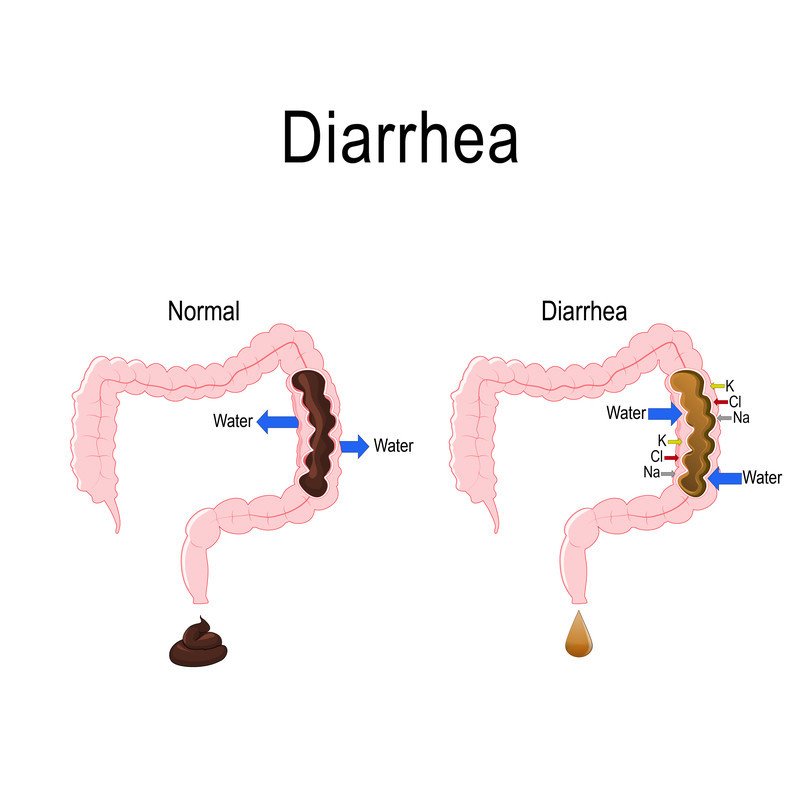
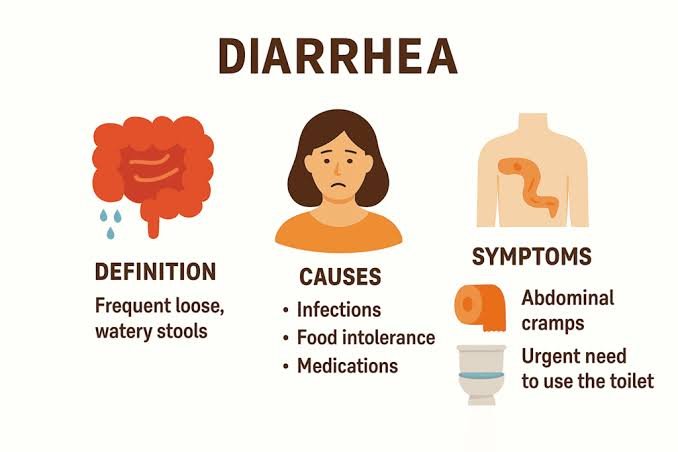
Diarrhea is defined as loose or watery stools that happen more often than usual. When this occurs almost every day for weeks, doctors call it chronic diarrhea.
Chronic diarrhea is different from a short-term stomach bug. A stomach bug usually clears up in a few days on its own.
Doctors generally classify diarrhea into three types based on duration. Acute diarrhea lasts less than two weeks, persistent diarrhea lasts two to four weeks, and chronic diarrhea lasts more than four weeks.
If your symptoms have crossed the four-week mark, it’s a sign your digestive system needs a proper evaluation rather than home remedies alone.
Diarrhea Duration at a Glance
| Type | Duration | Common Cause |
|---|---|---|
| Acute diarrhea | Less than 2 weeks | Virus, food poisoning |
| Persistent diarrhea | 2 to 4 weeks | Lingering infection, parasite |
| Chronic diarrhea | More than 4 weeks | IBS, IBD, food intolerance, medication |
Is It IBS? Understanding IBS-D
IBS with diarrhea, often called IBS-D, is one of the leading reasons people experience loose stools almost every day.
With IBS-D, the colon becomes overly sensitive. It reacts strongly to stress, certain foods, and gut bacteria, causing food to move through the intestines too fast.
This rapid movement leads to cramping, urgency, and watery stools, along with bloating and abdominal pain that often improves after a bowel movement.
Researchers haven’t pinpointed an exact single cause of IBS. It’s more common in women and in adults under 50, and it often runs in families.
Common IBS-D Symptoms
- Abdominal pain linked to the urge to have a bowel movement
- Frequent, loose, or watery stools
- Sudden and urgent need to reach a bathroom
- Bloating and excess gas
- Mucus in the stool
- Symptoms that ease temporarily after passing stool
What Triggers IBS-D Flare-Ups
Certain foods and habits are known to make IBS-D worse. Common triggers include caffeine, alcohol, fried foods, dairy products, and artificial sweeteners like sorbitol.
Stress is another major factor. While stress doesn’t cause IBS by itself, it can significantly worsen symptoms during flare-ups.
Many people also find relief by trying a low-FODMAP diet, which limits hard-to-digest carbohydrates found in certain grains, fruits, and vegetables.
Post-Infectious IBS: A Cause You Might Not Know About
Food poisoning is one of the most overlooked triggers behind long-term diarrhea. Research shows that about 1 in 9 people who get food poisoning go on to develop IBS.
This condition is known as post-infectious IBS. It happens when a bacterial toxin damages the gut lining, disrupting normal digestion long after the original infection has cleared.
Many people don’t even remember the food poisoning episode that started it. Symptoms can appear weeks, months, or even years later.
If you had a stomach bug or traveler’s diarrhea in the past and now deal with ongoing loose stools, post-infectious IBS may be worth discussing with your doctor.
Beyond IBS: Other Reasons You Might Have Diarrhea Every Day
IBS isn’t the only explanation for daily diarrhea. Several other conditions can cause similar symptoms, and each requires a different treatment approach.
Inflammatory Bowel Disease (IBD)
IBD includes Crohn’s disease and ulcerative colitis. Unlike IBS, IBD causes actual inflammation and damage to the digestive tract lining.
Symptoms often include persistent diarrhea, abdominal pain, unexplained weight loss, and sometimes blood in the stool.
Crohn’s disease can affect any part of the digestive tract from mouth to anus, while ulcerative colitis is limited to the colon and rectum.
Celiac Disease
Celiac disease is an autoimmune condition triggered by gluten, a protein found in wheat, barley, and rye.
When someone with celiac disease eats gluten, their immune system attacks the small intestine lining, leading to diarrhea, bloating, and poor nutrient absorption.
Blood tests and a small intestine biopsy are typically used to confirm this diagnosis.
Food Intolerances
Lactose intolerance is one of the most common food-related causes of daily diarrhea. The body can’t properly digest lactose, the sugar found in dairy products.
Fructose intolerance works similarly, causing bloating and loose stools after eating certain fruits, honey, or high-fructose foods.
Cutting out the trigger food for a couple of weeks often reveals whether an intolerance is behind your symptoms.
Microscopic Colitis
Microscopic colitis is a lesser-known condition that causes chronic watery diarrhea, especially in older adults and women.
It can only be diagnosed through a colon biopsy, since the colon often looks normal during a standard colonoscopy.
Chronic Infections
Parasites like Giardia, and bacteria such as C. difficile, can cause diarrhea that lingers for weeks or months.
These infections are more common after recent travel, antibiotic use, or exposure to contaminated food or water.
Medications That Cause Diarrhea
Certain medications list diarrhea as a common side effect, and daily use can lead to daily symptoms.
| Medication Type | Examples |
|---|---|
| NSAIDs | Aspirin, ibuprofen |
| Antibiotics | Amoxicillin, cephalexin |
| Proton pump inhibitors | Omeprazole, esomeprazole |
| Antidepressants (SSRIs) | Fluoxetine, sertraline |
| Supplements | High-dose vitamin C, magnesium |
If you started a new medication around the same time your symptoms began, this connection is worth mentioning to your doctor.
IBS vs IBD vs Other Causes: A Quick Comparison
| Feature | IBS-D | IBD | Food Intolerance |
|---|---|---|---|
| Tissue damage | No | Yes | No |
| Blood in stool | Rare | Common | Rare |
| Weight loss | Uncommon | Common | Sometimes |
| Trigger | Stress, food, gut sensitivity | Immune dysfunction | Specific foods |
| Diagnosis method | Symptom-based | Colonoscopy, biopsy | Elimination diet, blood tests |
How Doctors Diagnose the Cause of Daily Diarrhea
There’s no single test that confirms IBS. Doctors typically diagnose it by reviewing your symptom history and ruling out other conditions first.
If your doctor suspects something more serious, they may order blood tests to check for celiac disease or inflammation markers.
A colonoscopy is often used to look for signs of IBD, abnormal growths, or other structural problems in the colon.
Stool tests can also identify infections, parasites, or signs of inflammation that point toward IBD rather than IBS.
Warning Signs You Should Never Ignore
Most causes of chronic diarrhea are manageable, but some symptoms mean you need medical attention right away.
Red Flag Symptoms
- Blood or dark, tarry stool
- Unintended and significant weight loss
- Severe or worsening abdominal pain
- Signs of dehydration, like dizziness or dark urine
- Diarrhea lasting more than seven days without improvement
- Fever alongside digestive symptoms
If you notice any of these signs, don’t wait it out. Chronic diarrhea with these symptoms can point to a more serious underlying condition.
Why Daily Diarrhea Shouldn’t Be Ignored
Diarrhea that happens every day puts real strain on your body. Your intestines lose fluids and electrolytes faster than they can be replaced.
Over time, this can lead to dehydration, fatigue, and even kidney stress if left untreated.
Daily diarrhea also affects quality of life. It can limit travel, disrupt work, and create constant anxiety about finding a bathroom in time.
How to Manage and Treat Ongoing Diarrhea
Treatment depends entirely on the underlying cause, which is why an accurate diagnosis matters more than guessing.
Dietary Changes
A low-FODMAP diet is often recommended for IBS-D, since it removes hard-to-digest carbohydrates that trigger symptoms.
Keeping a food diary helps identify specific trigger foods, whether it’s dairy, gluten, caffeine, or artificial sweeteners.
Hydration and Electrolytes
Since diarrhea drains fluids quickly, drinking six to eight glasses of water daily is essential to prevent dehydration.
Oral rehydration solutions can help replace lost sodium and potassium during flare-ups.
Medications
Anti-diarrheal medications can offer short-term relief, but they don’t address the root cause of chronic symptoms.
For IBS-D specifically, doctors may prescribe medications that slow bowel contractions or reduce gut sensitivity.
For IBD, anti-inflammatory drugs or immune-modulating medications are typically required under specialist care.
Stress Management
Since stress can worsen IBS-D symptoms, therapy approaches like cognitive behavioral therapy (CBT) and biofeedback are often recommended.
Regular exercise, adequate sleep, and relaxation techniques can also reduce how often flare-ups occur.
Probiotics
Some research suggests probiotics may help restore healthy gut bacteria and ease diarrhea in certain individuals, especially after infections or antibiotic use.
Results vary from person to person, so it’s worth discussing with your doctor before starting a supplement.
When to See a Doctor
You should schedule a doctor’s visit if diarrhea lasts longer than a few weeks, even without alarming symptoms.
See a doctor sooner if you notice blood in your stool, unexplained weight loss, severe pain, or signs of dehydration.
A gastroenterologist can run targeted tests to distinguish between IBS, IBD, celiac disease, and other possible causes.
Frequently Asked Questions (FAQs)
Why do I have diarrhea every single day?
Daily diarrhea is often caused by IBS-D, food intolerances, or a chronic gut condition. It can also result from medications or an ongoing infection.
Is daily diarrhea always IBS?
No, IBS is common but not the only cause. IBD, celiac disease, and infections can produce very similar daily symptoms.
How long is too long for diarrhea to last?
Diarrhea lasting more than four weeks is considered chronic. At that point, it’s best to see a doctor for proper testing.
Can stress alone cause diarrhea every day?
Stress doesn’t directly cause diarrhea, but it can trigger or worsen symptoms in people who already have IBS.
What foods make daily diarrhea worse?
Caffeine, alcohol, fried foods, dairy, and artificial sweeteners are common triggers that can worsen loose stools.
Can diarrhea every day be a sign of cancer?
It’s rare, but persistent diarrhea with weight loss or blood in stool should always be checked to rule out serious conditions.
Does drinking more water help chronic diarrhea?
Yes, staying hydrated helps prevent dehydration, though it won’t treat the underlying cause of the diarrhea itself.
What is the difference between IBS and IBD?
IBS doesn’t damage the gut lining, while IBD causes real inflammation and tissue damage in the digestive tract.
Can food poisoning cause diarrhea months later?
Yes, post-infectious IBS can develop after food poisoning, sometimes appearing weeks or even years after the original illness.
Should I take anti-diarrheal medicine every day?
Daily use isn’t recommended without a doctor’s guidance, since it only masks symptoms rather than treating the cause.
Conclusion
Asking “why do I have diarrhea every day” is the right first step toward feeling better. Daily diarrhea usually points to IBS-D, but it can also stem from IBD, celiac disease, food intolerances, infections, or medication side effects.
Each cause requires a different approach, which is why guessing rarely works long term. Paying attention to your triggers, keeping track of symptoms, and staying hydrated can help in the short term.
But chronic diarrhea lasting more than a few weeks deserves a proper medical evaluation, especially if you notice blood, weight loss, or severe pain.
With the right diagnosis, most causes of chronic diarrhea can be managed effectively, helping you get back to a normal, comfortable daily routine without constantly worrying about your next bathroom trip.


