


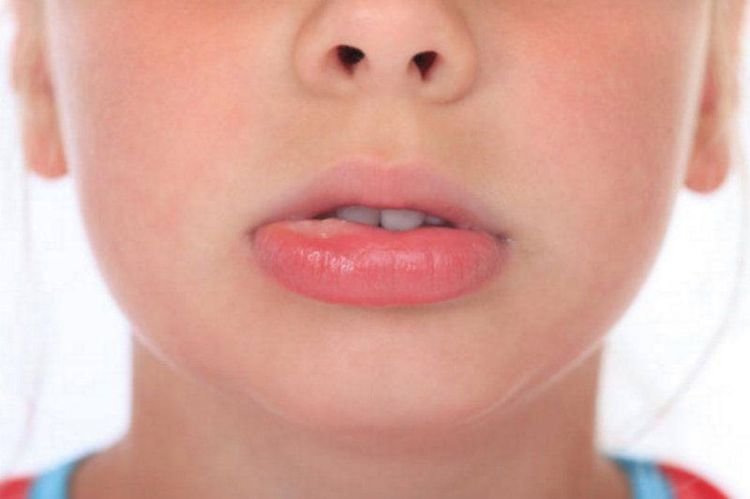
Why is my lip swollen on one side? This is one of the most searched health questions, and the answer usually comes down to a handful of common triggers.
A swollen lip on just one side almost always points to something local — an injury, a bite, a cyst, or an allergic reaction affecting that exact spot.
Sometimes it is harmless and fades in a day. Other times it signals something that needs quick medical attention, like angioedema or a facial nerve issue.
Why Your Lip Swells on Only One Side?
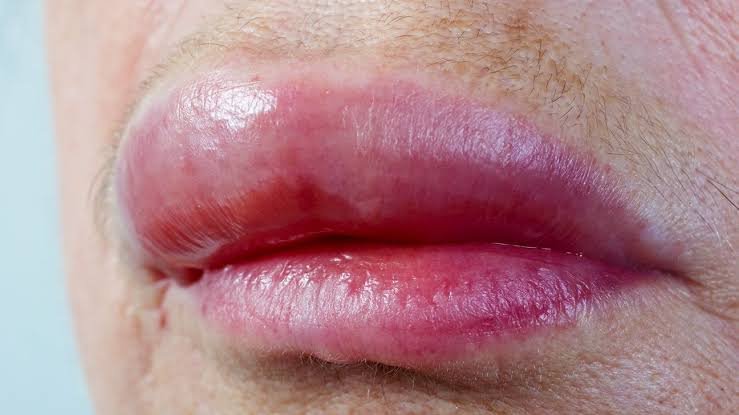
Lip swelling that shows up on one side rather than both usually means the cause is localized rather than systemic.
A whole-lip or both-lips swelling often points toward allergies or systemic reactions. A one-sided swelling instead suggests trauma, infection, a cyst, or a bite in that exact area.
Doctors call this a “unilateral” presentation, and it is a useful clue when narrowing down what caused the swelling.
Quick Comparison Table
| Pattern of Swelling | Likely Cause | Urgency Level |
|---|---|---|
| One side only, sudden | Injury, insect bite, cold sore | Low to Moderate |
| One side only, painful lump | Abscess, cyst, mucocele | Moderate |
| Both lips, sudden | Allergic reaction, angioedema | High |
| One side with facial drooping | Bell’s palsy or stroke | Emergency |
| Gradual, one side, recurring | Melkersson-Rosenthal syndrome | Moderate |
Common Reasons Your Lip Is Swollen on One Side
1. Lip Injury or Trauma
Biting your lip while eating, a fall, a sports collision, or a bump against a hard object can all cause swelling only where the impact happened.
The swelling from trauma usually appears within minutes to hours and may include mild bruising or a small cut.
This type of swelling typically peaks within the first day and starts improving with simple cold compresses.
2. Insect Bites or Stings
A mosquito bite, bee sting, or spider bite near the lip can cause swelling that stays confined to one small area.
Insect-related swelling often comes with itching, redness, and a visible bite mark at the center of the swollen spot.
If swelling spreads rapidly or breathing feels affected, this could be turning into a serious allergic reaction and needs urgent care.
3. Cold Sores (Herpes Simplex Virus)
Cold sores almost always appear on one side of the lip and start with tingling before blisters form.
The area becomes swollen, red, and slightly painful before small fluid-filled blisters break out and eventually crust over.
Cold sores are contagious, so avoid touching or sharing utensils until the blisters have fully healed.
4. Allergic Reaction (Localized)
While allergies often swell both lips, a small localized allergic reaction — like lip balm irritation or contact with a specific food — can affect just one side.
Common triggers include new lipstick, lip balm, toothpaste, certain fruits, or spicy foods touching one part of the lip.
Mild antihistamines and avoiding the trigger usually resolve this within a day or two.
5. Angioedema
Angioedema is deep swelling under the skin and is a well-known reason lips swell suddenly, sometimes unevenly on one side before spreading.
It is swelling in the tissue under the skin, and it’s most common in the lips, eyelids, tongue, genitals, hands, and feet.
Causes include allergies, medication side effects, vibrations, inherited gene changes, and certain health conditions.
If swelling spreads to the throat or affects breathing, this becomes a medical emergency requiring immediate care.
6. Dental Abscess or Infection
An infected tooth or gum abscess near the front of the mouth commonly causes swelling on the corresponding side of the lip.
This type of swelling is usually accompanied by throbbing pain, sensitivity to temperature, and sometimes a bad taste in the mouth.
A dentist can drain the infection and prescribe antibiotics to bring the swelling down.
7. Mucocele or Salivary Duct Cyst
A mucocele forms when a small salivary gland duct gets blocked or injured, creating a soft, fluid-filled bump usually on the inner lip.
These bumps are usually painless, feel like a small water balloon, and can appear after accidentally biting the lip.
Many mucoceles resolve on their own, but persistent ones may need a small in-office procedure for removal.
8. Lip Abscess
A lip abscess is a pocket of pus caused by bacteria entering through a small wound, crack, or irritated area of skin.
Bacterial infections can cause swelling without abscess formation, especially in people with weakened immune systems.
Abscesses often need drainage plus antibiotics, so a same-week doctor visit is recommended if the lump grows or becomes painful.
9. Cellulitis
Cellulitis is a bacterial skin infection that can affect any part of the body, including one side of the lip.
It typically causes warmth, redness, tenderness, and swelling that can spread quickly if left untreated.
Oral or IV antibiotics are usually required, so cellulitis should never be treated with home remedies alone.
10. Cosmetic Fillers or Recent Injections
If you have recently had lip filler, Botox, or another cosmetic injection, uneven swelling on one side is a common and usually temporary side effect.
Swelling from fillers typically peaks within 24 to 48 hours and settles within a week.
Applying gentle ice and avoiding excessive touching of the area helps the swelling go down faster.
11. Sun, Wind, or Cold Exposure
Extended time outdoors in strong sun, wind, or cold weather can cause localized irritation and puffiness on the more exposed side of the lip.
This is common after outdoor sports, hiking, or long drives with a window down on one side of the face.
Lip balm with SPF and a hydrating ointment usually calms this type of swelling within a day.
12. Bell’s Palsy or Stroke Warning Signs
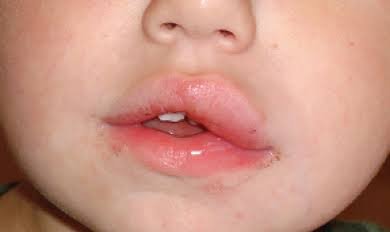
Sometimes what looks like lip swelling on one side is actually facial drooping caused by a nerve or brain-related issue.
Bell’s palsy is caused by inflammation or damage to the facial nerve, resulting in temporary facial muscle paralysis with drooping on one side and difficulty moving the lips.
A stroke can cause similar one-sided facial drooping along with slurred speech and weakness, and it is a medical emergency requiring immediate intervention.
If you notice drooping, drooling, or slurred speech along with lip changes, call emergency services immediately.
13. Melkersson-Rosenthal Syndrome
This is a rare neurological condition that causes recurring facial and lip swelling, sometimes favoring one side more than the other.
Melkersson-Rosenthal syndrome tends to cause swelling of the upper lip and is believed to be genetic, with flare-ups that can happen days or years apart.
Because it is rare and recurring, a specialist evaluation is usually needed for a confirmed diagnosis.
14. Embouchure Strain (Musicians)
Musicians who play brass or wind instruments for long hours can develop one-sided lip swelling from repeated pressure on the mouthpiece.
The strain on the mouth muscles from hours of pursed-lip playing can leave the lips swollen and numb.
Resting the lips and reducing playing time usually allows the swelling to settle within a few days.
Upper Lip vs Lower Lip Swelling on One Side
The location of the swelling can offer another useful clue about the underlying cause.
Certain medical conditions preferentially affect one lip over the other, with Melkersson-Rosenthal syndrome often causing upper lip swelling.
Lower lip swelling is more commonly linked to trauma, since the lower lip absorbs most impact during falls, bites, or blows to the face.
When lip swelling results from trauma such as a blow, cut, or blunt force, the lip that absorbs the majority of the impact will show the most significant swelling.
Why This Distinction Matters
Knowing which lip is affected helps a doctor narrow down whether the cause is structural, allergic, infectious, or neurological.
It also helps you decide how urgently to seek care, since upper lip and eye area swelling can sometimes signal angioedema spreading toward the airway.
One-Sided Lip Swelling in Children
Kids often develop one-sided lip swelling after falls, lip biting during play, or accidental bumps against furniture.
Insect bites and mild food reactions are also common in children, especially after outdoor play or trying new foods.
Because children cannot always describe their symptoms clearly, watch for fussiness, refusal to eat, or touching the swollen area repeatedly.
Any swelling in a child that spreads quickly, affects breathing, or comes with a rash should be treated as an emergency.
Waking Up With a Swollen Lip on One Side
Many people notice one-sided lip swelling specifically after sleeping, which raises different possibilities than daytime swelling.
A swollen lip is the result of either inflammation or fluid build-up in the tissue, and this can develop over several hours while you sleep with no obvious cause the night before.
Sleeping in an uncomfortable position or against a hard surface can put pressure on the lip, causing temporary swelling that appears after waking up.
If you wake up with unexplained one-sided swelling regularly, consider whether your sleep position, pillow, or nighttime teeth grinding could be contributing.
Symptoms Checklist: What to Track
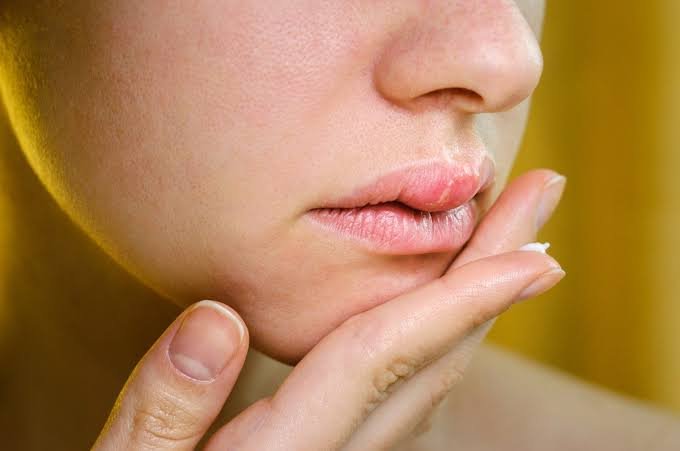
Keeping a simple symptom log makes it much easier for a doctor to identify the cause of your swelling quickly.
| What to Track | Why It Matters |
|---|---|
| Time swelling started | Helps identify allergy vs slow-onset causes |
| Pain level (0 to 10) | Higher pain often suggests infection or abscess |
| Recent foods or products used | Identifies possible allergic triggers |
| Any injury in the past 24 hours | Confirms or rules out trauma |
| Fever or feeling unwell | Suggests infection needing antibiotics |
| Breathing changes | Signals a medical emergency |
Related Searches People Also Ask
Many people searching “why is my lip swollen on one side” also want to know about swelling with no pain, swelling after sleeping, or swelling that appears out of nowhere.
These variations usually point to the same core causes covered above — trauma, allergy, infection, or a cyst — but the timing and pain level help narrow things down faster.
If your swelling matches a pattern that worries you, it is always safer to get a same-day evaluation rather than waiting to see if it resolves.
How Doctors Diagnose the Cause
Doctors usually start with a visual exam, checking whether the swelling is soft, firm, painful, or accompanied by a rash.
They will ask about recent food, medication, insect exposure, dental work, or facial injury to narrow down the cause.
A healthcare professional will examine the swollen area and ask about symptoms to determine if further tests are needed.
In more complex or recurring cases, blood tests, allergy testing, or imaging may be ordered to rule out deeper conditions.
Home Remedies for a Swollen Lip
Most mild, one-sided lip swelling responds well to simple home care within the first 24 to 48 hours.
Cold Compress
Applying a cold compress or ice wrapped in a cloth directly on the swollen area for short periods can help reduce swelling.
Avoid placing ice directly on bare skin, since this can cause additional irritation or minor frostbite.
Stay Hydrated
Drinking plenty of water helps the body stay hydrated and may prevent swelling from getting worse due to dry lips.
Dehydrated lips are more prone to cracking, which can invite further irritation and swelling.
Over-the-Counter Antihistamines
For mild allergic reactions causing lip swelling, over-the-counter antihistamines can be effective in reducing symptoms.
Always follow the dosing instructions on the label and check with a pharmacist if you take other medications.
Avoid Known Triggers
If you suspect a food, lip product, or medication caused the swelling, stop using or eating it immediately.
Keeping a simple log of what you ate, touched, or applied before the swelling started can help identify the exact trigger.
Table: Home Remedy Options by Cause
| Cause | Recommended Home Remedy | When to Avoid Self-Treatment |
|---|---|---|
| Minor injury or bite | Cold compress, rest | Deep cuts or heavy bleeding |
| Mild allergy | Antihistamine, avoid trigger | Difficulty breathing |
| Cold sore | Antiviral cream, avoid touching | Spreading to eye area |
| Sunburn or windburn | Aloe gel, SPF lip balm | Blistering or severe pain |
| Filler swelling | Ice, gentle care | Uneven lumps after a week |
When One-Sided Lip Swelling Becomes an Emergency
If your lips, mouth, throat, or tongue suddenly become swollen, or you are breathing very fast or struggling to breathe, this can be a sign of a serious allergic reaction needing immediate hospital treatment.
If you wake up with one side of your mouth drooping, excessive drooling, or trouble speaking, this could be a symptom of a stroke or Bell’s palsy, and you should call emergency services immediately.
Rapidly spreading redness, fever, or pus draining from the swollen area are also signs of an infection that needs urgent medical treatment.
Foods and Products That Commonly Trigger One-Sided Swelling
Certain everyday items are repeat offenders when it comes to localized lip reactions, especially when they touch only one part of the mouth.
Peanuts, shellfish, eggs, and tree nuts are common food triggers, and even trace amounts can cause swelling in people with severe allergies.
Certain antibiotics and NSAIDs such as ibuprofen can also cause allergic swelling as a medication reaction.
New lip balms, lipsticks, toothpaste flavors, and even dental floss can irritate one side of the lip if contact is uneven.
Table: Common Triggers and Onset Time
| Trigger | Typical Onset | Usual Duration |
|---|---|---|
| Food allergy | Minutes to 2 hours | A few hours to 1 day |
| Insect bite or sting | Minutes | 1 to 3 days |
| New lip product | Hours | 1 to 2 days |
| Medication reaction | Hours to weeks | Until medication is stopped |
| Dental infection | Gradual, over days | Until treated |
Does Stress or Anxiety Cause Lip Swelling?
Stress and anxiety can lead to habits like lip biting or inflammation from tension, which can potentially cause swelling.
People under stress may unconsciously bite, chew, or press their lips against their teeth, leading to localized irritation on one side.
Breaking the habit through awareness or a mouth guard at night can help prevent repeated swelling episodes.
Lip Swelling After Dental Work
Recent dental procedures such as injections, extractions, or root canals often cause temporary swelling limited to one side of the mouth.
This type of swelling is a normal part of the healing process and usually peaks within the first day or two after the procedure.
If swelling from a dental procedure worsens after 48 hours or comes with fever, contact your dentist right away, since this may indicate an infection.
Comparing Mild vs Serious Causes at a Glance
Not every swollen lip needs a trip to the emergency room, but knowing the difference between mild and serious causes saves unnecessary worry.
Mild Causes
Minor trauma, small insect bites, mild food or product irritation, and short-term dehydration typically fall into the mild category.
These cases usually respond to home care within one to three days without needing medication.
Serious Causes
Angioedema, anaphylaxis, cellulitis, dental abscesses, and neurological issues like Bell’s palsy or stroke fall into the serious category.
These cases need prompt medical evaluation because delays can allow the underlying problem to worsen or spread.
Tips for Faster Healing
Gentle care in the first 48 hours makes a noticeable difference in how quickly one-sided lip swelling goes down.
Avoid picking, popping, or repeatedly touching the swollen area, since this can introduce bacteria and delay healing.
Eating soft, cool foods and avoiding spicy or acidic items reduces irritation while the swelling settles.
Getting enough sleep and staying hydrated supports your body’s natural healing and immune response during recovery.
Preventing Future One-Sided Lip Swelling
Identifying and avoiding your personal triggers is the most effective way to prevent repeat episodes of lip swelling.
Wearing SPF lip balm, staying hydrated, treating dental issues early, and being cautious with new cosmetic products all reduce the risk significantly.
If you have a known allergy, carrying an antihistamine or an epinephrine auto-injector, if prescribed, can prevent a mild reaction from becoming severe.
Frequently Asked Questions (FAQs)
Why is my lip swollen on one side but not painful?
Painless one-sided swelling is often a mucocele, mild allergic reaction, or early cold sore before blisters form. Monitor it for a day or two before seeking care.
Can stress cause one-sided lip swelling?
Yes, stress can lead to lip biting or muscle tension that irritates one side of the lip. This usually settles once the habit stops.
How long does a swollen lip from an injury usually last?
Most trauma-related swelling peaks within 24 hours and fades within 2 to 3 days. Ice and rest speed up recovery.
Is one-sided lip swelling always an allergic reaction?
No, allergic reactions usually swell both lips evenly. One-sided swelling more often points to injury, infection, or a cyst.
When should I worry about a swollen lip?
Worry if swelling spreads fast, affects breathing, or comes with facial drooping. These need emergency medical attention right away.
Can a tooth infection cause my lip to swell on one side?
Yes, an abscessed tooth commonly causes swelling on the same side of the face and lip. A dentist visit is needed to treat it.
Does a cold sore always swell before blisters appear?
Yes, most cold sores start with tingling and swelling before visible blisters form a day or two later. This is a normal part of the outbreak.
Can lip fillers cause swelling on just one side?
Yes, uneven swelling after filler injections is common and usually resolves within a week. Persistent asymmetry should be checked by the injector.
Should I pop a swollen bump on my lip?
No, popping a swollen bump can spread infection or cause scarring. Let a doctor evaluate and treat it properly instead.
Can dehydration cause my lip to swell unevenly?
Yes, severe dryness and cracking can cause localized swelling, especially if one side gets more sun or wind exposure. Hydrating and using lip balm usually helps quickly.
Conclusion
A swollen lip on one side is usually caused by something simple and treatable, like an injury, insect bite, cold sore, or mild allergic reaction. These cases typically improve within a few days with cold compresses, hydration, and avoiding known triggers.
However, some causes — including angioedema, dental abscesses, cellulitis, Bell’s palsy, or stroke — need prompt medical attention because they can worsen quickly or affect breathing and facial function.
Paying attention to accompanying symptoms like pain, fever, drooping, or difficulty breathing helps you decide whether home care is enough or a doctor visit is necessary.
If your swelling does not improve within 48 hours, keeps recurring, or comes with any warning signs mentioned above, do not wait it out. Getting the right diagnosis early makes treatment easier and prevents complications, so when in doubt, always reach out to a healthcare professional for a proper evaluation.


