


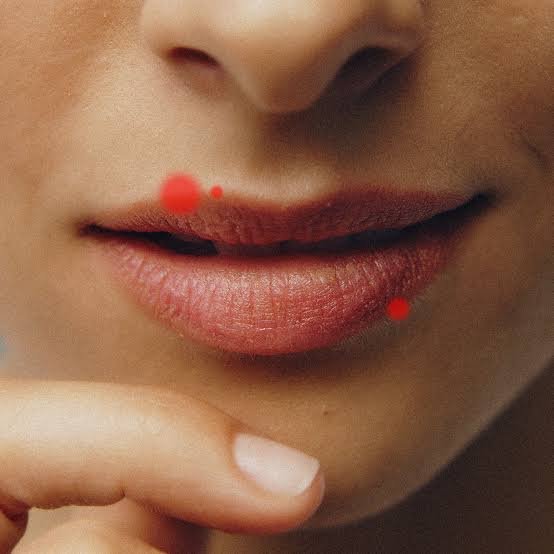
Why do I have a bump on my lip is a common question, since lip bumps can range from a harmless pimple to a cold sore, cyst, or something that needs a doctor’s attention.
Most lip bumps fall into a small number of categories, each with distinct symptoms, causes, and treatment paths.
Overview: What Could a Bump on Your Lip Be
A bump on your lip can come from a viral infection, a blocked gland, an allergic reaction, or simple skin irritation. Most causes are harmless and temporary.
The location, texture, color, and pain level of the bump all provide important clues about the underlying cause.
Quick Overview Table: Bump on Lip Basics
| Question | Quick Answer |
|---|---|
| Most common cause | Cold sore (HSV-1) |
| Most common painless bump | Mucocele (mucous cyst) |
| Is it usually serious | Rarely, but should be monitored |
| Typical healing time | 1 to 3 weeks depending on cause |
| When to see a doctor | Persistent, growing, or bleeding bumps |
Cold Sores: The Most Common Cause
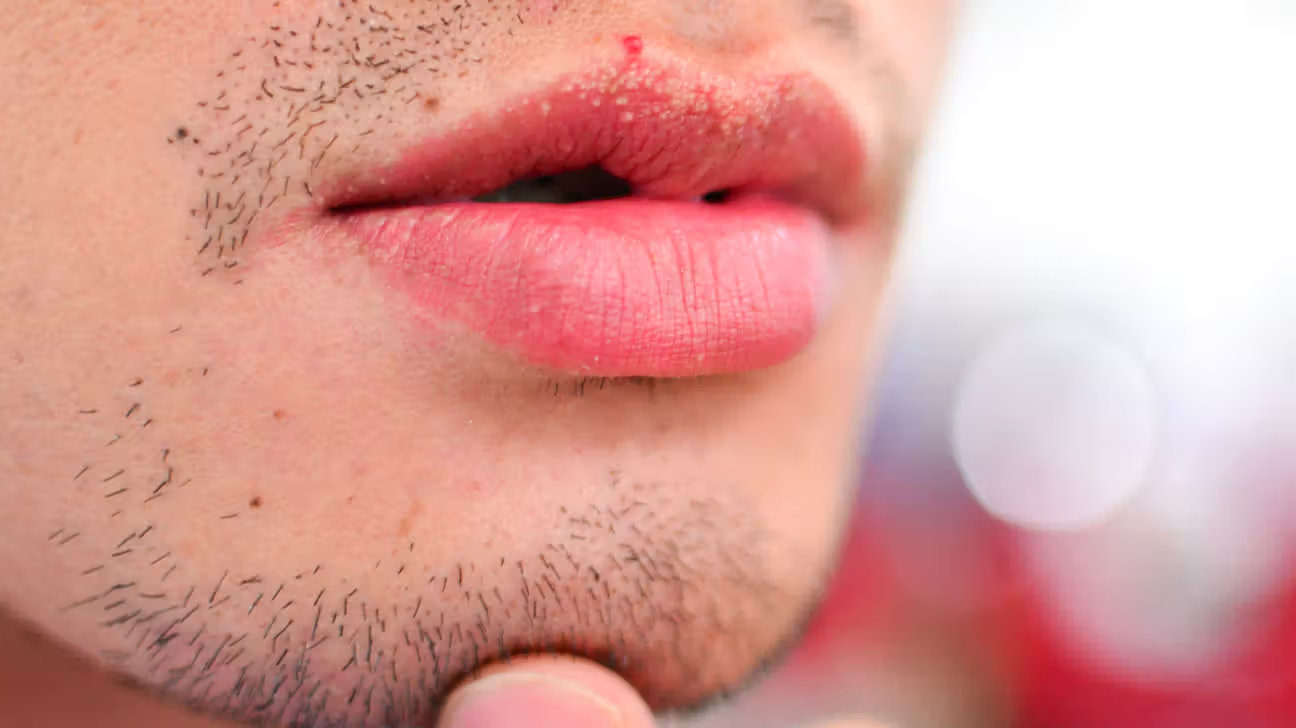
Cold sores, also called fever blisters, are one of the most frequent reasons for a bump on the outer edge of the lip.
What Causes Cold Sores
Cold sores are caused by the herpes simplex virus type 1 (HSV-1). Once you are infected, the virus stays in your body and can reactivate periodically.
Common triggers for reactivation include stress, illness, sun exposure, hormonal changes, or a weakened immune system.
What Cold Sores Look Like
Cold sores typically begin as small, red, fluid-filled blisters that often appear in a cluster. They can be painful, especially before they crust over.
A tingling or burning sensation often occurs a day or two before the blister actually appears, giving an early warning sign.
Are Cold Sores Contagious
Yes, cold sores are highly contagious, especially while the blister is open and weeping fluid. They spread through direct contact, shared utensils, or kissing.
Avoiding close contact while a cold sore is active can help prevent spreading the virus to others.
Cold Sore Treatment
Antiviral medications can help reduce the severity and duration of a cold sore outbreak. Over-the-counter creams may also provide relief from discomfort.
Most cold sores heal on their own within 7 to 10 days, even without treatment.
Mucous Cysts (Mucoceles): The Most Common Painless Bump
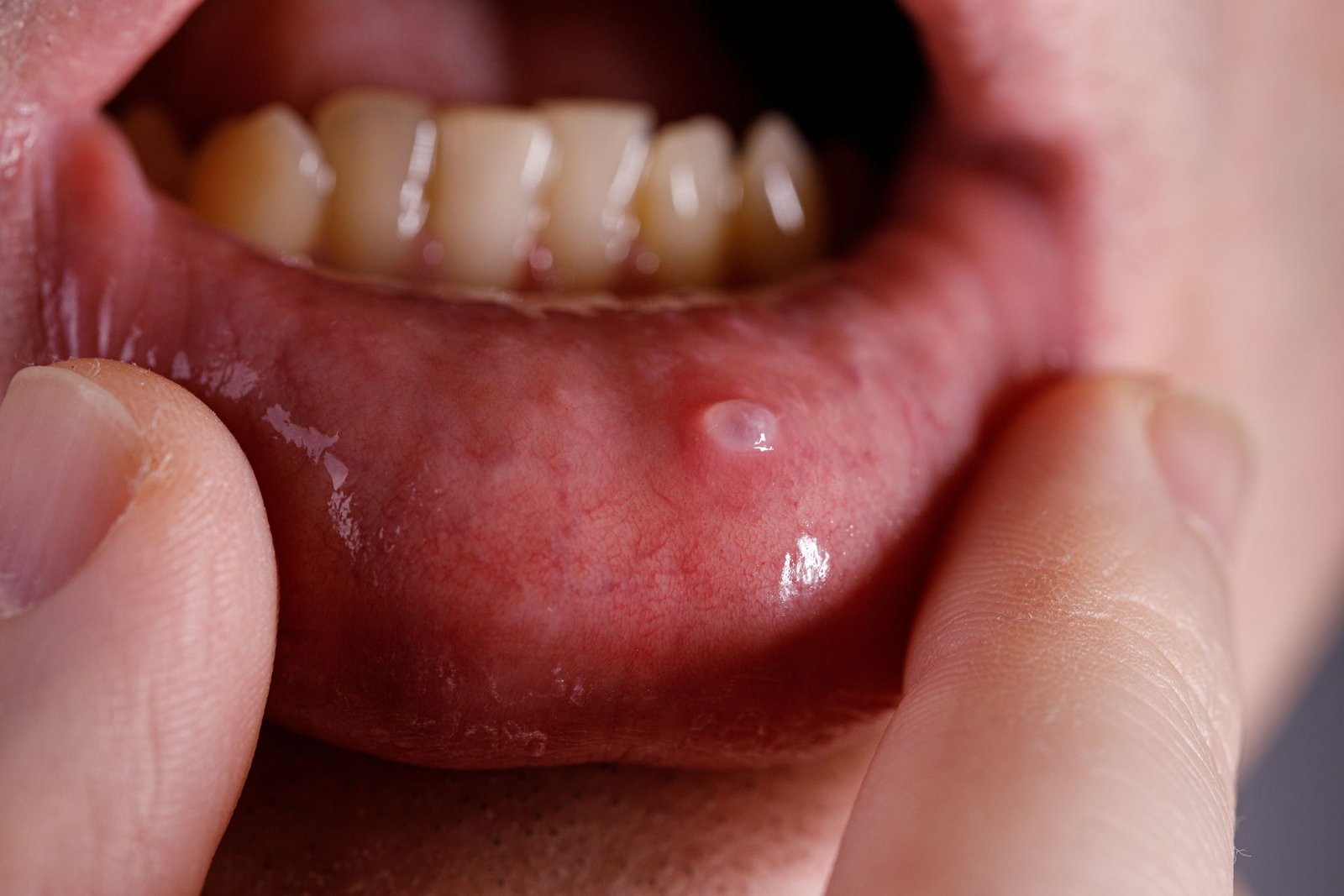
A mucocele, also called a mucous cyst, is one of the most common painless bumps found on the inside of the lower lip.
What Causes a Mucocele
Mucoceles form when a salivary gland becomes blocked or damaged, often from biting or sucking on the lip. Saliva builds up under the skin instead of draining normally.
Lip piercings and general dental trauma can also contribute to mucocele formation in some cases.
What a Mucocele Looks Like
A mucocele typically appears as a smooth, round, painless bump ranging from about 1 to 15 millimeters. It can look bluish, translucent, or match your normal lip color.
They are most common in people under 30, with the highest occurrence between ages 10 and 20.
Do Mucoceles Go Away on Their Own
Most mucoceles resolve on their own within three to six weeks once the underlying irritation, like lip biting, stops. Popping or draining it yourself is not recommended.
If a mucocele is deep, recurring, or bothersome, a doctor can remove it through minor surgery, freezing, or laser treatment.
Table: Cold Sore vs Mucocele Comparison
| Feature | Cold Sore | Mucocele |
|---|---|---|
| Cause | Herpes simplex virus (HSV-1) | Blocked salivary gland |
| Location | Outer edge of lip | Usually inner lower lip |
| Pain level | Often painful | Usually painless |
| Contagious | Yes | No |
| Typical healing | 7 to 10 days | 3 to 6 weeks |
Canker Sores: Often Confused With Cold Sores
Canker sores are frequently mistaken for cold sores, but they have very different causes and characteristics.
What Causes Canker Sores
Canker sores are not caused by a virus and are not contagious. They are linked to minor mouth injuries, stress, certain foods, or hormonal changes.
What Canker Sores Look Like
Canker sores appear as small, round or oval ulcers with a white or yellow center and a red border. They typically form on soft tissue inside the mouth.
How Long Canker Sores Last
Most canker sores heal within one to two weeks without treatment. Topical ointments and mouth rinses can help speed up healing and reduce discomfort.
Table: Cold Sore vs Canker Sore Comparison
| Feature | Cold Sore | Canker Sore |
|---|---|---|
| Cause | Viral (HSV-1) | Non-viral, often stress or injury |
| Contagious | Yes | No |
| Typical location | Outer lip edge | Inside of mouth, inner lip |
| Appearance | Fluid-filled blister | Ulcer with white or yellow center |
Fordyce Spots: Small, Harmless Bumps
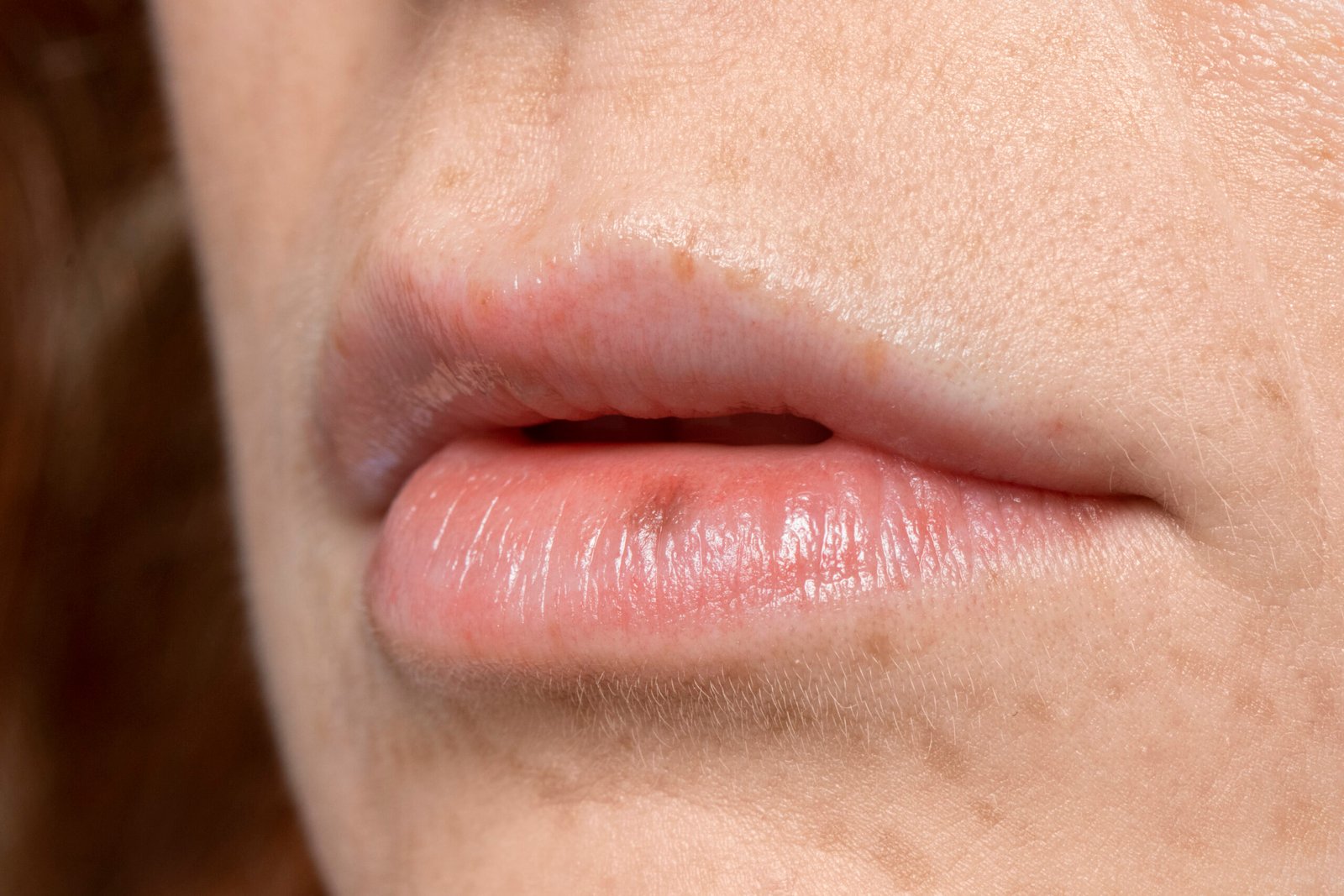
Fordyce spots are small, pale, or yellowish bumps that commonly appear along the edge of the lips or inside the cheeks.
These spots are enlarged oil glands and are completely harmless. They do not require any treatment unless removed for cosmetic reasons.
Doctors can remove Fordyce spots using topical treatments or laser treatment if a person wants them addressed cosmetically.
Allergic Contact Cheilitis
Allergic contact cheilitis happens when your lips react to an irritant, causing swelling, scaling, or small bumps.
Common Triggers
Lipstick, toothpaste, certain foods, and other lip products are common triggers for this type of allergic reaction on the lips.
How to Treat It
Identifying and avoiding the specific trigger usually resolves the condition. A topical steroid from your doctor can help speed up healing if needed.
Angular Cheilitis
Angular cheilitis affects the corners of the mouth rather than the center of the lip, though it is often grouped with other lip bump concerns.
This condition develops when saliva builds up and dries in the corners of the mouth, leading to irritation, cracking, and sometimes infection.
Angular cheilitis is not contagious and typically stays limited to the corners of the mouth rather than spreading further.
Ingrown Hairs
People who shave around their mouth can sometimes develop an ingrown hair that looks similar to a small pimple or early cold sore.
Ingrown hairs typically occur on the skin surrounding the lips rather than on the lip tissue itself, which helps distinguish them from cold sores.
Table: Common Lip Bump Causes at a Glance
| Cause | Painful | Contagious | Typical Duration |
|---|---|---|---|
| Cold sore | Yes | Yes | 7 to 10 days |
| Mucocele | No | No | 3 to 6 weeks |
| Canker sore | Yes | No | 1 to 2 weeks |
| Fordyce spots | No | No | Permanent, harmless |
| Allergic cheilitis | Sometimes | No | Resolves after avoiding trigger |
| Angular cheilitis | Sometimes | No | Days to weeks with treatment |
| Ingrown hair | Sometimes | No | Days |
Less Common Causes of Lip Bumps
A few less common causes are also worth knowing about, especially if the more typical explanations do not fit your symptoms.
Milia
Milia are tiny white bumps caused by trapped keratin under the skin. They are harmless and often resolve on their own over time.
Lip Piercing Bumps
Bumps near a lip piercing can form due to irritation, infection, or scar tissue buildup around the piercing site.
Sebaceous Cysts
Sebaceous cysts form when oil glands become blocked, creating a small, movable lump under the skin. They are generally harmless but can become inflamed.
When a Lip Bump Could Be a Warning Sign
While most lip bumps are harmless, certain characteristics warrant closer medical attention rather than waiting for it to resolve on its own.
A bump that persists for several weeks without improvement, changes shape or color, bleeds without an obvious injury, or feels hard rather than soft deserves evaluation.
In rare cases, a persistent, non-healing lip lesion can be a sign of lip cancer. Early evaluation and diagnosis significantly improve treatment outcomes.
Table: Warning Signs That Need Medical Evaluation
| Warning Sign | Why It Matters |
|---|---|
| Bump lasting more than 3 to 4 weeks | May indicate a non-typical cause |
| Bleeding without injury | Needs evaluation to rule out serious cause |
| Hard, fixed lump | Different from typical soft cysts |
| Rapid growth or change in color | Should be checked by a doctor |
| Numbness near the bump | Warrants prompt medical evaluation |
How Doctors Diagnose a Lip Bump
In many cases, a doctor or dentist can identify the cause of a lip bump simply by examining it visually and asking about your symptoms and history.
If the diagnosis is unclear, a biopsy may be recommended, where a small tissue sample is examined in a lab to confirm the exact cause.
Additional testing may be used if an infection, allergic reaction, or more serious condition is suspected based on the bump’s appearance or behavior.
Home Care Tips for Common Lip Bumps
Several general care habits can support healing regardless of the specific cause of your lip bump.
Avoid biting, picking, or popping any lip bump, since this can introduce infection or worsen healing time significantly.
Keep the area clean and avoid known irritants like certain lip products if you suspect an allergic reaction is contributing to the bump.
Apply a cold compress to reduce swelling and discomfort, particularly helpful for cold sores or minor injury-related bumps.
Stay hydrated and maintain good oral hygiene, since both support faster healing and reduce the risk of secondary infection.
Table: Home Care Do’s and Don’ts
| Do | Don’t |
|---|---|
| Keep the area clean | Pop or squeeze the bump |
| Use a cold compress for swelling | Pick at a healing cold sore |
| Avoid known irritants or allergens | Share utensils during a cold sore outbreak |
| Monitor for changes in size or color | Ignore a bump that persists for weeks |
Preventing Future Lip Bumps
While not every cause is preventable, several habits can reduce how often lip bumps occur.
Manage stress and get adequate sleep, since both are common triggers for cold sore outbreaks in people who carry the HSV-1 virus.
Avoid habitual lip or cheek biting, one of the most common causes of mucous cysts forming on the inner lip.
Choose gentle, fragrance-free lip products if you have sensitive skin, reducing your risk of allergic contact cheilitis.
Practice good oral hygiene and stay hydrated to reduce your risk of angular cheilitis and bacterial buildup near the mouth.
Lip Bumps in Children vs Adults
The likely cause of a lip bump can differ somewhat depending on age, which can help narrow down the possibilities.
Lip Bumps in Children
Mucoceles are especially common in children and teenagers due to frequent lip or cheek biting habits. Cold sores can also appear early, often from first exposure to HSV-1.
Parents should monitor for signs of discomfort, difficulty eating, or a bump that does not improve, and consult a pediatrician or dentist if concerned.
Lip Bumps in Adults
Adults are more likely to experience allergic contact cheilitis from cosmetic products, or angular cheilitis linked to dryness and saliva buildup. Cold sores remain common across all age groups.
Older adults should be more cautious about persistent or unusual lip bumps, since the risk of skin changes, including rare cases of lip cancer, increases with age and sun exposure over time.
Where the Bump Is Located Matters
The exact location of a bump on your lip can offer another useful clue about its likely cause.
Bumps on the Outer Lip Edge
Bump on the outer edge of the lip, where skin meets the vermillion border, are more commonly cold sores, Fordyce spots, or sun-related skin changes.
Bumps on the Inner Lip
Bump on the inside of the lip are more often mucoceles, canker sores, or irritation from braces, retainers, or accidental biting during chewing.
Bumps at the Corner of the Mouth
Specifically at the corners of the mouth point more toward angular cheilitis, which is linked to moisture buildup and skin irritation in that area.
Table: Bump Location and Likely Cause
| Location | Likely Cause |
|---|---|
| Outer edge of lip | Cold sore, Fordyce spot |
| Inner lip surface | Mucocele, canker sore |
| Corner of mouth | Angular cheilitis |
| Near a piercing | Irritation or infection |
Sun Exposure and Lip Health
Sun exposure plays a bigger role in lip bumps than many people realize, particularly for outer lip and border-area bumps.
Excessive sun exposure can trigger cold sore outbreaks in people who carry the HSV-1 virus, since UV light is a well-documented trigger for reactivation.
Long-term sun exposure without lip protection can also contribute to actinic cheilitis, a condition causing dryness, scaling, and an increased long-term skin cancer risk on the lips.
Using a lip balm with SPF protection, especially during outdoor activities, can help reduce both cold sore triggers and long-term sun damage.
Common Myths About Lip Bumps
A few misconceptions about lip bumps are worth addressing, since they can lead to unnecessary worry or improper care.
Myth: All Lip Bumps Are Cold Sores
Many people assume any bump on the lip is a cold sore, but conditions like mucoceles, canker sores, and Fordyce spots are equally common and not related to the herpes virus at all.
Myth: Popping a Lip Bump Speeds Healing
Popping or squeezing a lip bump, especially a mucocele or cold sore, generally increases the risk of infection and can prolong healing rather than speed it up.
Myth: Cold Sores Only Appear Once
Once a person is infected with HSV-1, the virus remains in the body permanently and can cause repeated outbreaks throughout life, particularly during periods of stress or illness.
When to See a Doctor
Most lip bumps resolve without medical treatment, but certain situations call for a professional evaluation rather than waiting it out.
See a doctor if the bump persists for more than three to four weeks, keeps recurring in the same spot, or causes ongoing pain or discomfort.
Seek prompt care if the bump bleeds without clear injury, grows quickly, changes color, or feels hard and fixed rather than soft and movable.
Also consult a doctor if a lip bump interferes with eating, speaking, or is accompanied by numbness, since these symptoms deserve closer evaluation.
Frequently Asked Questions (FAQs)
Why do I have a bump on my lip that doesn’t hurt?
Painless lip bumps are often mucous cysts (mucoceles), Fordyce spots, or milia. These are usually harmless but should be monitored for changes.
Why do I have a bump on my lip that keeps coming back?
Recurring bumps, especially painful ones, are often cold sores triggered by stress, illness, or sun exposure. Recurring painless bumps may point to a mucocele.
Why do I have a bump on my lip line?
Bumps along the lip line can be mucoceles, cold sores, Fordyce spots, or irritation from lip products. The exact cause depends on texture and pain level.
Why do I have a bump on my lip after a piercing?
Bumps near a piercing are often related to irritation, infection, or scar tissue forming around the piercing site. Keeping the area clean helps prevent this.
Why do I have a bump on my lip that is white?
A white bump is often a canker sore, milium, or Fordyce spot. Cold sores can also appear whitish once they begin crusting over.
Why do I have a bump on my lip that is blue or clear?
A bluish or translucent bump is a classic sign of a mucocele, caused by a blocked salivary gland beneath the skin.
Why do I have a bump on my lip after biting it?
Lip biting is one of the most common causes of a mucocele, since it can damage or block a salivary gland and cause fluid buildup.
Why do I have a bump on my lip that is hard?
A firm or hard bump is less typical of common causes like cold sores or mucoceles and should be evaluated by a doctor to rule out other causes.
Why do I have a bump on my lip with no pain and no color change?
This pattern often points to a Fordyce spot or small mucocele, both of which are typically harmless and require no treatment.
Why do I have a bump on my lip that won’t go away after a month?
A bump lasting longer than three to four weeks should be evaluated by a doctor or dentist to confirm the cause and rule out anything serious.
Conclusion
A bump on your lip can come from many different sources, ranging from a contagious cold sore caused by the herpes simplex virus to a harmless mucous cyst from lip biting, a canker sore, or simple Fordyce spots.
Most lip bumps are not serious and resolve within a few days to a few weeks with basic home care, like avoiding irritants, keeping the area clean, and not picking at the bump.
However, a bump that persists for several weeks, bleeds without injury, grows quickly, or feels hard rather than soft deserves a proper evaluation by a doctor or dentist.
Understanding the differences between cold sores, cysts, and other common causes can help you respond appropriately and know when home care is enough versus when professional care is needed for a lasting resolution.


