


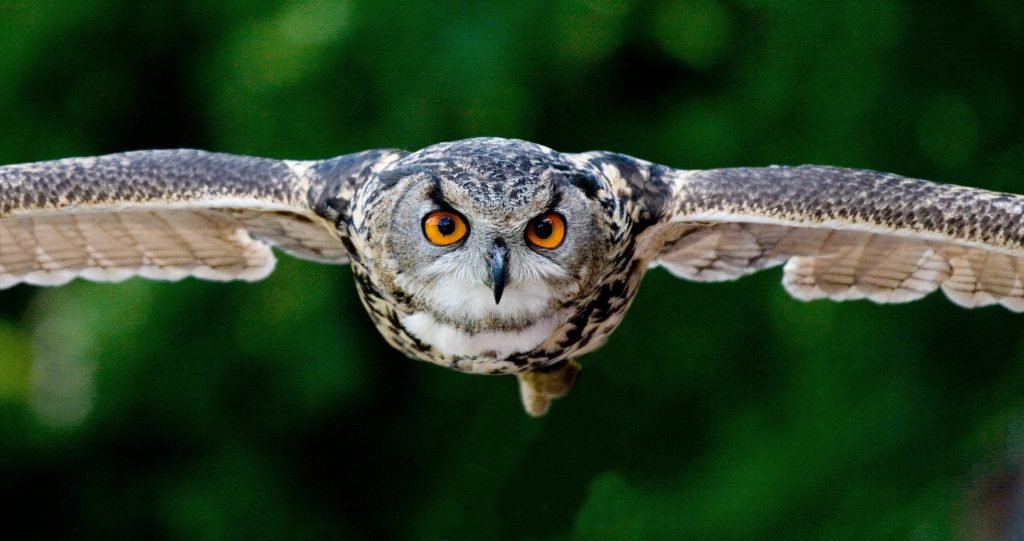
Why do owls hoot is a question that comes up almost every time someone hears that deep, eerie call drifting through the dark. It can sound mysterious, even a little unsettling, if you don’t know what it means.
In reality, hooting is simply how owls communicate with each other. It plays a central role in claiming territory, attracting mates, and keeping family groups connected.
Why Do Owls Hoot? Quick Overview
Owls hoot mainly to communicate with other owls of the same species. This communication covers everything from defending territory to attracting a mate.
The table below gives a fast snapshot of the main reasons before we explore each one in detail.
| Reason | Purpose |
|---|---|
| Territory defense | Warns other owls to stay away |
| Mating and courtship | Attracts and bonds with a mate |
| Pair bonding | Strengthens relationships between mates |
| Family communication | Connects parents and fledglings |
| Predator warning | Alerts others of nearby danger |
What Is Owl Hooting Exactly
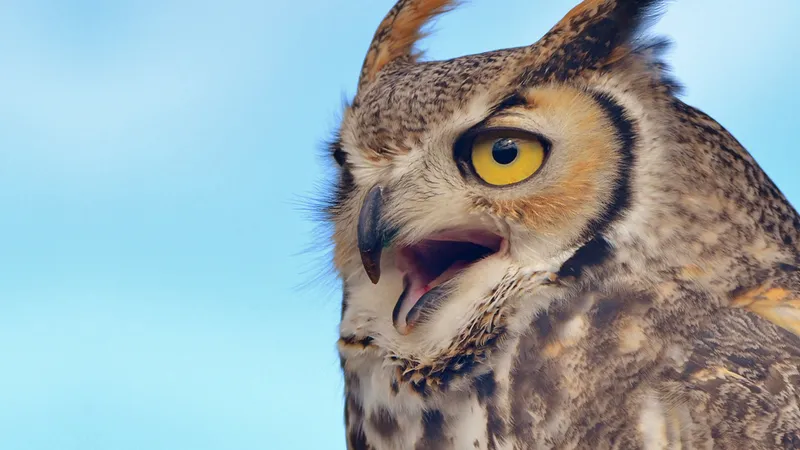
Hooting is a low-pitched, resonant call produced primarily by larger owl species. It travels well through forests and open landscapes, especially at night.
Not all owls hoot the same way, and some owls do not hoot at all.
How Owls Produce Their Hoots
Owls produce hoots using their syrinx, a vocal organ located at the base of the trachea. This allows them to create deep, carrying sounds without much visible effort.
The structure of an owl’s throat and chest helps these calls travel long distances through dense vegetation.
Why Hooting Travels So Far
Low-frequency sounds like hoots are less absorbed by trees and foliage compared to higher-pitched calls. This makes hooting an efficient way to communicate across large territories.
Some hoots can be heard from more than a mile away under the right conditions.
Why Do Owls Hoot for Territory
One of the most common reasons owls hoot is to defend their territory. This is especially true during the breeding season, when nesting sites become more valuable.
Territorial hooting essentially tells other owls that the area is already claimed.
How Territorial Hooting Works
A hooting owl is announcing its presence and warning intruders to stay away. If another owl enters the territory anyway, direct confrontations can follow.
These confrontations may include additional vocalizations like barking, hissing, or beak snapping.
Why Territory Matters So Much
Owls need reliable hunting grounds and safe nesting sites to raise their young successfully. Because good territories are limited, competition between owls can be intense.
Establishing territory early often gives an owl a strong advantage for the breeding season ahead.
When Territorial Hooting Peaks
Territorial calls often begin in late summer or early fall as young owls disperse to find their own space. Activity typically increases again heading into winter.
This overlap with courtship season makes fall and winter especially vocal times for owls.
Why Do Owls Hoot for Mating
Hooting also plays a major role in attracting mates. Male owls in particular hoot to signal their fitness and availability to nearby females.
This courtship hooting often becomes more frequent as breeding season approaches.
How Male Owls Attract Females
A male’s hoot essentially communicates that he is healthy, has secured a good territory, and has access to a nest site. This message is important to female owls choosing a mate.
Females typically respond only to calls from males of their own species.
The Role of Duets in Courtship
Many owl pairs perform duets, calling back and forth to strengthen their bond. In species like screech owls, this duet helps reinforce their connection as mates.
Duetting can also signal to other owls that the pair is bonded and defending territory together.
Courtship Behaviors Beyond Hooting
Courtship often includes more than just calling. Owls may bow, fluff their feathers, snap their beaks playfully, or offer food to a potential mate.
These physical displays typically accompany hooting during the courtship period.
Seasonal Patterns in Owl Hooting
Owl hooting activity is not constant throughout the year. It follows a predictable seasonal pattern tied closely to breeding cycles.
| Season | Typical Hooting Activity |
|---|---|
| Late summer to early fall | Young owls disperse, territorial calls increase |
| Late fall to early winter | Courtship hooting intensifies |
| Winter | Peak breeding and nesting activity |
| Spring | Hooting decreases as young are raised |
Why Winter Is Peak Hooting Season
Many owl species, including great horned owls, begin nesting as early as January or February. This means courtship hooting often peaks during the coldest months of the year.
Nesting early gives owlets more time to mature before the following winter.
Why Hooting Decreases in Spring and Summer
Once pairs have mated and eggs are laid, the need for constant territorial and courtship calling decreases. Parents shift focus toward incubation and feeding their young.
Hooting may pick up again briefly as fledglings begin communicating with parents.
Why Do Owls Hoot at Night
Owls are primarily nocturnal, which naturally shapes when they are most vocal. Hooting at night ties directly into their hunting and survival strategies.
Low light conditions favor both stealthy hunting and effective vocal communication.
Nighttime Hunting and Communication Overlap
Since owls hunt primarily after dark, their communication schedule naturally aligns with nighttime activity. Hooting during these hours helps coordinate territory and mating without interfering with hunting.
Dusk and dawn are often the most active hooting periods.
Do All Owls Hoot Only at Night
While most hooting occurs after sunset, some diurnal owl species are active and vocal during the day. This varies significantly depending on the species and region.
Checking local owl species helps explain unusual daytime hooting sounds.
Family Communication and Hooting
Beyond mating and territory, hooting also plays a role in family life. Parent and young owls use calls to stay connected, especially after fledging.
This type of communication is essential for the survival of young owls.
How Fledglings Communicate
Young owls develop begging calls to signal hunger to their parents. Over time, these calls evolve into more mature hooting as the young owl grows.
Some species, like screech owls, use specific calls to help fledglings reveal their location.
How Parents Respond
Parent owls use calls to guide, warn, or reassure their young. This ongoing communication helps fledglings learn survival behaviors before becoming fully independent.
Family-based calling typically decreases once young owls disperse to establish their own territory.
Different Types of Owl Vocalizations
Hooting is just one of many sounds owls can produce. Understanding these differences helps you interpret what you are hearing outdoors.
| Sound Type | Common Purpose |
|---|---|
| Hoot | Territory, mating, pair bonding |
| Screech or shriek | Threat warning, defense |
| Hiss | Warning to predators or intruders |
| Bark | Alarm or aggressive warning |
| Whinny or whistle | Species-specific courtship or ID calls |
Why Not All Owls Hoot
Smaller owl species often produce higher-pitched toots, whistles, or screeches instead of deep hoots. Larger species, like great horned and barred owls, are more associated with classic hooting.
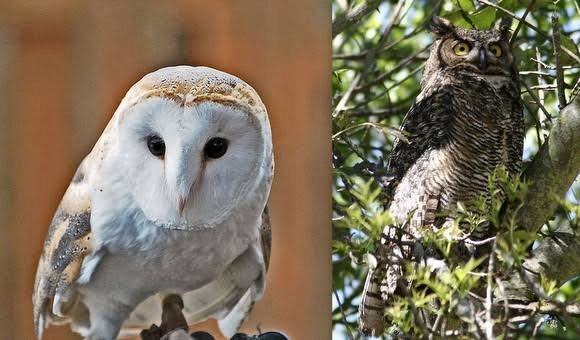
Barn owls, for example, are known for eerie hissing screeches rather than hooting.
Recognizing Species by Their Calls
Different owl species have distinct, recognizable call patterns. The barred owl’s call is often described as sounding like “who cooks for you.”
Learning these patterns can help birdwatchers identify species without ever seeing the owl itself.
Common Owl Species and Their Hoots
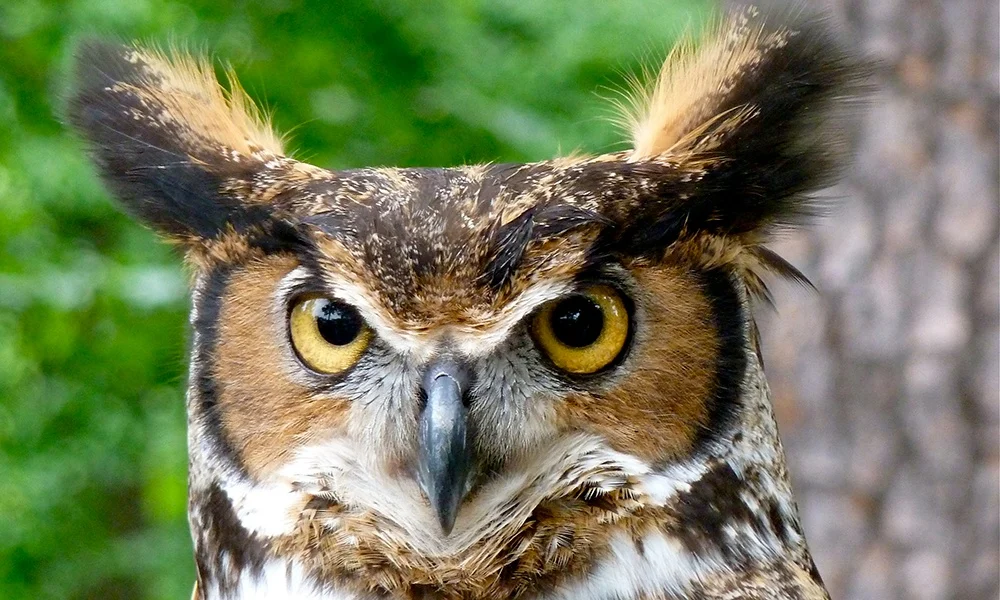
Several owl species are especially well known for their hooting calls. Recognizing these differences adds depth to any owl-watching experience.
Great Horned Owl
Known for a deep, resonant hoot pattern, great horned owls are among the most recognizable hooting species in North America. Their calls often include one long hoot followed by several shorter ones.
They are also known for early winter breeding and strong territorial behavior.
Barred Owl
Barred owls produce a distinctive rhythmic hoot pattern. This species is commonly heard in wooded areas across much of the eastern and central United States.
Barred owls tend to avoid territory already claimed by great horned owls.
Eastern Screech Owl
Rather than a traditional hoot, screech owls are known for a descending, whinny-like call. This call is primarily used for territorial defense.
Despite the name, they often sound more like a soft trill than a screech.
Do Owl Hoots Mean Anything Culturally
Owl hoots have long been associated with folklore, superstition, and symbolism across many cultures. While these beliefs are not scientific, they add interesting context to the sound.
Historical and Cultural Associations
In many traditions, owl calls have been linked to omens, wisdom, or the supernatural. These associations likely developed because of the owl’s nocturnal and mysterious nature.
Understanding the biological reasons behind hooting can offer a grounded contrast to these cultural myths.
Why Hooting Feels Mysterious to Humans
Because owls are rarely seen despite being heard, their calls can feel especially eerie or symbolic. This combination of invisibility and distinctive sound has shaped much folklore over time.
Modern research helps explain hooting as a natural, purposeful behavior rather than anything supernatural.
How to Identify Owl Hooting Near You
If you want to actively listen for owls, timing and location both matter. A few simple strategies can improve your chances of hearing them clearly.
Best Times to Listen
Dusk, dawn, and the early night hours tend to offer the best opportunities to hear owl calls. Winter evenings are especially active due to courtship season.
Quiet, still nights also make it easier to hear distant hoots.
Best Locations to Listen
Wooded areas, parks, and locations near tree lines or open fields often provide good owl habitat. Look for tall trees that offer a clear vantage point for hunting.
Signs like owl pellets beneath trees can indicate a nearby roosting or nesting site.
| Tip | Why It Helps |
|---|---|
| Listen at dusk or dawn | Peak owl activity periods |
| Visit wooded edges or open fields | Common owl hunting and roosting areas |
| Go out in winter | Breeding season increases hooting frequency |
| Stay quiet and still | Improves chances of hearing distant calls |
Predator Warnings and Alarm Calls
Beyond mating and territory, owls also use vocalizations to warn others of nearby danger. These alarm calls differ noticeably from typical hooting patterns.
How Owls Warn of Predators
When a predator approaches, an owl may let out a sharp screech, bark, or hiss instead of a calm hoot. This shift in tone signals urgency to nearby owls and offspring.
Wing spreading often accompanies these warning calls to appear larger and more intimidating.
Why This Behavior Matters for Survival
Quick, clear alarm signals help protect both the calling owl and any nearby young. Fledglings in particular rely on these warnings to stay hidden from danger.
This communication system plays a direct role in overall survival rates for young owls.
How Weather and Environment Affect Hooting
Environmental conditions can influence how often and how clearly owls hoot. Understanding these factors can help explain variations in activity you might notice outdoors.
Calm Nights Carry Sound Further
Wind and background noise can significantly reduce how far a hoot travels. Calm, still nights allow owl calls to carry much further and sound clearer to human ears.
This is one reason quiet winter evenings are ideal for owl listening.
Habitat Type Influences Hooting Frequency
Owls living in dense forests may hoot more frequently to compensate for sound-blocking vegetation. Those in open habitats may rely more on visual displays alongside vocal calls.
Habitat also affects which predators and competitors an owl needs to communicate against.
Misconceptions About Owl Hooting
Several common myths exist about why and how owls hoot. Addressing these helps create a clearer, science-based understanding of the behavior.
Misconception: Hooting Always Means Danger Is Near
Most hooting is simply routine communication related to territory or mating, not a sign of imminent threat. True alarm calls sound noticeably different from standard hoots.
Context and call type matter more than the presence of hooting alone.
Misconception: Only Male Owls Hoot
While males often hoot more frequently during courtship, females of many species hoot as well. Duetting between mates is a normal and common behavior.
Assuming only males vocalize overlooks an important part of owl communication.
Misconception: Owls Hoot Randomly Without Purpose
Every hoot serves a specific communicative function, whether territorial, social, or reproductive. Even seemingly repetitive calling has a clear biological reason behind it.
Understanding call context helps explain patterns that might otherwise seem random.
The Role of Hooting in Owl Population Studies
Researchers and conservationists often use owl calls as a tool for studying populations. Hooting patterns provide valuable data without requiring direct visual sightings.
Acoustic Monitoring Techniques
Scientists frequently use audio recording devices to track owl activity in specific habitats. This method, called acoustic monitoring, helps estimate population density and territory size.
Because owls are difficult to observe visually, sound-based tracking is especially valuable.
Why This Research Matters
Understanding hooting patterns helps researchers assess habitat health and population trends over time. Changes in call frequency can indicate shifts in food availability or environmental pressure.
This research also supports broader conservation efforts for owl species worldwide.
Owl Hooting Around Human Homes and Neighborhoods
Many people report hearing owls near their homes, especially during winter months. Understanding this behavior can help explain what you are experiencing.
Why You Might Hear Owls in Suburban Areas
Owls often adapt well to suburban environments with mature trees and access to prey like rodents. Established territories can exist surprisingly close to human neighborhoods.
Consistent hooting from the same location often indicates a resident, territorial owl.
What Increased Hooting Near Your Home Might Mean
A sudden increase in hooting frequency often points to breeding season activity rather than any threat. This is especially common during late fall and winter months.
If hooting patterns change dramatically or persist unusually long, noting details like time and weather can help with further observation.
| Observation | Likely Explanation |
|---|---|
| Hooting mainly at dusk and dawn | Normal daily activity pattern |
| Increased hooting in winter | Breeding and courtship season |
| Two owls calling back and forth | Mated pair duetting |
| Sudden sharp screeches or barks | Possible predator or threat response |
A Quick Recap of Owl Hooting Purposes
Bringing everything together, this table summarizes the core reasons behind owl hooting covered throughout this guide. It offers a simple reference for future listening.
| Purpose | Typical Timing |
|---|---|
| Territory defense | Late summer through winter |
| Courtship and mating | Late fall through early winter |
| Pair bonding duets | Throughout the breeding season |
| Family communication | After eggs hatch, into early summer |
| Predator warnings | Any time a threat is present |
Keeping this overview in mind can make future owl encounters feel far less mysterious. Instead of an eerie, unexplained sound, each hoot becomes a small window into an owl’s daily life and survival strategy.
Frequently Asked Questions (FAQs)
Why do owls hoot at night specifically?
Owls are mostly nocturnal, so their communication naturally aligns with nighttime hunting and activity. Dusk and dawn are especially active hooting periods.
Do all owl species hoot?
No, only some species, like great horned and barred owls, produce classic hoots. Others use whistles, screeches, or hissing sounds instead.
Why do owls hoot back and forth to each other?
This is often a duet between mated pairs to strengthen their bond. It can also signal shared territory to nearby owls.
Does hooting mean an owl is aggressive?
Not necessarily, hooting is often about communication rather than aggression. Direct confrontations usually involve additional sounds like barking or hissing.
When is owl hooting most common during the year?
Hooting typically peaks in late fall through winter during courtship and territory establishment. Great horned owls often begin as early as December or January.
Can hooting help identify which owl species is nearby?
Yes, each species has a distinct hoot pattern and rhythm. Learning these patterns can help with identification without seeing the bird.
Why do young owls hoot differently than adults?
Fledglings start with begging calls that gradually develop into more mature hoots. This transition happens as they grow and gain independence.
Is it true that owls only hoot to find mates?
No, hooting also serves territorial defense and family communication purposes. Mating is just one of several important reasons.
Do female owls hoot as much as males?
Yes, though patterns can differ by species. In some owls, females have higher-pitched calls despite being larger than males.
Why does an owl’s hoot travel so far?
Low-frequency sounds like hoots are not easily absorbed by trees and vegetation. This allows the call to carry over long distances effectively.
Conclusion
Why do owls hoot ultimately comes down to communication built around survival and reproduction. Territory defense, mating, pair bonding, and family communication all play a role in shaping this behavior.
Seasonal patterns show that hooting peaks during courtship and breeding season, especially in late fall and winter. Understanding these calls helps explain why owls can sound so active during certain times of the year.
While folklore has long surrounded the mysterious sound of an owl’s hoot, the science behind it is far more practical. These calls, whether for mating, territory, or more, are simply how owls stay connected to their world and to each other in 2026 and beyond.


