


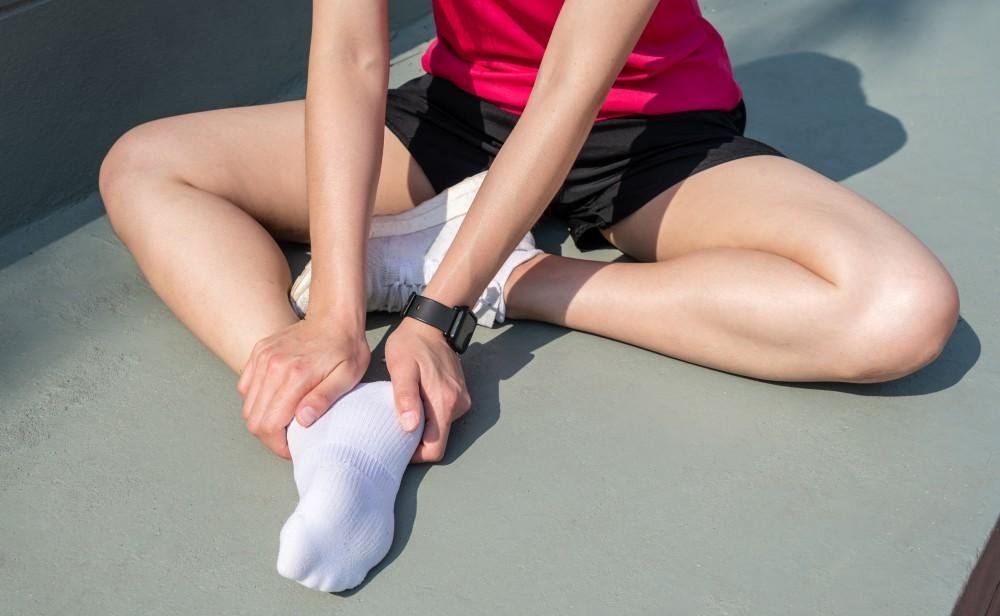
Why do my legs feel heavy — it’s a question that often comes up at the end of a long day, after a workout, or even first thing in the morning.
Legs can feel weighed down, dragging, or hard to lift for reasons ranging from simple dehydration and muscle fatigue to circulation issues like chronic venous insufficiency or peripheral artery disease.
Most cases improve with rest, movement, and hydration, but recurring heaviness deserves a closer look.
What Does Leg Heaviness Actually Feel Like?
People describe heavy legs as dragging, weighed down, or like walking through sand. It can range from mild tiredness to a sensation that makes stairs and standing genuinely difficult.
This feeling usually stems from muscular, circulatory, or nerve-related factors, and pinpointing which one is at play helps guide the right relief strategy.
Quick Snapshot: Common Causes at a Glance
| Cause | Typical Trigger | Usually Serious? |
|---|---|---|
| Muscle fatigue | Exercise, overexertion | No |
| Dehydration | Low fluid intake | No |
| Prolonged sitting/standing | Work, travel | No |
| Chronic venous insufficiency | Weak vein valves | Sometimes |
| Varicose veins | Enlarged, weakened veins | Sometimes |
| Peripheral artery disease | Blocked arteries | Yes |
| Deep vein thrombosis | Blood clot | Yes |
| Restless leg syndrome | Dopamine imbalance | Sometimes |
| Pregnancy/hormones | Hormonal shifts | Usually not |
| Nutrient deficiency | Low iron, magnesium | Sometimes |
Common Causes of Heavy Legs
Muscle Fatigue
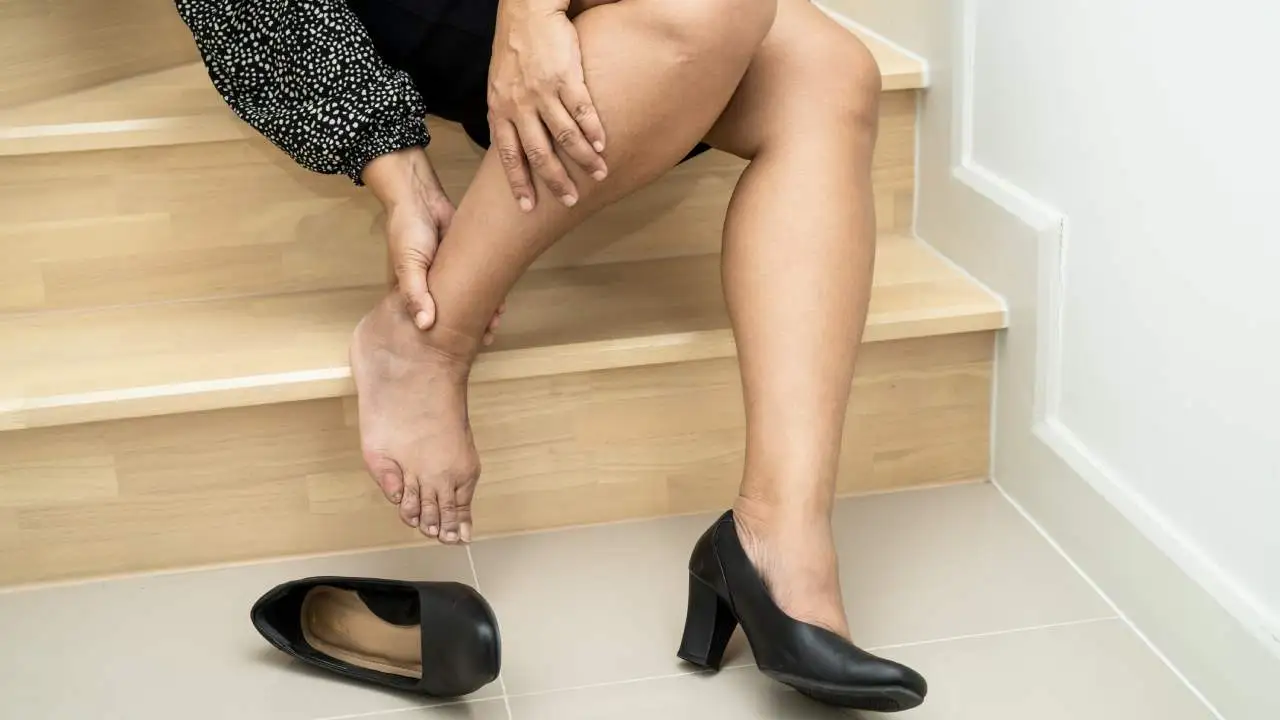
Pushing your muscles harder than usual, especially without proper recovery, leaves them heavy, achy, and slow to respond the next day.
This is common among runners and cyclists who increase training intensity too quickly, a pattern often called overreaching.
Dehydration
Low fluid intake reduces blood volume, which limits oxygen and nutrient delivery to working muscles and leaves legs feeling heavier than usual.
Dehydration can also disrupt electrolyte balance, contributing to cramping, twitching, and general leg discomfort alongside the heaviness.
Prolonged Sitting or Standing
Staying in one position for hours slows circulation, allowing blood to pool in the lower legs and creating that familiar end-of-day heaviness.
This is especially common in jobs that require standing all day or long stretches of desk work with little movement.
Chronic Venous Insufficiency (CVI)
When vein valves weaken, blood struggles to flow back up to the heart and instead pools in the lower legs, raising pressure and causing heaviness.
CVI often comes with ankle swelling, nighttime cramps, and itching, and symptoms typically worsen as the day goes on.
Varicose Veins
Enlarged, twisted veins near the skin’s surface reflect underlying blood flow problems and often contribute to aching and heaviness, especially by evening.
Heaviness from venous issues can occur even without visible varicose veins, since problems can exist deeper in the vein system first.
Peripheral Artery Disease (PAD)
PAD develops when plaque narrows the arteries, restricting blood flow to the legs and leaving muscles short on oxygen during activity.
Heaviness, cramping, and fatigue that appear specifically during walking and ease with rest are classic signs of PAD, known as claudication.
Deep Vein Thrombosis (DVT)
A blood clot in a deep leg vein can cause sudden heaviness, tightness, or pain, often in just one leg, sometimes with swelling or warmth.
This is a medical emergency, especially if paired with chest pain or shortness of breath, and needs urgent evaluation.
Restless Leg Syndrome (RLS)
RLS causes an uncomfortable urge to move the legs, often with a tingling or heavy sensation that worsens at night and disrupts sleep.
It’s linked to a dopamine imbalance in the brain and can be aggravated by iron deficiency, pregnancy, or certain medications.
Pregnancy and Hormonal Changes
Rising blood volume and hormonal shifts during pregnancy put extra pressure on leg veins, often producing heaviness that improves after delivery.
Perimenopause and menopause can trigger similar hormonal fluctuations that temporarily worsen leg heaviness in some people.
Nutrient Deficiencies
Low levels of iron, magnesium, or potassium can impair muscle function and circulation, both of which contribute to a heavy, weak feeling in the legs.
Addressing a deficiency, once confirmed through bloodwork, often brings noticeable improvement within a few weeks.
Why Do My Legs Feel Heavy at the End of the Day?
Gravity plays a major role. Blood that pools in weakened veins throughout the day increases pressure, leading to heaviness, swelling, and fatigue by evening.
Standing or sitting for extended stretches compounds this effect, which is why heaviness is often mildest in the morning and worst by nighttime.
Why Do My Legs Feel Heavy in the Morning?
Morning heaviness is less common and often points more strongly toward an underlying circulatory issue rather than simple daily fatigue.
If your legs feel heavy immediately upon waking, without a hard workout the day before, it’s worth mentioning to a doctor rather than dismissing it as normal.
Why Do My Legs Feel Heavy After Walking?
Overtraining, dehydration, and impaired circulation are the most common explanations for heaviness that shows up specifically after walking or light exercise.
If heaviness after walking is paired with cramping that eases with rest, PAD is worth ruling out, especially in people over 50 or with cardiovascular risk factors.
Heaviness vs Weakness: What’s the Difference
Heaviness is a sensation of effort, like trudging through sand, while weakness is an actual loss of strength, such as difficulty rising from a chair.
True weakness, sudden one-sided symptoms, or changes in bladder or bowel control are signs that need prompt medical attention rather than home care.
Comparison Table: Cause vs Symptoms vs Urgency
| Cause | Key Symptoms | Vascular/Nerve? |
|---|---|---|
| Muscle fatigue | Soreness, tiredness | No |
| Dehydration | Cramping, fatigue | No |
| CVI | Swelling, aching, worse by evening | Vascular |
| PAD | Cramping during walking, relieved by rest | Vascular |
| DVT | Sudden one-sided swelling/pain | Vascular, urgent |
| RLS | Nighttime urge to move legs | Nerve-related |
| Nutrient deficiency | Weakness, cramping | Neither directly |
When Heavy Legs Are an Emergency

New one-sided leg swelling or pain, especially with warmth or skin color change, needs urgent care to rule out a blood clot.
Chest pain or shortness of breath alongside sudden leg heaviness is an emergency, since it may signal a clot that has traveled to the lungs.
When to See a Doctor for Heavy Legs
If leg heaviness happens several times a week or keeps getting worse over time, it’s worth scheduling an evaluation rather than waiting it out.
Swelling, visible vein changes, or aching alongside the heaviness are additional signs that point toward an underlying vascular condition worth investigating.
How Doctors Diagnose the Cause of Heavy Legs
A vein-focused exam typically starts with a history, looking for patterns like heaviness that’s worse in the evening or accompanied by ankle swelling.
Duplex ultrasound is a common noninvasive test that maps blood flow and checks for valve reflux or blockages in the leg veins.
Bloodwork may be ordered to check for nutrient deficiencies, while an arterial ultrasound can assess blood flow if PAD is suspected.
Home Relief Tips for Heavy Legs
Move every hour if you sit for long stretches. Calf pumps, ankle circles, and short walks all support healthy circulation.
Elevate your legs above heart level for 15 to 20 minutes when resting to help fluid return to the upper body.
Stay hydrated and pay attention to sodium intake, since both fluid balance and salt levels affect circulation and swelling.
Wear graduated compression socks if venous issues are suspected, since they help reduce pooling and support blood flow back to the heart.
Exercise and Lifestyle Changes That Help
Regular low-impact activity like walking or cycling strengthens leg muscles and improves circulation over time, reducing the frequency of heaviness.
Quitting smoking is one of the most effective steps for improving blood vessel health, since smoking damages vessels and worsens circulation problems.
Managing body weight reduces strain on leg veins and can meaningfully ease heaviness linked to venous insufficiency.
Medical Treatments for Underlying Causes
Endovenous ablation, using radiofrequency or laser energy, closes off refluxing veins and is typically done as an outpatient procedure with local anesthesia.
VenaSeal closure uses a medical adhesive delivered through a small catheter to seal a diseased vein without the need for tumescent anesthesia.
PAD treatment often starts with lifestyle changes and medication, with procedures like angioplasty reserved for more advanced blockages.
DVT is treated with blood thinners to prevent the clot from growing or traveling, often alongside compression therapy during recovery.
Foods and Nutrients That Support Leg Health

Iron-rich foods like leafy greens and lean meats support healthy circulation and can help address deficiency-related heaviness.
Magnesium and potassium, found in foods like bananas, nuts, and legumes, support proper muscle function and reduce cramping.
Staying well hydrated throughout the day, rather than drinking large amounts at once, supports steady circulation and reduces fatigue-related heaviness.
Who Is Most at Risk for Heavy Legs
People with occupations requiring long hours of standing or sitting face a higher risk of venous-related leg heaviness over time.
Pregnancy, obesity, smoking, and a sedentary lifestyle all increase the likelihood of developing chronic venous insufficiency or related circulation issues.
A family history of varicose veins or venous disease also raises individual risk, since vein valve strength has a genetic component.
Myths About Heavy Legs
A common myth is that heavy legs are simply a normal part of aging. In reality, persistent heaviness often signals a treatable underlying condition.
Another myth is that walking alone fully resolves venous-related heaviness. Movement helps, but it doesn’t correct weakened vein valves on its own.
Some assume compression socks are only for older adults. In truth, they’re a reasonable relief tool for anyone dealing with pooling-related heaviness.
Tracking Symptoms Before a Doctor Visit
Note when the heaviness is worst, whether mornings, evenings, or after specific activities, since timing gives real diagnostic clues.
Track any accompanying symptoms like swelling, visible veins, cramping, or skin changes, and how long each episode typically lasts.
Bringing this information to an appointment helps a doctor decide quickly whether imaging or bloodwork is the right next step.
How Age Affects Leg Heaviness
Vein valves naturally weaken with age, making chronic venous insufficiency and varicose veins more common the older you get.
Muscle mass also declines with age, which can make legs feel heavier and more fatigued even during activities that once felt easy.
Older adults are more likely to have multiple contributing factors at once, such as reduced circulation combined with joint changes like arthritis, making a full evaluation especially useful.
Knee and Joint-Related Leg Heaviness
Arthritis-related swelling inside the knee joint can make the entire leg feel stiff, heavy, and harder to move, especially if pain already limits activity.
Joint-related heaviness tends to be localized around the knee and worsens with specific movements, unlike vascular heaviness which spreads more evenly through the leg.
Physical therapy and targeted strengthening exercises can often reduce joint-related heaviness, even when circulation itself isn’t the underlying issue.
Diabetes and Leg Heaviness
Diabetes increases the risk of both peripheral artery disease and nerve damage, either of which can contribute to a heavy, tired sensation in the legs.
Blood sugar management plays a meaningful role in reducing the progression of circulation problems that lead to ongoing leg heaviness.
Regular foot and leg checks are especially important for people with diabetes, since reduced sensation can mask early warning signs that would otherwise prompt earlier care.
Medications That Can Cause Heavy Legs
Certain blood pressure medications and hormone therapies can affect fluid retention, which may contribute to a heavier feeling in the legs.
If leg heaviness started shortly after beginning a new medication, mentioning this timing to your prescribing doctor can help identify the connection.
Sleep Position and Nighttime Leg Heaviness
Sleeping without any leg elevation can allow fluid to settle in the lower legs overnight, contributing to morning stiffness or heaviness in some people.
A small pillow under the calves can encourage better fluid return and may reduce nighttime discomfort linked to venous pooling.
Side sleeping with a pillow between the knees can also ease pressure on leg veins for those who notice heaviness specifically upon waking.
Heat, Weather, and Leg Heaviness
Hot weather causes blood vessels to dilate, which can worsen pooling and make legs feel heavier during summer months or after time in the sun.
Staying in cooler environments and elevating the legs during hot weather can help offset this seasonal increase in heaviness.
Cool showers or a cold compress on the lower legs can also provide quick, temporary relief during particularly hot or humid days.
Travel and Long-Distance Sitting
Long flights, road trips, or train rides involve extended sitting that slows circulation and commonly leads to temporary leg swelling and heaviness.
Standing and walking briefly every hour or two during travel, along with staying hydrated, helps reduce this travel-related heaviness.
Compression socks are particularly useful during long travel days, since they actively support circulation during the hours of continuous sitting that flights and road trips involve.
Building a Long-Term Leg Health Routine
Consistent movement throughout the day, rather than long stretches of stillness, is one of the most effective habits for preventing recurring heaviness.
Routine check-ins with a vein specialist, especially for those with a family history of venous disease, can catch problems early before symptoms worsen.
Combining hydration, regular exercise, and compression wear when needed creates a sustainable approach to managing leg heaviness over the long term.
Leg Heaviness in Athletes vs Everyday Fatigue
Athletes often experience heaviness tied directly to training load, which typically improves with a scheduled recovery day or reduced intensity.
Everyday fatigue-related heaviness in non-athletes is more often linked to prolonged sitting, dehydration, or minor circulation changes rather than muscle overload.
Distinguishing between the two helps determine whether rest alone will resolve the heaviness or whether a circulation-focused evaluation is more appropriate.
The Emotional Impact of Chronic Leg Heaviness
Ongoing leg heaviness can affect confidence and daily activity, especially when it limits standing, walking, or wearing certain clothing comfortably.
Addressing the underlying cause often restores more than physical comfort, helping people feel more confident and less limited in their daily routines.
Building a Symptom Journal
Recording daily patterns, including activity level, hydration, and when heaviness peaks, creates a clearer picture over several weeks than memory alone.
This journal becomes a useful tool during a doctor’s visit, helping connect specific triggers to the timing and severity of symptoms.
Combining Multiple Relief Strategies
Many people find the most relief by combining several approaches at once, such as compression socks, regular movement breaks, and proper hydration.
Relying on a single strategy, like elevation alone, often provides only partial relief compared to a more complete daily routine.
Preventing Leg Heaviness Before It Starts
Building movement into a sedentary workday, even brief walks every hour, meaningfully reduces the risk of pooling-related heaviness over time.
Maintaining a healthy weight and staying active supports vein function and reduces the cumulative pressure that leads to chronic venous issues.
Routine hydration and a balanced diet rich in key nutrients like iron and magnesium support both muscle function and circulation long term.
Small, consistent habits tend to outperform occasional intense efforts when it comes to keeping legs feeling light and mobile over the years.
Frequently Asked Questions (FAQs)
1. Why do my legs feel heavy but not painful?
Painless heaviness often points to mild circulation issues or fatigue rather than a more serious vascular condition.
2. Can anxiety make my legs feel heavy?
Yes, stress hormones can affect circulation and muscle tension, sometimes producing a heavy, sluggish sensation in the legs.
3. Does poor sleep contribute to heavy legs?
Yes, inadequate rest impairs muscle recovery and circulation, which can worsen next-day leg heaviness.
4. Can heavy legs be a sign of heart problems?
Yes, especially if paired with swelling, since the heart’s ability to circulate blood affects leg fluid balance.
5. Why do my legs feel heavy during my period?
Hormonal fluctuations before and during menstruation can cause fluid retention, contributing to temporary leg heaviness.
6. Can flying cause heavy legs?
Yes, prolonged sitting during flights slows circulation and can lead to temporary swelling and heaviness.
7. Do compression socks really help?
Yes, graduated compression supports vein function and reduces blood pooling, easing heaviness for many people.
8. Can heavy legs improve with weight loss?
Yes, reducing excess weight lowers pressure on leg veins and often improves circulation-related heaviness.
9. Is heavy legs a sign of diabetes?
It can be, since diabetes increases the risk of both PAD and nerve-related leg symptoms.
10. When should I worry about sudden heavy legs?
Sudden, one-sided heaviness with swelling or pain needs urgent evaluation to rule out a blood clot.
Conclusion
Heavy legs are common and usually explained by everyday factors like muscle fatigue, dehydration, or long hours of sitting or standing.
Circulatory causes, including chronic venous insufficiency, varicose veins, and peripheral artery disease, are also frequent culprits, especially when heaviness worsens by evening or comes with swelling and aching.
Sudden, one-sided heaviness paired with swelling, warmth, or pain needs urgent medical attention, since it can signal a blood clot.
For everyday heaviness, movement, hydration, elevation, and compression socks offer real relief, while persistent or worsening symptoms are worth a proper evaluation with duplex ultrasound or bloodwork.
Understanding your own pattern — when the heaviness hits hardest and what else comes with it — is the clearest path toward figuring out the cause and finding lasting relief.


