



Why do hunters pattern their shotguns? It’s a question every serious hunter needs to answer before stepping into the field. Patterning is the process of testing how shot spreads from a barrel at a set distance, and it directly affects accuracy, ethics, and success rate.
Without patterning, hunters are essentially guessing how their gun, choke, and ammo combination will perform on a live target.
What Does It Mean to Pattern a Shotgun
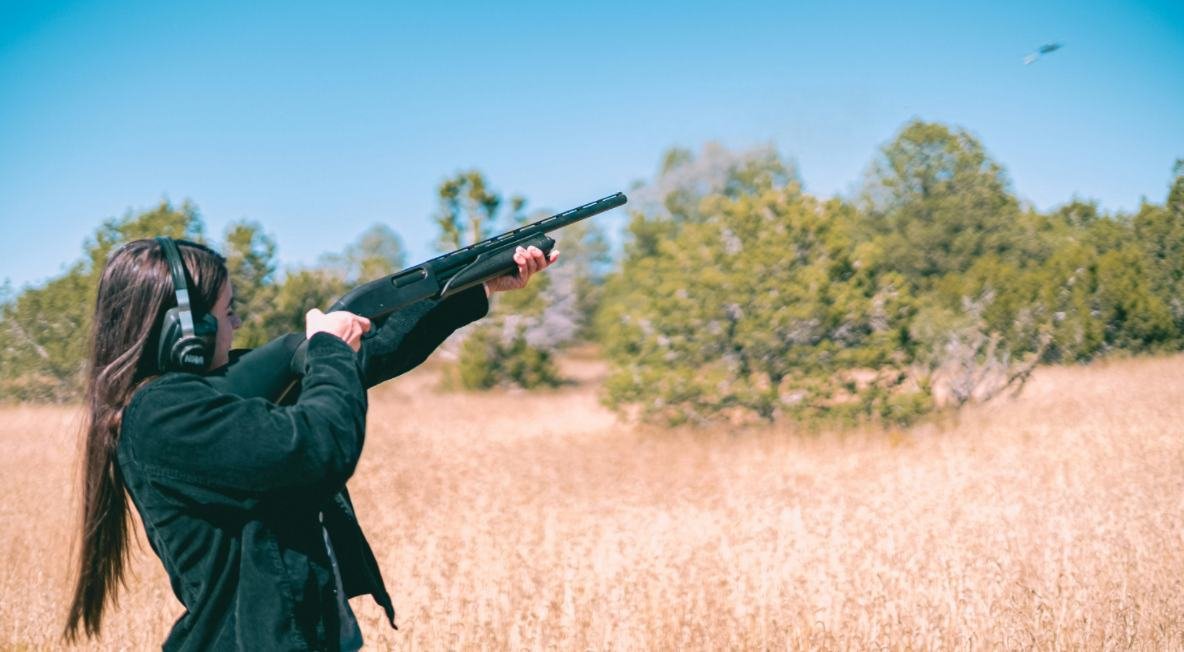
Patterning a shotgun means firing it at a paper target from a measured distance to see how the pellets spread. The goal is to study shot density, point of impact, and overall consistency.
Unlike a rifle, a shotgun doesn’t fire a single projectile. It fires dozens or even hundreds of pellets, so understanding their spread pattern is the only way to know true performance.
Why Do Hunters Pattern Their Shotguns
There are several core reasons hunters take the time to pattern their shotguns before heading into the field. Each one ties directly into accuracy, safety, and ethical hunting practices.
Determining the Best Choke and Ammo Combination
Different choke and ammunition combinations produce wildly different patterns. A full choke from one brand might perform completely differently than a full choke from another.
Patterning helps hunters identify which specific combination delivers the densest, most reliable pattern for their particular shotgun and hunting style.
Confirming Point of Aim vs Point of Impact
Many hunters assume their bead or sight lines up perfectly with where pellets actually land. This assumption is often wrong and can lead to missed or wounded game.
Patterning reveals whether a shotgun shoots high, low, left, or right relative to the aiming point, allowing hunters to adjust their technique accordingly.
Establishing Maximum Ethical Range
Every shotgun and choke combination has a realistic effective range. Beyond that distance, pattern density drops too low for a clean, humane kill.
Patterning lets hunters identify exactly how far they can ethically shoot before pellet spread becomes too thin to reliably take down game animals.
Improving Shooting Confidence in the Field
Knowing exactly how a shotgun performs removes guesswork from real hunting situations. Hunters can take shots with confidence instead of hoping for the best outcome.
This confidence often translates directly into better decision-making, especially in fast-moving scenarios like flushing birds or running game.
Identifying Barrel or Choke Defects
Occasionally, a shotgun barrel or choke has a manufacturing defect that causes uneven pellet distribution. Patterning is the only reliable way to catch this issue.
Uneven patterns with gaps or dense clusters in specific areas often point to a defect that needs professional inspection or repair.
Matching the Shotgun to the Game Being Hunted
Different game animals require different pattern densities and spreads. Turkey hunters need a tight, dense pattern, while upland bird hunters often prefer a wider spread.
Patterning allows hunters to fine-tune their setup specifically for the species they’re pursuing that season, rather than relying on a generic setup.
The Importance of Shotgun Patterning for Ethical Hunting
Ethical hunting is built on taking clean, humane shots that minimize suffering. Patterning plays a direct role in making that possible every time a hunter steps into the field.
A shotgun that hasn’t been patterned is an unknown variable. Hunters who skip this step risk wounding animals instead of achieving quick, effective kills.
Reducing Wounded or Lost Game
When pellet density is too low at a given range, animals can be hit without being cleanly taken down. This often results in wounded game that escapes and suffers.
Patterning helps hunters understand their true effective range, drastically reducing the chances of taking a shot that won’t result in a clean harvest.
Building Responsible Hunting Habits
Responsible hunters treat patterning as a non-negotiable part of preparation, similar to sighting in a rifle. It reflects respect for the animal and the sport itself.
This habit separates prepared, ethical hunters from those who rely purely on luck or assumptions about their equipment’s performance.
How Hunters Pattern Their Shotguns Step by Step
The patterning process is straightforward and can be done at home or at a shooting range with minimal equipment. Below is the general process most hunters follow.
Step 1: Gather the Right Equipment
Hunters need a large paper target, usually around 30 by 30 inches, along with tape, a measuring tool, and proper eye and ear protection before starting.
A solid backing board or pattern stand helps keep the paper secure and flat during testing for the most accurate results possible.
Step 2: Set the Target at the Correct Distance
Most hunters pattern at 20, 30, and 40 yards, depending on the type of hunting they plan to do that season.
Turkey hunters often test closer ranges around 20 to 30 yards, while waterfowl hunters may test further out toward 40 yards or beyond.
Step 3: Fire From a Stable Position
A stable, consistent shooting position ensures the test reflects the shotgun’s true performance rather than human error from an unstable stance.
Resting on a solid platform, similar to sighting in a rifle, produces far more reliable and repeatable results across multiple shots.
Step 4: Draw a 30-Inch Circle Around the Densest Area
After firing, hunters draw a 30-inch circle around the densest cluster of pellet holes on the paper target.
This circle becomes the reference point for measuring pattern density and calculating performance percentages for that specific choke and load.
Step 5: Count the Pellet Holes Inside the Circle
Every pellet hole inside the 30-inch circle gets counted manually. This number reflects how many pellets actually struck within the effective target zone.
For double-barrel or over-under shotguns, each barrel should be tested and counted separately to confirm both are performing consistently.
Step 6: Calculate the Pattern Percentage
Pattern percentage is calculated by dividing the pellet count inside the circle by the total pellet count in the shell, then multiplying by 100.
Most hunters aim for a pattern that falls between 70 and 80 percent density for reliable, ethical performance at their intended hunting range.
Understanding Pattern Percentage Results
Pattern percentage tells hunters exactly how efficient their choke and load combination really is. Here’s a simple breakdown of what different results typically mean.
| Pattern Percentage | Performance Level | Common Use Case |
|---|---|---|
| Below 50% | Too sparse | Not recommended for hunting |
| 50% to 65% | Moderate | Close-range upland birds |
| 70% to 80% | Ideal | Most hunting scenarios |
| Above 85% | Very tight | Turkey hunting, long range |
A pattern that’s too sparse increases the risk of wounding game, while one that’s too tight can reduce hit probability on fast-moving targets.
How Choke Type Affects Shotgun Patterning
Choke selection plays one of the biggest roles in how a shotgun patterns. Each choke type constricts the shot differently, changing spread and density at various ranges.
Full Choke
Full chokes produce the tightest pattern, making them ideal for long-range shots like turkey hunting where dense pellet concentration matters most.
Modified Choke
Modified chokes offer a balanced spread, commonly used for general bird hunting where shots happen at moderate, mid-range distances.
Improved Cylinder Choke
Improved cylinder chokes spread pellets wider, making them useful for closer-range shots where a bigger spread increases the chance of a hit.
Choosing the Right Choke for Your Hunt
| Choke Type | Best Range | Common Game |
|---|---|---|
| Full | 35-45 yards | Turkey, long-range waterfowl |
| Modified | 25-35 yards | Pheasant, general upland birds |
| Improved Cylinder | 15-25 yards | Quail, close-range upland birds |
How Ammunition Affects Shotgun Pattern Results
The same choke can produce completely different patterns depending on the ammunition used. Pellet size, shot material, and shell brand all influence final results.
Pellet Size and Shot Count
Smaller pellets mean more shot per shell, which can increase pattern density but reduce individual pellet energy on impact.
Larger pellets carry more stopping power but reduce overall shot count, which can lower pattern density at extended ranges.
Shot Material Differences
Lead, steel, and tungsten shot all pattern differently due to density and weight differences. Steel shot often patterns wider than lead at the same distance.
Hunters using non-lead shot for waterfowl regulations should always re-pattern their setup, since performance can shift significantly compared to lead loads.
Why Re-Patterning Matters When Switching Ammo
Switching ammunition brands or types without re-patterning is one of the most common mistakes hunters make. Performance can change drastically between brands.
A choke that performed perfectly with one shell type may produce a completely different pattern with another, even at the same distance.
Common Mistakes Hunters Make When Patterning Shotguns
Even experienced hunters sometimes skip important steps during the patterning process. These mistakes can lead to inaccurate results and poor decisions in the field.
Only Testing at One Distance
Many hunters test their shotgun once at a single distance and assume performance stays consistent at all ranges. This is rarely accurate.
Pattern density and spread change significantly between 20, 30, and 40 yards, so testing multiple distances gives a much clearer overall picture.
Skipping Multiple Shots Per Test
A single shot doesn’t provide statistically reliable data. Pellet distribution can vary between shells, even from the same box of ammunition.
Most experts recommend firing at least three to five shots per distance and averaging the results for more dependable conclusions.
Not Testing Both Barrels Separately
Hunters with double-barrel or over-under shotguns sometimes assume both barrels perform identically. This isn’t always true, even on quality firearms.
Each barrel should be patterned individually to confirm consistent performance before relying on either one in a hunting situation.
Ignoring Point of Impact Shifts
Some hunters focus only on pattern density and ignore where the center of impact actually lands relative to their aiming point.
A shotgun that patterns densely but consistently shoots high or low still requires aim adjustment to avoid missed shots in the field.
Shotgun Patterning for Different Hunting Scenarios
Different hunting situations call for different patterning approaches. Below is a breakdown of how patterning priorities shift based on the game being pursued.
Turkey Hunting
Turkey hunters typically test at closer ranges, focusing on extremely tight, dense patterns since a clean head and neck shot requires high pellet concentration.
Waterfowl Hunting
Waterfowl hunters often pattern at longer distances using steel or non-toxic shot, since regulations require non-lead ammunition for ducks and geese.
Upland Bird Hunting
Upland hunters generally favor wider patterns at closer ranges since birds often flush suddenly and require fast, instinctive shots.
Big Game Shotgun Hunting
Hunters using shotguns with slugs for deer or other big game pattern differently, focusing on single-projectile accuracy rather than pellet spread.
How Often Should Hunters Pattern Their Shotguns
Patterning isn’t a one-time task. Several factors can change a shotgun’s performance over time, making regular testing an important habit for serious hunters.
Before Every Hunting Season
Most experts recommend patterning at the start of every season, even if no changes were made to the shotgun, choke, or ammunition.
After Switching Ammunition Brands
Any time hunters switch to a new shell brand or shot type, re-patterning confirms whether performance has changed significantly from previous results.
After Installing a New Choke Tube
New aftermarket chokes can perform very differently from factory chokes, making patterning essential before relying on them during an actual hunt.
After Any Repairs or Modifications
Barrel work, choke replacements, or other modifications can all affect pattern performance and should always be followed by a fresh patterning session.
Benefits of Patterning a Shotgun Beyond Hunting Success
While ethical hunting is the primary reason hunters pattern their shotguns, there are several additional benefits worth considering as well.
Improved Shooting Technique
Patterning sessions naturally improve shooting form, since hunters observe their results directly and adjust stance, grip, and aim accordingly over time.
Better Understanding of Equipment
Hunters gain a deeper understanding of how their specific shotgun, choke, and ammo combination behaves, building long-term confidence in their gear.
Cost Savings on Ammunition
Knowing exactly which ammo performs best prevents wasted money on unsuitable loads that don’t match a hunter’s shotgun or hunting style.
Tools and Equipment Needed for Shotgun Patterning
Patterning doesn’t require expensive equipment. Most hunters already have what they need or can acquire supplies affordably before their next range session.
| Equipment | Purpose |
|---|---|
| Large paper target | Captures pellet spread visually |
| Pattern stand or backing board | Holds target steady during testing |
| Measuring tape | Confirms accurate shooting distance |
| Eye and ear protection | Required safety gear |
| Marker or pen | Marks circles and aim points |
Shotgun Gauge and Its Effect on Patterning
Gauge size plays a major role in how a shotgun patterns, since it directly determines how much shot a shell can hold and how it spreads downrange.
12 Gauge Patterning Characteristics
The 12 gauge is the most common hunting shotgun size, offering a strong balance between pellet count, recoil, and versatility across most game species.
Its larger shell capacity allows for denser patterns at extended ranges, making it a popular choice for waterfowl and turkey hunters alike.
20 Gauge Patterning Characteristics
The 20 gauge holds fewer pellets than a 12 gauge but offers reduced recoil, making it a favorite among upland hunters and newer shooters.
Patterning results often show a slightly less dense spread compared to 12 gauge loads, which is worth confirming before relying on it at longer ranges.
410 and Smaller Gauges
Smaller gauges like the .410 hold significantly fewer pellets, resulting in much tighter effective ranges. Patterning becomes even more critical with these smaller options.
Hunters using sub-gauge shotguns should always pattern carefully, since margin for error shrinks considerably with lower overall pellet counts.
Reading and Interpreting a Pattern Sheet
Once a pattern sheet is shot, knowing how to read it properly is just as important as the shooting itself. Misreading results can lead to poor equipment choices.
Checking for Even Distribution
A good pattern should show pellets spread fairly evenly across the entire circle, without large gaps or overly dense clusters in one specific area.
Uneven distribution often signals a mismatch between choke and ammunition, or in some cases, a barrel defect worth investigating further.
Identifying Fliers
Fliers are pellets that land far outside the main pattern cluster. A few fliers are normal, but an excessive number can indicate ammunition quality issues.
Tracking flier frequency across multiple shots helps hunters decide whether a specific shell brand is worth continuing to use.
Comparing Multiple Pattern Sheets Side by Side
Laying several pattern sheets next to each other makes it much easier to spot trends across different chokes, loads, or distances tested that day.
This side-by-side comparison is often the fastest way to identify which combination consistently outperforms the others during a testing session.
Shotgun Patterning Mistakes That Affect Safety
Beyond performance issues, certain patterning mistakes can also create safety concerns that every hunter should be aware of before heading to the range.
Shooting Without Proper Backstop
A solid, safe backstop behind the target is essential. Pellets that miss the paper entirely need somewhere safe to stop without risking injury or property damage.
Failing to Confirm Choke Is Properly Installed
A loose or improperly threaded choke tube can cause dangerous pressure issues or wildly inconsistent patterns, making installation checks a critical pre-test step.
Not Accounting for Wind During Outdoor Testing
Wind can shift lighter pellets slightly off course during outdoor patterning sessions, so testing on a calm day produces more reliable, repeatable results.
How Professional Hunters and Guides Approach Patterning
Experienced guides and professional hunters often treat patterning as a non-negotiable ritual, not a one-time chore. Their approach offers useful lessons for newer hunters.
Testing Multiple Load and Choke Combinations Yearly
Many professionals retest several load and choke combinations every single season, even when sticking with the same general setup as previous years.
Keeping a Patterning Log
Serious hunters often keep detailed notes on pattern percentages, distances, and ammo types tested, building a personal reference library over multiple seasons.
This kind of record-keeping makes it much faster to identify the best setup when preparing for a new hunting trip or switching game species.
Re-Testing After Travel
Guides who travel with clients to different hunting locations often re-pattern shotguns after travel, since rough handling can occasionally affect choke tightness or alignment.
Quick Reference: Patterning Checklist for Hunters
Before heading out to pattern a shotgun, running through a simple checklist helps ensure the session produces accurate, useful results.
| Checklist Item | Why It Matters |
|---|---|
| Confirm choke is tightened | Prevents inconsistent or unsafe patterns |
| Use intended hunting ammo | Ensures realistic, relevant results |
| Test at multiple distances | Reveals true effective range |
| Fire at least three shots per test | Improves statistical reliability |
| Record results in a log | Builds useful long-term reference data |
Frequently Asked Questions (FAQs)
Why do hunters pattern their shotguns before a hunt?
Patterning shows how a shotgun’s pellets spread at a given distance, helping hunters confirm accuracy and select the right choke and ammo combination.
What distance should I pattern my shotgun at?
Most hunters test at 20, 30, and 40 yards, choosing the distance that matches their intended hunting range and target species.
How many shots should I fire when patterning?
Experts recommend firing at least three to five shots per distance and averaging the results for more reliable, consistent data.
What is a good pattern percentage for hunting?
A pattern density between 70 and 80 percent inside a 30-inch circle is generally considered ideal for most hunting situations.
Do I need to pattern both barrels on a double-barrel shotgun?
Yes, each barrel should be tested separately since performance can vary even between barrels on the same shotgun.
Does changing ammunition brands affect patterning results?
Yes, different ammunition brands can produce significantly different patterns, even when using the same choke and shotgun.
How does choke type affect shotgun patterning?
Tighter chokes like full produce denser patterns at longer range, while open chokes like improved cylinder spread pellets wider at closer range.
Why is point of impact important in shotgun patterning?
Point of impact shows whether your shotgun shoots high, low, left, or right compared to your aim, which affects shot placement accuracy.
Can patterning help identify a faulty shotgun barrel?
Yes, uneven or gapped patterns can reveal barrel or choke defects that wouldn’t be obvious without testing on paper first.
How often should hunters re-pattern their shotguns?
Hunters should re-pattern before every season, after switching ammo, installing new chokes, or making any repairs to their shotgun.
Conclusion
Patterning a shotgun is one of the most important steps any hunter can take before heading into the field. It removes guesswork, confirms point of impact, and helps identify the ideal choke and ammunition combination for ethical, effective hunting.
Skipping this process leaves too much to chance, increasing the risk of missed shots or wounded game. Whether you’re chasing turkey, waterfowl, or upland birds, understanding exactly how your shotgun performs at different distances builds confidence and consistency in the field.
Make patterning a regular habit each season, especially after switching ammo or chokes. This small investment of time pays off through cleaner shots, better results, and a more responsible overall hunting experience.


