

Why Do Eye Drops Burn? That sharp sting the moment a drop hits your eye is one of the most common complaints in eye care. Most of the time it fades in seconds, but it can still leave you wondering if something is wrong.
Why Do Eye Drops Burn?
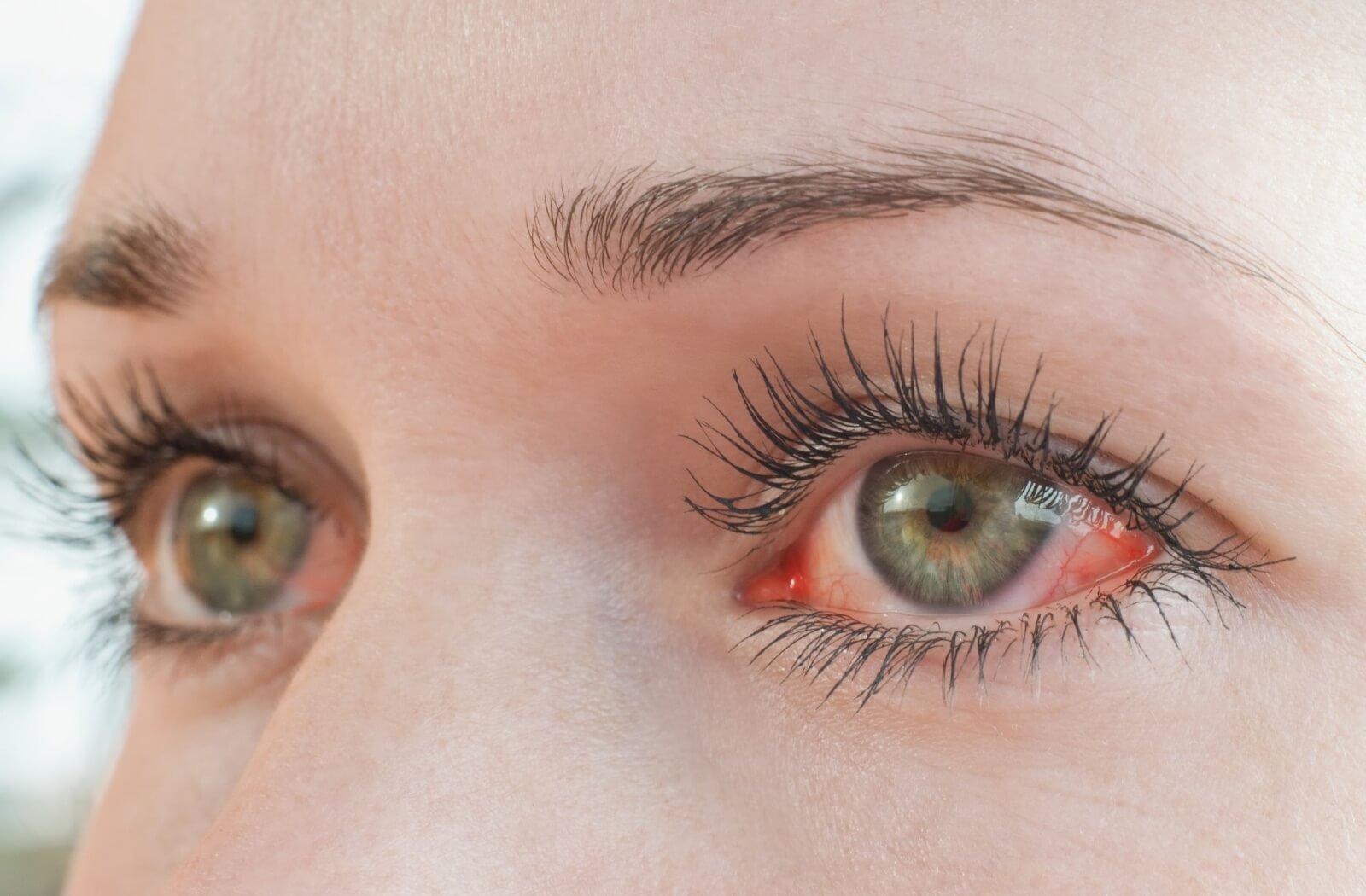

Eye drops usually burn because of preservatives like benzalkonium chloride, a pH or osmolarity mismatch with your natural tears, or active ingredients that irritate the ocular surface.
Brief burning that fades within 5 to 10 seconds is normal. Burning that lasts longer, or comes with redness and swelling, may point to sensitivity or an underlying eye condition.
Common Reasons Eye Drops Burn
Not every burning sensation has the same cause. Here are the main triggers doctors and researchers point to most often.
Preservatives Like Benzalkonium Chloride
Benzalkonium chloride, or BAK, is added to multi-dose bottles to stop bacteria from growing. It works well as a disinfectant, but it can also break down the eye’s natural lipid layer.
Research on BAK shows it can lead to ocular discomfort, redness, dryness, and tear film instability, especially with frequent use. This is one of the biggest reasons preserved drops sting more than preservative-free versions.
pH and Osmolarity Mismatch
Your natural tears sit at a fairly stable pH, close to neutral. Some eye drops, particularly glaucoma or strong dry eye formulas, are more acidic or alkaline to help the drug work better.
When that solution touches your eye, the pH difference alone can trigger a burning or stinging sensation on contact. The bigger the mismatch, the sharper the sting usually feels.
Active Ingredients That Sting
Certain medicated drops are simply designed with ingredients that irritate on contact. Redness-relieving drops with vasoconstrictors are a common example.
Some active ingredients in prescription formulas are known to create a tingling or burning sensation at first use, which often settles down after a few applications.
Allergies and Sensitivities
Some people react to a specific ingredient rather than the drop itself. This could be the preservative, a stabilizer, or the active medication.
Allergic reactions usually bring extra symptoms like itching, swelling, or hives, not just a quick sting. If that happens, it’s worth switching formulas.
Contaminated or Expired Drops
A bottle tip that has touched your eye, eyelid, or a countertop can introduce bacteria into the solution. Broken seals also let germs in over time.
Using drops past their expiration date raises the same risk. Contaminated solution is far more likely to cause irritation and burning than a fresh, sealed bottle.
Overuse or Wrong Application
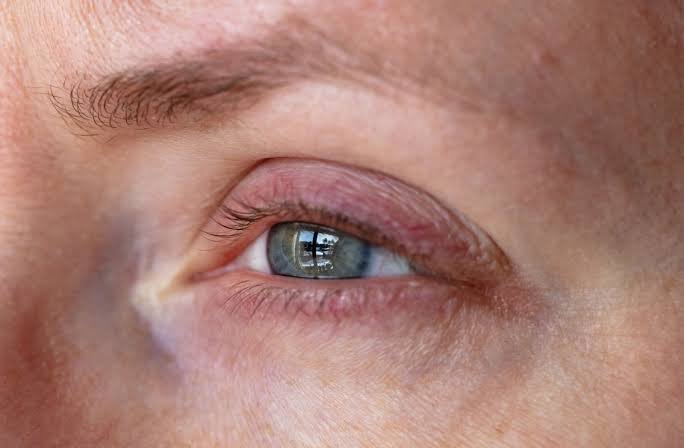

Using drops more often than directed can wear down your tear film instead of protecting it. This is especially true with preserved formulas used several times a day.
Improper application, like touching the tip to your eye or blinking too hard right after, can also make the sting feel worse than it needs to be.
Already Irritated or Dry Eyes
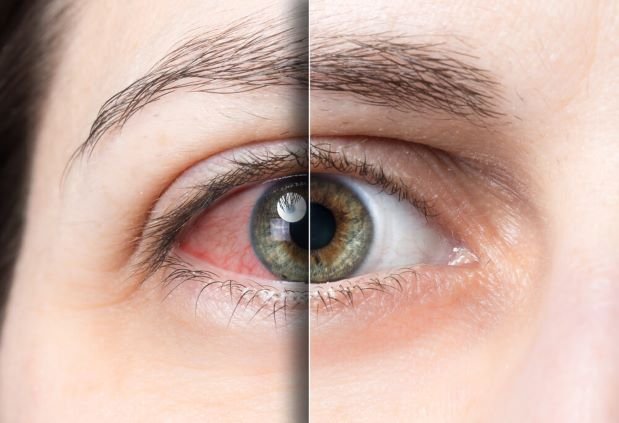
If your eyes are already inflamed from allergies, infection, or chronic dryness, even a gentle drop can feel like it burns. The surface has less protection to begin with.
Conditions like blepharitis or conjunctivitis often make eyes more reactive to any topical product, including artificial tears.
Is It Normal for Eye Drops to Burn?
A short sting lasting a few seconds is considered a normal, expected reaction for many drops. Your eye is simply adjusting to a new liquid on its surface.
Burning that is severe, that doesn’t fade, or that comes with vision changes is not typical. That pattern usually means the formula isn’t right for your eyes, or something else is going on.
Eye Drop Types and Their Burning Risk
| Eye Drop Type | Common Burning Risk | Why It Happens |
|---|---|---|
| Preserved artificial tears | Moderate | Contains BAK or similar preservatives |
| Preservative-free tears | Low | No detergent-based preservative |
| Glaucoma medications | Moderate to High | Acidic pH, long-term preservative exposure |
| Redness relievers | Moderate | Vasoconstrictors plus preservatives |
| Allergy eye drops | Low to Moderate | Active antihistamine ingredients |
| Antibiotic drops | Moderate | Medicated formula, often preserved |
How to Reduce Burning When Using Eye Drops

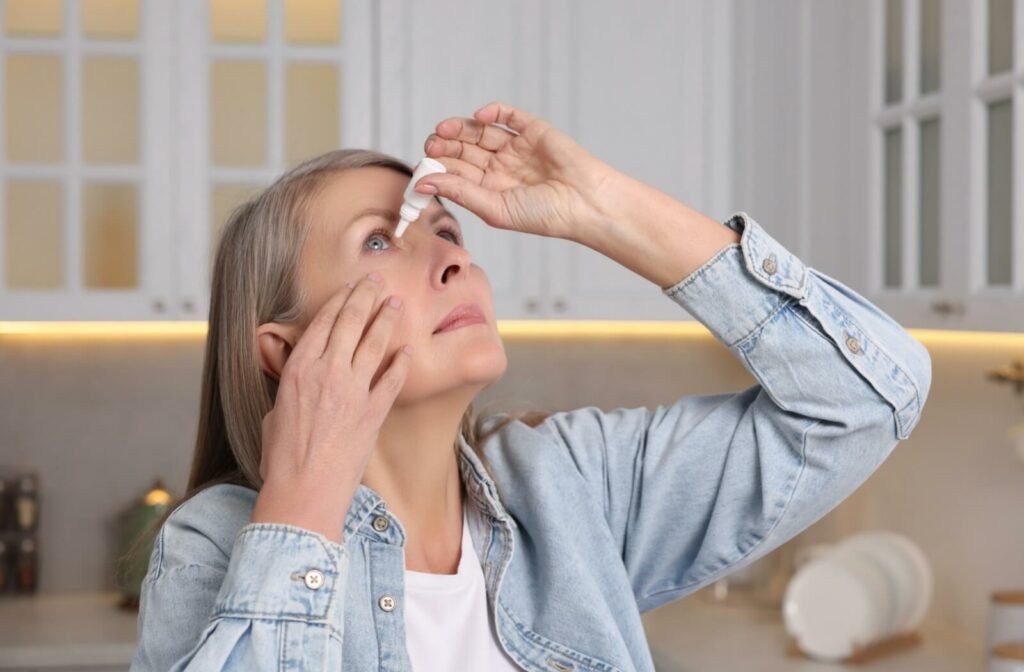
A few simple habits can make a noticeable difference in comfort.
- Refrigerate certain drops if your doctor allows it, since cooler liquid feels gentler on contact.
- Switch to preservative-free, single-use vials if you use drops more than four times a day.
- Avoid letting the bottle tip touch your eye, lashes, or any surface.
- Wait at least five minutes between different eye drop products.
- Check expiration dates and discard any bottle past its use-by date.
- Blink gently rather than squeezing your eyes shut after applying a drop.
When Burning Eye Drops Signal a Problem
Occasional mild stinging rarely needs medical attention. But certain signs mean it’s time to call your eye doctor.
Watch for burning paired with hives, swelling, dizziness, severe pain, or sudden vision changes. These can point to an allergic reaction, an ingredient intolerance, or an underlying eye condition that needs proper treatment.
Preservative-Free vs Preserved Eye Drops
| Factor | Preserved Drops | Preservative-Free Drops |
|---|---|---|
| Burning risk | Higher with frequent use | Very low |
| Shelf life after opening | Weeks to months | Single use only |
| Cost | Lower per bottle | Higher per dose |
| Best for | Occasional use | Daily or long-term use |
| Contamination risk | Higher over time | Minimal |
Expert Tips
Eye care providers generally recommend preservative-free drops for anyone using them more than a few times daily. This single switch removes the most common cause of burning.
If a specific brand consistently stings, it is reasonable to ask your eye doctor about alternatives that may not cause the same reaction.
Mistakes to Avoid

- Don’t ignore burning that lasts more than a minute or worsens over time.
- Don’t share eye drop bottles with family members.
- Don’t use drops that have changed color or texture.
- Don’t assume all burning is harmless without checking for other symptoms.
Also Read:
- Why Does One Side of My Throat Hurt When I Swallow?
- Why Is My Tongue Itchy? Common Causes & Treatments
- Why Does My Gum Hurt When I Touch It?
- Why Do My Feet Burn at Night? 9 Possible Causes
- Why Are MRIs So Expensive? The Real Cost Explained
- How Peptides Are Changing the Science of Bodybuilding Research
- How Cashless Health Insurance Is Transforming Patient Experience
- Dr. L Barbara Robinson on Robotic Heart Surgery vs Traditional Procedure
- How the Best Personal Training Studios in Singapore Use Data
- 10 AI Tools Every Small Business Should Use in 2026
- Modern Commercial Janitorial Practices for Healthier Workplaces
- 5 Easy Ways to Refresh Your Everyday Look Without Buying a Whole New Wardrobe
- 9 Best Equipment Management Tools for Recording Studios
- Direct vs Layover Flight: Best Option for the Bhubaneswar to Delhi Route
- Creating Mood-Based Images for Social Posts
- Small Light, Big Output: Olight Baton 4
- Tired of Cleaning After Work? Scheduled Services Ease Everyday Pressure
- 8 Best Wedding Photo QR Code Apps
- Top Sales Gamification Software That Drives Results
- 5 DFM Rules Secure Micron-Level Precision for Critical Robotic Hardware
- Self Storage Dubai: A Simple Guide Before You Book
- How Market Makers Affect Liquidity, Spreads, and Trading Decisions
- 430+ Trendy Roblox Username Ideas for Boys & Girls
- 1000+ Trendy Instagram Usernames Ideas for Girls
- Letflix Review: Features, How It Works and Safe to Use?
Frequently Asked Questions (FAQs)
Why do my eye drops burn every time I use them?
This usually happens because of a preservative like benzalkonium chloride or a pH difference between the drop and your natural tears. Switching to a preservative-free version often solves it.
Is it normal for eye drops to sting for a few seconds?
Yes, a brief sting of five to ten seconds is a normal reaction for many eye drops. It should fade quickly on its own.
Why do some eye drops burn more than others?
Formulas with active medications, preservatives, or an acidic pH tend to sting more than simple lubricating tears. Preservative-free artificial tears usually burn the least.
Can expired eye drops cause burning?
Yes, expired or contaminated drops can irritate the eye more than fresh ones. Always check the expiration date before use.
Should I stop using eye drops if they burn?
Brief mild stinging is not a reason to stop. Persistent burning, redness, or swelling means you should stop and consult your eye doctor.
Do preservative-free eye drops burn less?
Yes, preservative-free formulas are far less likely to cause burning since they don’t contain detergent-based preservatives like BAK.
Why do glaucoma eye drops burn so much?
Glaucoma medications often have an acidic pH and long-term preservative exposure, both of which increase irritation compared to basic artificial tears.
Can allergies cause eye drops to burn?
Yes, a sensitivity or allergy to an ingredient can cause burning along with itching, redness, or swelling. Switching brands can help identify the trigger.
Why do eye drops burn only in one eye?
This can happen if one eye is more irritated, dry, or inflamed than the other, making it more reactive to the same drop.
How long should burning from eye drops last?
Typical burning fades within seconds to about a minute. Anything longer, or paired with pain, should be checked by a professional.
Can I use cold eye drops to reduce burning?
Refrigerating certain drops can make application feel more soothing, but always confirm with your doctor or the product label first.
Why do redness relief eye drops burn more than regular ones?
Redness relievers often contain vasoconstrictors and preservatives, which can be more chemically active than basic lubricating drops.
What ingredient in eye drops causes the most burning?
Benzalkonium chloride, commonly known as BAK, is the ingredient most frequently linked to burning and irritation in eye drops.
Can overusing eye drops cause more burning over time?
Yes, using drops more often than recommended can disrupt your natural tear film and increase irritation with repeated use.
Why do my eyes burn after using contact lens rewetting drops?
Some rewetting drops contain preservatives not suited for contact lens wearers, which can build up on the lens and cause irritation.
Is burning after eye drops a sign of infection?
Not usually on its own, but burning combined with discharge, swelling, or worsening redness can indicate an infection that needs treatment.
Can children use eye drops that burn less?
Yes, preservative-free, pediatric-formulated drops are generally gentler and better tolerated by children’s more sensitive eyes.
Why do my eyes burn more with generic eye drops?
Different brands use different preservative concentrations and inactive ingredients, so a generic version may irritate more than a name brand, or vice versa.
Does eye drop burning mean it’s working?
No, burning is not an indicator of effectiveness. A drop can work well without causing any noticeable sting.
When should I see a doctor about burning eye drops?
See a doctor if burning is severe, doesn’t fade within a minute, or comes with vision changes, swelling, or discharge.
Conclusion
So, why do eye drops burn? Most of the time it comes down to preservatives, pH differences, or an active ingredient that simply isn’t gentle on the eye’s surface.
A quick sting that fades in seconds is normal and nothing to worry about. Anything more severe, or paired with redness and swelling, is worth a conversation with your eye doctor.
If burning is a regular problem, ask about preservative-free options. It’s often the simplest fix for a more comfortable experience every time you use your drops.