


Why do dogs snore? If you have ever been woken up in the middle of the night by a rumbling, snuffling sound coming from your dog’s bed, you already know how surprisingly loud a sleeping dog can get.
Dog snoring is far more common than most pet owners realize, and while it is often completely harmless, it can sometimes signal an underlying health issue that deserves attention.
Understanding why dogs snore helps you become a more informed and proactive pet parent.
How Does Dog Snoring Actually Work?
Why do dogs snore? The mechanics are very similar to human snoring. When a dog sleeps, the muscles throughout their body — including those in the throat and soft palate — fully relax.
As the throat muscles relax, the airway partially narrows. When air moves through a narrowed airway, the surrounding soft tissues vibrate. Those vibrations produce the snoring sound.
The louder and more persistent the snore, the more restricted the airflow. Understanding this basic mechanism helps make sense of every cause on this list — because every cause of dog snoring ultimately traces back to something that narrows or blocks the airway during sleep.
7 Common Reasons Why Dogs Snore
Reason 1: Breed Anatomy and Brachycephalic Structure
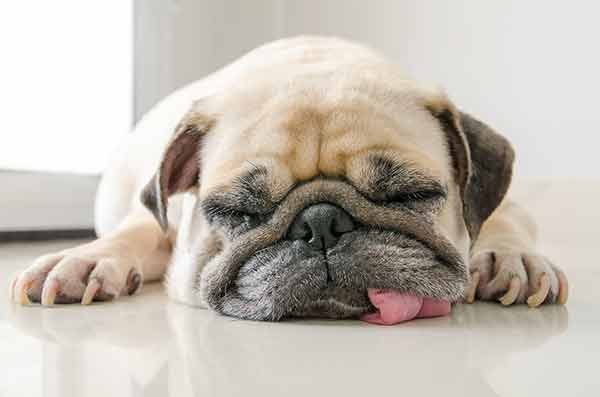
The number one reason why dogs snore is their physical anatomy — particularly for flat-faced breeds known as brachycephalic dogs. Brachycephalic means “short-headed,” and these dogs are structurally built in a way that makes breathing harder.
Brachycephalic dogs have compressed skulls, shortened snouts, narrowed nostrils, elongated soft palates, and sometimes narrowed tracheas. All of these features create natural resistance to airflow — resistance that becomes even more significant during sleep when muscles relax further.
This condition has a clinical name: Brachycephalic Obstructive Airway Syndrome, or BOAS. Dogs with BOAS do not just snore during sleep — many of them snort, wheeze, and breathe loudly even while awake, particularly after exercise or excitement.
For brachycephalic breeds, snoring is not a symptom of something going wrong — it is simply the sound their anatomy makes when air passes through a structurally compressed airway. While mild snoring in these breeds is expected, severe or worsening snoring should still be evaluated by a vet, as BOAS can cause real respiratory distress over time.
Reason 2: Sleep Position
One of the most common and least-worrying reasons why dogs snore is how they position their bodies during sleep. Certain sleeping positions naturally restrict airflow even in anatomically normal dogs.
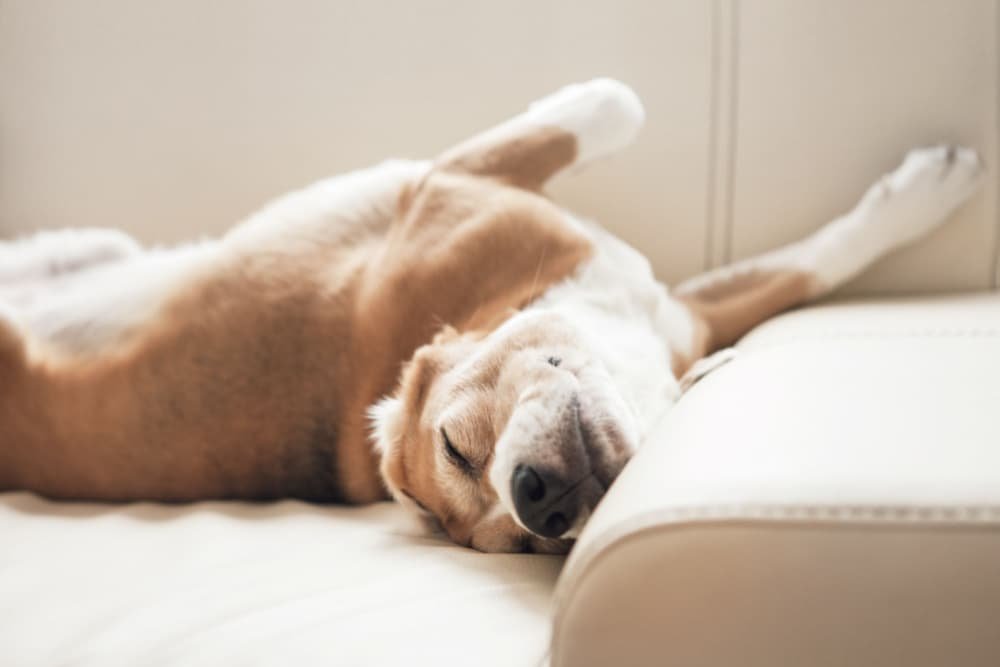
Dogs that sleep on their back with all four paws in the air are the most prone to positional snoring. In this position, the tongue falls backward toward the larynx, partially blocking the airway. The throat tissues also relax and sag in ways that create vibration as air passes through.
Dogs that sleep with their neck draped over the arm of a couch, a pillow, or another pet may also create awkward bends in the airway that generate snoring sounds. Any position that puts pressure on the neck or creates a bend in the breathing passage can be a contributing factor.
Positional snoring resolves on its own as soon as the dog shifts position or wakes up. It requires no treatment and is not a cause for concern on its own.
Reason 3: Obesity and Excess Weight
Excess weight is one of the most impactful and reversible causes of dog snoring. When a dog carries too much body fat, that fat does not only accumulate around the belly — it also builds up in the tissues around the throat and neck.
These fatty deposits narrow the airway from the outside, creating additional resistance to airflow during breathing. The more restricted the airway, the louder and more frequent the snoring becomes. Overweight dogs often snore heavily every single night rather than occasionally.
The relationship between obesity and snoring in dogs also creates a dangerous cycle. Snoring disrupts sleep quality. Poor sleep quality reduces a dog’s energy and motivation for activity. Reduced activity leads to further weight gain, which worsens the snoring. This cycle, if left unaddressed, can escalate into sleep apnea.
Helping your dog reach and maintain a healthy weight through appropriate diet and regular exercise is one of the most effective ways to reduce snoring and improve overall health outcomes.
Reason 4: Allergies and Environmental Irritants
Allergies are a frequently overlooked reason why dogs snore, particularly when the snoring appears seasonally or in response to specific environmental changes. Just like humans, dogs can be allergic to pollen, dust, mold spores, secondhand smoke, and certain household cleaning products.
When a dog is exposed to an allergen, their immune system responds with inflammation. The nasal passages swell, mucus production increases, and airflow through the nose becomes restricted. That restriction during sleep produces snoring — often accompanied by congestion-like sounds.
Environmental irritants work in a similar way even without a true allergic response. Secondhand cigarette smoke is one of the most commonly reported triggers. Dry indoor air — particularly during winter when heating systems reduce humidity — irritates the nasal passages and throat tissues, making them more prone to vibration.
Using an air purifier with a HEPA filter in the room where your dog sleeps, maintaining appropriate indoor humidity with a humidifier, and removing known allergens from your dog’s environment can all make a meaningful difference.
Reason 5: Upper Respiratory Infections and Illness
Any illness that affects the respiratory tract can cause a dog to snore temporarily. Upper respiratory infections — sometimes called dog colds or kennel cough — create nasal congestion, mucus buildup, and swollen airway tissues, all of which restrict airflow during sleep.
Kennel cough, canine influenza, and similar respiratory illnesses are common causes of sudden-onset snoring in dogs that do not normally snore. If your dog suddenly begins snoring for the first time during a period when they are also showing symptoms like a runny nose, coughing, lethargy, or reduced appetite, a respiratory infection is likely the cause.
Less commonly, fungal infections affecting the respiratory tract can also cause snoring. These require veterinary diagnosis and antifungal treatment. In most cases of infection-related snoring, the snoring resolves once the underlying illness clears up with appropriate treatment.
Reason 6: Dental Problems and Tooth Abscesses
A tooth abscess — a bacterial infection at the root of a tooth — is a lesser-known but real cause of dog snoring. The roots of the upper teeth in dogs sit very close to the nasal passages. When a tooth becomes infected, the bacterial inflammation and swelling can extend into the adjacent nasal tissue.
This swelling partially blocks the nasal passage and causes the dog to breathe and snore more loudly than normal. The snoring may be accompanied by a foul odor, visible swelling around the face or jaw, reluctance to eat hard food, or pawing at the mouth.
Tooth abscesses require veterinary treatment, which typically involves extraction of the affected tooth and a course of antibiotics. Once the infection is resolved, the snoring caused by dental disease usually stops.
Good dental hygiene — regular tooth brushing, dental chews, and routine veterinary dental cleanings — helps prevent tooth abscesses and the snoring that can accompany them.
Reason 7: Obstruction, Tumors, and Polyps
One of the more serious reasons why dogs snore is the presence of a physical obstruction in the airway. This can include a foreign body that a dog has inhaled — a piece of grass, a small toy fragment, or plant material — lodged in the nasal passage or throat.
More concerning is when a tumor, polyp, or abnormal growth develops on or near the larynx, inside the nasal passage, or in the throat. These growths reduce the space available for airflow, creating turbulence and vibration as the dog breathes during sleep.
Obstruction-related snoring typically begins suddenly in a dog that previously slept quietly, and it tends to be persistent — present every night rather than occasionally. It may also be accompanied by visible signs like nasal discharge, nosebleeds, visible swelling, labored breathing while awake, or a change in the character of the dog’s bark or voice.
This is the most medically serious cause of dog snoring and requires immediate veterinary evaluation. Early detection of nasal or laryngeal tumors significantly improves treatment outcomes.
Additional Causes Worth Knowing
Beyond the seven main reasons, a few additional factors can contribute to or worsen dog snoring.
Hypothyroidism
An underactive thyroid gland — a condition called hypothyroidism — reduces the production of thyroid hormone, which among other effects can cause a decrease in muscle tone throughout the body, including in the throat. This reduced muscle tone allows airway tissues to collapse more easily during sleep, producing snoring.
Hypothyroidism in dogs is often accompanied by other signs including weight gain, a dull coat, flaky skin, low energy, cold intolerance, and ear infections. A simple blood test at your vet can diagnose this condition, and it is typically managed well with daily thyroid hormone supplementation.
Age-Related Muscle Loss
As dogs age, they naturally lose muscle tone throughout the body — including in the muscles that keep the airway open during sleep. Senior dogs may develop snoring that was not present when they were younger, simply because the reduced tone in their throat muscles allows tissues to vibrate more easily.
Age-related snoring is often gradual in onset and mild in severity. However, if snoring in a senior dog becomes suddenly louder, more labored, or is accompanied by other breathing changes, a vet visit is always the right call.
Medications
Certain medications prescribed for dogs can cause muscle relaxation as a side effect, which in turn increases the likelihood of snoring. If your dog has recently been prescribed a new medication and snoring has started or worsened around the same time, mention this to your veterinarian.
They can confirm whether the medication is likely responsible and discuss whether any adjustments are appropriate. Never stop a prescribed medication for your dog without veterinary guidance.
Secondhand Smoke and Air Pollution
Dogs exposed to regular secondhand cigarette smoke have higher rates of respiratory irritation, nasal inflammation, and snoring. Chronic smoke exposure can cause lasting damage to the nasal passages and lungs that goes well beyond occasional snoring.
Air pollution more broadly — including vehicle emissions, industrial chemicals, and strong household cleaning products — can irritate a dog’s respiratory tract and trigger temporary increases in snoring. Ensuring good indoor air quality in your home protects both your dog’s breathing and your own.
Which Dog Breeds Snore the Most?
While any dog can snore under the right conditions, certain breeds are dramatically more prone to snoring than others due to their anatomy, size, or throat structure.
| Breed | Reason for Snoring |
|---|---|
| Pug | Extremely short muzzle, narrowed nostrils, elongated soft palate |
| English Bulldog | Compact skull, narrow airways, pronounced BOAS features |
| French Bulldog | Short snout, narrowed nostrils, thick throat tissues |
| Boston Terrier | Shortened snout, classic BOAS anatomy |
| Shih Tzu | Flat face, narrow nasal passages |
| Boxer | Short snout, muscular build with thick neck tissues |
| Pekingese | Very flat face, severely compressed nasal anatomy |
| Chow Chow | Thick neck and throat tissues, restricted airflow |
| Basset Hound | Naturally long soft palate, floppy throat tissues |
| Saint Bernard | Large body, heavy throat tissues, naturally relaxed musculature |
| Newfoundland | Size combined with thick throat tissues |
| Mastiff | Heavy build, relaxed throat muscles during sleep |
Non-brachycephalic breeds can also develop snoring due to weight gain, allergies, illness, or age — so the absence of your dog’s breed from this list does not mean snoring is impossible or unimportant.
Normal Snoring vs. Concerning Snoring: How to Tell the Difference
Not all snoring requires the same response. Here is a practical guide to help you determine when dog snoring is harmless versus when it deserves veterinary attention.
| Type of Snoring | Likely Cause | Action Needed |
|---|---|---|
| Occasional, soft snoring in a brachycephalic breed | Normal anatomy | Monitor; no immediate action needed |
| Snoring only when sleeping on back | Sleep position | Change sleeping position; monitor |
| Snoring that appeared during a cold or illness | Respiratory infection | Vet visit if not improving in 5–7 days |
| Snoring that started suddenly in a previously quiet sleeper | Obstruction, infection, or growth | Vet visit soon |
| Loud, nightly snoring in an overweight dog | Obesity | Vet-guided weight management |
| Snoring with nasal discharge, nosebleeds, or facial swelling | Possible tumor, polyp, or severe infection | Urgent vet visit |
| Snoring with gasping or choking episodes during sleep | Sleep apnea | Urgent vet visit |
| Snoring with labored breathing while awake | Serious airway obstruction or BOAS | Urgent vet visit |
The single most important red flag is a sudden change — a dog that previously slept quietly suddenly developing loud, persistent snoring. This specific pattern is the one that most consistently points to a new and potentially serious underlying cause.
Dog Snoring and Sleep Apnea: What You Need to Know

Snoring and sleep apnea are related but not the same thing. Snoring is the sound produced by a partially restricted airway. Sleep apnea is what happens when that restriction becomes severe enough to actually interrupt breathing — the dog momentarily stops breathing during sleep, often accompanied by a visible effort to breathe, followed by a sudden rush of air.
There are two types of sleep apnea documented in dogs. Obstructive sleep apnea occurs when the soft tissues of the airway physically collapse during sleep, temporarily blocking breathing. Central sleep apnea involves the brain failing to send the appropriate breathing signal during sleep — in this type, the dog attempts to breathe repeatedly without sound before the body corrects itself.
Dogs with obstructive sleep apnea almost always snore. Not every dog that snores has sleep apnea, but persistent loud snoring is the most reliable early warning sign.
Obesity is the leading cause of sleep apnea in dogs. Weight loss is the most effective treatment. Surgical correction of BOAS features in brachycephalic breeds can also significantly reduce both snoring and sleep apnea risk. Unlike in humans, CPAP machines are not practical or well-studied for use in dogs.
How Snoring Affects Your Dog’s Health
Occasional light snoring has no meaningful impact on a dog’s health or sleep quality. But chronic, disruptive snoring does carry real health consequences that go beyond the noise.
Poor sleep quality from snoring leads to reduced oxygen levels during sleep. Over time, reduced oxygenation during sleep can contribute to fatigue, behavioral changes, reduced immune function, and poorer cardiovascular health.
Dogs that do not sleep deeply or restfully due to snoring-related disruptions may show signs during the day — excessive daytime sleepiness, reduced activity, irritability, or difficulty with training and learning.
Chronic snoring is also linked to higher rates of sleep apnea, which carries its own serious health risks including prolonged low oxygen periods during sleep.
Interestingly, your dog’s snoring can also affect your health. Research published in 2023 found that dog owners who share a bedroom or bed with their pet report more sleep disturbances than non-dog owners, with snoring being among the most cited reasons.
How to Stop or Reduce Dog Snoring: Practical Solutions
The right solution for dog snoring depends entirely on the underlying cause. Here is a practical breakdown of the most effective approaches.
| Cause | Solution |
|---|---|
| Sleep position | Provide a round or donut-style bed that encourages curled sleeping positions |
| Obesity | Vet-guided weight loss plan; dietary adjustments and more exercise |
| Allergies | HEPA air purifier; remove allergens; antihistamines or allergy medication from vet |
| Dry indoor air | Use a humidifier near the dog’s sleeping area |
| Environmental irritants | No smoking indoors; avoid strong chemical cleaners near the dog |
| Respiratory infections | Veterinary diagnosis and appropriate antibiotic or antiviral treatment |
| Dental abscess | Veterinary dental exam and treatment; extraction if necessary |
| BOAS in brachycephalic breeds | Surgical correction (widening nostrils, shortening soft palate) if severe |
| Hypothyroidism | Daily thyroid hormone supplementation under veterinary supervision |
| Foreign body obstruction | Immediate veterinary removal |
| Tumors or polyps | Surgical removal and further oncological management |
| Medications | Discuss with vet; possible dosage or medication adjustment |
For brachycephalic dogs with structural snoring, the most effective long-term solution is surgical correction — procedures that widen the nostrils, shorten the elongated soft palate, and address other anatomical restrictions. These surgeries significantly improve breathing quality and reduce both snoring and the effort of breathing in daily life.
When to See a Vet About Dog Snoring
Most occasional snoring does not require an emergency vet visit. However, there are specific situations where you should contact your veterinarian promptly.
Call your vet if your dog starts snoring suddenly and has never snored before. The sudden onset of snoring in a previously quiet sleeper is the most consistent red flag across all veterinary guidance.
See a vet if the snoring is accompanied by nasal discharge, nosebleeds, sneezing, facial swelling, or a change in the dog’s bark or voice — these signs together suggest something structural or infectious is present in the nasal cavity or throat.
Contact your vet if you observe episodes where your dog appears to stop breathing during sleep, makes gasping or choking sounds, or visibly struggles to breathe. These are signs of sleep apnea requiring prompt evaluation.
Schedule a vet visit if your dog’s existing snoring has become progressively louder, more frequent, or is now present while they are awake as well as asleep.
Frequently Asked Questions (FAQs)
Why do dogs snore so loudly?
Loud snoring happens when airflow through the dog’s throat or nasal passages is significantly restricted, causing strong vibration of the soft tissues. Brachycephalic breeds, obese dogs, and dogs with respiratory conditions tend to produce the loudest snores.
Is it normal for dogs to snore?
Yes, occasional snoring is normal for many dogs — especially brachycephalic breeds and dogs sleeping in certain positions. Snoring becomes a concern when it starts suddenly, worsens over time, or is accompanied by other symptoms like nasal discharge or breathing difficulty.
Why does my dog snore but never used to?
Sudden-onset snoring in a dog that previously slept quietly is a red flag. Possible causes include a new respiratory infection, a foreign body in the nasal passage, weight gain, an emerging tumor or polyp, dental abscess, or the start of a new medication. A vet visit is recommended.
What dog breeds snore the most?
Brachycephalic breeds snore the most — including Pugs, English and French Bulldogs, Boston Terriers, Boxers, Shih Tzus, Pekingese, and Chow Chows. Large breeds like Saint Bernards, Mastiffs, and Newfoundlands are also common snorers due to their size and throat tissue structure.
Can dog snoring be a sign of something serious?
Yes, in some cases. Persistent or sudden snoring can indicate a respiratory infection, dental abscess, nasal tumor or polyp, foreign body obstruction, hypothyroidism, or sleep apnea. These conditions require veterinary diagnosis and treatment.
Can I do anything to stop my dog from snoring?
Yes, depending on the cause. Encouraging side-sleeping positions, managing your dog’s weight, using a HEPA air purifier, running a humidifier, and eliminating environmental irritants can all reduce snoring. For brachycephalic dogs, surgery may be the most effective long-term option.
Do puppies snore and is it normal?
Yes, puppies can snore and it is usually normal. Their airways and muscles are still developing, and they often sleep very deeply. Puppies with flat faces may snore from early on due to anatomy. Puppy snoring typically improves as they grow, though brachycephalic puppies may snore their whole lives.
Can dog snoring cause sleep apnea?
Yes. Chronic heavy snoring is the primary warning sign of sleep apnea in dogs. Obstructive sleep apnea occurs when the airway collapses during sleep, temporarily stopping breathing. Obesity is the leading cause, and weight loss is the most effective treatment.
Should I wake my dog when it snores?
Generally, no. Occasional positional snoring does not require you to wake your dog. If you notice your dog appears to stop breathing, struggles visibly to breathe, or makes choking sounds during sleep, gently waking them and repositioning them is appropriate — and scheduling a vet visit is important.
Does dog snoring affect the dog’s sleep quality?
Yes, chronic snoring can disrupt a dog’s sleep quality and lead to reduced oxygenation during sleep. This can cause daytime fatigue, behavioral changes, and over time contribute to more serious respiratory and cardiovascular consequences. Light occasional snoring has no meaningful impact.
Conclusion
Why do dogs snore? The answer ranges from completely harmless to genuinely medically significant — and everything in between. For most brachycephalic dogs, snoring is simply the sound their unique anatomy makes while they sleep, and it requires nothing more than an aware and informed owner.
For dogs that develop sudden or worsening snoring, the cause deserves investigation — because conditions like respiratory infections, dental abscesses, weight-related airway narrowing, sleep apnea, and even tumors can all express themselves through snoring as an early warning signal.
In 2026, the most important thing any dog owner can know is this: if your dog has always snored, monitor and manage. If snoring is new, louder, or accompanied by any other symptoms, call your vet. Your dog’s quality of sleep is directly tied to their quality of life — and understanding why they snore is the first step to protecting both.


