


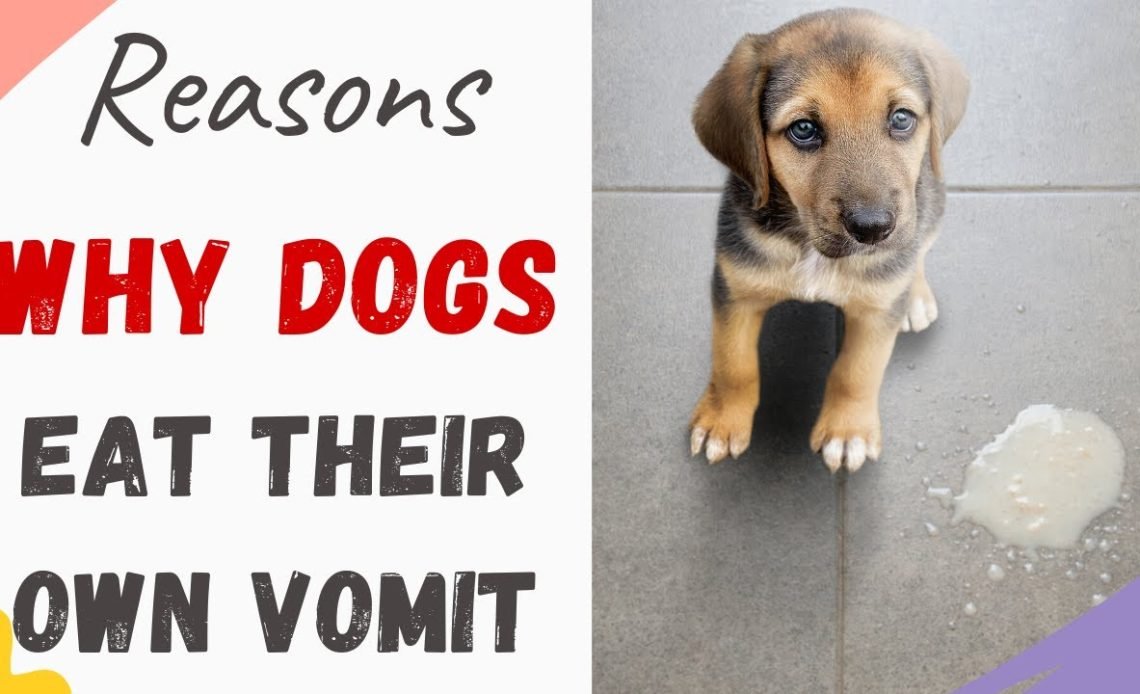
Why do dogs eat their vomit is one of the most searched and most grimace-inducing questions dog owners ask. If you have watched your dog vomit and then immediately turn around and eat it back up, you are not alone — and your dog is not broken.
This behavior, while deeply unpleasant to witness, is far more common than most pet owners realize and is rooted in millions of years of canine instinct, biology, and learned behavior.
Is It Normal for Dogs to Eat Their Vomit?

Yes — in most cases, a dog eating its own vomit is completely normal behavior. It is instinctual, it is common, and it does not automatically signal a health problem.
That said, normal does not mean you should allow it to continue. And in some specific circumstances, the vomiting itself — not the re-eating — is what requires attention.
Understanding the difference between a one-off incident driven by instinct and a pattern linked to an underlying health issue is the key skill every dog owner needs to develop.
The Difference Between Vomiting and Regurgitation
Before understanding why dogs eat their vomit, it helps to understand the difference between two things that look similar but are biologically distinct.
Vomiting is an active, forceful process. The dog’s body deliberately contracts the abdominal muscles to expel stomach or intestinal content. It is often preceded by visible signs — retching, drooling, stomach sounds, and distress. Vomited material is typically partially digested and may contain bile, yellow fluid, or foam.
Regurgitation is a passive process. Undigested food comes back up from the esophagus, often without any warning signs or apparent distress. The material looks largely the same as it did going in — whole or barely chewed kibble or food. The dog does not appear sick before or after.
This distinction matters because the two processes have different causes, different implications, and different urgency levels. When dogs eat back what they have brought up, they may be eating either vomit or regurgitated food — and the reason they do it often depends on which one it is.
| Feature | Vomiting | Regurgitation |
|---|---|---|
| Process Type | Active — muscle contractions | Passive — food slides back up |
| Warning Signs | Retching, drooling, distress | Usually none |
| Content Appearance | Partially digested, may contain bile | Undigested, looks like food |
| Location of Origin | Stomach or small intestine | Esophagus |
| Smell | Strong, acidic | Mild, similar to food |
| Urgency Level | Higher — may signal illness | Lower — often mechanical |
Reason 1: Deep-Rooted Instinct from Wild Ancestors
The single most important reason dogs eat their vomit is ancient canine instinct. This behavior has its roots in how wolves and wild dogs fed themselves and their offspring for thousands of years.
In the wild, mother dogs and wolves would travel significant distances to find food. When they returned to the den, they would regurgitate partially digested food for their puppies who were not yet able to eat whole prey. The puppies learned rapidly that this regurgitated material was food — and they ate it eagerly.
This behavior was reinforced across thousands of generations. For a wild dog, regurgitated food represents a valuable, pre-processed meal that requires no hunting. Wasting it makes no evolutionary sense.
Domestic dogs carry this ancient programming even though the survival necessity no longer exists. When a dog vomits and the material still smells and looks like food — which it often does when it comes up quickly or contains undigested kibble — the dog’s instincts register it as a resource worth consuming.
The dog is not being disgusting. It is doing exactly what its ancestors were hardwired to do.
Reason 2: Scavenging Behavior and Food Drive
Dogs are natural scavengers. Unlike humans, who evolved as selective hunters and gathers with strong aversion responses to rotten or regurgitated material, dogs evolved to eat whatever was available — including carrion, garbage, and the remains of other animals.
This scavenging instinct means dogs do not share the human revulsion toward vomit. Where a human smells spoiled, acidic matter, a dog smells food — specifically, the food components that are still present and detectable even after stomach acids have begun digesting them.
Dogs with high food drive are especially likely to re-eat vomit. The stronger the food motivation, the more likely the dog is to treat any food-smelling substance as an opportunity.
This is particularly common in rescue dogs, dogs from food-insecure backgrounds, and certain breeds that have been selectively bred for high food motivation such as Labrador Retrievers, Beagles, and Basset Hounds.
Reason 3: Puppyhood Learning That Carries Into Adulthood
Puppies that were raised by mothers who practiced regurgitation feeding learn very early that vomit equals food. This association is formed at one of the most impressionable stages of development, and it tends to persist.
As the puppy grows into an adult dog, the specific food source — the mother — is gone, but the association remains. When the adult dog vomits, the smell and texture trigger the same early memory: this is something edible, not something to avoid.
Puppies are also generally more curious and indiscriminate about what they put in their mouths. They may eat vomit simply out of exploratory behavior — testing whether something is food — a habit that can continue if not interrupted.
Reason 4: Eating Too Fast
One of the most common practical causes of dogs vomiting and then re-eating is eating too quickly. When a dog gulps down food faster than its digestive system can process, the stomach becomes overfilled and distended. The body responds by ejecting the excess through vomiting.
The vomited material in this case is often completely undigested — it looks and smells almost identical to the food going down. From the dog’s perspective, it is simply food that ended up on the floor. The natural response is to eat it again.
This creates a frustrating cycle: the dog eats too fast, vomits, eats the vomit, potentially vomits again, and repeats until the food is finally digested or gone.
Dogs that eat too fast are also at risk for bloat — gastric dilatation and volvulus (GDV) — a life-threatening condition. This alone is reason enough to address fast eating behavior promptly.
Reason 5: Dietary Deficiency or Nutritional Hunger
When a dog is not receiving adequate nutrition from its regular food, its body may drive it to seek additional nutrients through any available source. In some dogs, this manifests as eating vomit — particularly when the dog senses that undigested food in the vomit still contains accessible nutrients.
This is more common in dogs fed low-quality diets, dogs on caloric restriction, or dogs with absorption issues that prevent them from fully extracting nutrients from their food even when eating adequate quantities.
Nutritional hunger also drives grass-eating behavior, which is related. Dogs that eat grass often vomit shortly afterward, and some will then eat that vomit — a multi-step pattern rooted in the same nutritional seeking behavior.
If your dog is eating an appropriate quantity of food but still seems hungry, vomits frequently, and re-eats regularly, a dietary review with a veterinarian is warranted.
Reason 6: Anxiety, Stress, and Boredom
Behavioral causes of vomiting are often overlooked. Dogs that experience chronic anxiety — from separation, environmental stressors, or insufficient mental and physical stimulation — can develop GI upset as a physical symptom of that anxiety.
Anxiety-driven vomiting tends to occur at predictable times: when the owner leaves the house, during storms, around certain triggers, or after long periods of isolation. The subsequent eating of the vomit can then become a learned habit associated with those stressful moments.
Boredom can play a similar role. A dog with insufficient stimulation may engage in compulsive or repetitive behaviors as an outlet. Eating vomit, while not typically the first sign of boredom, can become a habituated response in dogs that lack adequate enrichment.
Reason 7: Hiding Weakness — An Instinctual Cover-Up
In the wild, showing vulnerability is dangerous. A sick or weakened animal becomes a target for predators. Dogs retain a vestigial instinct to conceal signs of illness by consuming any evidence — including vomit.
Eating vomit removes the physical evidence of having been sick. For an animal that evolved in an environment where being perceived as weak could mean death, this is not irrational — it is survival.
This instinct is most pronounced in dogs that have spent time in environments with other animals, in stressful multi-pet households, or in rescue situations where resources were competed for.
Reason 8: Gastrointestinal Conditions and Medical Causes
Some dogs eat their vomit not primarily because of instinct but because underlying gastrointestinal conditions are causing chronic vomiting that the dog has habituated to.
Conditions that can drive chronic vomiting and the associated re-eating behavior include gastritis (inflammation of the stomach lining), gastrointestinal obstruction (foreign objects blocking the digestive tract), pancreatitis (inflammation of the pancreas), intestinal parasites, food sensitivities or allergies, and inflammatory bowel disease.
Dogs with these conditions may vomit regularly enough that eating the vomit becomes a normalized, ingrained behavior rather than an isolated incident.
The key distinction is pattern. A dog that vomits once a month after eating grass and then re-eats is engaging in instinctual behavior. A dog that vomits multiple times a week and re-eats every time may have a medical condition that requires diagnosis and treatment.
Reason 9: Eating Grass and Induced Vomiting
Many dogs deliberately eat grass when they feel gastrointestinal discomfort. The grass irritates the stomach lining, inducing vomiting that expels whatever is causing the discomfort.
After vomiting grass and stomach contents, some dogs will then eat what came up. This combines two instinctual behaviors — self-medicating through grass eating and resource recovery through vomit consumption.
The grass itself is typically non-toxic. However, grass treated with pesticides, herbicides, or fertilizers can be harmful if consumed, and certain garden plants mixed with the grass can be toxic.
If your dog regularly eats grass and vomits, this is worth discussing with your veterinarian — particularly if it happens multiple times per week.
Warning Signs: When Vomiting Is Serious
The behavior of eating vomit is usually not the concern. The concern is when the vomiting itself signals a serious underlying problem. Knowing the warning signs that require immediate veterinary attention is essential for every dog owner.
| Warning Sign | What It May Indicate |
|---|---|
| Blood in vomit (red streaks or coffee ground appearance) | Gastrointestinal bleeding, ulcers, foreign body injury |
| Yellow or green bile without food | Empty stomach vomiting, bilious vomiting syndrome |
| Vomiting more than twice in 24 hours | GI infection, obstruction, or pancreatitis |
| Lethargy or weakness alongside vomiting | Systemic illness, toxin ingestion, organ dysfunction |
| Distended or hard abdomen | Bloat (GDV) — emergency condition |
| Pieces of foreign objects in vomit | Gastrointestinal obstruction |
| Vomiting combined with diarrhea | Gastroenteritis, parvovirus, or food poisoning |
| Weight loss with repeated vomiting | Malabsorption, IBD, or chronic disease |
| Vomiting after toxin exposure | Poisoning emergency — call vet immediately |
Any combination of these signs warrants an immediate veterinary call. Do not wait to see if it resolves on its own when these warning signs are present.
Is It Safe for Dogs to Eat Their Own Vomit?
In most isolated cases where the dog is otherwise healthy and the vomiting was caused by eating too fast, minor irritation, or grass ingestion, eating the vomit back up is unlikely to cause harm.
The stomach acid that was present in the vomit generally neutralizes most pathogens. The food material itself, while partially digested, is not toxic to the dog that produced it.
The risk increases significantly when the vomit contains toxins the dog has ingested, when it contains pathogens that caused the vomiting in the first place, or when the dog has a compromised immune system.
Eating another dog’s vomit carries higher risk. It can transmit diseases, parasites, and infections between dogs. If the vomiting dog was sick, the dog consuming the vomit can contract the same illness.
The safest approach in every case is to intervene and prevent re-eating while you assess what caused the vomiting.
How to Stop Your Dog from Eating Vomit
The good news is that this behavior can be managed and reduced with a combination of practical strategies and consistent training.
Use a Slow-Feeder Bowl
If fast eating is triggering vomiting, a slow-feeder bowl is the most immediate and effective intervention. These bowls have ridges, mazes, or obstacles that force the dog to eat around them, dramatically slowing food consumption.
Puzzle feeders and food-dispensing toys serve the same purpose while adding mental stimulation. Spreading kibble on a lick mat is another simple option that slows eating and reduces gulping.
Feed Smaller, More Frequent Meals
Instead of one large meal, divide the daily food allowance into two or three smaller portions. A smaller volume per feeding is easier for the stomach to handle and less likely to trigger vomiting through overfilling.
This is particularly effective for dogs that vomit bile on an empty stomach — a condition called bilious vomiting syndrome. A small meal before bed can help stabilize the stomach through the night.
Train the “Leave It” Command
Teaching your dog a reliable “leave it” command gives you a verbal tool to interrupt the behavior before it happens. The moment you see your dog turn toward the vomit, a firm “leave it” redirects their attention.
Pair this with positive reinforcement. When your dog leaves the vomit alone and turns away, reward immediately with a treat and praise. Over time, the dog associates leaving it with a positive outcome.
Remove the Vomit Immediately
The simplest and most reliable prevention is removing the vomit before the dog can return to it. As soon as your dog vomits, move the dog away from the area — to another room or outside — and clean up the vomit immediately.
The less access the dog has to the vomit, the less opportunity there is for the behavior to be reinforced.
Address Anxiety and Boredom
If anxiety or boredom is contributing to the problem, the solution lies in enrichment and routine. Increase physical exercise, introduce puzzle toys, maintain a consistent daily schedule, and if the anxiety is severe, discuss behavioral support or medication with your veterinarian.
Dogs that are mentally and physically fulfilled are significantly less likely to engage in stress-driven behaviors including compulsive eating habits.
Review Your Dog’s Diet
If nutritional deficiency is suspected, work with your veterinarian to evaluate your dog’s current food. Switching to a higher-quality diet with better protein and nutrient density, or adjusting portion sizes, may resolve the issue without any other intervention.
In some cases, adding a probiotic supplement to support gut health reduces the frequency of vomiting and removes the opportunity for re-eating to occur.
Consult a Veterinarian for Chronic Cases
If your dog vomits and re-eats regularly — more than once or twice per week — a veterinary consultation is necessary. The vet will evaluate for underlying GI conditions, run bloodwork if indicated, and may recommend diagnostic testing such as x-rays or ultrasound.
Treating the root cause of the vomiting is always more effective than managing the re-eating behavior alone.
What to Feed Your Dog After Vomiting
After a vomiting episode, giving the digestive system time to rest and then reintroducing food gently is the recommended approach.
Withhold food for two to four hours after vomiting to allow the stomach to settle. Ensure fresh water is available, but do not allow large quantities at once as this can trigger further vomiting.
After the resting period, offer a small amount of a bland, easily digestible diet. Boiled chicken and white rice is the classic recommendation. Plain boiled pumpkin is another gentle option that supports gut health. Avoid rich foods, fatty treats, and regular kibble for 24 hours after a vomiting episode.
If the dog tolerates the bland diet without further vomiting, gradually reintroduce the regular food over the following two to three days.
| Recovery Step | What to Do | Timing |
|---|---|---|
| Immediate | Remove food, provide small sips of water | 0–2 hours after vomiting |
| Short rest | Withhold all food | 2–4 hours after vomiting |
| Bland reintroduction | Boiled chicken and rice, small portion | 4–6 hours after vomiting |
| Monitor | Watch for repeat vomiting, lethargy, blood | 24 hours |
| Gradual return to normal | Mix bland food with regular food | Day 2–3 |
| Normal feeding | Resume regular diet if no further episodes | Day 3–4 |
Why Does My Dog Eat Other Dogs’ Vomit?
Some dogs do not limit themselves to their own vomit — they will eat the vomit of other dogs in the household. This behavior has additional layers beyond simple instinct.
It may relate to social dynamics and dominance behavior. In multi-dog households, consuming another dog’s vomit can be a form of resource acquisition — the second dog treating the vomited material as available food.
There is also a risk dimension here that does not exist with eating one’s own vomit. If the first dog vomited due to illness, parasites, or infection, the second dog that consumes the vomit is directly exposed to those pathogens.
If you have multiple dogs and one vomits, separate them immediately and clean up the vomit before the other dog can access it.
Breed-Specific Tendencies
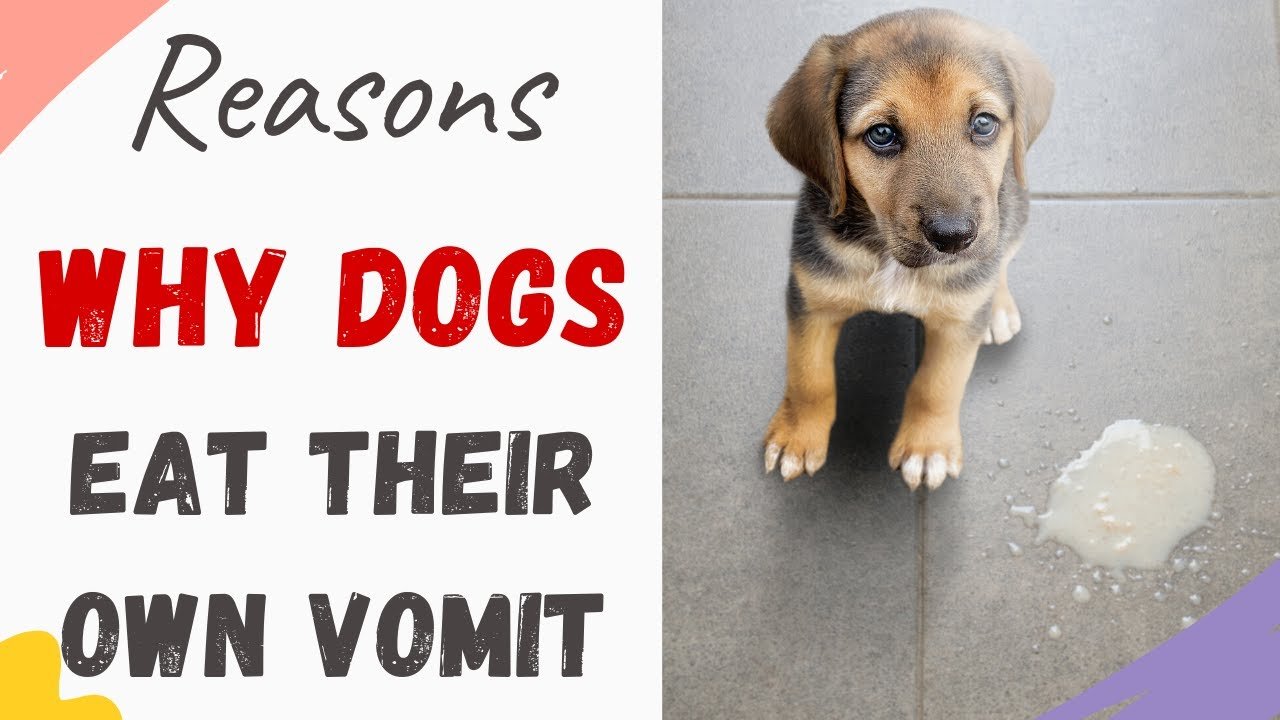
While any dog can eat its vomit, some breeds are statistically more predisposed to this behavior due to their historically high food drive and scavenging tendencies.
Labrador Retrievers are among the most food-motivated breeds and are well documented as indiscriminate eaters who will consume almost anything that smells of food. Golden Retrievers share similar tendencies. Beagles and Basset Hounds, bred for their nose, are drawn to any strong-smelling substance including vomit. Pugs and Bulldogs, with their short muzzles and tendency to eat fast, vomit more frequently due to their anatomy and are therefore more commonly presented with this behavior.
That said, this behavior is not exclusive to any breed. Individual personality, diet, stress levels, and health history matter as much as breed predisposition.
Frequently Asked Questions (FAQs)
Why do dogs eat their vomit?
Dogs eat their vomit primarily due to ancient instinct — in the wild, regurgitated food was a food source for puppies. Dogs also do it because the material still smells like food and their scavenging drive overrides any human-style revulsion.
Is it dangerous for dogs to eat their own vomit?
In most cases it is not dangerous. However, if the vomit contains a toxin, pathogen, or the dog is immunocompromised, risks increase. It is always safest to clean up vomit immediately and prevent re-eating.
Should I stop my dog from eating its vomit?
Yes, it is best practice to intervene and prevent re-eating. While the behavior is often harmless, it reinforces itself through habit and removes the opportunity for you to assess what caused the vomiting in the first place.
Why does my dog vomit and then eat it immediately?
If the vomit happens immediately after eating and the material looks like undigested food, your dog likely ate too fast. The regurgitated food looks and smells identical to what went down, so the dog simply eats it again.
What does it mean when a dog vomits yellow foam?
Yellow foam indicates the dog’s stomach is empty and bile has accumulated. This is called bilious vomiting syndrome and is typically more common in dogs fed once a day. Splitting meals into smaller, more frequent portions usually resolves it.
When should I take my dog to the vet for vomiting?
See a vet if your dog vomits more than twice in 24 hours, if there is blood in the vomit, if the dog appears lethargic or in pain, if the abdomen looks distended, or if vomiting is paired with diarrhea, weight loss, or suspected toxin ingestion.
Can anxiety cause a dog to vomit and eat its vomit?
Yes. Anxiety and stress are documented triggers of gastrointestinal upset in dogs. A dog with chronic anxiety may vomit regularly during stressful episodes, and the re-eating behavior can become habituated if not interrupted.
How do I stop my dog from eating its vomit?
Use a slow-feeder bowl to reduce fast eating, train the “leave it” command with positive reinforcement, remove vomit immediately, feed smaller and more frequent meals, and address any underlying anxiety or dietary issues.
Is it normal for puppies to eat vomit?
Yes, it is especially common in puppies. Mother dogs regurgitate food for their young, so puppies are hardwired from birth to treat regurgitated material as food. Most puppies grow out of it; if the behavior persists into adulthood, consistent training helps.
Can dogs get sick from eating other dogs’ vomit?
Yes. If the vomiting dog was ill due to infection, virus, or parasites, the dog consuming the vomit can contract the same illness. Always separate dogs immediately if one vomits and clean up before the other dog can access it.
Conclusion
Understanding why do dogs eat their vomit removes the shock from a behavior that, while deeply unpleasant to witness, is rooted in millions of years of canine evolution.
From ancient wild ancestor feeding rituals to fast-eating habits, dietary deficiency, anxiety, and natural scavenging instincts, there are clear and logical reasons behind what looks like irrational behavior.
In 2026, the solution toolkit for this behavior is well-established: slow feeder bowls, portion management, consistent training commands, immediate cleanup, and veterinary consultation for chronic cases.
The vomiting behavior is always more important to address than the re-eating itself. Keep your dog well-nourished, well-stimulated, and well-supervised — and both problems become far less frequent.


