


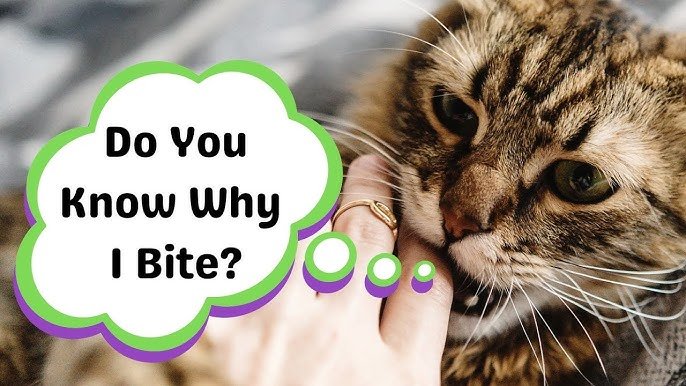
Why do cats bite when you pet them is one of the most common questions among cat owners in 2026. You sit down for a calm cuddle session, your cat is purring, everything feels perfect, and then suddenly they turn around and nip your hand.
It is confusing, sometimes painful, and always surprising. The truth is, cats bite during petting for very specific reasons. It is their way of communicating something important. Understanding those reasons, learning the warning signs, and knowing how to respond can completely change your relationship with your feline companion.
What Is Petting-Induced Aggression in Cats?
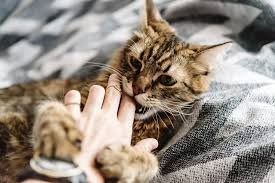
Petting-induced aggression is the most common reason why cats bite when you pet them. It happens when a cat reaches its tolerance threshold for physical contact and uses a bite to say “enough.”
It is not aggression in the traditional sense. Your cat is not being mean or hostile. They are simply communicating the only way they know how.
This behavior is extremely common in indoor cats. Many owners describe it as the cat suddenly switching personality, going from relaxed and purring to biting within seconds.
Why Do Cats Bite When You Pet Them? 9 Main Reasons
Understanding the exact trigger behind your cat’s biting is the first step toward managing the behavior safely and effectively.
1. Overstimulation
Overstimulation is the number one reason cats bite during petting. Cats have a dense network of nerve receptors beneath their skin. When you stroke them repeatedly, those nerve endings become overloaded.
What starts as a pleasant sensation quickly tips into irritation. It is not about disliking you. It is a biological threshold that every cat has.
Most cats enjoy short strokes around the head and ears. Full body strokes, especially repeated ones, are the most common trigger for overstimulation biting.
2. They Are Telling You to Stop
When your cat bites, they are almost always communicating a clear message. Biting is their loudest form of saying “I’ve had enough.”
Cats start with subtle signals first. If those are ignored, they escalate to a bite. The bite is the final warning, not the first one.
Respecting your cat’s limits before they reach the biting point is the most effective way to prevent this behavior from becoming a habit.
3. Play Aggression
Cats, especially kittens, naturally bite as part of play. They are hardwired as predators and their play behavior mimics hunting.
If you have ever used your hands or feet as toys, your cat has learned that biting human body parts is acceptable. This is a very common mistake among new cat owners.
Redirecting this energy toward proper toys, rather than hands or feet, is the fastest way to reduce play biting in cats of all ages.
4. Fear or Anxiety
A scared or anxious cat is more likely to bite quickly and without much warning. If your cat feels trapped, startled, or uncomfortable, biting becomes their defense mechanism.
Cats with a history of rough handling, poor socialization, or negative experiences tend to have a lower bite threshold. They may react to petting that feels normal to you as threatening to them.
Providing a calm, predictable environment and letting your cat initiate contact goes a long way in reducing fear-based biting.
5. Love Bites
Not every bite is a sign of aggression. Some cats give what is known as a love bite. These are gentle nibbles that do not break the skin.
Love bites often happen when a cat is feeling very content and bonded with you. It mimics the grooming behavior cats show toward their littermates and mothers.
If the bite is soft, painless, and accompanied by purring, it is most likely a love bite and not a cause for concern.
6. Pain or an Underlying Medical Condition
If your cat suddenly starts biting during petting with no history of doing so, pain is a likely cause. Any medical condition that makes your cat sensitive to touch can trigger biting.
Common medical causes include arthritis, dental disease, ear infections, skin conditions, and hyperesthesia syndrome. Even a sore spot on their body can cause them to bite when touched near that area.
Any new or sudden biting behavior should always prompt a visit to your veterinarian to rule out a medical issue before assuming it is purely behavioral.
7. Poor Socialization as a Kitten
Kittens go through a critical socialization window between 2 and 7 weeks of age. What they learn during that period shapes how they interact with humans for life.
Kittens that were not properly handled during this period, or those that played roughly with human hands, often grow into cats that bite more readily during petting.
Cats that did not have littermates to teach them bite inhibition also tend to be more bite-prone with humans as adults.
8. They Are Trying to Control the Interaction
Some cats bite not out of pain or fear but out of confidence. They are attempting to control when petting starts and when it stops on their own terms.
These cats often have a pattern of demanding behavior in other areas too. They want petting to happen exactly as they prefer it, for exactly as long as they decide.
Consent testing, where you offer your hand and let the cat decide whether to engage, is one of the most effective tools for managing this type of biting.
9. Redirected Aggression
Sometimes a cat becomes aroused by something else entirely, such as seeing another cat through a window, and then bites the nearest person when touched. This is called redirected aggression.
The cat is not angry at you. They simply cannot redirect their high arousal toward the actual source, so you become the target when contact happens at the wrong moment.
Giving an aroused cat time to calm down completely before attempting to pet them is the safest approach in these situations.
Warning Signs Your Cat Is About to Bite
Almost every bite comes with warning signs. Most owners miss them because they are subtle, happen fast, or they are simply not aware of what to look for.
Learning these signals is the most powerful thing you can do to prevent being bitten during petting sessions.
| Warning Sign | What It Means |
|---|---|
| Tail flicking or swishing | Building irritation or arousal |
| Ears flattening or rotating back | Discomfort or growing agitation |
| Skin rippling along the back | Overstimulation response |
| Body becoming tense or still | Cat is about to act |
| Dilated pupils | High arousal or fear |
| Head turning toward your hand | About to bite that specific spot |
| Hissing or low growling | Serious warning, back off immediately |
| Stopping purring suddenly | Shift from content to uncomfortable |
If you see any of these signs, stop petting immediately, stay calm, and allow your cat to disengage on their own. Do not pull your hand away sharply, as sudden movement can trigger the bite reflex.
Safe Zones and No-Go Zones When Petting a Cat
Where you pet a cat matters just as much as how long you pet them. Cats have very specific areas they enjoy and areas they find irritating or threatening.
| Area | Tolerance Level | Notes |
|---|---|---|
| Head and forehead | High | Most cats enjoy this |
| Chin and cheeks | High | A favorite for most cats |
| Back of the neck | Moderate | Fine for short periods |
| Along the spine | Low to Moderate | Repetitive strokes trigger overstimulation |
| Tail base | Low | Sensitive for most cats |
| Belly | Very Low | The most common bite trigger |
| Paws and legs | Low | Many cats dislike paw handling |
Sticking to the head, cheeks, and chin area gives you the best chance of a bite-free petting session with almost any cat.
How to Pet a Cat Without Getting Bitten
Learning the right way to pet a cat makes a significant difference in how often biting occurs. These simple techniques are recommended by vets and animal behaviorists.
Start with consent testing. Hold your hand near your cat and let them decide to approach and rub against you first. This gives the cat control and immediately reduces tension.
Keep sessions short. Rather than one long petting session, try several short ones of just 30 to 60 seconds each. Short sessions rarely reach the overstimulation threshold.
Let the cat guide you. Allow your cat to rub their face against your hand and guide where they want to be touched. Follow their lead rather than choosing the spots yourself.
Stop before the warning signs appear. If you know your cat typically shows signs after five strokes, stop at four. Always end on a positive note before reaching the threshold.
Use one finger on the face. Some cats that dislike full-hand petting respond well to gentle one-finger strokes on the face and cheeks. This mimics how cats groom each other.
What to Do If Your Cat Bites You During Petting
How you respond immediately after a bite determines whether the behavior gets better or worse over time.
Freeze first. Do not pull your hand away sharply. Sudden movement triggers the predatory reflex and can make the bite worse. Go still and let the cat disengage.
Once the cat releases, slowly and calmly withdraw. Do not react loudly or make sudden movements. Yelling or scolding increases the cat’s arousal and makes future biting more likely.
Never punish your cat physically. Hitting, squirting with water, or any form of physical punishment increases fear and worsens biting behavior over time. It also damages the trust between you and your cat.
Redirect attention with a toy. Once things are calm, offer a toy to redirect your cat’s energy. This teaches them that biting ends fun while toys are always welcome.
Clean the wound properly. If the bite breaks the skin, clean it immediately with antiseptic soap and apply a bandage. Cat bites that puncture the skin carry a high risk of infection due to oral bacteria and should be evaluated by a doctor if severe.
Medical Conditions That Cause Cats to Bite When Petted
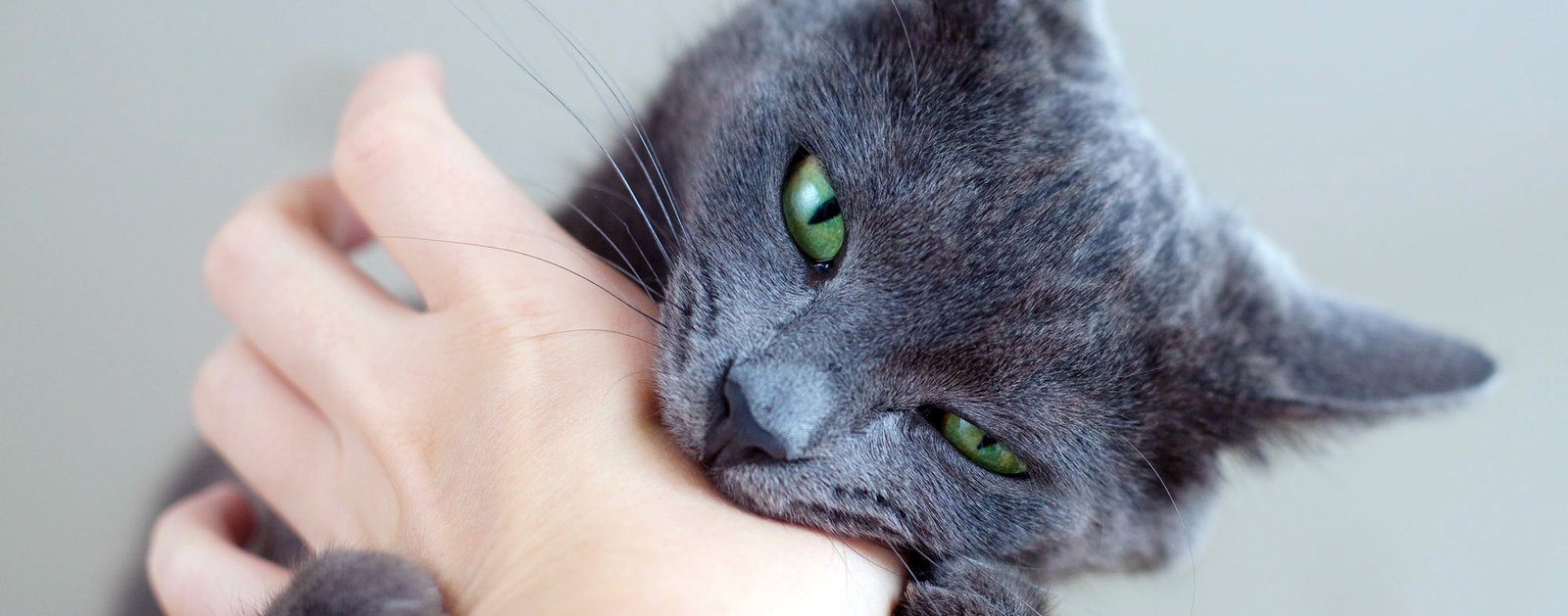
If your cat’s biting behavior is new, sudden, or has changed noticeably, a medical cause should always be investigated before assuming it is behavioral.
Arthritis is one of the most common culprits in older cats. Being touched along the spine, hips, or neck causes genuine pain in arthritic cats. They bite because it hurts.
Dental disease is another frequent cause. Sore gums or cracked teeth make any contact near the face painful. A cat with dental pain may bite if your hand moves near their head or mouth area.
Ear infections make head touching painful and can trigger a bite response even in normally gentle cats. Cats with ear problems often bite suddenly when touched near the ears or head.
Hyperesthesia syndrome causes extreme sensitivity to touch across the skin. Cats with this condition find normal petting genuinely painful, making biting a predictable response to contact.
Skin conditions, allergies, and parasites can make the coat and skin irritated and itchy. Petting an already-irritated coat adds more discomfort and triggers biting.
Always consult your vet if biting is new, frequent, or accompanied by other changes in behavior, appetite, or grooming. Never try to train your way out of a medical problem.
How to Train a Cat to Tolerate More Petting
With patience and consistency, it is possible to increase your cat’s tolerance for petting over time. This process is called desensitization and counter-conditioning.
Start by identifying exactly how many strokes your cat comfortably tolerates before showing warning signs. If they are comfortable at five strokes but tense at six, work with five.
Immediately after those five strokes, give a high-value treat. Do this consistently over several days. Your cat begins to associate petting with something wonderful happening.
Gradually add one more stroke at a time, always pairing it with a treat before warning signs appear. Move slowly and never push beyond the point of comfort.
This process takes weeks, not days. Patience and consistency are more important than speed. Rushing the process causes setbacks and erodes trust.
The Role of Environment and Enrichment
A cat that is bored, understimulated, or frustrated is far more likely to bite during petting. Their energy has nowhere healthy to go, so it spills out as aggression.
Daily interactive play sessions of 10 to 15 minutes are one of the best ways to reduce biting frequency. Active play reduces arousal, burns energy, and improves overall mood.
Food puzzles, cat trees, window perches, and rotating toys all provide mental and physical enrichment that reduces frustration-based biting significantly over time.
A calm, stable home environment also matters. Cats are highly sensitive to change. New pets, new people, moved furniture, or a change in routine can all lower a cat’s tolerance for petting.
Love Bites vs Aggressive Bites: How to Tell the Difference
Not all bites are the same, and knowing the difference helps you respond correctly and avoid escalating a situation unnecessarily.
| Feature | Love Bite | Aggressive Bite |
|---|---|---|
| Intensity | Gentle, holding bite | Hard, sharp bite |
| Skin | Does not break skin | May break skin |
| Body language | Relaxed, purring | Tense, ears back, hissing |
| Context | During affection and contentment | During fear, pain, or overstimulation |
| Follow-up | Cat continues resting nearby | Cat runs away or continues aggression |
| Action needed | Usually none | Stop interaction, clean wound if needed |
A love bite that leaves no mark and happens during a calm, affectionate moment is generally harmless. A bite that breaks skin or is accompanied by fear signals always needs to be taken seriously.
When to See a Vet or Animal Behaviorist
Most petting-related biting can be managed at home with better reading of body language, shorter sessions, and environmental enrichment.
However, certain situations genuinely require professional support. If biting is sudden and new, a vet visit is the first step. Rule out pain before anything else.
If biting is escalating in frequency or intensity despite your best efforts, an animal behaviorist can help identify triggers and build a customized management plan.
If biting results in deep puncture wounds, fever, or signs of infection, seek medical attention promptly. Cat bites can cause serious infections, including Pasteurella, if not treated correctly.
Organizations like the American College of Veterinary Behaviorists and the International Association of Animal Behavior Consultants maintain directories of qualified professionals who specialize in feline behavior.
Tips to Stop a Cat from Biting When Petted: Quick Reference
These practical tips summarize the most effective, vet-approved strategies for managing petting-related biting in cats.
Keep petting sessions short and sweet, always ending before warning signs appear. Let your cat initiate contact rather than forcing interaction on your terms.
Use toys, not hands, during play every single time. Consistency here is essential. Even one exception teaches the cat that hands are acceptable targets.
Avoid petting the belly, tail base, and along the spine repeatedly. Stick to the head, chin, and cheeks for the safest petting experience.
Never punish a cat for biting. Punishment creates fear, breaks trust, and almost always makes biting behavior worse over time.
Schedule daily play sessions to reduce frustration and provide healthy outlets for your cat’s natural predatory energy.
Consult your vet at the first sign of sudden behavioral change. Medical causes are always worth ruling out quickly.
Frequently Asked Questions (FAQs)
Why do cats bite when you pet them even though they seem to like it?
Cats have a limited tolerance threshold for physical contact. Even when they enjoy petting at first, repetitive stroking can quickly become overstimulating and the bite is their way of saying “stop now.”
Is it normal for cats to bite during petting?
Yes, it is very common and is known as petting-induced aggression or overstimulation biting. It does not mean your cat is aggressive by nature, just that they have reached their comfort limit.
What are the warning signs before a cat bites?
Key warning signs include tail flicking, ears going flat or backward, skin rippling along the back, body tensing, and the cat turning their head toward your hand. Stop petting immediately when you see these.
Why does my cat bite me and then lick me?
Licking followed by biting is a common grooming behavior. Cats do this to their littermates and mothers, and they extend the same behavior to trusted humans as a sign of affection and bonding.
Should I punish my cat for biting me during petting?
Never punish a cat for biting. Any form of punishment, including yelling, hitting, or spraying water, increases fear and worsens biting behavior. Always redirect calmly and end the interaction.
Can a cat bite during petting be a sign of pain?
Yes, if biting during petting is new or sudden, pain is a very likely cause. Conditions like arthritis, dental disease, or ear infections can make touch painful. A vet visit is strongly recommended.
Why does my cat only bite certain people?
Cats form individual associations with different people. Someone may pet more aggressively, use their hands more during play, or remind the cat of a past negative experience. Individual associations are very common in cats.
How do I get my cat to stop biting me when I pet them?
Keep sessions short, stop before warning signs appear, let the cat initiate contact, stick to safe petting zones like the head and chin, and use treats to gradually build tolerance through positive reinforcement.
Are love bites dangerous?
Love bites that do not break the skin are generally harmless. Any bite that punctures the skin, however, carries infection risk and should be cleaned with antiseptic soap immediately. See a doctor if the wound is severe.
At what age do cats stop biting during play?
Kittens typically reduce biting as they mature, usually around 12 to 18 months. However, without consistent training and proper play habits from an early age, some cats continue biting into adulthood.
Conclusion
Why do cats bite when you pet them is a question with many answers, and all of them point to one thing: your cat is communicating. Whether it is overstimulation, pain, fear, a love bite, or simple play instinct, the bite is a message.
In 2026, with better awareness of feline body language and behavior science, cat owners are better equipped than ever to understand and respond to these signals correctly. The key takeaways are simple. Keep petting sessions short.
Learn your cat’s warning signs. Let them lead the interaction. Never punish a bite. And always check with a vet if the behavior changes suddenly. With patience, consistency, and a genuine effort to understand your cat’s needs, most biting behavior can be dramatically reduced or completely eliminated.
A cat that feels heard and respected is a cat that bites far less. The bond you build by respecting their limits will be stronger, calmer, and far more rewarding for both of you.


