


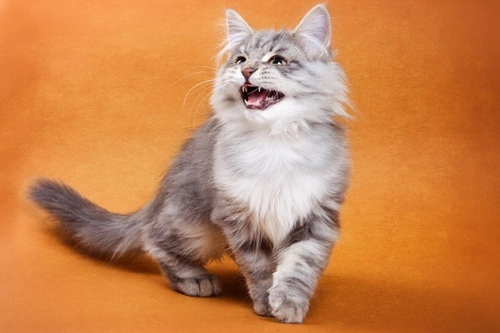
Why is my cat so vocal? It is one of the most common questions cat owners ask, and the answer is rarely simple. Cats use their voice to communicate hunger, pain, stress, boredom, love, and much more.
Some cats are naturally chatty, while others meow only when something is truly wrong. Understanding why your cat is so vocal is the first step toward helping them and strengthening your bond.
What Does It Mean When a Cat Is Very Vocal?
When your cat is very vocal, it simply means they are communicating with you. Cats have evolved to use their meow almost exclusively with humans — adult cats rarely meow at other cats.
The meaning behind the meow depends entirely on the context, the cat’s body language, and how recently the behavior started. A lifelong chatty cat is very different from one that suddenly becomes loud and insistent.
Paying attention to the pattern — when it happens, how long it lasts, and what else is happening — is key to decoding what your cat wants or needs.
Normal vs. Excessive Cat Vocalization
Not all meowing is a problem. It helps to know the difference between normal cat communication and excessive vocalization that may signal something is wrong.
| Type | Description | Action Needed? |
|---|---|---|
| Normal greeting meow | Short, upbeat sound when you arrive home | No |
| Mealtime meowing | Persistent meowing before feeding time | No (manage feeding schedule) |
| Playful chirps/chattering | Sounds made when watching birds | No |
| Sudden loud yowling | New, intense vocalization | Yes — see a vet |
| Nighttime meowing (senior cat) | Loud, repeated calling at night | Yes — may signal medical issue |
| Meowing with limping or hiding | Paired with physical symptoms | Yes — urgent vet visit |
| Constant meowing despite food/attention | Never stops no matter what you do | Yes — rule out medical causes |
If your cat’s meowing is new, louder than usual, or paired with other changes in behavior, appetite, or mobility, it is time to investigate further.
Why Is My Cat So Vocal? 15 Key Reasons Explained
1. Hunger and Food Requests
One of the most common reasons a cat is so vocal is hunger. Cats quickly learn that meowing at you — or at the kitchen — results in food.
They may meow insistently near their bowl, stare at the cabinet where food is stored, or even try to lead you toward their feeding area. Some cats meow even when their bowl is not entirely empty, simply because they want fresh food or a refill.
If your cat is always hungry and also losing weight, this combination could point to a medical issue like hyperthyroidism or diabetes, and a vet visit is necessary.
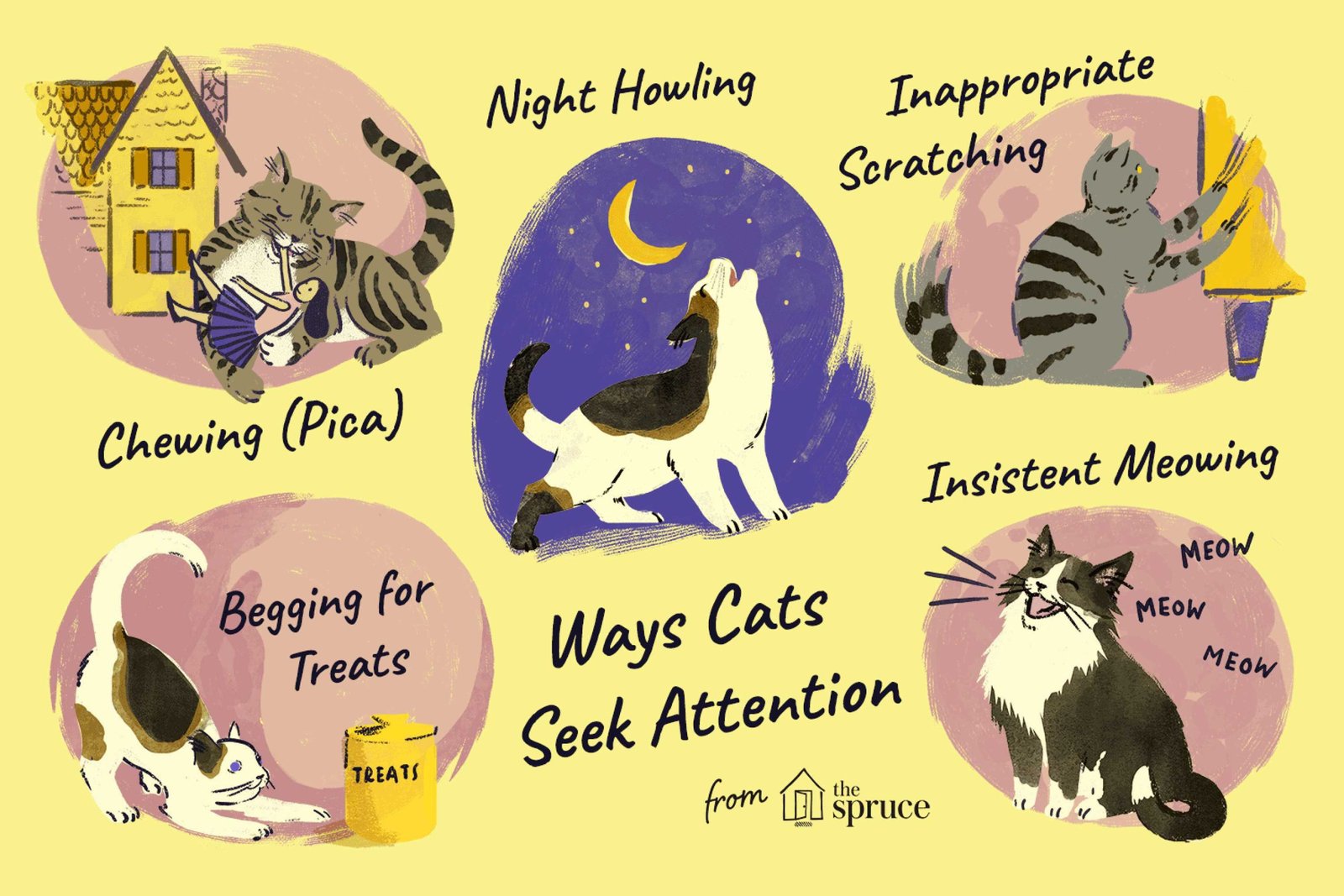
2. Attention Seeking and Social Interaction
Cats that are lonely, bored, or simply craving your company will meow to get your attention. Cats that spend long hours alone are especially prone to this type of vocalization.
The meow may be directed right at your face, often accompanied by rubbing against your legs or pawing at you. Your cat wants to be petted, talked to, or played with.
Resist the temptation to give attention only when your cat is meowing — this teaches them that noise equals reward. Instead, engage with them proactively during calm moments.
3. Greeting Behavior
Many cats are simply saying hello. If your cat meows when you walk through the door or meets you in a hallway, this is almost always a friendly vocalization.
These greeting meows are typically short, soft, and upbeat. They are your cat’s version of “welcome home.” Some cats do this consistently every single time you enter the room.
This type of vocal behavior is nothing to worry about. It actually reflects a strong bond between you and your pet.
4. Wanting to Go In or Out
Cats that have outdoor access will meow at doors, windows, or patio screens when they want to be let out — or let back in.
This is one of the most straightforward forms of cat communication. Your cat knows exactly what they want and they are telling you directly.
If your cat is meowing at a specific location consistently, check whether they want access to that space or are trying to alert you to something on the other side.
5. Stress and Anxiety
Any disruption to your cat’s environment can trigger increased vocalization. This includes moving to a new home, introducing a new pet or baby, rearranging furniture, or changes in your daily routine.
A stressed cat may also pace, hide, over-groom, or eat less. The meowing is their way of expressing discomfort with the changes around them.
Helping your cat adjust with extra playtime, familiar smells (like their old bedding), and a stable routine can reduce stress-related vocal behavior significantly.
6. Cats in Heat (Unspayed Females)
If your cat is not spayed and is reaching sexual maturity, heat cycles are a major reason for intense vocalization. Female cats in heat produce a loud, prolonged yowl that sounds very different from a regular meow.
This calling can happen every few weeks and can last for up to a week at a time. It is their instinctive way of signaling to male cats in the area.
Spaying your cat is the most effective way to stop heat-related vocalization and also protects against reproductive health issues.
7. Male Cats Responding to a Female in Heat
Male cats that are not neutered will meow loudly and restlessly when they detect a female cat in heat nearby. The scent can travel significant distances, causing even indoor males to become highly vocal and agitated.
The vocalization in this case is persistent and often combined with spraying, pacing, and attempts to escape the home.
Neutering eliminates this behavior and also reduces roaming instincts and aggression between male cats.
8. Pain or Physical Discomfort
A cat that is in pain will often meow, cry, or yowl. The sound is usually different from their normal meow — it may be lower in pitch, more urgent, or sharper and higher.
Pain-related vocalization can be linked to arthritis, dental disease, urinary tract infections, bladder stones, constipation, or an injury. Cats instinctively hide pain, so meowing is actually one of the more visible signs something is wrong.
If your cat cries when being touched, when jumping, or when using the litter box, a veterinary examination is urgent.
9. Hyperthyroidism (Overactive Thyroid)
Hyperthyroidism is one of the most common medical causes of excessive meowing, especially in senior cats over the age of 10.
The thyroid gland becomes overactive, producing too many hormones. This speeds up metabolism and triggers restlessness, increased appetite, weight loss despite eating well, and frequent loud vocalization — often at night.
Diagnosis requires bloodwork, and treatment options include daily medication, radioactive iodine therapy, or a specialized low-iodine diet. Treatment significantly reduces vocalization and improves quality of life.
10. Feline Cognitive Dysfunction Syndrome (Cat Dementia)
Older cats can develop a condition very similar to Alzheimer’s in humans, known as Feline Cognitive Dysfunction Syndrome (CDS) or feline dementia.
Affected cats become disoriented and confused, particularly at night. They may forget where their litter box is, pace through the house, and meow or yowl loudly for no apparent reason. This nighttime vocalization is one of the most distressing symptoms for owners.
A vet can confirm CDS and suggest management strategies including environmental enrichment, nightlights, routine adjustment, and in some cases supplements or medication.
11. High Blood Pressure (Feline Hypertension)
Feline hypertension, or high blood pressure, often develops alongside kidney disease or hyperthyroidism. It can affect the brain, eyes, and nervous system, causing confusion, anxiety, and increased vocalization.
Cats with high blood pressure may meow more frequently at night and appear disoriented or anxious. Vision changes — including sudden blindness — are also possible in severe cases.
Regular blood pressure monitoring at vet visits is important for all senior cats, especially those already diagnosed with kidney disease or thyroid issues.
12. Kidney Disease
Kidney disease is one of the most common conditions in older cats and can cause increased restlessness and vocalization. Cats with kidney disease are often more thirsty than usual, urinate more frequently, and have a reduced appetite.
The discomfort caused by the disease, combined with changes in brain chemistry related to toxin buildup, can make cats more vocal than they used to be.
Early detection through routine bloodwork gives the best chance of managing the condition and maintaining quality of life.
13. Deafness or Vision Loss
Cats that are losing their hearing or sight will often become much more vocal to compensate for their confusion. Without the ability to fully perceive their environment, they rely more heavily on sound — including their own voice — to stay oriented.
Deaf cats may meow louder than before because they cannot hear themselves. Blind cats may yowl in unfamiliar areas or when moved to a new location within the home.
Making changes to their environment — removing obstacles, using nightlights, keeping furniture in the same position — can help reduce anxiety-related meowing.
14. Urinary Issues and Litter Box Problems
A cat that is having trouble urinating will often meow or yowl near the litter box. This can indicate a urinary tract infection (UTI), bladder stones, feline lower urinary tract disease (FLUTD), or in male cats, a dangerous urinary blockage.
A blocked bladder in a male cat is a medical emergency. If your cat is straining, crying, or visiting the litter box repeatedly without producing urine, this requires immediate veterinary attention.
Do not ignore litter box-related vocalization. It is almost always a sign that something is physically wrong.
15. Breed Personality and Natural Chattiness
Some cat breeds are simply hardwired to be more vocal than others. This is a normal, healthy trait and does not indicate any problem.
The most well-known vocal breeds include:
| Breed | Vocal Level | Known For |
|---|---|---|
| Siamese | Very High | Loud, persistent “conversations” with owners |
| Bengal | High | Demanding, expressive vocalizations |
| Oriental Shorthair | Very High | Constant chatting and commentary |
| Burmese | High | Soft but frequent meowing |
| Maine Coon | Medium-High | Chirps, trills, and soft meows |
| Turkish Angora | High | Energetic and vocal communication |
| Tonkinese | High | Social, chatty, and interactive |
If you have one of these breeds, their vocalization is likely just part of their personality — embrace it and engage with them often.
Why Is My Cat So Vocal at Night?
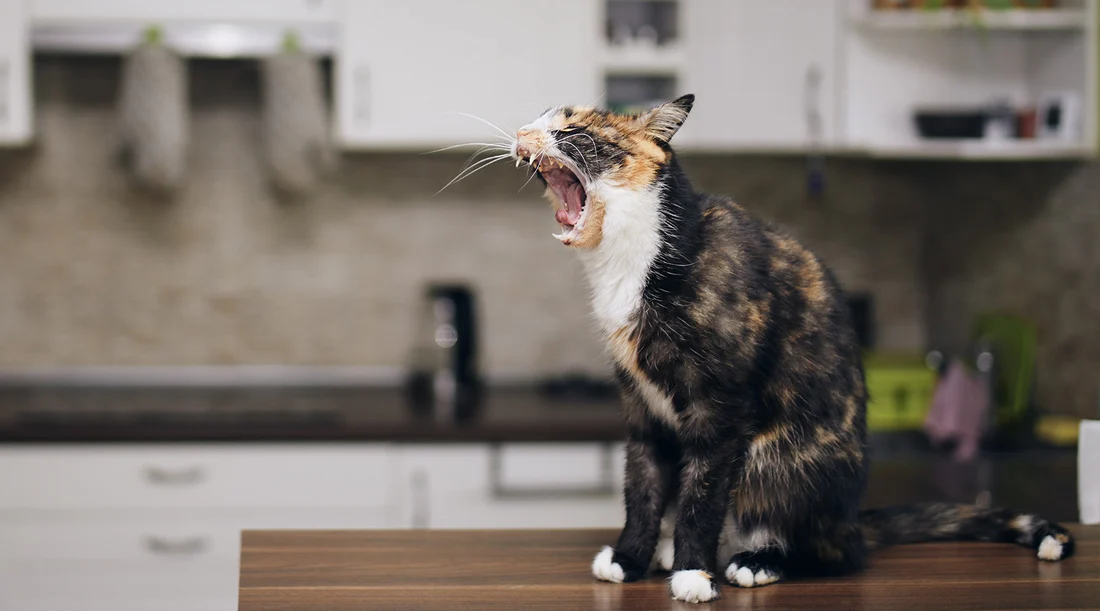
Nighttime meowing is one of the most common complaints among cat owners. There are several possible explanations depending on your cat’s age and health.
In younger cats, nighttime meowing is often linked to boredom, excess energy, or hunger. Cats are naturally crepuscular — most active at dawn and dusk — so nighttime activity is not unusual.
In senior cats, nighttime vocalization is more concerning. It is frequently linked to feline cognitive dysfunction, hyperthyroidism, hypertension, or pain from arthritis. A cat that calls out repeatedly and seems confused or disoriented at night should be evaluated by a veterinarian promptly.
Keeping a consistent nighttime routine, providing enrichment in the evening, and using soft nightlights for senior cats are practical steps that can help.
Why Did My Cat Suddenly Become More Vocal?
A sudden increase in vocalization — especially in a cat that was previously quiet — is one of the clearest signs that something has changed and deserves attention.
Possible causes include a new stressor in the home, the onset of a medical condition, a change in daily routine, or the beginning of a reproductive cycle in an unspayed or unneutered cat.
If the sudden vocalization is accompanied by other symptoms — weight changes, altered appetite, litter box issues, or physical signs like limping or hiding — schedule a veterinary visit without delay. Do not assume the cat will simply quiet down on its own.
How to Tell If Your Cat’s Meowing Is a Medical Emergency
Most meowing is not an emergency, but certain signs require immediate veterinary attention. Knowing when to act fast can save your cat’s life.
| Warning Sign | Possible Cause | Action |
|---|---|---|
| Straining to urinate with no output | Urinary blockage | Emergency vet — immediately |
| Crying in or near litter box | UTI, bladder stones, FLUTD | Urgent vet visit |
| Sudden loud yowling + weakness | High blood pressure, stroke | Emergency vet |
| Meowing while hiding + not eating | Pain or serious illness | Urgent vet visit |
| Loud nighttime yowling in senior cat | Dementia, hyperthyroidism | Vet visit within 24–48 hours |
| Meowing + rapid weight loss | Hyperthyroidism, cancer | Vet visit soon |
When in doubt, always call your vet. It is far better to check and find nothing serious than to wait and miss something important.
How to Reduce Excessive Meowing in Cats
Once you have ruled out medical causes, you can use behavioral strategies to manage excessive vocalization.
Set a Consistent Feeding Schedule Feed your cat at the same times every day. Use an automatic feeder if your cat wakes you up for breakfast. This removes you from the equation and shifts their expectation to the machine.
Do Not Reward Meowing with Attention If your cat meows for attention, wait for a moment of quiet before responding. Even negative attention teaches them that meowing works. Patience and consistency are essential here.
Provide Enough Mental and Physical Stimulation A bored cat is a vocal cat. Use interactive toys, puzzle feeders, climbing structures, window perches, and regular play sessions to keep your cat engaged and tired.
Try Clicker Training Click and reward your cat when they are quiet. This reinforces silence as the desired behavior. Over time, many cats respond well to this positive reinforcement technique.
Use Environmental Enrichment Add scratching posts, cat trees, tunnels, and bird feeders outside windows. A stimulated cat is a quieter cat. Rotate toys regularly to keep things fresh and interesting.
Maintain a Stable Routine Cats are creatures of habit. Disruptions to their routine — new schedules, new people, rearranged furniture — can increase stress and vocalization. Stability helps cats feel safe and settled.
Address Multi-Cat Tension If you have multiple cats, tension between them can cause stress-related meowing. Provide enough resources — food bowls, litter boxes, sleeping spots — so cats do not compete. Separate feeding areas often reduce conflict significantly.
What Your Cat’s Different Meows Actually Mean
Cats have a surprisingly complex vocal repertoire. Learning to distinguish between sounds helps you respond more accurately to their needs.
| Sound | Meaning | Context |
|---|---|---|
| Short, high-pitched meow | Greeting or acknowledgment | When you enter the room |
| Repeated mid-pitch meow | Demand — food or attention | Near the bowl or at your feet |
| Long, drawn-out meow | Stronger demand or complaint | Persistent need not being met |
| Low-pitched yowl | Discomfort, warning, or pain | Often medical or territorial |
| High-pitched screech or cry | Sudden pain or fear | Requires immediate attention |
| Chirp or trill | Excitement or invitation to follow | Often during play or greeting |
| Chattering | Frustration watching prey | Near windows watching birds |
| Purring meow (combination) | Contentment + request | Wanting contact while relaxed |
Spending time learning your specific cat’s sounds pays off enormously. Every cat has their own dialect, and the better you know it, the faster you can identify when something is truly wrong.
When to See a Vet About Your Cat’s Vocalization
You should visit a vet if your cat’s meowing is sudden, persistent, paired with other symptoms, or significantly different from their baseline behavior.
A good rule of thumb: if the vocalization has lasted more than a few days with no clear behavioral explanation, or if it is happening alongside any physical changes, book an appointment.
Your vet will likely perform a physical examination, check blood pressure, run bloodwork to screen for hyperthyroidism and kidney disease, and discuss behavioral history. The sooner a medical cause is identified, the better the outcome for your cat.
Keep a simple log before your appointment — note when the meowing happens, how long it lasts, and what was happening just before it started. This information helps your vet significantly.
Vocal Cat Breeds: What to Expect
If you are considering adopting a cat and prefer a quieter household, choosing a less vocal breed is worth thinking about. Conversely, if you enjoy a chatty companion, certain breeds are known for being excellent conversationalists.
Most Vocal Breeds: Siamese, Oriental Shorthair, Bengal, Burmese, Tonkinese, Turkish Angora
Moderately Vocal Breeds: Maine Coon, Ragdoll, Abyssinian, Devon Rex
Generally Quieter Breeds: British Shorthair, Persian, Russian Blue, Norwegian Forest Cat, Chartreux
Keep in mind that individual personality varies. Even a “quiet” breed can have a very chatty individual, and vice versa. Meeting a cat before adoption gives you the best sense of their vocal personality.
Cat Vocalization and Age: What Changes Over Time
A cat’s vocal behavior changes at different life stages. Understanding what is normal for each stage helps you recognize when something is off.
Kittens (0–1 year) Kittens meow frequently because they are still developing communication skills. They meow to signal hunger, cold, fear, or a need for their mother. As they grow, meowing with humans replaces meowing with their mother.
Adult Cats (1–10 years) Adult cats have developed specific communication patterns with their owners. Meowing tends to be purposeful — they know what they want and ask for it directly. Sudden changes in an adult cat’s vocal level are the clearest sign that something new is happening.
Senior Cats (10+ years) Older cats are more prone to medical conditions that increase vocalization, including hyperthyroidism, kidney disease, hypertension, and cognitive dysfunction. Nighttime meowing in senior cats is especially common and should always be assessed by a vet.
Frequently Asked Questions (FAQs)
Why is my cat so vocal all of a sudden?
A sudden increase in meowing usually signals a medical issue, environmental change, or a new stressor. Rule out medical causes first by visiting your vet, especially if other symptoms are present.
Why does my cat meow so much at night?
Nighttime meowing in cats is often caused by boredom, excess energy, or in older cats, feline cognitive dysfunction or hyperthyroidism. A vet check is recommended if your senior cat cries repeatedly at night.
Is it normal for my cat to be very vocal?
Yes, some cats are naturally chatty — especially vocal breeds like Siamese or Bengals. It only becomes a concern when vocalization is sudden, intense, or paired with changes in behavior or health.
Why does my cat meow for food all the time?
Cats quickly learn that meowing leads to food. Stick to a strict feeding schedule, use automatic feeders, and avoid feeding your cat when they are actively meowing to stop reinforcing the behavior.
Can hyperthyroidism make my cat more vocal?
Yes. Hyperthyroidism is one of the most common medical causes of excessive meowing in senior cats. It speeds up metabolism, causing restlessness, hunger, and frequent loud vocalization, especially at night.
Why does my senior cat yowl at night?
Senior cats often yowl at night due to feline cognitive dysfunction (cat dementia), hyperthyroidism, high blood pressure, or pain from arthritis. All of these conditions can be diagnosed and managed with the right veterinary care.
How do I stop my cat from meowing excessively?
First rule out medical causes. Then set a feeding schedule, provide enrichment and playtime, avoid rewarding meowing with attention, and try clicker training to reinforce quiet behavior.
What cat breeds are the most vocal?
Siamese, Bengal, Oriental Shorthair, Burmese, and Tonkinese cats are among the most vocal breeds. Their chattiness is a natural personality trait, not a sign of distress.
When should I take my vocal cat to the vet?
See a vet if the meowing is sudden, different from your cat’s normal pattern, paired with weight loss, litter box issues, hiding, or limping, or if your senior cat is yowling at night repeatedly.
Does stress make cats more vocal?
Yes. Changes in routine, new pets, new people, or moving home can all trigger stress-related vocalization. Providing stability, enrichment, and extra attention usually helps reduce stress meowing over time.
Conclusion
Why is my cat so vocal? The answer depends entirely on your individual cat and the full picture of their health, age, personality, and environment. Vocalization in cats is a rich form of communication — it can mean anything from “I am hungry” to “I am in pain” to “I just love you and want to talk.”
The most important thing is to know your cat’s baseline. When something shifts — suddenly louder, more insistent, or happening at strange times — take it seriously. Rule out medical causes first, address behavioral triggers second, and always give your cat the enriched, stable environment they need to feel safe and content. When in doubt, your vet is always your best resource.


