

Why do babies drool is one of the first questions new parents ask once those tiny shirts start needing constant changes. Drooling is a completely normal part of infant development, often peaking between three and six months of age.
Why Do Babies Drool?
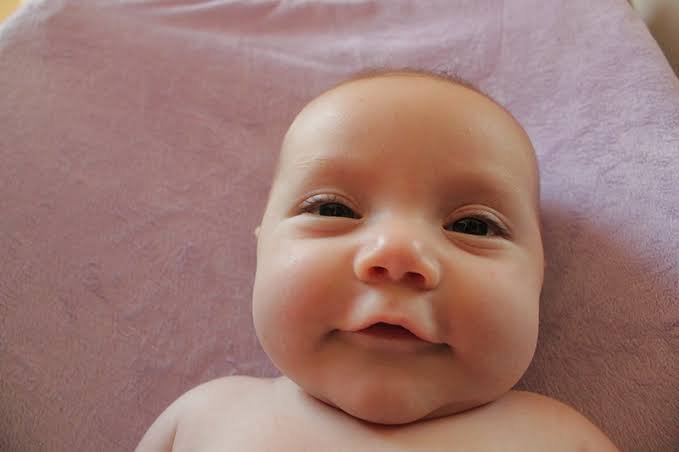

Babies drool because their salivary glands are active before they have full control over swallowing and mouth muscles. Teething, oral exploration, and a developing digestive system all increase saliva production.
Drooling typically peaks between three and six months and fades as babies gain more muscle control. Most babies stop regularly drooling by around age two to three.
What Is Drooling and Why Does It Happen?
The Basics of Infant Drooling
Drooling is the unintentional flow of saliva outside the mouth. It happens when saliva production outpaces a baby’s ability to swallow or hold it in.
Isolated drooling in healthy infants and toddlers is considered a normal part of development, not a sign of illness.
Why Babies Can’t Control It Yet
Young babies have not yet mastered the coordinated muscle movements needed to swallow saliva consistently. Combined with active salivary glands, this naturally leads to drool.
Why Do Babies Drool? The Common Causes
Developing Salivary Glands
Newborns often drool more as their salivary glands mature and become more active. This increase in saliva production is simply part of normal growth.
Oral Exploration
Babies explore the world by putting objects, including their own hands, into their mouths. This oral exploration stimulates the salivary glands and increases drool.
Teething
Teething is one of the most well-known causes of increased drooling. As new teeth push through, extra saliva helps soothe sore gums and wash away irritation.
Limited Swallowing Ability
Infants have not yet developed full control over swallowing saliva the way older children and adults do. This limited ability means excess saliva often ends up outside the mouth instead.
Digestive System Development
Increased saliva also supports a baby’s developing digestive system. Saliva helps prepare the mouth for feeding and plays a role in early digestion.
The Role Saliva Plays for Babies
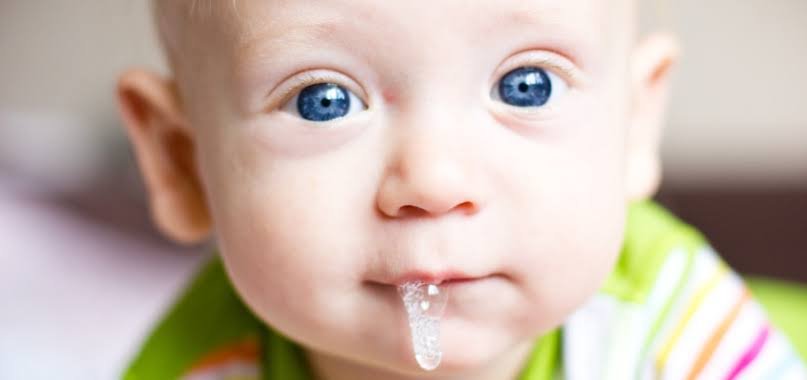

- Helps soothe sore, irritated gums during teething
- Supports early digestion and prepares the mouth for feeding
- Washes away bacteria and food residue in the mouth
- Keeps the mouth lubricated for comfortable swallowing
When Does Drooling Start and Stop?
Typical Drooling Timeline
| Age Range | What to Expect |
|---|---|
| 2 to 3 months | Drooling often begins as babies become mouth-focused |
| 3 to 6 months | Drooling typically peaks alongside early teething |
| 12 to 18 months | Drooling gradually decreases as muscle control improves |
| Around age 2 to 3 | Most babies stop regularly drooling |
Why Timing Can Vary
Every baby develops at a slightly different pace, so some drool more or for longer than others. Individual differences in salivary gland activity and muscle development both play a role.
Understanding Drool Rash
What Drool Rash Looks Like
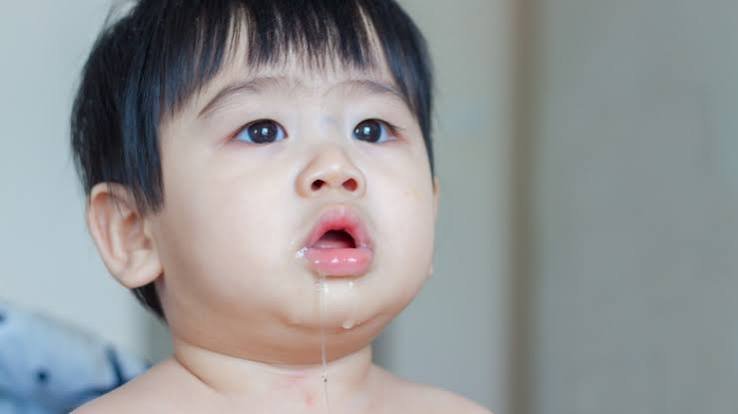
Drool rash is a type of skin irritation caused by prolonged contact with saliva. It often appears as red, dry, or bumpy skin around the mouth, chin, or neck folds.
How to Prevent and Treat It
- Gently pat the skin dry throughout the day instead of rubbing.
- Apply a thin layer of fragrance-free barrier cream around the mouth and chin.
- Change out damp bibs regularly to keep skin dry.
- Avoid harsh wipes or scented lotions on irritated skin.
When Excessive Drooling Needs Attention
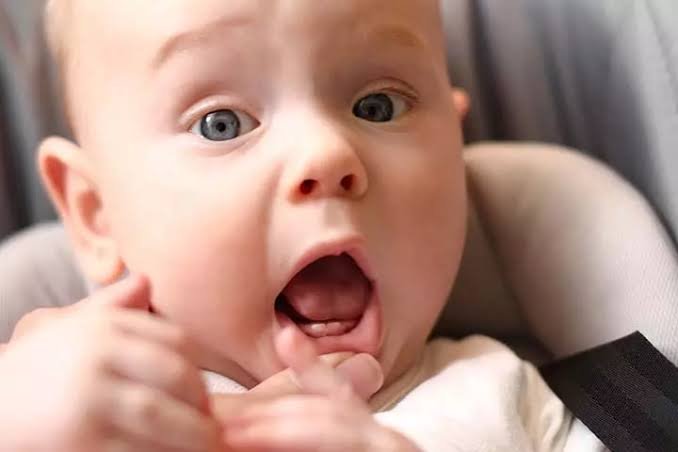

Signs Worth Mentioning to a Pediatrician
- Difficulty swallowing or frequent choking
- Drooling that interferes with breathing
- Persistent drool rash that does not improve with care
- Drooling that continues heavily well past 18 to 24 months
Possible Underlying Causes
In rare cases, ongoing excessive drooling can be linked to conditions such as gastroesophageal reflux, upper respiratory infections, or neurological conditions that affect muscle control. A pediatrician can help determine whether further evaluation is needed.
Key Takeaways
- Drooling is a normal part of infant development, not a sign of illness in most cases.
- Teething, oral exploration, and developing salivary glands are the main causes.
- Drooling usually peaks between three and six months of age.
- Drool rash is common but manageable with gentle skin care.
- Persistent drooling past 18 to 24 months, or drooling with swallowing trouble, deserves a pediatrician’s input.

Also Read:
- From Hair Care Idea To Business: How Bo International Supports Startup Brands
- Portable Space Heaters vs Fan Heaters: Pros and Cons
- How Care Patterns Help During Steps to Report Suspected Nursing Home Abuse
- How Insurance Responses Can Affect a Houston, TX Auto Accident Claim
- The Investigation Steps a Premises Liability Lawyer May Take After an Injury
- Does Being a Loan Guarantor Affect Your CIBIL Score
- Do You Need Legal Help After a Truck Accident? Here’s What to Know
- Employee Rights and Legal Remedies in Whistleblower Retaliation Cases
- Download Gayatri Mantra Best Ringtone Mp3/M4R
- Grand Theft Auto: San Andreas Theme Song Download
- Download Mission Impossible Original Theme Song
- Randy Orton Voices WWE Theme Song Download
- 430+ Trendy Roblox Username Ideas for Boys & Girls
- 1000+ Trendy Instagram Usernames Ideas for Girls
- Letflix Review: Features, How It Works and Is It Safe to Use?
- Lorde – Liability (Instrumental)
- The LOX – Ignorant (Instrumental)
- Dae Dae – Spend It (Instrumental)
- Mac Miller – Diablo (Instrumental)
- Little Mix – Pretend It’s Ok (Instrumental)
- David Guetta – Lovers On The Sun (Instrumental)
- Where Learning Meets Potential: Exploring Strong Foundations for Young Minds
- How Classroom Collaboration Builds Skills Beyond Academics
- How Effective Math Tuition Helps Students Master Difficult Concepts
- Is Online MBA Worth It in 2026?
Frequently Asked Questions (FAQs)
Why do babies drool so much when teething?
Teething increases saliva production because extra saliva helps soothe sore gums and wash away irritation as new teeth emerge.
When do babies start drooling?
Drooling often begins around two to three months of age, once babies become more focused on exploring the world with their mouths.
When do babies usually stop drooling?
Most babies stop regularly drooling by around age two to three, once they gain better control over swallowing.
Is it normal for a 3 month old to drool a lot?
Yes. Drooling commonly increases around three months as babies become more oral-focused and may be approaching teething.
What causes drool rash?
Drool rash happens when saliva sits on delicate skin for extended periods, leading to redness, dryness, and irritation.
How can I prevent drool rash?
Gently pat the skin dry throughout the day, use a fragrance-free barrier cream, and change damp bibs regularly.
Can congestion cause a baby to drool more?
Yes. When a baby breathes through their mouth due to congestion, it can lead to increased drooling.
Is excessive drooling ever a sign of a health problem?
In some cases, yes. Persistent excessive drooling can be linked to reflux, infections, or conditions affecting muscle control.
Should I worry if my baby drools while sleeping?
No. Drooling during sleep is common in infants and toddlers and is not usually a cause for concern.
When should I talk to a pediatrician about my baby’s drooling?
Mention it to a pediatrician if drooling interferes with swallowing or breathing, or continues heavily past 18 to 24 months.
Conclusion
So why do babies drool? It comes down to active salivary glands, developing swallowing muscles, and natural milestones like teething and oral exploration. In almost every case, it is a completely normal part of growing up.
Drooling typically peaks between three and six months and gradually fades as babies gain more control over their mouth muscles. Managing drool rash with gentle skin care can keep your baby comfortable along the way.
If drooling ever interferes with feeding or breathing, or continues heavily well past toddlerhood, a quick chat with your pediatrician can offer peace of mind.