


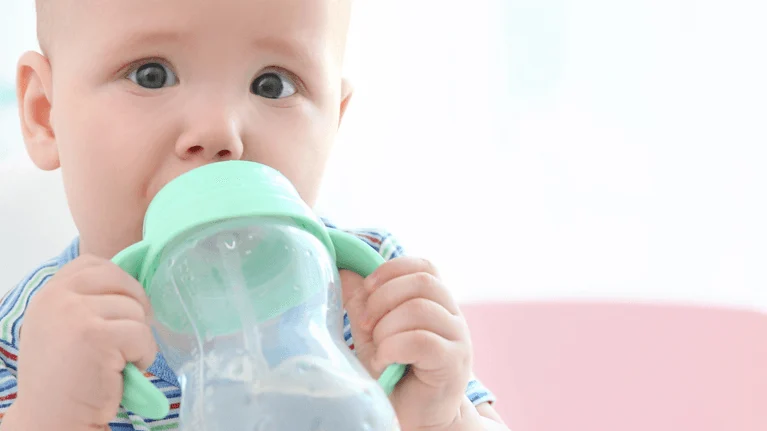
Why can’t babies have water is one of the most searched questions by new parents — and for good reason.
It seems strange that something so essential to human health could be harmful to a newborn.
But the reality is that plain water is genuinely dangerous for babies under six months old.
Their tiny bodies, underdeveloped kidneys, and small stomachs simply are not ready for it.
The Simple Answer: Breast Milk and Formula Are Enough

Babies under six months get everything they need from breast milk or formula — including water. Both are made up of nearly 90% water, so your baby is already well hydrated with every feeding.
There is no nutritional gap that plain water fills. Adding it actually creates problems, not solutions.
Why Babies Cannot Handle Plain Water
The reasons babies cannot drink water come down to three core issues: underdeveloped kidneys, tiny stomach capacity, and the risk of dangerous sodium imbalance.
Each of these alone is a serious concern. Together, they make plain water genuinely risky for young infants.
The Kidney Problem: Too Small, Too Immature
A newborn’s kidneys are roughly the size of a grape. Adult kidneys are about the size of a large avocado. That size difference is not just physical — it reflects a massive gap in filtering capacity.
Baby kidneys cannot process and excrete large volumes of water efficiently. When excess water enters the bloodstream, their kidneys simply cannot flush it out fast enough.
What Happens in the Body When a Baby Drinks Water
When a baby takes in plain water, it dilutes the sodium concentration in the blood. Sodium is critical for maintaining fluid balance inside and outside cells.
As sodium levels drop, water rushes into cells to try to compensate. This causes cells throughout the body — especially in the brain — to swell. The result is a dangerous condition called hyponatremia, or water intoxication.
Understanding Water Intoxication in Infants
Water intoxication sounds alarming because it is. A rise of just 7 to 8 percent in total body water can trigger a sharp decline in blood sodium levels.
Once sodium drops below a critical threshold, nerve signaling is disrupted. Seizures can occur even in an otherwise healthy baby. In severe cases, the outcome can be fatal.
Symptoms of Water Intoxication to Watch For
| Symptom | What It Looks Like |
|---|---|
| Irritability | Baby cries more than usual without clear cause |
| Drowsiness | Unusual sleepiness or difficulty waking |
| Swelling | Puffiness in hands, feet, or face |
| Low body temperature | Hypothermia |
| Nausea or vomiting | Feeding refusal, spitting up more |
| Seizures | Uncontrolled shaking, stiffening |
Even a few ounces of water given regularly can push a baby’s electrolytes out of balance. Parents should not wait for severe symptoms before acting. If water intoxication is suspected, seek emergency medical care immediately.
The Stomach Size Problem
A newborn’s stomach at birth holds only about 1 to 2 teaspoons — roughly 5 to 10 milliliters. By the time they are three months old, it holds only about 4 ounces per feeding.
That is an extremely small space. Every ounce of plain water a baby drinks is one ounce of breast milk or formula they are not getting. Plain water has zero calories, zero protein, zero fat, and zero vitamins.
How Water Displaces Critical Nutrition
Breast milk and formula are calorie-dense by design. A baby needs consistent nutritional input throughout the day to support brain development, bone growth, organ maturation, and healthy weight gain.
When water takes up stomach space, the baby feels full but is not actually nourished. Over time, this nutritional displacement can cause poor weight gain and developmental delays.
How Much Breast Milk Is Water Anyway?
| Liquid | Water Content |
|---|---|
| Breast milk | ~88% water |
| Standard infant formula | ~85–88% water |
| Plain water | 100% water, 0% nutrition |
Your baby is already drinking a highly hydrated food every single feed. There is no thirst being left unquenched by skipping plain water.
The Diluted Formula Danger
Some parents, especially during formula shortages or financial stress, dilute formula with extra water to make it stretch further. This is equally dangerous.
Diluted formula has lower caloric density and reduced electrolyte content. Babies fed diluted formula face the same risk of hyponatremia as babies given straight water. This practice has been linked to dangerously low sodium and calcium levels in infants.
Never dilute formula beyond the manufacturer’s instructions, regardless of circumstances.
What About Hot Weather?
A common misconception is that babies need extra water when the weather is hot. Even in hot climates, breast milk and formula provide all the hydration a baby needs.
If your baby seems fussy or uncomfortable in the heat, the safest response is more frequent feedings — not water. Offering water is not a safe substitute for feeding, even in summer.
AAP and WHO Guidelines on Water for Infants
Both the American Academy of Pediatrics (AAP) and the World Health Organization (WHO) give clear and consistent guidance on this topic.
Babies should have no plain water before six months of age. Breast milk or iron-fortified infant formula is the only liquid needed for the first six months of life.
When Can Babies Have Water? The 6-Month Mark
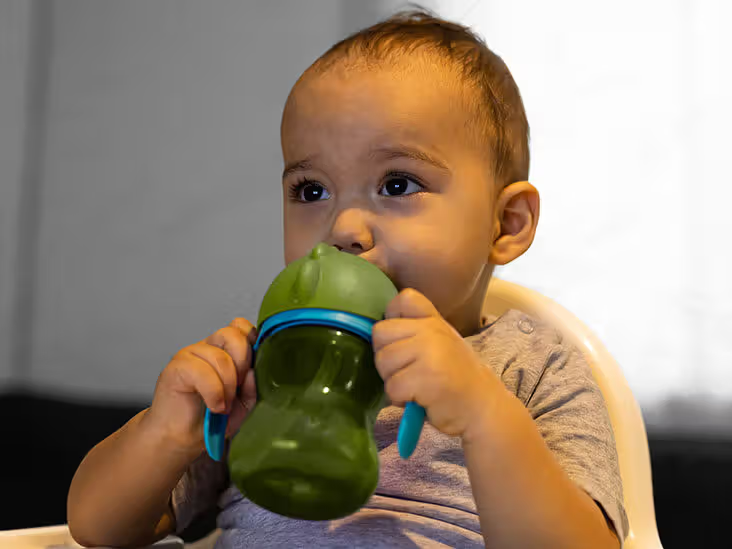
At around six months, two important things happen. First, the kidneys ar
e developed enough to begin handling small amounts of water. Second, solid foods are introduced, which means the baby’s digestive system is ready for a broader range of inputs.
This is when water can be introduced — cautiously, in small amounts, alongside solid food.
How to Introduce Water at 6 Months
The goal at six months is not hydration through water. Breast milk and formula still cover that. The goal is building cup-drinking skills and familiarizing the baby with water as a beverage.
Offer water in a sippy cup, open cup, or straw cup — not a bottle. Start with tiny sips and let the baby explore.
How Much Water Is Safe at Each Stage?
| Age | Water Amount Per Day |
|---|---|
| 0 to 6 months | None — breast milk or formula only |
| 6 to 12 months | 4 to 8 ounces (120 to 240 mL) per day |
| 12 months and older | More freely, alongside whole milk and meals |
Do not exceed 8 ounces of water per day for babies between 6 and 12 months. Breast milk or formula remains the primary nutrition source until the first birthday.
Signs Your Baby Is Staying Hydrated Without Water
You do not need plain water to know if your baby is hydrated. Look for these signs from breast milk or formula alone.
If your baby is wetting around six diapers per day, feeding regularly, and gaining weight appropriately, they are hydrated. There is no need to supplement with water.
What About Sugar Water or Gripe Water?
Some traditional or cultural practices recommend giving babies sugar water for colic, gas, or general soothing. Sugar water carries the same risks as plain water, with the added problem of unnecessary sugar exposure.
Gripe water varies by brand and formulation. Some versions contain herbal ingredients or alcohol that are not appropriate for newborns. Always check with your pediatrician before giving any liquid supplement to a baby under six months.
Can Babies Have Water During Illness?
If a baby under six months is sick with fever, vomiting, or diarrhea, the instinct to give water for hydration is understandable. But water is still not the right answer.
Contact your pediatrician immediately. They may recommend an oral rehydration solution like Pedialyte specifically formulated for infants. Never give plain water in place of medical guidance during infant illness.
Fluoride and Water: A Note for After 6 Months
One benefit of introducing water after six months in fluoridated areas is early fluoride exposure, which supports healthy tooth development.
If your tap water is fluoridated, it is safe to use for formula preparation and for offering sips to babies 6 months and older. Ask your pediatrician or dentist if supplemental fluoride is recommended for your area.
Breastfeeding and Hydration in Hot Climates
In many parts of the world, it is common to give babies water in hot weather based on traditional practice. Global health organizations strongly advise against this.
Even in hot climates — including regions where temperatures exceed 100°F — exclusively breastfed infants get enough water through milk. Offering water reduces milk intake, which can also lower the mother’s milk supply over time.
What If My Baby Seems Thirsty?
Babies under six months do not experience thirst separately from hunger. Their cries for feeding cover both needs simultaneously.
If your baby is feeding well but still seems fussy, consider other causes — gas, overstimulation, teething (after four months), or the need for comfort. More feeding is almost always the right response, not water.
Common Myths About Babies and Water
Myth: A little sip of water won’t hurt. Even small, regular amounts of water can disrupt electrolyte balance in young infants. There is no safe small dose for babies under six months.
Myth: Babies need water in hot weather. Breast milk and formula provide complete hydration regardless of temperature. Offer more frequent feedings instead.
Myth: Water helps with constipation in infants. True constipation is rare in breastfed babies. If a formula-fed baby seems constipated, speak with a pediatrician — adding water is not the solution for infants under six months.
Myth: Diluting formula saves money safely. Diluted formula is nutritionally inadequate and poses the same risks as plain water. It can cause serious harm.
How Breast Milk Composition Adjusts to Baby’s Needs
One remarkable fact about breast milk is that its composition actually shifts in response to the baby’s needs, including hydration. In hot weather, breast milk becomes more watery in the early part of a feed to address thirst before delivering richer hindmilk.
This natural adjustment means breastfeeding babies are never truly short on fluid — even without supplemental water.
A Note on Formula Preparation and Water Safety
When mixing formula, water quality matters. Use water that has been boiled and cooled, or filtered water that meets safety standards for infants.
Do not use softened water, as it may contain elevated sodium levels. Well water should be tested before use. Once mixed, formula should be used within one to two hours if left at room temperature, or within 24 hours if refrigerated.
Pediatrician Visits and Hydration Monitoring
At every well-baby visit, your pediatrician tracks weight gain, feeding frequency, and diaper output. These are the most reliable indicators of healthy hydration.
If you are ever unsure whether your baby is getting enough fluid, a quick call to your pediatrician is the safest step. Do not supplement with water based on guesswork.
Summary: Key Rules to Remember
| Rule | Detail |
|---|---|
| No water before 6 months | Regardless of weather, illness, or thirst cues |
| Breast milk and formula are complete | They include all water, nutrients, and calories |
| Water intoxication is real | Even small amounts can cause hyponatremia |
| Never dilute formula | Follow manufacturer instructions exactly |
| Start water at 6 months with solids | Use a cup, small amounts only |
| Breast milk or formula remains primary until 12 months | Water is supplemental, not a replacement |
Transition Tips: Introducing Water After 6 Months
Offer water in a small open cup or soft-spout sippy cup at mealtimes. Let the baby explore and sip — do not force it.
Keep portions small. A few sips to a few ounces per day is enough at six to nine months. The goal is familiarization, not replacing milk or formula.
Frequently Asked Questions (FAQs)
Why can’t babies have water before 6 months?
Babies’ kidneys are too immature to handle plain water, and it can dilute blood sodium to dangerous levels. Breast milk and formula provide complete hydration and nutrition.
What happens if a baby accidentally drinks water?
A small accidental sip is unlikely to cause harm. If your baby drank more than a few sips, contact your pediatrician promptly to assess for any symptoms.
Can I give my baby water on a hot day?
No. Even in hot weather, breast milk and formula provide all the hydration a baby under six months needs. Offer more frequent feedings instead.
What is water intoxication in babies?
Water intoxication is when excess water dilutes blood sodium, causing cells to swell. It can lead to seizures, brain swelling, coma, or death in severe cases.
When can I start giving my baby water?
At around six months, when solid foods are introduced. Start with 4 ounces or less per day in a small cup alongside meals.
Is it safe to dilute formula with extra water?
No. Diluting formula reduces calories and electrolytes and creates the same risks as giving plain water. Always follow the manufacturer’s instructions exactly.
Can babies have water when sick?
No — not without medical advice. If your baby under six months is dehydrated from illness, contact your pediatrician. They may recommend an infant oral rehydration solution.
Does breast milk count as water for babies?
Yes. Breast milk is approximately 88% water and fully meets a baby’s hydration needs without any supplementation.
Can babies have gripe water or sugar water?
Most pediatricians advise against it. Both can carry the same risks as plain water for young infants. Check with your doctor before giving any liquid supplement.
How do I know if my baby is dehydrated?
Look for fewer than six wet diapers per day, dry mouth, dark urine, sunken fontanelle, or lethargy. Contact your pediatrician immediately if these signs appear.
Conclusion
Why can’t babies have water is not just a curiosity — it is a question with a genuinely important answer every parent needs to know.
Babies under six months are not physiologically ready for plain water.
Their kidneys cannot process it, their stomachs are too small to spare the space, and even small amounts can cause hyponatremia and life-threatening complications.
Breast milk and formula are not just food — they are also the complete, perfectly balanced hydration source your baby needs.
Once your baby reaches six months and begins eating solid foods, small amounts of water can be introduced carefully in a cup.
But even then, breast milk or formula remains the primary drink until the first birthday. When in doubt, always follow your pediatrician’s guidance.
Keeping your baby safe and well-nourished starts with understanding why the rules around water exist — and trusting the science behind them.


