


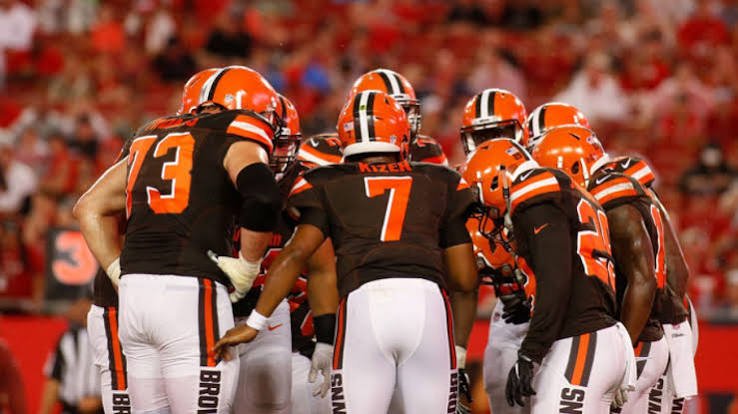
Why are the Cleveland Browns called the Browns is one of the most searched questions among NFL fans curious about unusual team names. Unlike most franchises named after animals or local traditions, the Browns carry a name tied directly to a person.
The Short Answer
The Cleveland Browns are named after Paul Brown, their first head coach and part-owner of the franchise.
Fans voted for the name during a contest held in 1945, and “Browns” won as the second most popular choice.
While a rival theory exists involving a boxer, most historical evidence confirms the name honors Coach Paul Brown directly.
How The Cleveland Browns Franchise Began
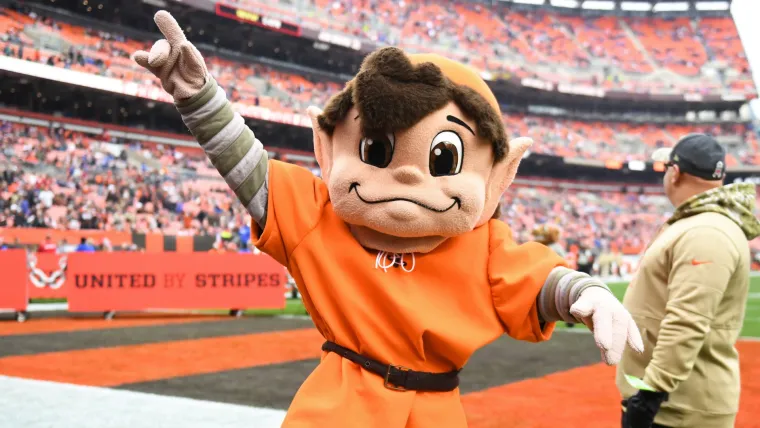
The history of the Cleveland Browns starts in 1944, when taxi-cab businessman Arthur B. “Mickey” McBride secured a Cleveland franchise.
This franchise was part of the newly formed All-America Football Conference, known as the AAFC, a rival league to the NFL at the time.
McBride was not a passionate football fan himself, but he liked the idea of owning a professional sports team.
McBride Hires Paul Brown
McBride’s most important early decision was hiring Paul Brown as the team’s head coach and general manager.
Brown was already a well-known and respected coaching figure in Ohio, having led Ohio State University to a national championship.
To secure his services, McBride offered Brown a large salary, part ownership of the team, and full control over personnel decisions.
Who Was Paul Brown
Paul E. Brown had over a decade of coaching experience across high school, college, and eventually professional football levels.
He was known as a strict disciplinarian who controlled play-calling with precision and demanded high standards from his players.
Despite his firm coaching style, Brown was widely respected across Ohio for his consistent success and innovative approach to the game.
The Fan Naming Contest
In May 1945, McBride organized a public contest inviting fans to submit suggestions for the new team’s name.
Cleveland had a history of previous football franchises, so residents were eager to help brand this fresh AAFC team.
Thousands of entries poured in, reflecting the excitement building around professional football in the city at the time.
Why Cleveland Panthers Was Rejected
The most popular fan suggestion from the contest was “Cleveland Panthers,” which initially seemed like the frontrunner.
However, this name had already been used by a previous, unsuccessful Cleveland football franchise from an earlier era.
To avoid any association with that failed team, McBride decided against using the Panthers name for his new franchise.
How Browns Became The Official Name
With Panthers ruled out, McBride moved to the second most popular suggestion from the contest, which was “Browns.”
In August 1945, despite objections from Coach Paul Brown himself, McBride officially adopted this name for the franchise.
This decision linked the team permanently to its founding coach, creating one of the NFL’s most unique naming stories.
Why Paul Brown Objected
Paul Brown was reportedly uncomfortable with having a professional sports team named directly after himself.
He preferred the name “Panthers,” feeling it carried a more traditional and fierce sporting identity for the franchise.
Despite his objections, McBride and the fan vote ultimately determined the final decision, and the name Browns stuck permanently.
The Alternate Brown Bomber Theory
For several years, an alternate story circulated claiming the name honored boxer Joe Louis, nicknamed the “Brown Bomber.”
According to this version, Paul Brown wanted a name fitting for a champion team and suggested “Brown Bombers,” later shortened to “Browns.”
This theory was even supported by the team organization as factual as recently as the mid-1990s.
Debunking The Boxer Theory
Historians generally consider the Joe Louis theory to be inaccurate, despite Paul Brown occasionally repeating it publicly.
Joe Louis had no direct connection to Cleveland or the football franchise itself, making the boxer link largely symbolic at best.
Later in life, Paul Brown reportedly admitted the team was indeed named after himself, not the famous boxer.
Why Brown May Have Preferred The Boxer Story
Many historians believe Paul Brown promoted the Joe Louis theory simply to deflect attention away from himself.
Having a team named directly after oneself could appear self-serving, so crediting a famous boxer seemed more modest publicly.
This theory adds an interesting layer of humility to the otherwise straightforward naming story of the franchise.
Comparing The Two Naming Theories
| Theory | Origin | Historical Support |
|---|---|---|
| Paul Brown Theory | Named after head coach Paul Brown | Strongly supported by historians and records |
| Brown Bomber Theory | Named after boxer Joe Louis’s nickname | Weakly supported, later admitted false |
Official Franchise Founding Year
While the naming happened in 1945, the Cleveland Browns officially began playing games in the 1946 AAFC season.
The team quickly became dominant, winning the AAFC championship in each of the four years the league existed.
This early success helped cement the Browns as one of the most respected franchises in professional football history.
The Historic 1948 Undefeated Season
The 1948 Cleveland Browns squad achieved a perfect 15-0 record, becoming the first undefeated team in organized professional football.
This remarkable achievement further validated the franchise and its coach, despite the earlier naming controversy surrounding Paul Brown.
It remains one of the most celebrated seasons in the franchise’s long and storied history.
Joining The NFL
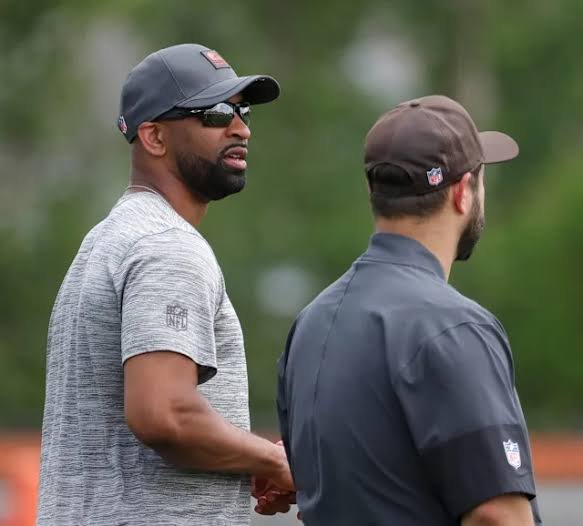
In 1950, the Cleveland Browns were integrated into the NFL alongside two other former AAFC teams.
Despite predictions that they would struggle against established NFL competition, the Browns continued their winning ways immediately.
Their transition into the NFL marked a new chapter while the team retained its original name and identity.
Cleveland Browns Championship History
| Year | Championship Type |
|---|---|
| 1946 | AAFC Championship |
| 1947 | AAFC Championship |
| 1948 | AAFC Championship (Undefeated Season) |
| 1949 | AAFC Championship |
| 1950 | NFL Championship |
| 1954 | NFL Championship |
| 1955 | NFL Championship |
| 1964 | NFL Championship |
Paul Brown’s Departure
Paul Brown remained head coach of the franchise until the early 1960s, when a dispute arose with new owner Art Modell.
Despite his departure, the team retained the name Browns, showing how deeply the identity had become tied to the franchise itself.
Blanton Collier took over as head coach following Brown’s exit, continuing the team’s competitive legacy.
Why The Name Was Never Changed
Even after Paul Brown left the organization, no serious effort was made to rename the franchise.
By that point, “Browns” had become deeply embedded in Cleveland’s sports culture and fan identity.
This permanence highlights how a simple naming contest in 1945 shaped the franchise’s identity for generations to come.
The Browns’ Move Controversy In 1995
In 1995, owner Art Modell announced plans to relocate the franchise to Baltimore, sparking outrage among Cleveland’s dedicated fan base.
Legal action from the city and fans led to a unique resolution regarding the team’s name and history.
As part of the agreement, Modell was allowed to move but had to leave the Browns’ name, colors, and history behind in Cleveland.
Birth Of The Baltimore Ravens
The relocated franchise became the Baltimore Ravens, a completely new team identity separate from the Browns’ history.
Meanwhile, Cleveland retained its beloved Browns name, ensuring continuity for the city’s passionate football fan base.
This arrangement remains one of the most unique franchise relocation resolutions in NFL history.
Brownie The Elf Mascot
Since the Browns are named after a person rather than an animal, the team lacks a traditional mascot design.
To address this, the franchise created “Brownie the Elf,” a whimsical mascot unrelated to the literal team name.
This unusual solution reflects the unique challenge of branding a team named after an individual coach.
Team Colors And Helmet Design
The Cleveland Browns are known for their distinctive brown, orange, and white color scheme across their uniforms.
Their helmet design is particularly notable for having no logo at all, featuring a solid orange color instead.
This minimalist helmet design has become an iconic and recognizable symbol within NFL branding for decades.
Notable Historic Players
Legendary players like Jim Brown, Otto Graham, and Lou Groza built the franchise’s early reputation for excellence.
These players helped the Browns dominate both the AAFC and early NFL eras during the 1940s and 1950s.
Their contributions remain a key part of the franchise’s storied history, tied closely to Coach Paul Brown’s original vision.
Modern-Era Notable Players
In more recent years, players like Baker Mayfield, Myles Garrett, Nick Chubb, and Jarvis Landry have represented the franchise.
While the team has faced ups and downs in recent decades, these players have kept fan interest and enthusiasm alive.
Their performances continue to build upon the legacy established by the franchise’s founding generation of players.
The Browns’ Super Bowl Drought
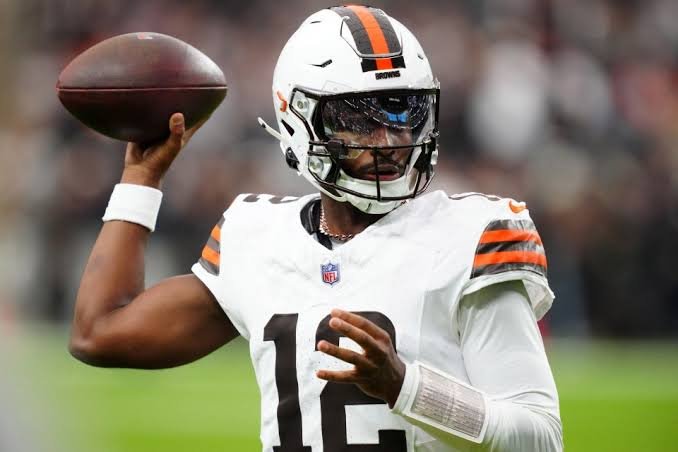
Despite their early championship success, the Cleveland Browns have never appeared in a Super Bowl since the game’s creation.
This ongoing drought stands in stark contrast to their dominant early history under Paul Brown’s leadership.
Fans continue to hope for a return to championship contention, keeping the franchise’s passionate following intact.
Why This Naming Story Remains Popular
The Cleveland Browns’ naming story remains popular because it is unusually personal compared to most NFL team names.
Most franchises are named after animals, historical references, or regional traits rather than individual people.
This uniqueness continues to spark curiosity among football fans researching unusual team name origins each year.
Comparison With Other NFL Team Names
Unlike teams named after animals or regional symbols, the Browns’ name creates a rare personal connection to their founding coach.
This comparison highlights how unusual and historically significant the Browns’ naming story truly is within NFL history.
Few other major sports franchises share this direct, individual-based naming approach.
Cultural Impact In Cleveland
The Browns’ name has become deeply woven into Cleveland’s sports identity, symbolizing loyalty despite decades without a championship.
Local fans often reference the franchise’s founding story as part of their broader civic pride and football culture.
This cultural connection has helped sustain strong attendance and viewership even during less successful seasons.
Why Fans Still Search This Question Today
Many fans continue searching for the origin of the Browns’ name due to its unusual and lesser-known history.
Younger fans, in particular, are often surprised to learn the name comes from an individual coach rather than an animal or symbol.
This continued curiosity keeps the topic relevant across sports trivia, podcasts, and fan discussions each football season.
The Role Of Arthur McBride
Arthur B. “Mickey” McBride played a pivotal role in shaping the franchise, even though he was not personally passionate about football.
His business background as a taxi-cab magnate gave him the resources and organizational skills needed to build a professional sports franchise from scratch.
By trusting Paul Brown with major decisions, McBride effectively allowed his coach to shape both the team’s culture and its eventual name.
Robert Gries And Early Ownership
Businessman Robert H. Gries also played a role in the franchise’s early formation alongside Arthur McBride.
Together, they recognized the growing popularity of professional football in cities like Detroit and Chicago and believed Cleveland could support a similar team.
Their combined efforts laid the financial and organizational groundwork for what would become one of football’s most storied franchises.
The Broader Context Of The AAFC
The All-America Football Conference was formed as a rival league to the NFL during the mid-1940s.
Several cities, including Cleveland, saw this as an opportunity to establish new professional football franchises during a period of growing national interest in the sport.
The Browns’ dominance within this league helped validate the AAFC as a serious competitor before its eventual merger with the NFL.
How The Contest Reflected Fan Passion
The 1945 naming contest reflected the strong, immediate passion Cleveland residents had for their new football franchise.
Thousands of submissions showed how invested the community already was, even before a single game had been played.
This grassroots involvement in naming the team helped build an early emotional connection between fans and the franchise.
Historical Records Supporting The Paul Brown Theory
Multiple historical sources, including Britannica and long-standing sports archives, consistently support the theory that the team was named after Paul Brown.
These sources note that Brown’s popularity in Ohio, stemming from his successful Ohio State University coaching career, made him a natural namesake.
This consistent historical documentation strengthens the case for the Paul Brown theory over the alternate boxer-related story.
Why This Story Matters For NFL History
The naming story of the Cleveland Browns offers valuable insight into how professional sports franchises were built during the sport’s early growth years.
Unlike modern franchises with carefully branded marketing strategies, early teams often relied on grassroots fan involvement and simple contests to establish their identity.
This history provides a fascinating case study in how sports culture and community involvement have evolved over the decades.
Common Misconceptions About The Name
A common misconception is that the Browns are named after the color brown found in their uniform design.
In reality, the color scheme was selected separately, and the name itself predates any specific focus on the team’s color identity.
Clearing up this misconception helps fans better understand the true historical context behind the franchise’s naming.
Another Misconception Addressed
Some fans mistakenly believe the boxer Joe Louis theory is the primary or only accepted explanation for the team’s name.
As historical records show, this theory was largely a story promoted by Paul Brown himself and lacks strong supporting evidence.
The Paul Brown coaching theory remains the most historically accurate and widely accepted explanation among researchers and sports historians.
The Legacy Of Paul Brown Beyond Cleveland
After leaving the Cleveland Browns, Paul Brown went on to found another NFL franchise, the Cincinnati Bengals, in 1968.
His influence on professional football extended well beyond his time in Cleveland, cementing his legacy as one of the sport’s most important figures.
This later career move further illustrates how central his coaching philosophy became to multiple franchises across NFL history.
Quick Summary Before FAQs
The Cleveland Browns’ name traces back to a 1945 fan contest that ultimately honored head coach Paul Brown.
While an alternate boxer-related theory has circulated for decades, historical evidence strongly favors the coaching origin story as the accurate account.
Below are the most frequently asked questions about the Browns’ name origin, answered briefly for quick reading.
Key Facts Summary
The Browns were named following a 1945 fan contest organized by owner Arthur McBride.
The winning name honored head coach Paul Brown, despite his own personal objections at the time.
An alternate boxer-related theory exists but has since been largely dismissed by historians and the team itself.
Frequently Asked Questions (FAQs)
Why are the Cleveland Browns called the Browns?
They are named after their first head coach, Paul Brown, following a fan naming contest in 1945.
Was the team ever going to be named something else?
Yes, “Cleveland Panthers” was the most popular fan suggestion but was rejected due to a previous failed franchise using that name.
Did Paul Brown want the team named after himself?
No, he reportedly preferred the name Panthers and was uncomfortable with the team being named after him.
Is the Joe Louis boxing theory true?
Most historians consider it false, though Paul Brown promoted this story publicly for several years.
When did the Cleveland Browns start playing?
They officially began playing in the 1946 AAFC season after being founded in 1944.
Why doesn’t the Browns’ helmet have a logo?
Since the team is named after a person, there was no natural mascot or symbol, so a plain orange helmet was chosen instead.
What is Brownie the Elf?
Brownie the Elf is the Cleveland Browns’ whimsical mascot, created since the team lacks a traditional animal-based name.
Did the Browns ever move to another city?
The franchise’s identity briefly relocated to Baltimore in 1995, but Cleveland retained the Browns’ name, colors, and history.
Has Paul Brown’s family been involved with the team since?
Paul Brown left the organization in the early 1960s and later helped found the Cincinnati Bengals as a separate franchise.
Have the Cleveland Browns ever played in a Super Bowl?
No, the Browns have never appeared in a Super Bowl despite winning multiple championships in earlier decades.
Conclusion
The story behind why the Cleveland Browns are called the Browns is one of the most unique naming histories in professional sports. Rather than being named after an animal or regional symbol, the franchise carries the name of its first head coach, Paul Brown, following a public fan contest held in 1945.
Although an alternate theory involving boxer Joe Louis circulated for years, most historical evidence confirms the name was chosen to honor Coach Brown’s early influence on the franchise.
Despite his own objections, the name stuck and has remained unchanged for nearly eight decades, surviving championships, relocations, and rebuilding eras alike. Today, the Browns’ name stands as a lasting tribute to one of football’s most respected coaching figures, making it a fascinating piece of NFL history that continues to intrigue fans of all ages.


