


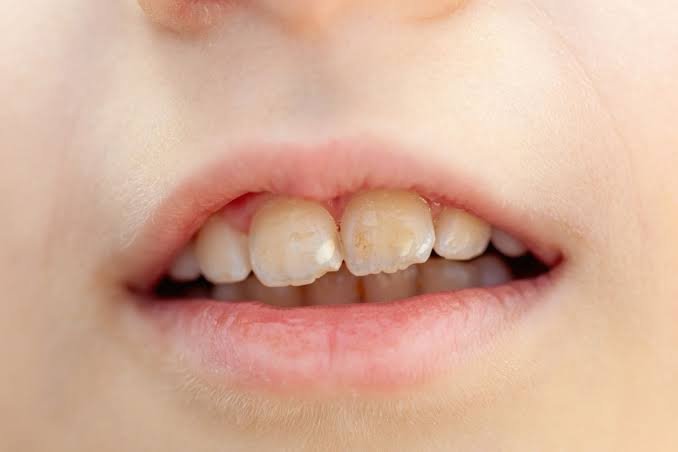
Why are there white spots on my teeth is one of the most common questions people ask after noticing chalky patches while brushing or smiling in photos. These spots happen when enamel loses minerals like calcium and phosphate, creating a porous, opaque area that reflects light differently.
Causes range from childhood fluoride exposure to poor oral hygiene, braces, diet, and even certain illnesses. While white spots are usually not painful, they can sometimes signal early enamel damage.
What Are White Spots on Teeth
White spots on teeth are small, chalky, or opaque areas that appear lighter than the rest of the tooth surface. They form when enamel loses essential minerals.
This process is called demineralization. Once minerals like calcium and phosphate are pulled out of the enamel, the surface becomes porous and reflects light differently.
These spots usually appear first on the front teeth, especially the central incisors, since these are the most visible and frequently exposed teeth.
Common Causes At A Glance
Before going into detail, here is a quick table summarizing the most common reasons white spots appear on teeth.
| Cause | Who It Typically Affects |
|---|---|
| Enamel Demineralization | Teens and Adults |
| Fluorosis | Children Under 8 |
| Enamel Hypoplasia | Children (Developmental) |
| Poor Oral Hygiene | All Age Groups |
| Braces or Orthodontics | Teens and Adults |
| Low-Calcium Diet | All Age Groups |
| Acidic or Sugary Diet | All Age Groups |
| Dry Mouth or Mouth Breathing | All Age Groups |
| Childhood Illness or Antibiotics | Infants and Children |
| Tooth Trauma | All Age Groups |
Each of these causes works differently, so understanding your specific situation helps in choosing the right treatment approach.
Enamel Demineralization
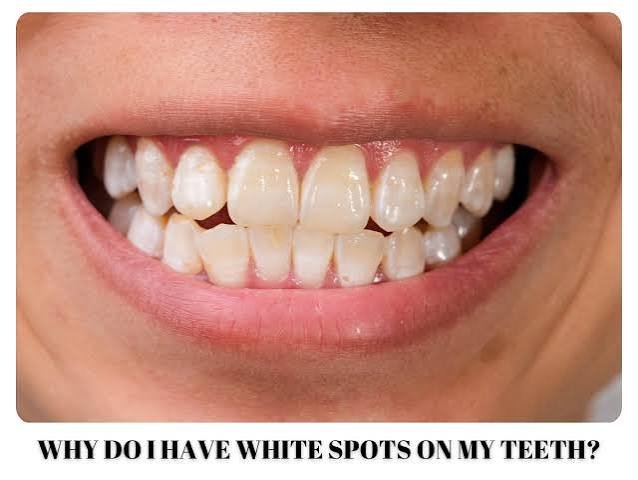
Demineralization is the most common cause of white spots on teeth. It happens when plaque bacteria feed on sugars and produce acids.
These acids pull calcium and phosphate out of the enamel surface. Over time, this weakens the enamel and creates a chalky white appearance.
If caught early, demineralized enamel can often be strengthened again. If ignored, the affected area may progress into a cavity.
Fluorosis From Excess Fluoride
Fluorosis develops when a child is exposed to too much fluoride while their permanent teeth are still forming, typically before age 8.
Common sources include swallowing fluoride toothpaste, drinking heavily fluoridated water, or taking certain fluoride supplements without proper guidance.
Mild fluorosis usually appears as faint white streaks or spots, while more severe cases can cover a larger portion of the tooth surface.
Enamel Hypoplasia
Enamel hypoplasia is a developmental condition where a tooth has less enamel than average. It is sometimes called Turner’s tooth.
This condition often results from poor childhood nutrition, premature birth, or illness during pregnancy or early infancy, affecting how enamel initially forms.
Teeth affected by hypoplasia often show white spots along with grooves, pits, or increased sensitivity, and may be more prone to future decay.
Poor Oral Hygiene And Plaque Buildup
When brushing and flossing are inconsistent, plaque builds up on the tooth surface. This bacterial layer produces acids that slowly demineralize enamel.
Over time, this uneven mineral loss creates visible white spots, especially near the gumline or between teeth where plaque tends to accumulate the most.
Improving daily brushing and flossing habits is often the first recommended step in addressing white spots caused by hygiene issues.
Braces And Orthodontic Treatment
White spots frequently appear around brackets and wires after braces are removed. This happens because plaque collects around these hard-to-clean areas.
If plaque is not properly removed during treatment, the enamel underneath and around the brackets can demineralize, leaving noticeable white spot outlines.
Dentists often recommend fluoride treatments or specific cleaning routines during orthodontic treatment to help reduce this common side effect.
Low-Calcium Diet And Nutritional Gaps
Calcium is essential for building and maintaining strong tooth enamel. A diet consistently low in calcium can leave enamel weaker and more vulnerable.
Weakened enamel is more likely to develop white spots, since it lacks the mineral density needed to resist everyday acid exposure from food and bacteria.
Including calcium-rich foods like dairy, leafy greens, and almonds can help support stronger enamel over time.
Acidic And Sugary Food Habits
Frequent consumption of sugary or acidic foods and drinks accelerates the demineralization process. Sugar feeds bacteria, while acids directly erode enamel surfaces.
Common culprits include soda, citrus fruits, candy, and sports drinks, especially when consumed frequently throughout the day rather than with meals.
Reducing frequency of exposure, rather than just total amount, is often more effective in preventing enamel damage from diet.
Dry Mouth And Mouth Breathing
Saliva plays a protective role by neutralizing acids and helping remineralize enamel. Reduced saliva flow removes this natural protection.
People who breathe through their mouth while sleeping often wake up with white spots that fade after a few hours, caused by temporary dehydration of the enamel surface.
Chronic dry mouth, however, can lead to more lasting demineralization if saliva flow remains consistently low over time.
Childhood Illness, Fever, And Antibiotics
Illnesses and high fevers during early childhood can disrupt normal enamel formation while permanent teeth are still developing under the gums.
Certain antibiotics, particularly those used to treat infections in infants and young children, have also been linked to interference with nutrient absorption needed for healthy enamel.
Smoking during pregnancy is another factor that has been associated with enamel hypoplasia and related white spots in children.
Tooth Trauma
Physical trauma to a tooth, even earlier in childhood, can sometimes affect how enamel develops or appears later in life.
A hard fall or injury to a baby tooth can occasionally impact the permanent tooth developing underneath, leading to visible white or discolored spots once it emerges.
This type of white spot is usually limited to a single tooth, unlike fluorosis or dietary causes which often affect multiple teeth at once.
White Spots In Children Versus Adults
White spots can appear at different life stages for different reasons, making age an important factor in identifying the likely cause.
| Age Group | Common Causes |
|---|---|
| Infants and Toddlers | Enamel Hypoplasia, Illness |
| Children Under 8 | Fluorosis, Poor Hygiene |
| Teenagers | Braces, Diet, Hygiene |
| Adults | Demineralization, Dry Mouth, Diet |
Understanding which age group you or your child falls into can help narrow down the most likely cause before seeing a dentist.
Are White Spots A Sign Of Tooth Decay
In many cases, white spots represent the earliest visible stage of enamel demineralization, which is technically the beginning stage of tooth decay.
However, not all white spots mean decay is guaranteed to happen. Some are purely cosmetic and linked to developmental conditions like mild fluorosis.
The key difference lies in whether the spot is actively losing minerals or has already stabilized, which is something a dentist can properly evaluate.
How White Spots Are Diagnosed
Dentists typically diagnose the cause of white spots through a visual examination, sometimes supported by tools like a dental explorer or intraoral camera.
They may also ask about your childhood fluoride exposure, oral hygiene habits, diet, and any history of braces or illness to narrow down the likely cause.
In some cases, dental X-rays are used to check whether the demineralization has progressed into a deeper cavity beneath the enamel surface.
When To See A Dentist
While many white spots are harmless, certain signs suggest it is time to schedule a dental checkup rather than waiting.
If a white spot suddenly appears, changes in size, texture, or is accompanied by sensitivity or pain, professional evaluation is recommended.
Spots that appear rough, feel soft, or seem to be spreading should also be checked promptly to rule out active tooth decay.
Treatment Options Overview
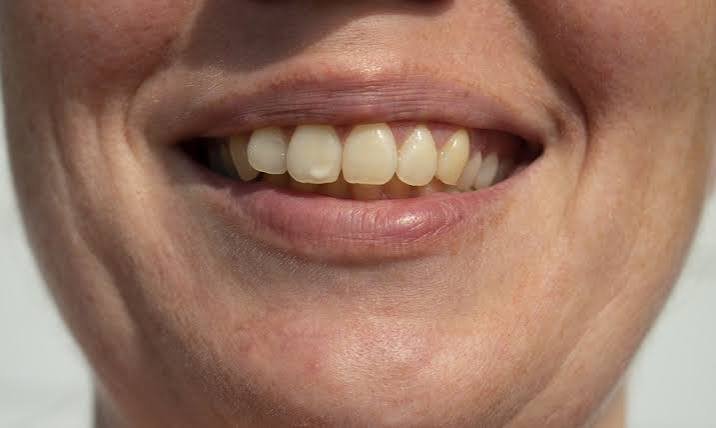
Treatment depends heavily on the underlying cause, so identifying the reason behind the white spots is the first step before choosing an approach.
Remineralization Treatments
Fluoride varnish or remineralizing pastes containing calcium and phosphate can help restore lost minerals in early-stage demineralization before it becomes a cavity.
Microabrasion
This procedure gently removes a thin layer of enamel to reduce the appearance of surface-level white spots, often used for mild fluorosis cases.
Resin Infiltration
A resin material is applied to the porous enamel, filling in the microscopic gaps and helping blend the white spot with surrounding tooth color.
Teeth Whitening
In some cases, whitening the entire tooth helps blend white spots with the rest of the enamel, making them less noticeable overall.
Veneers Or Bonding
For more severe or stubborn cases, thin veneers or composite bonding can fully cover the affected area for a consistent, uniform tooth appearance.
Prevention Tips For White Spots
Preventing white spots largely depends on addressing the root cause early, whether that is diet, hygiene, or fluoride exposure.
Brushing twice daily, flossing regularly, and using an appropriate amount of fluoride toothpaste, especially for young children, can significantly reduce risk.
Limiting frequent sugary or acidic snacks and staying hydrated to maintain healthy saliva flow also plays an important role in prevention.
Prevention By Cause
A simple reference table can help match prevention strategies to the specific cause behind your white spots.
| Cause | Prevention Strategy |
|---|---|
| Fluorosis | Supervise fluoride toothpaste use in children |
| Poor Hygiene | Brush twice daily, floss regularly |
| Braces-Related | Clean carefully around brackets and wires |
| Diet-Related | Reduce frequency of sugary and acidic foods |
| Dry Mouth | Stay hydrated, treat underlying dry mouth causes |
Using this table alongside professional dental advice can help create a more targeted prevention routine.
Common Myths About White Spots
Many people assume white spots always mean poor hygiene, but conditions like fluorosis or enamel hypoplasia can occur even with excellent dental care.
Another myth is that white spots always require cosmetic treatment. In many mild cases, they are simply monitored rather than immediately treated.
Understanding these myths helps reduce unnecessary worry while still encouraging people to get unusual or changing spots checked by a professional.
Impact On Confidence And Appearance
While white spots are rarely painful, many people feel self-conscious about them, especially when they appear on front teeth visible while smiling.
This cosmetic concern is one of the main reasons people search for causes and treatment options, even when the spots pose no immediate health risk.
Understanding the root cause can also help ease anxiety, since many white spots are manageable or even reversible with the right approach.
White Spots And Genetics
Some people are simply more prone to enamel irregularities due to inherited traits that affect how enamel forms during tooth development.
In these cases, white spots may appear even with excellent oral hygiene and a balanced diet, since the underlying cause is structural rather than behavioral.
Genetic conditions affecting enamel are less common than diet or hygiene-related causes but are worth mentioning during a dental consultation if spots seem unexplained.
Role Of Water Fluoridation
Many public water systems add fluoride to help prevent tooth decay across the general population, which has significantly reduced cavity rates over past decades.
However, in areas with naturally high fluoride levels or additional fluoride sources, children can sometimes receive more fluoride than needed during enamel development.
This is why dentists often recommend monitoring toothpaste use and water sources for young children living in regions with already fluoridated water supplies.
White Spots After Teeth Whitening
Some people notice white spots become more visible immediately after a teeth whitening treatment, which can be confusing and cause unnecessary worry.
This happens because whitening products lighten healthy enamel more evenly, while areas with pre-existing demineralization or fluorosis may respond differently, making spots temporarily stand out more.
In most cases, this visibility difference evens out over time or can be addressed with additional cosmetic treatments like resin infiltration afterward.
Professional Dental Cleanings And Monitoring
Regular dental cleanings every six months allow dentists to catch early demineralization before it becomes a visible or permanent white spot.
During these visits, dentists can also apply professional fluoride treatments, which are more concentrated than over-the-counter products and specifically target weak spots in enamel.
Consistent monitoring over time also helps distinguish between spots that are stable, cosmetic concerns and those that are actively progressing toward decay.
Lifestyle Habits That Support Enamel Health
Beyond brushing and flossing, certain daily habits play a supporting role in maintaining strong, mineral-rich enamel over the long term.
Chewing sugar-free gum after meals can help stimulate saliva production, which naturally helps neutralize acids and support the remineralization process throughout the day.
Avoiding tobacco products and limiting alcohol consumption also supports better oral health overall, indirectly reducing risk factors linked to enamel weakening.
Does Age Affect White Spot Formation
While white spots are often associated with childhood development, adults are certainly not immune, especially due to lifestyle factors like diet and dry mouth.
As people age, natural saliva production can decrease, particularly due to certain medications, which increases the risk of demineralization even in otherwise healthy adults.
This makes consistent hydration and oral hygiene increasingly important as a preventive habit throughout adulthood, not just during childhood tooth development.
Understanding Cosmetic Versus Health-Related Spots
Not every white spot requires treatment. Some are purely cosmetic, especially mild fluorosis cases that have remained stable for years without changing.
Health-related spots, on the other hand, are typically linked to active demineralization and carry a higher risk of progressing into a cavity if left unaddressed.
A dentist’s evaluation is the most reliable way to categorize a spot correctly, since visual appearance alone can sometimes be misleading to an untrained eye.
Key Takeaways Before The FAQs
White spots on teeth can stem from a wide range of causes, including fluorosis, hypoplasia, diet, hygiene, braces, and childhood illness.
Most cases are not painful and many are treatable, ranging from simple remineralization to more advanced cosmetic procedures depending on severity.
Identifying the specific cause, ideally with a dentist’s help, is the most reliable way to choose the right prevention or treatment plan.
Talking To Your Dentist About White Spots
When visiting a dentist about white spots, it helps to mention when you first noticed them, whether they have changed, and any recent dietary or hygiene changes.
Sharing details about childhood fluoride exposure, past braces treatment, or any illnesses during early development can also help the dentist narrow down the likely cause more accurately.
This information allows for a more personalized treatment plan, rather than a generic approach that may not address the actual root cause of your specific spots.
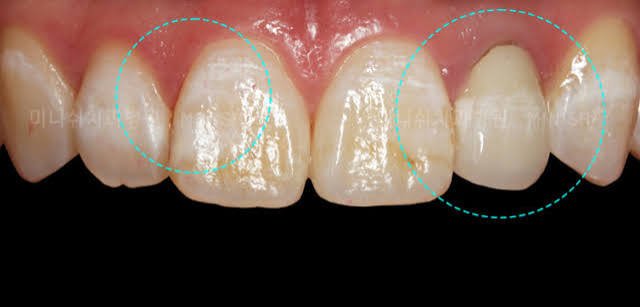
Frequently Asked Questions (FAQs)
Why do I suddenly have white spots on my teeth?
Sudden white spots often indicate active enamel demineralization from acid exposure. A dentist can confirm whether it is early decay.
Are white spots on teeth permanent?
Not always. Mild cases from demineralization can improve with remineralization treatment, while fluorosis-related spots are usually permanent without cosmetic treatment.
Can white spots turn into cavities?
Yes, if demineralization continues without treatment, the weakened enamel can eventually develop into an actual cavity requiring a filling.
Do white spots go away on their own?
Mild, early-stage demineralization can sometimes reverse itself with better oral hygiene and fluoride use. Established fluorosis spots typically do not fade alone.
Why do kids get white spots on their teeth?
Children commonly develop white spots from fluorosis, enamel hypoplasia, or poor hygiene habits during the years their teeth are still forming.
Can diet really cause white spots on teeth?
Yes, frequent sugary or acidic food and a low-calcium diet both contribute to enamel weakening, which can lead to visible white spots.
Is it normal to have white spots after braces?
Yes, this is fairly common and results from plaque buildup around brackets during treatment. Good cleaning habits help minimize this effect.
Should I worry about a single white spot on one tooth?
A single spot, especially after tooth trauma, is usually less concerning but should still be checked if it changes or causes discomfort.
Can toothpaste cause white spots?
Yes, swallowing too much fluoride toothpaste during childhood can contribute to fluorosis, which appears as white spots or streaks on teeth.
What is the fastest way to treat white spots?
Options like microabrasion or resin infiltration offer relatively quick cosmetic improvement, though the best choice depends on the underlying cause.
A Final Note On Patience And Consistency
Enamel changes gradually, which means both the appearance and disappearance of white spots often happen slowly rather than overnight.
Sticking with recommended treatments, whether it is a remineralizing paste or a cosmetic procedure, typically requires patience over several weeks or months for visible improvement.
Consistency in daily habits ultimately matters more than any single product or one-time treatment when it comes to long-term enamel health.
Conclusion
White spots on teeth can feel alarming at first, but they are usually explained by a clear, identifiable cause, whether that is childhood fluoride exposure, enamel hypoplasia, poor oral hygiene, braces, diet, or even a temporarily dry mouth overnight.
In most cases, these spots are not painful, and many respond well to treatments ranging from simple remineralization to cosmetic procedures like microabrasion or resin infiltration. Understanding your specific cause, rather than assuming the worst, is the most useful first step toward addressing the issue.
If a white spot appears suddenly, changes in size or texture, or comes with sensitivity, it is worth getting it checked by a dentist rather than waiting, since early evaluation makes treatment simpler and outcomes generally more predictable.
With consistent oral hygiene, a balanced diet, and regular dental checkups, most white spots can be managed effectively, helping you maintain both healthy enamel and a more confident smile over time.


