


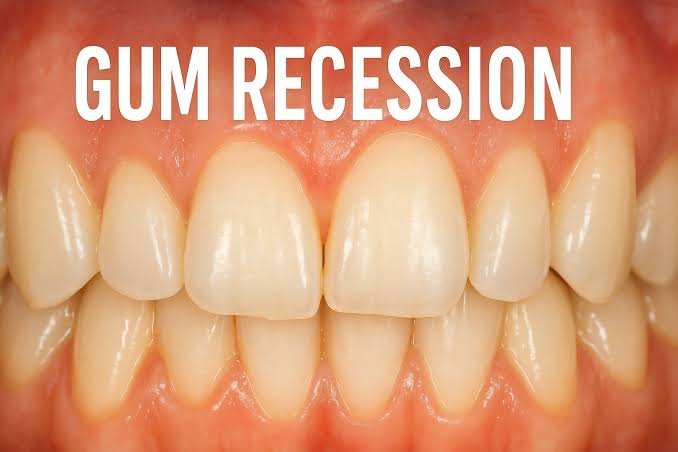
Why are my gums receding is a question that usually surfaces after noticing your teeth look a little longer than they used to, or your gums feel tender near the base of a tooth.
Gum recession happens when the tissue surrounding your teeth gradually pulls back, exposing more of the tooth or its root underneath.
It can be caused by gum disease, aggressive brushing, genetics, tobacco use, or several other everyday habits. The most important thing to understand upfront is that gum tissue does not grow back naturally once it recedes, but that does not mean the problem cannot be treated.
What Gum Recession Actually Is
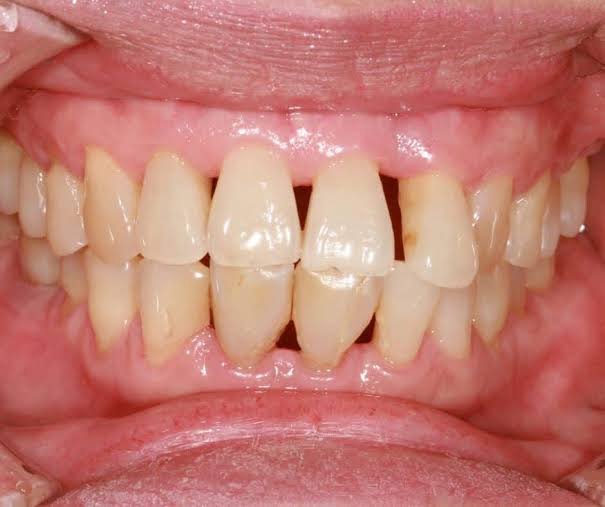
Gum recession, or gingival recession, occurs when your gum line slowly shrinks away from your teeth. This exposes the tooth root and makes teeth appear longer than normal.
Healthy gums should snugly hug your teeth. When they begin pulling away, they create small pockets where bacteria and food debris can easily accumulate.
Common Causes of Receding Gums
Receding gums don’t happen overnight. Several factors, some controllable and some not, contribute to this gradual process over time.
| Cause | How It Contributes | Controllable |
|---|---|---|
| Gum disease (periodontitis) | Bacterial infection damages gum tissue and bone | Partially |
| Aggressive brushing | Wears away gum tissue and enamel over time | Yes |
| Poor oral hygiene | Plaque buildup inflames and irritates gums | Yes |
| Tobacco use | Weakens immune response, increases plaque buildup | Yes |
| Genetics | Some people are born with thinner gum tissue | No |
| Hormonal changes | Increases gum sensitivity and disease risk | No |
| Teeth grinding | Puts excess pressure on gums and teeth | Partially |
| Misaligned teeth or bite | Uneven pressure wears down gum tissue in spots | Partially |
| Dental trauma or piercings | Physical damage pulls gum tissue away | Yes |
Gum Disease as the Leading Cause
One of the most common causes of gum recession is periodontal disease. This bacterial infection damages the gums and supporting structures over time.
As gum disease progresses, it gradually causes the gum tissue to pull away from the teeth, creating pockets that trap even more bacteria and debris.
Catching gum disease in its earliest stage, gingivitis, offers the best chance of stopping recession before it becomes more severe or permanent.
Aggressive Brushing Habits
Brushing too hard or using a toothbrush with stiff bristles can wear away enamel and irritate gum tissue, leading to recession over time.
Many people brush aggressively believing it cleans teeth more effectively, when in reality gentle, consistent brushing is far better for long-term gum health.
Switching to a soft-bristled toothbrush and using light, circular motions can significantly reduce this type of damage going forward.
Poor Oral Hygiene and Plaque Buildup
When bacteria in plaque builds up between the gums and teeth, the surrounding gum tissue can become inflamed, setting the stage for gum disease and recession.
Consistent brushing, flossing, and professional cleanings help remove plaque before it hardens into tartar, which is much harder to remove and more damaging to gums.
Tobacco Use and Smoking
Smoking and tobacco use significantly increase the risk of receding gums by weakening the immune system and reducing saliva flow, which allows plaque to build up more easily.
Tobacco use is one of the leading contributors to gum disease overall, making it one of the most impactful habits to change for gum health.
Quitting smoking can meaningfully slow the progression of gum recession and improve the results of any professional gum treatment you pursue.
Genetics and Family History
Some people inherit thinner, more delicate gum tissue from their parents, which puts them at a naturally higher risk for recession regardless of oral hygiene habits.
If gum recession runs in your family, being especially proactive about gentle brushing and regular dental checkups can help offset this genetic risk factor.
Hormonal Changes
Hormonal fluctuations, such as those during pregnancy, puberty, or menopause, can make gums more sensitive and more prone to inflammation and disease.
This increased sensitivity raises the risk of gum disease developing, which in turn increases the likelihood of gum recession occurring during these periods.
Teeth Grinding and Clenching
Grinding or clenching your teeth, especially during sleep, puts excess pressure on both teeth and gums that can contribute to gum recession over time.
Using a night guard is a simple, effective way to protect gum tissue and teeth from the ongoing stress caused by grinding.
Misaligned Teeth or Bite Issues
When teeth do not align properly, pressure during chewing can be distributed unevenly, wearing down gum tissue faster in certain spots than others.
Orthodontic treatment to correct misalignment can help reduce uneven pressure and slow further gum recession caused by an unbalanced bite.
Dental Trauma and Lip or Tongue Piercings
Physical trauma to the gums, including from oral piercings that rub against gum tissue, can gradually pull the gum away from the affected tooth.
If you have an oral piercing and notice recession forming near it, discussing the risk with your dentist can help you decide whether to remove it.
Early Warning Signs of Gum Recession
Gum recession can occur without obvious symptoms at first, which is why regular dental visits are so important for catching it early.
| Sign | What You Might Notice |
|---|---|
| Increased tooth sensitivity | Discomfort with hot, cold, or sweet foods |
| Teeth appearing longer | Visible change in tooth shape or length |
| A visible notch | Where the gum meets the tooth |
| Exposed tooth roots | Yellowish area near the gumline |
| Gum tenderness or bleeding | Especially during brushing |
Can Receding Gums Grow Back Naturally
No, receding gums cannot grow back naturally on their own. Gum tissue is not able to regenerate the way some other tissues in the body can.
Once gum tissue has pulled away from a tooth, it will not spontaneously reattach or regenerate without professional dental intervention of some kind.
This makes prevention and early treatment absolutely essential, since stopping recession early protects far more of your natural gum tissue long term.
Why Gum Tissue Doesn’t Regenerate
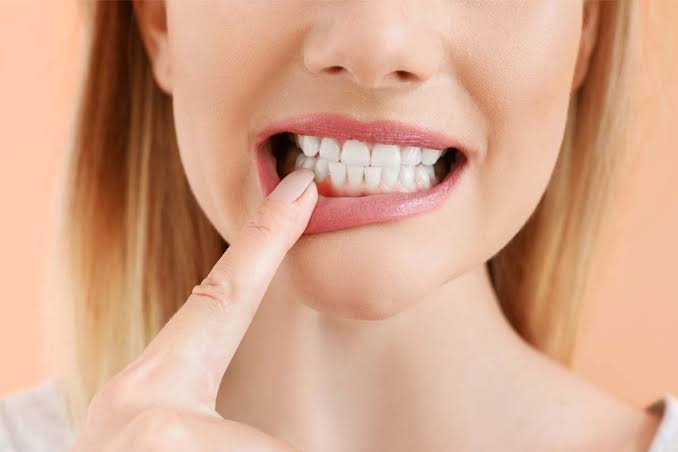
The cells that form healthy gum tissue don’t multiply and migrate back to cover exposed roots the way skin cells might heal a minor cut.
This biological limitation is why dental professionals consistently emphasize prevention and early intervention over waiting to see if recession will resolve on its own.
What You Can Do Even Though Gums Don’t Grow Back
While the tissue itself cannot regenerate, several effective steps can stop further recession and even restore gum coverage through professional treatment.
Improving your oral hygiene routine, quitting tobacco use, and treating underlying gum disease all help halt the progression of existing recession.
Professional treatments can also rebuild lost gum coverage in more advanced cases, giving you options beyond simply preventing further damage.
Non-Surgical Treatment Options
For early-stage recession linked to gum disease, a deep cleaning procedure called scaling and root planing removes plaque and tartar from below the gumline.
This procedure smooths the tooth root surface, making it harder for bacteria to reattach and giving irritated gum tissue a chance to heal.
Non-surgical treatment works best when recession is caught early, before significant bone or tissue loss has occurred around the affected teeth.
Surgical Treatment Options
| Treatment | What It Does | Best For |
|---|---|---|
| Scaling and root planing | Deep cleans below the gumline | Early-stage recession |
| Gum grafting | Adds tissue from elsewhere to cover roots | Moderate to severe recession |
| Pinhole surgical technique | Repositions existing gum tissue with minimal incisions | Moderate recession |
| Guided tissue regeneration | Encourages bone and tissue regrowth around the tooth | Recession with bone loss |
| Composite resin restoration | Covers exposed roots with tooth-colored material | Cosmetic cases, mild recession |
Gum Grafting Explained
Gum grafting takes tissue from elsewhere in the mouth, often the roof of the mouth, and attaches it to the area with exposed roots.
This procedure both covers the exposed root surface and helps prevent further recession by adding a thicker layer of protective tissue to the area.
Recovery from gum grafting typically takes a couple of weeks, and the results can significantly reduce sensitivity while improving the appearance of the gumline.
Why Getting Treatment Early Matters
Ignoring gum recession can lead to serious complications, including tooth loss, bone loss, and increased sensitivity that worsens over time.
Receding gums also leave your teeth more vulnerable to decay, since exposed root surfaces lack the protective enamel found on the visible part of the tooth.
Early action through professional treatment can prevent these more serious complications and help you maintain a healthier, more comfortable smile long term.
Daily Habits to Prevent Further Recession
Building a consistent, gentle oral hygiene routine is the most effective way to protect the gum tissue you still have from further recession.
Brush twice daily with a soft-bristled toothbrush, using gentle circular motions rather than aggressive back-and-forth scrubbing across the gumline.
Floss daily to remove plaque and food particles from between teeth, where a toothbrush alone cannot fully reach.
Consider using a water flosser as a gentle addition to your routine, especially if you have sensitive gums or existing recession.
Prevention Checklist for Healthy Gums
| Habit | Why It Helps |
|---|---|
| Soft-bristled toothbrush | Reduces physical wear on gum tissue |
| Gentle brushing technique | Prevents enamel and gum erosion |
| Daily flossing | Removes plaque between teeth |
| Routine dental checkups | Catches early signs before recession worsens |
| Quitting tobacco | Reduces plaque buildup and immune suppression |
| Night guard for grinding | Reduces pressure on gums and teeth |
When to See a Dentist About Receding Gums
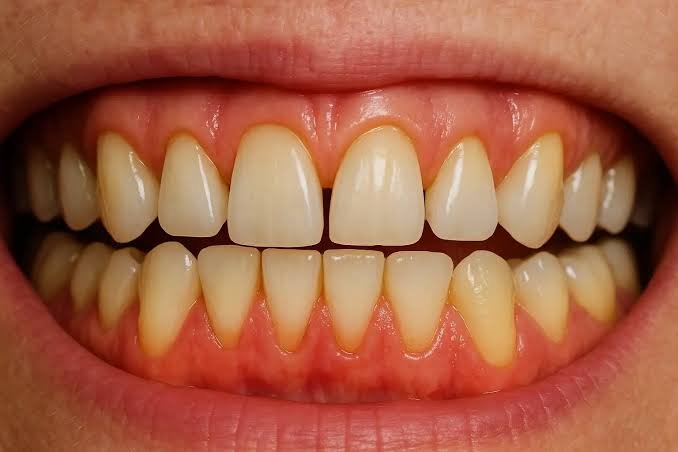
If you notice increased tooth sensitivity, teeth that appear longer, or a visible notch where the gum meets the tooth, schedule a dental evaluation.
A dentist or periodontist can measure the depth of any gum pockets that have formed, which helps determine the exact stage of gum disease present.
Getting an early, accurate diagnosis is the best way to choose the right treatment path and prevent further gum recession from occurring.
What Happens During a Gum Recession Evaluation
A dental professional will typically examine your gums visually, measure pocket depth around each tooth, and may take X-rays to check for underlying bone loss.
This assessment helps determine whether your recession is mild, moderate, or severe, which then guides the recommended treatment approach going forward.
Living With Receding Gums Day to Day
Managing sensitivity from exposed roots often involves using a toothpaste specifically formulated for sensitive teeth, which can meaningfully reduce discomfort with hot or cold foods.
Avoiding overly abrasive whitening products on sensitive, receded areas can also help prevent additional irritation to already vulnerable tooth root surfaces.
Staying consistent with professional cleanings every six months allows your dental team to monitor recession closely and catch any changes early.
Common Mistakes That Make Gum Recession Worse
Continuing to brush aggressively after noticing early signs of recession often accelerates the problem rather than slowing it down.
Skipping regular dental checkups because recession isn’t painful allows underlying gum disease to progress further before it’s ever diagnosed.
Ignoring bleeding gums as “normal” is another common mistake, since bleeding is frequently one of the earliest warning signs of gum disease and future recession.
How Age Affects Gum Recession Risk
Gum recession becomes more common with age, partly due to the cumulative effects of years of brushing, plaque exposure, and natural tissue thinning over time.
Younger people can still experience recession, particularly from aggressive brushing habits, orthodontic treatment, or genetic predisposition rather than age-related wear.
Regardless of age, the same prevention principles apply: gentle brushing, consistent flossing, and routine professional cleanings remain the most effective defense.
Diet and Nutrition’s Role in Gum Health
A diet high in sugar and refined carbohydrates feeds the bacteria responsible for plaque buildup, indirectly increasing the risk of gum disease and recession.
Foods rich in vitamin C and antioxidants support healthy gum tissue and may help the body better resist the inflammation associated with gum disease.
Staying well hydrated also supports healthy saliva production, which plays a natural role in washing away food particles and bacteria throughout the day.
Comparing Recession Severity Stages
Dentists typically classify gum recession into stages based on how much tissue and bone have been affected, which helps determine the most appropriate treatment.
| Stage | Description | Typical Approach |
|---|---|---|
| Mild | Slight pulling back, minimal sensitivity | Improved hygiene, monitoring |
| Moderate | Noticeable root exposure, some sensitivity | Deep cleaning, possible grafting |
| Severe | Significant root exposure, bone loss possible | Surgical treatment often needed |
Cost Considerations for Gum Recession Treatment
Non-surgical treatments like scaling and root planing are generally more affordable and are often at least partially covered by dental insurance.
Surgical options such as gum grafting tend to cost more due to the complexity of the procedure, though many practices offer payment plans to help manage expenses.
Discussing cost and insurance coverage directly with your dental office before treatment helps you plan financially while still addressing the issue promptly.
Questions to Ask Your Dentist About Recession
Asking specific questions during your appointment helps you understand your exact situation and feel more confident about the recommended treatment plan.
Ask what stage your recession is at, what likely caused it, and whether the recommended treatment will stop progression or also restore lost coverage.
It’s also worth asking what daily habits you can adjust at home to support the treatment and reduce the risk of further recession over time.
A Quick Self-Check for Early Recession Signs
Use this short checklist to help decide whether it’s time to schedule a dental evaluation for possible gum recession.
| Question | If Yes |
|---|---|
| Do your teeth look longer than before? | Schedule a checkup |
| Do you feel a notch near the gumline? | Schedule a checkup |
| Is there new sensitivity to hot or cold? | Mention it at your next visit |
| Do your gums bleed during brushing? | Schedule a checkup soon |
| Have you noticed a family history of gum issues? | Be proactive with checkups |
This simple check can help you decide whether what you’re noticing warrants a professional look sooner rather than later.
Supporting Gum Health Alongside Professional Treatment
Even after starting professional treatment, maintaining a consistent home care routine plays a big role in how well the results hold up over time.
Using an alcohol-free antibacterial mouthwash can help reduce bacteria without further irritating already sensitive gum tissue during recovery.
Staying consistent with follow-up visits allows your dentist to track healing progress and catch any signs of continued recession early.
Frequently Asked Questions (FAQs)
Can receding gums grow back on their own?
No, gum tissue does not regenerate naturally once it has receded. Professional treatments like grafting can restore coverage, but the tissue will not grow back by itself.
What is the main cause of receding gums?
Gum disease is the most common cause, though aggressive brushing, genetics, and tobacco use are also significant contributors. Identifying your specific cause helps guide treatment.
Is gum recession painful?
Mild recession often causes little to no pain, though increased sensitivity to hot and cold is common. More advanced recession can bring tenderness or discomfort.
Can brushing too hard cause receding gums?
Yes, aggressive brushing with a hard-bristled toothbrush can wear away gum tissue over time. Switching to a soft brush and gentle technique helps prevent this.
How do I know if my gums are receding?
Look for teeth appearing longer, a notch near the gumline, or increased tooth sensitivity. A dental checkup is the most reliable way to confirm recession.
Can gum recession be reversed without surgery?
Early-stage recession linked to gum disease can often be managed with deep cleaning and improved oral hygiene. Restoring lost tissue typically requires surgical treatment.
Does gum recession always mean I have gum disease?
Not always, since factors like genetics, brushing habits, or teeth grinding can also cause recession. However, gum disease remains the most common underlying cause.
What is gum grafting and does it work?
Gum grafting adds tissue to cover exposed roots and is a well-established, effective treatment for moderate to severe recession. Recovery typically takes a couple of weeks.
Can quitting smoking help receding gums?
Yes, quitting tobacco reduces plaque buildup and improves immune response, which can slow the progression of gum recession significantly over time.
How often should I see a dentist if I have receding gums?
Most dentists recommend checkups every six months, though more frequent visits may be needed if recession is active or progressing. Your dentist can set the right schedule for you.
Conclusion
Receding gums are common, and while it can be unsettling to notice your gum line pulling back or your teeth looking longer, understanding the cause is the first step toward protecting your smile.
Gum disease, aggressive brushing, genetics, tobacco use, and hormonal changes are among the most frequent contributors, and identifying which one applies to you helps guide the right response.
The most important fact to remember is that gum tissue does not grow back naturally once it recedes, but that does not mean you are without options.
Treatments ranging from deep cleaning to gum grafting can stop further recession and even restore coverage in many cases.
This article is for general educational purposes and isn’t a substitute for a professional dental exam, so scheduling a checkup with your dentist remains the best way to get an accurate diagnosis and a treatment plan suited to your specific situation.


