


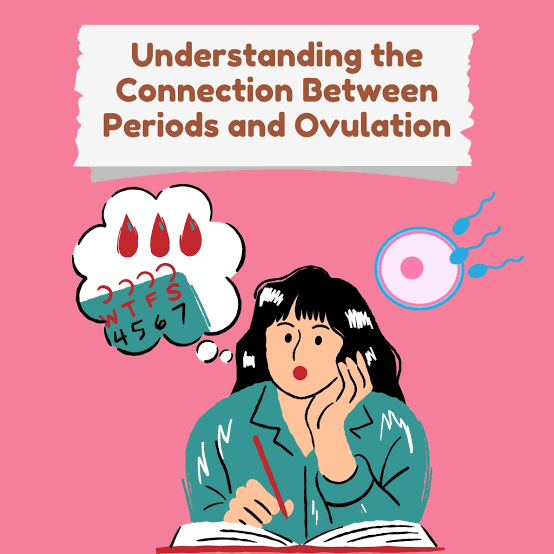
Why am I not ovulating but having periods is a question many women ask when their cycle seems regular but pregnancy tests keep coming back negative, or fertility tracking shows something isn’t adding up. This situation is more common than most people realize and has a real medical explanation.
The bleeding you’re seeing may not actually be a true period, even if it looks and feels like one.
What Does It Mean to Not Ovulate But Still Bleed?
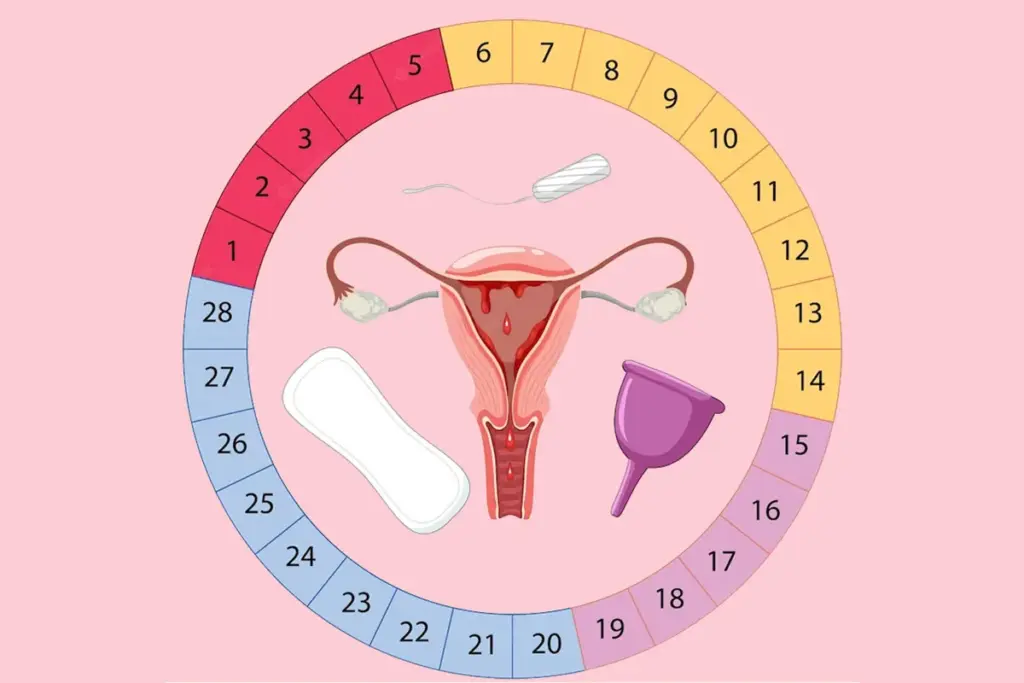
Ovulation is when your ovary releases an egg, usually around the middle of your menstrual cycle.
A true period only happens after ovulation, triggered by a drop in progesterone once the corpus luteum breaks down.
If you don’t ovulate, this bleeding is technically called anovulatory bleeding, not a true period, even though it can look and feel very similar.
Why Anovulatory Bleeding Happens
Anovulatory bleeding occurs because your hormonal system can still trigger uterine bleeding, even without an egg being released.
Estrogen continues to build up the uterine lining, and when it fluctuates or drops, the lining sheds, causing bleeding that mimics a normal period.
This bleeding pattern can be irregular in timing, flow, or duration compared to a typical ovulatory cycle.
Common Causes of Not Ovulating But Having Periods
There are several underlying reasons your body might bleed without actually ovulating.
Below is a breakdown of the most common causes reported by fertility specialists and gynecologists.
1. Polycystic Ovary Syndrome (PCOS)
PCOS is one of the most common causes of anovulation and affects how your ovaries release eggs.
It’s linked to elevated androgen levels, irregular cycles, and small cysts on the ovaries that interfere with normal ovulation.
2. Hormonal Imbalances
Imbalances in estrogen, progesterone, follicle-stimulating hormone (FSH), or luteinizing hormone (LH) can disrupt the ovulation process.
Without the correct hormonal signals, your follicles may fail to mature and release an egg each cycle.
3. Thyroid Disorders
Both an underactive and overactive thyroid can interfere with the hormones needed for regular ovulation.
Thyroid imbalances are a commonly overlooked cause of anovulation, especially when other symptoms like fatigue or weight changes are also present.
4. High Prolactin Levels
Elevated prolactin, the hormone responsible for milk production, can suppress ovulation even outside of breastfeeding.
This condition, called hyperprolactinemia, can be caused by certain medications, stress, or a pituitary gland issue.
5. Extreme Weight Changes
Both very low and very high body weight can disrupt the hormonal signals needed to trigger ovulation.
Rapid weight loss or gain places stress on the body’s reproductive hormone balance, often leading to irregular or missed ovulation.
6. Excessive Exercise
Intense or excessive physical training can suppress reproductive hormones, particularly in athletes and highly active individuals.
This is sometimes linked to a condition called functional hypothalamic amenorrhea, where the brain temporarily halts ovulation signals.
7. Chronic Stress
Ongoing emotional or physical stress affects the hypothalamus, the part of the brain that regulates reproductive hormones.
Chronic stress can delay or completely suppress ovulation, even while menstrual-like bleeding continues.
8. Perimenopause
As women approach menopause, hormone levels naturally become more erratic, often leading to anovulatory cycles.
Periods may become irregular in both timing and flow during this transitional stage before menopause.
9. Functional Hypothalamic Amenorrhea
This condition occurs when the brain suppresses reproductive hormone signals due to stress, low energy availability, or overtraining.
It’s especially common in women who combine intense exercise with restrictive eating patterns.
10. Certain Medications
Some medications, including hormonal contraceptives, antipsychotics, and certain steroids, can interfere with normal ovulation.
If you’ve recently started a new medication and noticed cycle changes, it’s worth discussing with your doctor.
11. Breastfeeding
Breastfeeding naturally raises prolactin levels, which can suppress ovulation for months after childbirth.
Some women may still experience bleeding during this time without actually ovulating.
Causes of Anovulation at a Glance
| Cause | Common Age Group | Typically Reversible? |
|---|---|---|
| PCOS | Reproductive age | Manageable with treatment |
| Thyroid disorders | Any age | Yes, with treatment |
| High prolactin | Any age | Yes, with treatment |
| Extreme weight changes | Any age | Yes, with weight normalization |
| Excessive exercise | Athletes, active individuals | Yes, with training adjustment |
| Chronic stress | Any age | Yes, with stress management |
| Perimenopause | 40s-50s | Natural transition |
| Functional hypothalamic amenorrhea | Younger women | Yes, with lifestyle changes |
Signs and Symptoms of Anovulation
Anovulation often comes with specific signs that differ from a typical ovulatory cycle.
Common symptoms include irregular period timing, changes in flow, and a lack of typical mid-cycle signs like fertile cervical mucus.
Some women also notice mood swings, fatigue, low libido, or no noticeable rise in basal body temperature partway through the cycle.
In more prolonged cases, missed periods for 90 days or more, known as amenorrhea, can also signal ongoing anovulation.
Skin changes, such as new acne breakouts or excess facial and body hair growth, can also point toward hormonal imbalances like PCOS as an underlying cause.
Anovulatory Bleeding vs a True Period
It can be difficult to tell the difference between anovulatory bleeding and a real period just by looking at it.
A true period typically follows a predictable pattern tied to ovulation, often around 12 to 16 days after the egg is released.
Anovulatory bleeding tends to be less predictable, sometimes lighter or heavier than usual, and may occur without the usual pre-period symptoms like breast tenderness.
How to Tell If You’re Actually Ovulating

There are several reliable ways to check whether ovulation is really happening each cycle.
Basal Body Temperature (BBT) Tracking
Your basal body temperature rises slightly after ovulation due to increased progesterone.
Tracking your temperature daily with a basal thermometer can reveal whether this shift is happening each cycle.
Ovulation Predictor Kits (OPKs)
These kits detect the surge in luteinizing hormone that happens shortly before ovulation.
A consistent negative result across multiple cycles may indicate that ovulation isn’t occurring as expected.
Cervical Mucus Changes
Fertile cervical mucus becomes clear, stretchy, and slippery in the days leading up to ovulation.
Thick, pasty, or minimal mucus throughout the cycle can be a sign that ovulation isn’t taking place.
Progesterone Blood Test
A blood test measuring progesterone, usually around day 21 of a 28-day cycle, can confirm whether ovulation occurred.
Low progesterone levels at this point strongly suggest an anovulatory cycle.
Ovulation Tracking Methods Compared
| Method | Accuracy | Ease of Use |
|---|---|---|
| BBT tracking | Moderate | Requires daily consistency |
| Ovulation predictor kits | High | Easy, at-home test |
| Cervical mucus tracking | Moderate | Requires practice |
| Progesterone blood test | High | Requires doctor visit |
Possible Complications of Long-Term Anovulation
Chronic anovulation isn’t just a fertility concern; it can also affect long-term health if left unaddressed.
Without regular progesterone exposure, the uterine lining can thicken excessively, a condition called endometrial hyperplasia.
Over time, this may slightly increase the risk of endometrial changes, so ongoing anovulation shouldn’t be ignored even if pregnancy isn’t the goal.
Estrogen dominance, which can occur when ovulation is absent, has also been linked to weight gain, mood changes, and worsened PMS-like symptoms.
Left unaddressed over many years, chronic anovulation combined with unopposed estrogen may also contribute to an increased long-term risk of certain reproductive health conditions, making early evaluation worthwhile.
Anovulation and Fertility
Anovulation is responsible for roughly 30% of all diagnosed infertility cases in women trying to conceive.
Since no egg is released during an anovulatory cycle, pregnancy simply isn’t possible during that particular month.
The good news is that many causes of anovulation are treatable, and ovulation can often be restored with the right approach.
Anovulation at Different Life Stages
In teenagers, irregular ovulation is common for the first few years after periods begin, as the hormonal system is still maturing.
Women in their 20s and 30s, PCOS, stress, and lifestyle factors are the most frequently diagnosed causes of anovulation.
In the late 30s and 40s, declining egg reserve and approaching perimenopause become more common explanations for irregular or absent ovulation.
The Connection Between Anovulation and PMS-Like Symptoms
Many women assume that experiencing typical PMS symptoms means they must be ovulating normally.
However, estrogen fluctuations during an anovulatory cycle can still trigger bloating, breast tenderness, and mood changes, even without an egg being released.
This is why symptom tracking alone isn’t always a reliable way to confirm ovulation, and objective methods like BBT or blood tests are more accurate.
Keeping a simple daily log of symptoms alongside your temperature or OPK results can make it much easier to spot patterns over several cycles.
Home and Lifestyle Approaches to Support Ovulation

For many women, addressing lifestyle factors can meaningfully improve ovulation frequency and regularity.
Maintain a Healthy, Stable Weight
Reaching and maintaining a weight within a healthy range supports stable hormone levels needed for regular ovulation.
Both rapid weight loss and rapid weight gain can disrupt this balance, so gradual, sustainable changes tend to work best.
Moderate Your Exercise Routine
Reducing excessive high-intensity training, especially when combined with low calorie intake, can help restore normal ovulation.
This doesn’t mean stopping exercise altogether, but rather finding a sustainable balance that supports rather than suppresses hormone function.
Manage Chronic Stress
Incorporating stress-reduction practices like meditation, therapy, or adequate sleep can help regulate the hormonal signals involved in ovulation.
Since the brain plays a central role in triggering ovulation, calming the nervous system can have a real, measurable effect.
Support Balanced Nutrition
Eating enough calories and a balanced mix of protein, healthy fats, and carbohydrates supports the hormones needed for regular cycles.
Restrictive dieting, especially combined with intense exercise, is a common contributor to anovulation in otherwise healthy women.
Nutrients That Support Healthy Ovulation
Certain nutrients play a direct role in supporting the hormonal balance needed for regular ovulation.
| Nutrient | Best Food Sources | Why It Helps |
|---|---|---|
| Healthy fats | Avocado, olive oil, nuts | Supports hormone production |
| Iron | Red meat, spinach, lentils | Prevents anemia-related cycle irregularities |
| Vitamin D | Sunlight, fortified foods, fatty fish | Linked to improved ovulatory function |
| B vitamins | Whole grains, eggs, leafy greens | Supports hormone metabolism |
| Zinc | Seeds, legumes, shellfish | Involved in egg maturation |
Combining a nutrient-dense diet with adequate calorie intake gives your body the resources it needs to maintain regular ovulation.
Medical Treatments for Anovulation
When lifestyle changes aren’t enough, several medical treatments can help restore regular ovulation.
Treating Underlying Conditions
Managing PCOS, thyroid disorders, or high prolactin directly often resolves anovulation as a secondary effect.
This might involve medication, dietary changes, or hormone-regulating treatments tailored to the specific diagnosis.
Ovulation Induction Medications
Medications like clomiphene citrate or letrozole are commonly used to stimulate the ovaries to release an egg.
These are often a first-line treatment for women trying to conceive who aren’t ovulating regularly on their own.
Both medications are typically taken for a short window early in the cycle, with follow-up monitoring to confirm whether an egg has been released.
Metformin
Metformin is sometimes prescribed for women with PCOS to improve insulin sensitivity, which can help restore regular ovulation.
It’s often combined with other treatments for a more comprehensive approach to managing PCOS-related anovulation.
Gonadotropin Injections
For women who don’t respond to oral medications, injectable hormones can more directly stimulate the ovaries to produce and release eggs.
This treatment is typically monitored closely with ultrasounds and blood tests to track follicle development.
Because gonadotropins carry a higher chance of multiple ovulation, close monitoring also helps your care team adjust dosing and reduce the risk of overstimulation.
Assisted Reproductive Technology
In cases where other treatments aren’t successful, options like IUI or IVF may be recommended to help achieve pregnancy.
These approaches are typically considered after simpler treatments have been tried without the desired result.
What to Expect During Treatment
Most treatment plans for anovulation start with the least invasive options and progress only if needed.
Lifestyle changes and first-line medications often show results within a few cycles, though timelines vary by individual and underlying cause.
Your doctor will typically track progress using blood tests, ultrasounds, or ovulation predictor kits to confirm whether ovulation has been restored.
Staying patient during this process is important, since hormone-regulating treatments often need a few cycles before their full effect on ovulation becomes clear.
Common Myths About Anovulation
There is a lot of confusion online about what it means to have a period without ovulating.
Clearing up these myths can help you better understand your own cycle and know when to seek support.
Myth: If You Bleed Monthly, You’re Definitely Ovulating
Regular bleeding doesn’t guarantee ovulation, since anovulatory bleeding can closely mimic a normal period in timing and flow.
Confirming ovulation requires additional tracking methods like BBT, OPKs, or blood tests.
Myth: Anovulation Always Means Infertility
Many causes of anovulation are treatable, and ovulation can often be restored with lifestyle changes or medical treatment.
An occasional anovulatory cycle is also common and doesn’t necessarily indicate a long-term fertility problem.
Myth: Only Women Trying to Conceive Need to Worry About Anovulation
Anovulation can affect long-term hormonal balance and uterine health even outside of fertility concerns.
Addressing the underlying cause matters for overall health, not just for those actively trying to get pregnant.
How Long Does It Take to Restore Ovulation?
Recovery timelines vary significantly depending on the underlying cause and the treatment approach used.
Lifestyle-related anovulation, such as from stress or extreme exercise, may improve within a few months of consistent changes.
PCOS and thyroid-related anovulation often require several months of treatment before ovulation becomes regular and predictable again.
When Should You See a Doctor?
Occasional anovulatory cycles are common and usually not a cause for concern on their own.
However, you should see a doctor if your cycles are consistently irregular, if you miss periods for more than 90 days, or if you’ve been trying to conceive for over a year without success.
Other reasons to seek care include unusually heavy bleeding, severe pain, or symptoms like excessive hair growth or acne that may point to PCOS.
A gynecologist or fertility specialist can run tests to identify the underlying cause and recommend the most effective treatment plan for you.
Preparing for Your Doctor’s Appointment
Bringing a few months of cycle tracking data can help your doctor identify patterns and narrow down the likely cause more quickly.
Useful information includes cycle length, flow changes, BBT charts, OPK results, and any symptoms like acne, hair growth, or unexplained weight changes.
Your doctor may order blood tests to check hormone levels, along with an ultrasound to examine your ovaries and uterine lining more closely.
Coming prepared with clear notes often leads to a faster, more accurate diagnosis and a treatment plan tailored to your specific situation.
Frequently Asked Questions (FAQs)
1. Can you have a period without ovulating?
Yes, this is called anovulatory bleeding. It can look like a period but happens without an egg being released.
2. What are the main causes of not ovulating?
PCOS, thyroid disorders, high prolactin, extreme weight changes, excessive exercise, and chronic stress are the most common causes.
3. How do I know if I’m not ovulating?
Track basal body temperature, use ovulation predictor kits, or check cervical mucus changes to confirm ovulation.
4. Is anovulatory bleeding the same as a period?
No, a true period follows ovulation and a progesterone drop, while anovulatory bleeding happens without ovulation occurring.
5. Can stress really stop me from ovulating?
Yes, chronic stress affects the brain signals that trigger ovulation and can lead to anovulatory cycles.
6. Does PCOS always cause anovulation?
Not always, but PCOS is one of the leading causes of irregular or absent ovulation in reproductive-age women.
7. Can I get pregnant if I’m not ovulating?
No, pregnancy requires ovulation, so treating the underlying cause is essential if you’re trying to conceive.
8. How long can anovulation last?
It varies widely; some cases resolve within a few cycles, while others require months of treatment to restore ovulation.
9. What tests confirm anovulation?
A progesterone blood test around day 21 of your cycle is one of the most reliable ways to confirm ovulation status.
10. When should I see a doctor about not ovulating?
See a doctor if cycles are irregular for several months, periods stop for 90+ days, or conception attempts aren’t succeeding.
Conclusion
Not ovulating but still having periods usually means your body is producing anovulatory bleeding rather than a true menstrual period, often due to PCOS, thyroid issues, hormonal imbalances, stress, or extreme weight changes.
Tracking methods like basal body temperature, ovulation predictor kits, and progesterone blood tests can help confirm whether ovulation is actually occurring each cycle.
Many causes of anovulation are treatable through lifestyle changes, medication, or targeted medical treatment, making restored ovulation possible for most women.
If your cycles are consistently irregular, periods stop for an extended time, or you’re struggling to conceive, it’s important to consult a gynecologist or fertility specialist.
With the right diagnosis and treatment plan, most women can identify the underlying cause and take meaningful steps toward restoring regular, healthy ovulation.
Paying attention to your body’s signals and tracking your cycle consistently gives you and your doctor the clearest path toward answers and, when needed, effective treatment.


