


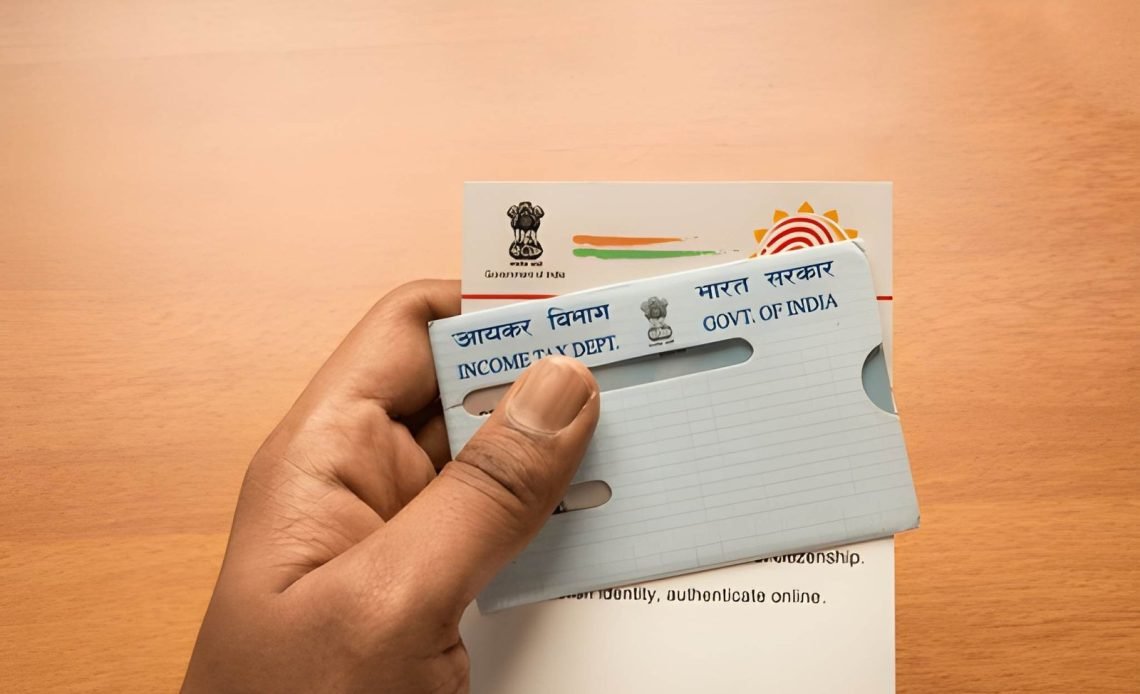
In today’s financial landscape, children are increasingly becoming account holders, investors and even income earners at surprisingly young ages. Whether it’s a fixed deposit opened in a child’s name, scholarship income or an inheritance, these financial activities often require one crucial document: a Permanent Account Number (PAN) card.
Whilst many parents assume that PAN cards are exclusively for adults, the Income Tax Department permits minors to obtain this essential identification, and in several circumstances, it becomes not just beneficial but mandatory.
Understanding when and why your child needs a PAN card can help you navigate financial planning more effectively and ensure compliance with tax regulations. This comprehensive guide explores the situations that necessitate a minor PAN card, the application process and what parents need to know about managing financial documentation for their children.
What Is a Minor PAN Card and Who Qualifies?
A minor PAN card is a Permanent Account Number issued to individuals below 18 years of age. The fundamental structure and appearance of a minor’s PAN card remain identical to that of an adult, with the same ten-character alphanumeric format. However, the key distinction lies in the application process and the guardianship requirements.
Any child who is an Indian citizen or resident can be issued a PAN card, regardless of age. The application must be submitted by a parent or legal guardian on behalf of the minor, as children cannot independently apply for or manage official documentation. The guardian’s details, including their PAN, become an integral part of the minor’s PAN application and records.
Situations When a Minor PAN Card Becomes Necessary
Parents often wonder whether their child genuinely requires a PAN card. Several specific circumstances make obtaining a minor PAN card essential rather than optional.
Opening Bank Accounts and Fixed Deposits
Whilst basic savings accounts for minors may not always require PAN details, fixed deposits exceeding certain thresholds do necessitate this documentation. If you’re planning to invest in your child’s name or open term deposits, financial institutions will request PAN details to comply with Know Your Customer (KYC) norms and tax regulations.
Investment in the Child’s Name
Parents frequently invest in mutual funds, shares or securities in their child’s name for long-term financial planning. Such investments mandate PAN card details for transaction processing and regulatory compliance. Without a PAN, these investment avenues remain inaccessible, limiting your ability to build a financial portfolio for your child’s future.
Income Earned by the Minor
Children who earn income through various means—including prize money, competition winnings, acting fees, modelling assignments or inheritance—must possess a PAN card. Any taxable income in the minor’s name requires proper documentation and tax filing, which cannot proceed without a valid PAN. This applies even if the income falls below the taxable threshold, as PAN serves as a universal financial identifier.
Receiving Gifts or Inheritance
When a minor receives substantial monetary gifts or inherits property, assets or funds, a PAN card becomes necessary for legal documentation and potential tax implications. This ensures proper record-keeping and facilitates future financial transactions related to these assets.
The Application Process: How Parents Can Apply
Applying for a minor PAN card involves a straightforward process, though it requires careful attention to documentation and guardian details.
Required Documentation
Parents must prepare several documents before initiating the application. These include the minor’s proof of identity (birth certificate, school leaving certificate or passport), proof of address and photographs. Crucially, the applying parent or guardian must provide their own PAN card details, as this information becomes linked to the minor’s PAN record.
Application Methods
You can apply for a minor PAN card through two primary channels: online via the official NSDL or UTIITSL portals or offline by submitting Form 49A at designated PAN centres. The online method offers convenience and tracking capabilities, whilst offline applications suit those preferring physical documentation. Both routes require payment of applicable fees and submission of verified documents.
Form 49A Specifications for Minors
When completing Form 49A, specific sections address minor applications. The guardian’s name and PAN must be accurately entered in designated fields. The representative assessee code must be marked appropriately to indicate that the application pertains to a minor. Any errors in these critical fields can lead to application rejection or processing delays.
Important Considerations for Minor PAN Cards
Several unique aspects of minor PAN cards require parental awareness to avoid future complications.
Mandatory Update Upon Reaching Adulthood
A crucial requirement that many parents overlook is the mandatory update process when the child turns 18. Upon reaching adulthood, the PAN cardholder must submit a reapplication or update request to remove the guardian’s details and update the photograph. Failure to complete this process can create complications in financial transactions and tax matters.
Guardian Responsibility and Management
Until the minor reaches 18, all financial activities, tax filings and PAN-related matters remain the guardian’s responsibility. Parents must maintain accurate records of any income or investments in the child’s name and ensure timely tax compliance where applicable. The guardian’s PAN becomes intrinsically linked to the minor’s financial activities during this period.
Duplicate PAN Card Concerns
It’s essential to ensure that only one PAN is issued per individual. If a minor already possesses a PAN card and requires a replacement due to damage, loss or errors, parents should apply for a duplicate PAN card rather than a new one. Holding multiple PAN cards violates Income Tax regulations and can result in penalties. The application process involves similar documentation but specifically indicates the request for a replacement rather than a fresh issue.
Tax Implications and Clubbing Provisions
Parents must understand that income earned by a minor (excluding income from manual work or professional skills) is typically clubbed with the parent’s income for tax purposes. The parent with the higher income bears this tax liability. However, maintaining a separate PAN for the minor ensures proper documentation and simplifies financial management as the child grows older and potentially begins earning independently.
Planning Ahead for Your Child’s Financial Future
Obtaining a PAN card for your minor child represents a proactive step in financial planning and regulatory compliance. Whether driven by immediate needs such as opening investment accounts or anticipating future requirements, understanding when and why a minor PAN card becomes necessary empowers parents to make informed decisions.
The process, whilst straightforward, requires attention to documentation and guardian details. Remember that this card serves as a foundational financial document that will accompany your child into adulthood, making accuracy and timely updates essential. By familiarising yourself with the application process, documentation requirements and future obligations—particularly the mandatory update upon reaching 18—you ensure seamless financial management for your child’s present needs and future aspirations.
As financial landscapes evolve and children engage with monetary systems earlier, the minor PAN card has transitioned from an occasional requirement to an increasingly common necessity. Taking this step when needed not only ensures compliance but also establishes a solid foundation for your child’s lifelong financial journey.

