


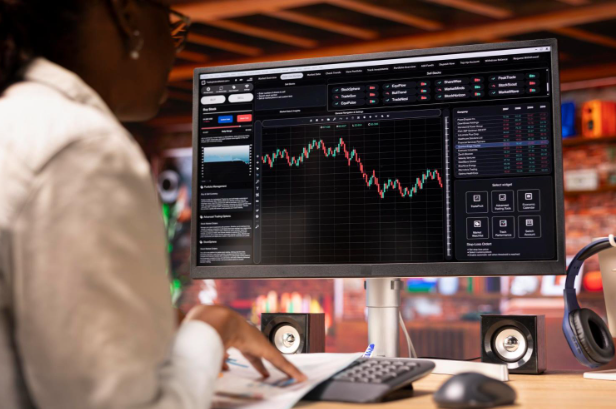
Commodity markets remain an essential part of the global financial system because they influence industries, economies, and everyday prices. Gold, crude oil, natural gas, coffee, wheat, and other raw materials react to changing supply, demand, weather conditions, and geopolitical developments. For market participants seeking exposure to these assets, selecting the right commodity trading platform can significantly improve market access and execution quality.
Unlike traditional investing that often requires ownership of physical assets, modern trading technology enables participants to speculate on price movements through Contracts for Difference (CFDs). This approach allows both rising and falling markets to present opportunities while offering access to multiple commodity categories from a single trading environment. Fast execution, competitive pricing, and dependable infrastructure have therefore become increasingly important when evaluating trading solutions.
Why Commodities Continue to Attract Global Market Participants
Every major economy depends on commodities for manufacturing, transportation, agriculture, and energy production. Because these markets respond quickly to worldwide developments, they frequently experience meaningful price movements that appeal to active market participants.
Economic reports, central bank decisions, production levels, export restrictions, and seasonal demand can all influence commodity prices. Rather than relying on a single factor, successful market observation requires understanding how several global events interact to create changing market conditions.
Different Categories React to Different Market Forces
Precious metals often respond to inflation expectations and economic uncertainty. Energy products frequently reflect production decisions and geopolitical developments, while agricultural markets remain heavily influenced by weather patterns, harvest expectations, and changing consumer demand.
Global Events Shape Daily Price Movement
Unexpected announcements can alter supply chains within hours. Political developments, transportation disruptions, and inventory reports often create volatility, making careful analysis and disciplined decision making essential before entering any position.
The Role of Modern Trading Technology
Advanced digital platforms have transformed market accessibility by providing faster execution, improved charting capabilities, and streamlined order management. Traders no longer need complicated systems to monitor multiple commodities throughout the trading day.
Many modern brokers also integrate professional analytical tools that allow users to evaluate trends, identify technical patterns, and monitor price action from a centralized workspace. Stable connectivity becomes particularly valuable during periods of heightened volatility when execution speed matters.
Key technological advantages commonly include:
- Real-time market pricing
- Advanced charting capabilities
- Multiple order types
- Mobile and desktop accessibility
- Secure account management
- Efficient trade execution
Faster Execution Supports Better Decision Making
Financial markets can change within seconds. Reliable execution reduces unnecessary delays between analysis and order placement, allowing participants to react more efficiently as market conditions evolve.
Market Analysis Has Become More Accessible
Integrated analytical tools help users evaluate historical performance, monitor technical indicators, compare instruments, and identify developing price structures without switching between multiple applications.
Risk Management Creates Long Term Market Discipline
Price movement alone should never determine a trading decision. Successful participants build structured risk management plans that define entry points, exit levels, acceptable exposure, and portfolio allocation before opening a position. Consistency often produces stronger long term results than reacting emotionally to short term volatility.
Position sizing also deserves careful attention because every market behaves differently. Energy contracts may experience rapid price swings, while precious metals and agricultural products respond to entirely different economic factors. Adjusting exposure according to volatility helps preserve capital during unpredictable market conditions.
Key risk management practices include:
- Setting predefined stop loss levels
- Limiting exposure on individual positions
- Maintaining realistic profit objectives
- Diversifying across multiple asset classes
- Reviewing trades regularly for improvement
Capital Preservation Comes Before Profit
Experienced market participants understand that protecting available capital creates future opportunities. A disciplined approach reduces the impact of unexpected market events while supporting more consistent decision making over time.
Diversification Helps Balance Exposure
Rather than focusing on one market exclusively, spreading exposure across different commodity sectors can reduce concentration risk. Since metals, energy products, and agricultural commodities often react differently to global developments, diversified portfolios may experience greater stability.
Choosing Features That Support Better Trading Decisions
Every trading platform offers different capabilities, making feature evaluation an important part of broker selection. Instead of concentrating only on pricing, participants should assess execution quality, available analytical tools, order management, and overall platform reliability before opening an account.
Beyond trading conditions, access to advanced technology can improve market analysis and operational efficiency. Advanced charting and integrated market analysis help users monitor trends, compare instruments, evaluate technical indicators, and make informed decisions within a single workspace. TradingView integration further enhances chart-based analysis for traders who rely on technical evaluation, while multiple account types accommodate different experience levels and trading objectives.
Execution Quality Matters During Volatile Sessions
Rapid price changes can occur without warning. Low latency infrastructure, deep liquidity, and efficient order processing become increasingly valuable when markets react to major economic announcements or geopolitical events. Skyriss also supports micro-lot trading, allowing participants to manage exposure with greater flexibility.
Flexible Trading Conditions Support Different Strategies
Every participant approaches financial markets differently. Some prioritize lower spreads, others focus on account flexibility, while experienced professionals may seek institutional execution environments. Access to multiple account types allows traders to select conditions that align with their experience, capital, and preferred trading style instead of relying on a one-size-fits-all solution.
Developing a Structured Trading Routine
Long term consistency depends on preparation rather than prediction. Building a routine around research, technical analysis, economic calendars, and risk evaluation helps reduce emotional decisions during active market sessions. Organized planning often creates greater confidence before every trade.
Useful habits for stronger market discipline include:
- Reviewing economic calendars before trading
- Maintaining a detailed trading journal
- Following predefined entry and exit rules
- Evaluating risk before every position
- Learning from completed trades instead of isolated outcomes
Final Thoughts
Looking for a trading environment that combines technology with global market access? Choosing the right broker can make a meaningful difference when navigating commodity markets. Skyriss provides access to CFDs across commodities alongside forex, indices, stocks, ETFs, and cryptocurrencies through a regulated multi-asset ecosystem. Its offering includes TradingView integration, fast execution, transparent pricing, multiple account types, micro-lot trading, and institutional-grade infrastructure designed to support traders with varying experience levels. For anyone aiming to grow as a commodity trader, selecting a broker with dependable technology and comprehensive market access is an important step toward building a disciplined trading approach.

