



Why is French toast called French toast even though the dish has almost nothing to do with France? This is one of the most searched food history questions, and the real answer is far more interesting than most people expect.
The dish itself dates back to ancient Rome, long before France even existed as a country. Over centuries, it traveled through Europe under different names before finally being labeled “French toast” in England and America.
Quick Facts Table
| Detail | Information |
|---|---|
| Focus Keyword | Why is French toast called French toast |
| True Origin | Ancient Rome, around 4th century |
| Original Roman Name | Aliter Dulcia |
| French Name | Pain Perdu (Lost Bread) |
| First English Recipe | The Accomplisht Cook, 1660 |
| Popular Naming Story | Joseph French, Albany, 1724 |
| National Food Day | November 28 |
| Main Ingredients | Bread, eggs, milk |
| Common Alternate Names | Eggy bread, poor knight’s pudding, torrijas |
What Is French Toast
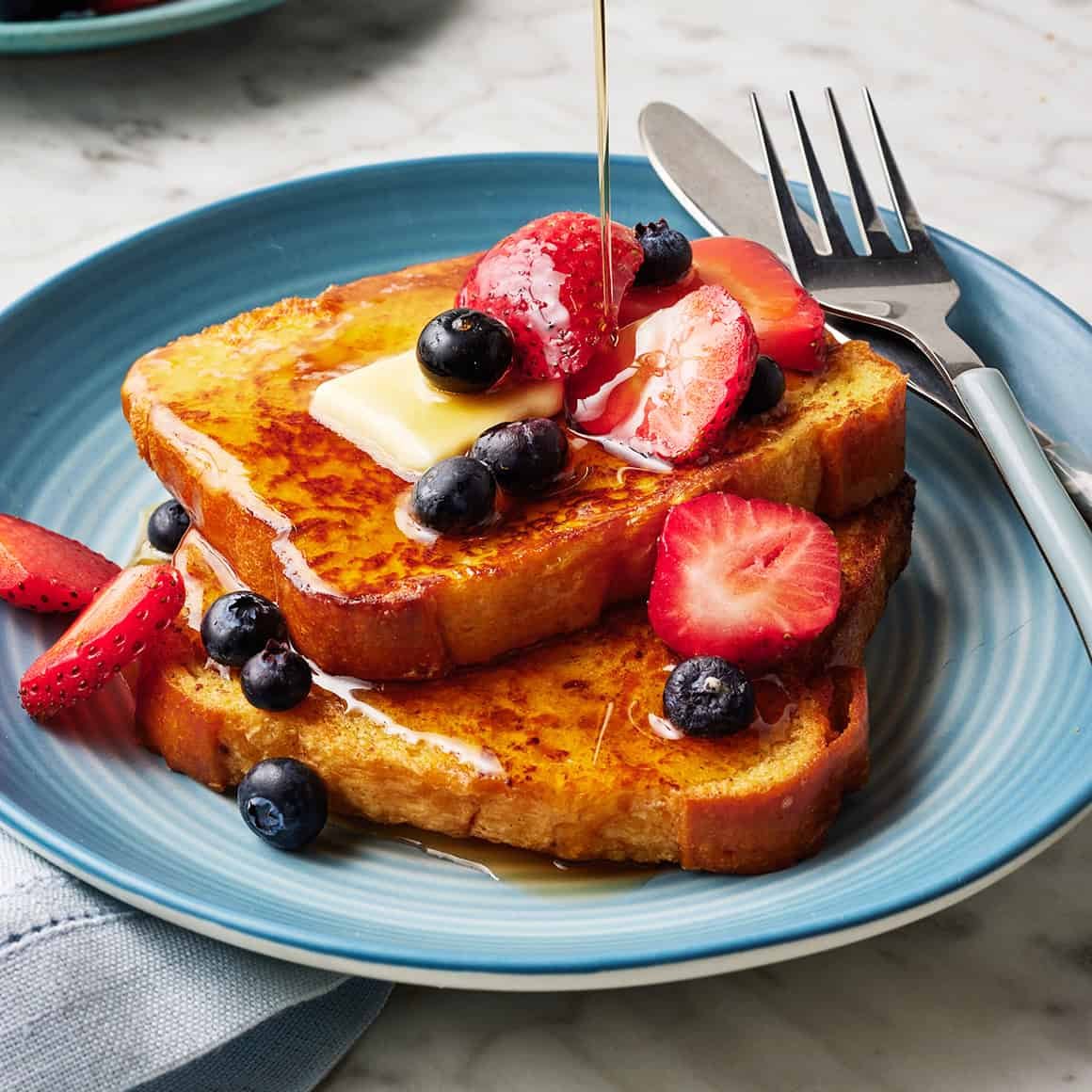
French toast is a simple breakfast dish made by soaking bread slices in a mixture of eggs and milk before frying them.
The dish is often finished with butter, syrup, sugar, or fruit toppings, depending on regional preferences and personal taste.
Despite its name, French toast is enjoyed worldwide under many different names and slightly varying preparation methods.
Its simplicity and comfort-food appeal have made it a breakfast staple across countries far beyond France itself.
The True Origin of French Toast
Contrary to popular belief, French toast did not originate in France at all.
The earliest known recorded recipe comes from a Roman cookbook dating back to around the 4th century AD.
This means French toast existed long before the country of France was even formed as a nation.
Its origins trace back to practical, everyday cooking rather than any specific French culinary tradition.
Ancient Roman Recipe: Aliter Dulcia
The earliest known version of French toast appears in a Roman cookbook called “Cooking and Dining in Imperial Rome.”
This cookbook is credited to Marcus Gabius Apicius, a wealthy Roman known for his elaborate feasts and food knowledge.
The recipe, called “aliter dulcia,” translates to “another sweet dish” in English.
It involved soaking pieces of fine white bread in milk and beaten egg, frying them in oil, then topping them with honey.
This ancient method closely resembles the modern French toast recipe still used in kitchens today.
Why Stale Bread Was Used
French toast was originally created as a practical way to use up bread that had gone stale.
Rather than wasting food, cooks would soften old bread using milk and eggs before frying it.
This practice made the dish popular among people looking to avoid food waste for centuries.
This is also why many countries still refer to the dish using the word “lost,” referring to bread being brought back to life.
Medieval Europe and the Spread of the Dish
By the 14th century, an English cookbook called “Forme of Cury” described a similar dish called “payn fondue.”
This version involved soaking bread in wine and frying it in grease, then sweetening it with fruit, spices, and sugar.
By 1615, another English cookbook titled “The English Huswife” referenced a dish called “panperdy,” made using eggs, spices, sugar, and salt.
These historical records show that variations of French toast spread steadily across Europe over several centuries.
The First Appearance of the Term “French Toast”
The exact term “French toast” appeared in an English cookbook called “The Accomplisht Cook” in the year 1660.
Interestingly, this particular recipe used no eggs at all, instead calling for bread soaked in wine, sugar, and orange juice.
This shows that the term “French toast” existed before the modern egg-based version became the standard recipe.
The dish continued to evolve over time before settling into the form most people recognize today.
The Joseph French Naming Theory
One of the most popular stories claims that French toast was named after a man called Joseph French.
According to this story, French was an innkeeper from Albany, New York, who introduced the dish in the year 1724.
He reportedly intended to name it “French’s Toast,” using a possessive form based on his own surname.
Due to a grammatical mistake, the apostrophe and the letter “s” were dropped, leaving behind the name “French toast.”
Why This Theory Remains Popular
This story is often repeated because it offers a simple and memorable explanation for the dish’s name.
It also conveniently explains why the dish carries the word “French” despite having no real French origin.
However, historians note that solid documented evidence directly linking Joseph French to this exact naming event is limited.
Despite this, the story remains one of the most widely shared explanations across cooking blogs and food history sites.
The Jean Aubergeau Theory
Another naming theory credits a French chef named Jean Aubergeau with popularizing the dish in the United States.
According to this theory, his French background may have directly influenced the American naming of the dish.
This theory ties the name more literally to an actual French culinary figure rather than a naming accident.
Like other theories, definitive historical proof supporting this exact claim remains difficult to confirm.
The Marketing Theory

Some food historians suggest that the term “French” was simply added to make the dish sound more elegant and appealing.
Restaurants in America may have used the word “French” as a branding choice rather than a factual origin claim.
This aligns with similar naming patterns seen in other American dishes that use “French” despite unclear French origins.
This marketing-based theory highlights how food names are sometimes shaped by appeal rather than historical accuracy.
The “French” as Slicing Term Theory
A separate and less common theory suggests the word “French” may relate to an old term meaning “to slice.”
This theory draws a comparison to similar naming debates surrounding French fries and their disputed origins.
Under this theory, “French toast” would essentially mean “sliced toast” rather than referencing the country directly.
While intriguing, this theory is considered less widely supported compared to the more popular naming stories.
Why the Name Has Nothing to Do With France
Regardless of which naming theory is true, most food historians agree that France did not invent this dish.
The core cooking method using bread, eggs, and milk predates France as a unified nation entirely.
This makes French toast a strong example of how food names do not always reflect true culinary origin.
Many popular dishes carry national names based on branding, immigration influence, or historical accident rather than direct invention.
What the French Actually Call It
In France, this same dish is traditionally called “pain perdu,” which translates to “lost bread.”
The name reflects its original purpose of reviving stale bread rather than describing any national identity.
This is a key detail that highlights the irony behind the dish’s English name compared to its French title.
Understanding this naming contrast helps explain why so many people question the dish’s actual origin.
Names for French Toast Around the World
| Country/Region | Local Name | Meaning |
|---|---|---|
| France | Pain Perdu | Lost Bread |
| Spain | Torrijas | Traditional Spanish Toast |
| England | Eggy Bread | Bread cooked in egg |
| Medieval Europe | Poor Knight’s Pudding | Frugal, filling meal |
| United States | French Toast | Popular American name |
Poor Knight’s Pudding Name
During medieval times in Europe, this dish was often referred to as “poor knight’s pudding.”
This name reflected its reputation as a frugal yet filling meal that made use of leftover bread.
The name highlights how the dish was historically associated with practicality rather than luxury dining.
Over time, this name faded in most regions as newer names like French toast became more common.
French Toast in America
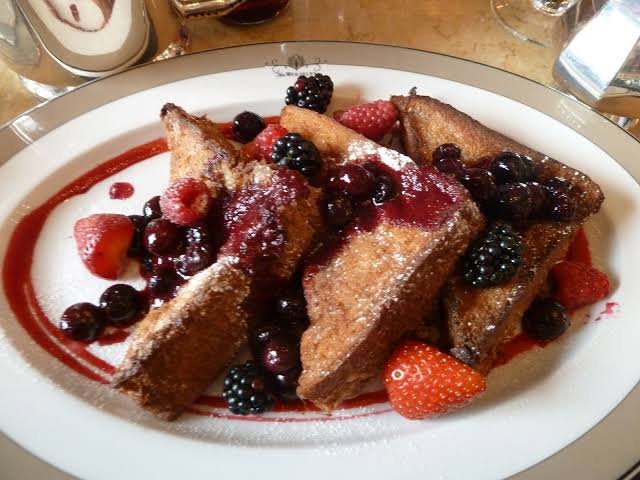
French toast became especially popular in America partly due to the influence of French immigrants during the 18th century.
As immigration increased, the dish spread across American households and eventually became a common breakfast menu item.
By 1871, the term “French toast” appeared in the “Encyclopedia of American Food and Drink,” confirming its established use.
This marked a turning point where the name became firmly recognized across American culinary culture.
National French Toast Day
French toast even has its own dedicated celebration day, observed on November 28th each year in the United States.
Restaurants and cafes often use this day to promote special French toast dishes and seasonal menu items.
This tradition highlights just how deeply the dish has become embedded in American food culture over time.
Modern French Toast Recipe Basics
Modern French toast typically uses sliced bread dipped in a mixture of beaten eggs, milk, and sometimes vanilla or cinnamon.
The soaked bread is then fried on a heated pan until golden brown on both sides.
Common toppings include maple syrup, powdered sugar, fresh fruit, or whipped cream, depending on personal preference.
This basic method remains largely unchanged from its historical roots, despite variations in toppings and bread type.
Nutritional Overview of French Toast
French toast is generally considered a good source of protein due to the eggs and milk used in preparation.
It also contains fat, sodium, selenium, and riboflavin, along with several other essential vitamins and minerals.
Nutritional value can vary significantly depending on the type of bread, added sugar, and toppings used.
Choosing whole grain bread and limiting added sugar can make the dish a more balanced breakfast option.
Cultural Variations of French Toast
In Scotland, French toast is sometimes served as a sandwich, placed between two slices with sausage in the middle.
In parts of Great Britain, it is occasionally eaten with ketchup instead of sweet toppings.
Spain, a similar dish called torrijas is traditionally prepared during religious holidays like Easter and Holy Week.
These cultural variations show how a single basic recipe can adapt to fit different regional food traditions.
Common Myths About French Toast
One common myth is that French toast was invented in France, which historical records clearly do not support.
Another myth suggests that all countries call the dish by the same name, when in reality, naming varies widely by region.
Some also assume the eggs-and-milk method is a modern invention, when it actually dates back thousands of years.
Clearing up these myths helps people better understand the true and layered history behind this popular dish.
Why This History Still Fascinates People
Food names often carry hidden stories that connect countries, immigration patterns, and historical accidents together.
French toast serves as a perfect example of how naming and true origin can be completely different.
This mix of ancient Roman history, medieval Europe, and American immigration makes the topic genuinely interesting to explore.
It also explains why so many people continue searching for the real story behind this everyday breakfast dish.
Key Takeaways
French toast originated in ancient Rome, not France, using a simple method of soaking bread in eggs and milk.
The name “French toast” likely emerged in America, either through an innkeeper’s naming accident or immigrant influence.
In France, the dish is called “pain perdu,” meaning lost bread, which reflects its original purpose.
Despite its misleading name, French toast remains a beloved breakfast dish enjoyed under many names worldwide.
French Fries and Similar Naming Confusion
French toast is not the only dish that carries a misleading national name in its title.
Fries, for example, are widely debated among historians, with some crediting Belgium rather than France for their invention.
This pattern shows that food names in English often reflect popularity, immigration, or branding rather than strict national origin.
Recognizing this pattern helps explain why questions like why is French toast called French toast are so common.
The Role of Immigration in Naming Foods
Immigration has historically played a major role in shaping how foods are named in new countries.
As French immigrants settled in America, dishes associated with their culture were sometimes labeled “French” regardless of true origin.
This labeling pattern helped popularize certain foods quickly by giving them an appealing, foreign-sounding identity.
French toast likely benefited from this same naming pattern as it grew in popularity across American households.
Etymology of the Word “Toast”
The word “toast” itself comes from the Latin word “tostare,” which means to scorch or roast.
This root word relates to the browning process used when frying bread over heat.
Understanding this etymology helps clarify why the cooking method itself is described using the word “toast.”
Combined with the disputed word “French,” the full name becomes a mix of accurate cooking terminology and debated national reference.
Comparing Ancient and Modern French Toast Recipes
| Feature | Ancient Roman Version | Modern Version |
|---|---|---|
| Bread Type | Fine white bread | Sliced bread or brioche |
| Liquid Mixture | Milk and egg | Eggs, milk, vanilla |
| Cooking Method | Fried in oil | Fried in butter or oil |
| Topping | Honey | Syrup, sugar, fruit |
| Purpose | Avoid food waste | Breakfast comfort food |
How French Toast Became a Breakfast Staple
Although originally created to avoid wasting bread, French toast gradually shifted into a dedicated breakfast dish rather than a leftover meal.
Restaurants and diners began featuring it as a signature menu item, especially alongside syrup and powdered sugar toppings.
This shift helped transform the dish’s image from frugal necessity to a beloved comfort food enjoyed by choice.
Today, French toast is commonly associated with weekend brunches rather than its original stale-bread origins.
French Toast in Restaurants and Cafes
Many cafes and diners now offer specialty versions of French toast, including stuffed, layered, or flavored variations.
Popular additions include cinnamon, nutmeg, fruit compotes, whipped cream, and even savory toppings in some modern recipes.
This creative expansion shows how a centuries-old dish continues to evolve while keeping its basic preparation method intact.
Restaurants often highlight the dish’s history briefly on menus, adding an extra storytelling element for curious customers.
French Toast in Pop Culture
French toast frequently appears in television shows, movies, and social media content related to breakfast and comfort food.
Its universal appeal and simple preparation make it a popular subject for cooking videos and recipe blogs.
This continued visibility keeps interest alive in both the dish itself and the mystery surrounding its unusual name.
As a result, searches about its true origin remain consistently popular among food enthusiasts and casual readers alike.
Similar Dishes That Share French Toast’s History
Torrijas in Spain and pain perdu in France share nearly identical preparation methods rooted in the same practical origin.
These dishes highlight how similar food solutions emerged independently across different cultures facing the same stale bread problem.
This shared history suggests that the concept behind French toast is more universal than any single country’s culinary claim.
Such parallels reinforce why the name “French” toast is considered more of a labeling choice than a factual origin marker.
Why Understanding Food History Matters
Learning the real history behind everyday dishes helps build a deeper appreciation for the food we eat regularly.
It also encourages more critical thinking about commonly accepted food facts that may not be entirely accurate.
French toast serves as an excellent example of how popular belief and historical fact can differ significantly.
This makes food history a genuinely engaging topic, even for something as simple as a breakfast recipe.
Frequently Asked Questions (FAQs)
1. Why is French toast called French toast?
The name likely comes from an American naming story involving an innkeeper named Joseph French in 1724.
2. Did French toast originate in France?
No, French toast originated in ancient Rome, long before France existed as a country.
3. What is French toast called in France?
In France, it is called “pain perdu,” which translates to “lost bread” in English.
4. Who invented French toast?
No single inventor is confirmed, but the earliest known recipe appears in a 4th-century Roman cookbook.
5. When did the term “French toast” first appear?
The term first appeared in an English cookbook called “The Accomplisht Cook” in 1660.
6. Why was French toast originally made?
It was created as a practical way to use up stale bread instead of wasting it.
7. Is there a National French Toast Day?
Yes, National French Toast Day is celebrated in the United States on November 28th.
8. What other names does French toast have?
It is also called eggy bread, poor knight’s pudding, torrijas, and lost bread in different regions.
9. Is French toast healthy?
It contains protein, fat, and several vitamins, though its healthiness depends on bread type and toppings used.
10. Why do different countries have different names for French toast?
Naming differences reflect local language, culture, and the dish’s long history of adaptation across regions.
Conclusion
Why is French toast called French toast remains one of food history’s most surprising stories, since the dish itself has almost no direct connection to France.
Its true origins trace back to ancient Rome, where a similar recipe called aliter dulcia was already being prepared centuries before France existed.
Over time, the dish spread through medieval Europe under names like payn fondue and panperdy before finally being labeled “French toast” in English and American cookbooks.
The most popular naming story credits an innkeeper named Joseph French, though other theories also exist. Meanwhile, the French themselves call this dish pain perdu, or lost bread, highlighting the ironic gap between its name and its actual origin.
Similar dishes like torrijas in Spain show the recipe was never unique to one culture, but emerged independently to avoid wasting stale bread.
Understanding this history adds a deeper appreciation to a dish millions enjoy for breakfast every day, and shows how food names often reflect immigration and branding rather than factual origin.


