


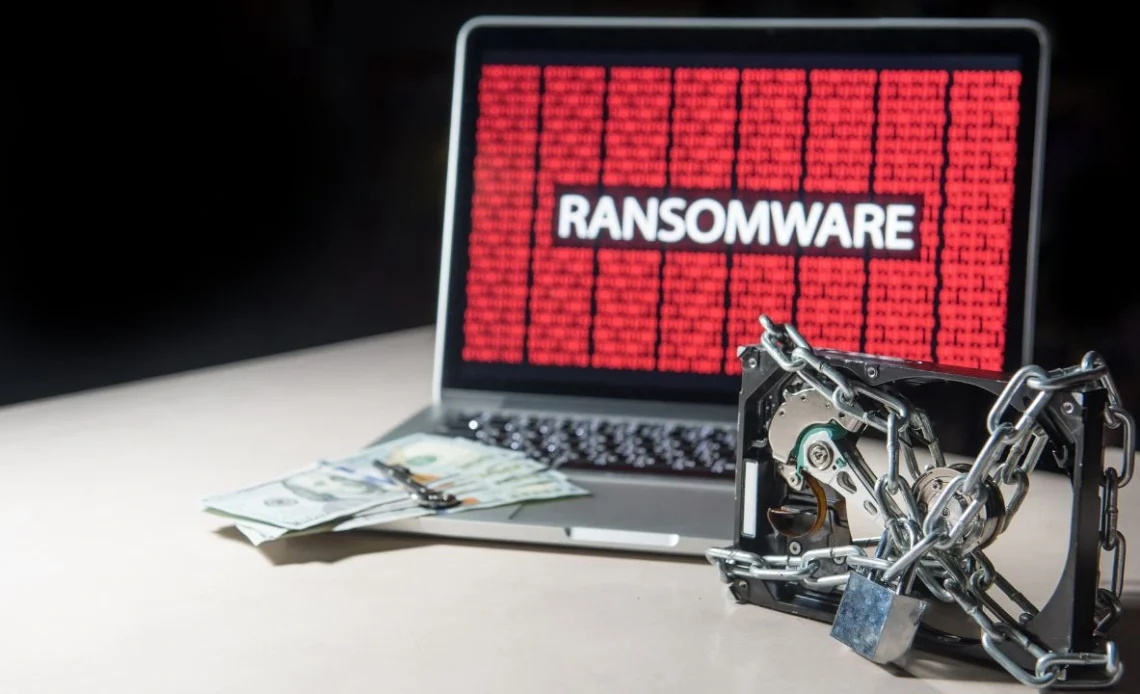
Ransomware attacks have become one of the most serious cybersecurity threats facing businesses today. Organizations across industries are increasingly targeted by attackers who encrypt critical files and demand payment in exchange for access to the data. While prevention remains essential, many businesses eventually face the challenge of recovering systems and restoring operations after an attack. Ransomware data recovery is often a complex process that requires careful planning, strong security practices, and reliable recovery strategies.
Limited or Compromised Backups
One of the biggest challenges during ransomware recovery is discovering that backups are incomplete, outdated, or compromised. Some ransomware attacks specifically target backup systems, making it difficult for organizations to restore critical data quickly.
Businesses can significantly reduce this risk by implementing isolated backup systems that are regularly tested to ensure reliability and fast recovery. Maintaining secure offline or cloud-based backups helps ensure critical data can still be restored even if primary systems are compromised during an attack. As ransomware threats continue to grow, many organizations focusing on ransomware data recovery Australia are prioritizing stronger backup resilience as part of their overall cybersecurity and business continuity efforts.
Extended Downtime and Business Disruption
Ransomware attacks can bring operations to a halt, preventing employees from accessing systems, applications, and customer information. Extended downtime often leads to financial losses, reputational damage, and operational delays.
To overcome this challenge, businesses need clearly defined incident response and disaster recovery plans. Rapid containment procedures, system prioritization, and recovery testing help organizations restore essential operations faster and reduce the overall impact of an attack.
Difficulty Identifying the Full Scope of the Attack
Ransomware incidents often affect more systems than initially expected. Attackers may move across networks, compromise multiple devices, or leave hidden vulnerabilities that remain undetected after initial recovery efforts.
Businesses must conduct thorough investigations before restoring systems to ensure that threats are fully removed. Security monitoring, endpoint analysis, and forensic assessments help organizations identify affected areas and prevent reinfection after recovery.
Managing Financial and Operational Costs
Recovering from ransomware attacks can be expensive. Costs often include system restoration, cybersecurity services, operational downtime, legal compliance efforts, and potential reputational damage. Smaller organizations may struggle to absorb these unexpected expenses.
By investing in proactive security measures and structured recovery planning, businesses can reduce long-term financial risks. Many companies focused on ransomware data recovery Australia initiatives are also strengthening cybersecurity awareness and employee training to reduce the likelihood of future incidents.
Restoring Trust and Security Confidence
After a ransomware attack, businesses often face concerns from customers, employees, and stakeholders regarding data security and operational reliability. Rebuilding confidence can take time, especially if sensitive information was compromised.
Organizations can strengthen trust by improving transparency, enhancing cybersecurity controls, and demonstrating stronger recovery preparedness. Clear communication and visible security improvements help reassure customers and business partners that systems are being protected more effectively moving forward.
Building Stronger Recovery Strategies for the Future
Ransomware recovery is no longer only about restoring files—it is about creating resilient systems capable of responding to increasingly sophisticated cyber threats. Businesses that rely solely on reactive recovery efforts may continue to face operational and financial risks.
A strong recovery strategy combines secure backups, incident response planning, cybersecurity monitoring, and employee awareness. By taking a proactive approach, organizations can improve resilience, reduce downtime, and strengthen their ability to recover from ransomware attacks more effectively in an increasingly digital business environment.

