


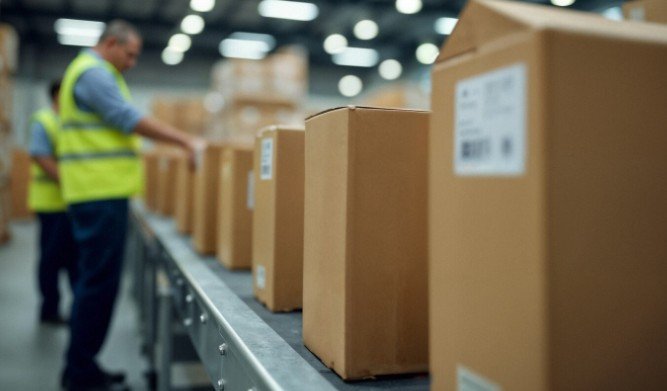
Running a small business in the UK is exciting, but one of the biggest challenges entrepreneurs face is fulfilment—getting products from your business to your customers quickly, reliably, and affordably. Whether you sell handmade goods, fashion, electronics, or subscription boxes, your fulfilment process can make or break your customer experience. This article explains what fulfilment means, why it matters, and how small businesses in the UK can get started with a solid system.
What is fulfilment?
Fulfilment refers to the entire process of receiving, processing, packing, and delivering customer orders. It begins the moment a customer places an order and ends when the product arrives at their door. A typical fulfilment process includes:
- Storing inventory
- Picking items from stock
- Packing orders securely
- Shipping parcels to customers
- Handling returns
For small businesses, fulfilment can be managed in-house or outsourced to a third-party logistics provider (often called 3PL). The right choice depends on your budget, order volume, and long-term goals.
Why fulfilment matters for small businesses
In today’s competitive e-commerce environment, customers expect fast delivery, accurate orders, and easy returns. Even if your product is excellent, poor fulfilment can damage your reputation.
Here’s why fulfilment is so important:
- Customer experience
Fast and reliable delivery builds trust. Late or incorrect orders often lead to negative reviews and lost repeat customers. - Scalability
A strong fulfilment system allows your business to grow without becoming overwhelmed as order volumes increase. - Cost control
Efficient processes reduce packaging waste, storage costs, and shipping expenses. - Time savings
Automating or outsourcing fulfilment frees up time to focus on marketing, product development, and business strategy.
Step 1: Understand your business needs
Before choosing a fulfilment approach, assess your current situation:
- How many orders do you process per day or week?
- Do your products require special storage (fragile, perishable, oversized)?
- Are your customers mostly UK-based or international?
- How quickly do you want to scale?
A business sending 10 orders a week will have very different needs from one shipping 500 orders daily. Understanding your volume and complexity helps you choose the right setup from the start.
Step 2: Choose your fulfilment model
In the UK, small businesses typically choose between three main fulfilment models:
1. Self-fulfilment (in-house)
This is where you handle everything yourself—from storage to shipping.
Pros:
- Full control over packaging and branding
- Low initial costs
- Flexibility for small order volumes
Cons:
- Time-consuming
- Hard to scale
- Requires storage space and equipment
This model is ideal for new businesses testing the market or those with low order volumes.
2. Hybrid fulfilment
In a hybrid model, you manage some parts in-house while outsourcing others. For example, you might store products at home but use external couriers or a fulfilment centre for packing and shipping.
Pros:
- More flexibility than full outsourcing
- Gradual transition to scaling
- Better cost control
Cons:
- Can become complex to manage
- Requires coordination between systems
3. Third-party fulfilment (3PL)
A 3PL provider handles storage, packing, and shipping on your behalf.
Pros:
- Scales easily with your business
- Faster delivery options through established courier networks
- Professional systems and automation
Cons:
- Monthly storage and fulfilment fees
- Less direct control over packaging
- Requires integration with your online store
This is a popular option for growing UK e-commerce brands that want to scale quickly without managing logistics themselves.
Step 3: Set up your storage and inventory system
Good inventory management is essential for avoiding overselling, delays, and customer dissatisfaction.
Key tips include:
- Use a simple inventory tracking system (software or spreadsheets at the start)
- Label products clearly with SKUs (stock keeping units)
- Organise stock logically to speed up picking
- Track stock levels in real time if possible
As your business grows, consider upgrading to inventory management software that integrates with your online store and fulfilment system.
Step 4: Choose your packaging and shipping strategy
Packaging is more than just protection—it’s part of your brand identity.
Think about:
- Packaging materials (boxes, padded envelopes, eco-friendly options)
- Branding (logos, thank-you cards, inserts)
- Cost vs. presentation balance
Shipping is equally important. In the UK, popular courier options include Royal Mail, DPD, Evri, and DHL. Each has different pricing, speed, and tracking options.
Key decisions include:
- Standard vs. express delivery
- Free shipping thresholds
- International shipping policies
Customers increasingly expect fast and transparent delivery options, so clear communication is essential.
Step 5: Automate where possible
Automation can significantly reduce errors and save time. Even small businesses can benefit from simple tools that:
- Sync orders from your website to your fulfilment system
- Automatically generate shipping labels
- Send tracking updates to customers
- Manage returns efficiently
Platforms like Shopify, WooCommerce, and other e-commerce systems often integrate with fulfilment tools and courier services.
Step 6: Plan for returns
Returns are a normal part of e-commerce, especially in industries like fashion and retail. A clear returns policy helps build customer trust.
Consider:
- Who pays for return shipping
- How quickly refunds are processed
- Whether returned items can be restocked
- How to handle damaged goods
A smooth returns process can actually increase customer loyalty, even when things go wrong.
Common mistakes to avoid
Many small UK businesses struggle with fulfilment because of avoidable errors:
- Underestimating packaging and postage costs
- Not planning for peak seasons (like Christmas)
- Poor inventory tracking
- Overcomplicating systems too early
- Ignoring customer communication after purchase
Avoiding these pitfalls early can save time, money, and stress later.
Fulfilment is one of the most important parts of running a successful small business in the UK. While it may seem complicated at first, starting simple and scaling gradually is the key. Whether you choose to fulfil orders yourself or work with a logistics partner, the goal is the same: delivering a smooth, reliable experience that keeps customers coming back. Many growing brands eventually choose to work with a reliable UK ecommerce fulfillment partner to streamline operations, reduce delivery times, and improve customer satisfaction as order volumes increase.
By understanding your needs, setting up strong systems, and planning for growth, you can build a fulfilment process that supports your business—not slows it down.

