


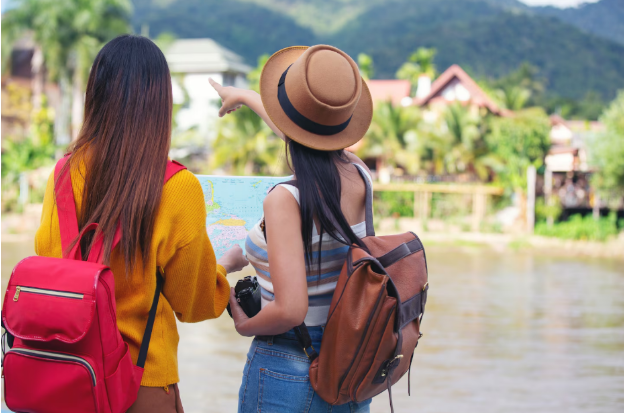
As a travel destination, Sri Lanka is among the most fascinating in South Asia, boasting golden beaches, misty hill country, ancient temples, wildlife areas, and excellent hospitality. You can either be dreaming of the waves of Mirissa, the ruins of Sigiriya, or the tea in Nuwara Eliya; leaving your trip without a memorable moment is quite impossible with proper planning.
The planning process to paradise starts with an idea of how to go about the Sri Lanka visa, and the result is the creation of the perfect itinerary.
It brings you through all the details necessary to know how to get your visa and how to get your transportation, lodging, and experiences, and hence have a hassle-free, enjoyable vacation in Sri Lanka.
Step 1: Learn about the Visa Requirements in Sri Lanka
The initial and foremost thing to be done before reserving flights or hotels in Sri Lanka is to have a visa to visit the country. A majority of the travelers will need to make an application to be on the Electronic Travel Authorization (ETA) to gain access to a short-term entrance into the country, either as a tourist, business traveler, or transit.
A Sri Lankan tourist visa normally has a duration of 30 days and can be extended upon arrival in case one requires it. It is a very simple application procedure, and most applications are done online. It is important to note that the travelers are required to make sure that their passport is not expired in a period of 6 months from the date of arrival and that it has an adequate number of blank pages.
You should also ensure that you apply for your Sri Lanka visa early enough to avoid a last-minute rush, especially during peak seasons. After receiving your visa confirmation, save a digital and printed copy of your visa confirmation to be used during immigration checks.
Step 2: Selecting the Ideal Time to Visit Sri Lanka
Sri Lanka is a destination throughout the year, although the seasons are better depending on the places you are going. The nation has two seasons of which occur on the various coasts as seasons.
- The west and south coasts and hill country are best between December and April.
- The East Coast and the North have a season between May and September.
Pick the right time and plan your Sri Lanka visa application according to the itinerary, matching the best weather. High season is usually one that comes at a premium cost, whereas the shoulder seasons are less crowded and cheaper.
Step 3: Wise Sri Lanka Itinerary
Sri Lanka can be described as small in size, but it has a variety of experiences. Having a proper schedule of what to do ensures that you do not hurry to visit places.
To see the major sights on a first-time visit, a 710-day program is sufficient:
- Colombo or Negombo – Arrival and rest.
- Sigiriya / Dambulla—Prehistoric rock fortress and temples in the cave.
- Kandy—cultural capital and temple of the tooth.
- Nuwara Eliya or Ella—tea plantations and scenic train rides.
- Yala or Udawalawe – Wildlife safari.
- Bentota, Mirissa, or Unawatuna Beach relaxation.
Ensure that your visa for Sri Lanka is long enough to accommodate your entire travel schedule without any inconvenience, such as delays or impromptu tours.
Step 4: Early Book Flights and Accommodation
When your visa to Sri Lanka is accepted, you can be sure of making flight and accommodation reservations. The primary point of entry is Bandaranaike International Airport (Colombo), served directly and indirectly by major world cities.
In Sri Lanka, there are accommodation options that include luxury resorts and boutique hotels as well as low-end guesthouses and eco-lodges. It is advisable to make reservations, especially during the high season, in the towns of the beaches and the hill stations.
You should pick places that are near attractions to save time and enjoy your time.
Step 5: Learn about Local Transport
Travelling within Sri Lanka is an adventure in itself. The nation has various means of transport to meet various traveling patterns and costs.
- Trains: Scenic, cheap, and popular—particularly the routes such as Kandy to Ella.
- Private cars with drivers: Best in terms of comfort.
- Tuk-tuks: Good for a short distance in the cities.
- Buses: Cheap, but may be busy.
Travel time between the destinations should be considered when planning your vacation after obtaining your Sri Lanka visa, since the roads may have a low speed limit, although the distance may be short.
Step 6: Be Budget Smart on Your Trip
Generally, Sri Lanka is a cheap destination, although the price may differ depending on the type of travel. Accommodation, transport, food, entrance fees, and activities are the key expenses.
There are national parks and UNESCO World Heritage Sites among some of the attractions that charge foreigners more to enter. Plan to spend so as to prevent surprises.
In addition, it is better to have a bit of local currency (Sri Lankan Rupee) to make small purchases, as not all places accept the cards.
Step 7: Packing Documents and Travel Essentials
Besides your Sri Lanka visa, you need a travel folder containing:
- Passport copies
- Onward or return flight tickets.
- Confirmation of hotel booking.
- Travel insurance documents
- Contact details in case of an emergency.
Travel insurance is strongly advised to take care of medical crises, trip cancellations, or lost items. The immigration officers can also require evidence of accommodation and money supply on arrival.
Step 8: Be a Good Guest and Travel With a Clean Conscience
Sri Lanka is a country with a strong cultural and religious background. Wear simple clothing at the worship places, take off shoes before entering religious sites, and do not show signs of disrespect to religious items in society.
They promote responsible travel, and tourists can support the local businesses, limit plastic consumption, and treat wildlife with respect to the park regulations. Being mindful will improve your experience and make an impression.
Step 9: Visa Extensions: Take Visa Extensions into Account
You can get attached to Sri Lanka (as many tourists do) and feel like spending more time there. Sri Lanka visa extensions can be done in local immigration departments in a few instances.
Extension of plans must be done in advance, and overstaying should not be done, since it can carry penalties. It is better to know the visa regulations to live according to the law without any issues.
Conclusion
The first and most important step in planning the perfect Sri Lanka trip is to obtain the right Sri Lanka visa, but the trick is in the level of preparation after that. Though careful planning is the key to success in such a trip, it involves picking the most suitable travel time, creating a moderate timetable, learning about the local transportation, and cultural etiquette.
Application of a good visa support system, such as OneVaso, will help in streamlining the visa process and provide you with some peace of mind before your trip starts. Having the paperwork taken care of efficiently, you can get down to that which is much more important: the immersion into the amazing landscape, rich heritage, and experiences that Sri Lanka has to offer.

