


Losing weight and keeping it off isn’t easy. Many people find that no matter how much they exercise and cut calories and fat, those unwanted pounds just don’t seem to budge. If they do see encouraging results, the weight seems to come back as soon as they go off their diets or skip a few workouts. It’s a frustrating and disheartening cycle.
An endless array of medications is on the market to help with weight loss. All of them promise amazing results, but very few of them actually deliver. That’s especially the case with readily available over-the-counter pills.
Prescription weight loss and management options are more effective, and Zepbound is one of the newest. Though it has only been available since 2023, it’s already generating promising results for millions of people. If you’re curious about this new weight loss medication, how it works, and what the most effective zepbound dosage might be, you’ll find the answers you’re looking for right here.
What Is Zepbound?
Zepbound is a prescription weight loss and management medication that’s designed for adults who are overweight or obese and living with certain medical conditions that are linked to weight. Those include high blood pressure, heart disease, high cholesterol, type 2 diabetes, and obstructive sleep apnea.
This medication is part of the ever-growing family of GLP-1 agonists. GLP-1 agonists work by mimicking our natural glucagon-like peptide-1 hormones. In doing so, they boost the body’s insulin production when blood sugar levels rise. These medications also help reduce appetite and slow down the digestive process in the stomach, which makes users feel fuller for longer.
What makes Zepbound different is that it also affects the GIP pathway. GIP, or glucose-dependent insulinotropic polypeptide, triggers insulin production after meals, improves the body’s sensitivity to insulin, slows digestion, suppresses the appetite, and may help the body burn fat and calories more effectively. When combined, GLP-1 and GIP agonists work far more effectively than either does on its own.
Zepbound isn’t meant to replace a healthy lifestyle. It works best in conjunction with a balanced diet and exercise. It’s designed to support weight loss and management while also changing the body’s metabolic processes and promoting healthier choices over the long term. With that being the case, many people have seen benefits that go well beyond weight loss when taking it. They’ve experienced improvements in their blood sugar and cholesterol levels, sleep apnea, and many other aspects.
How Is Zepbound Taken?
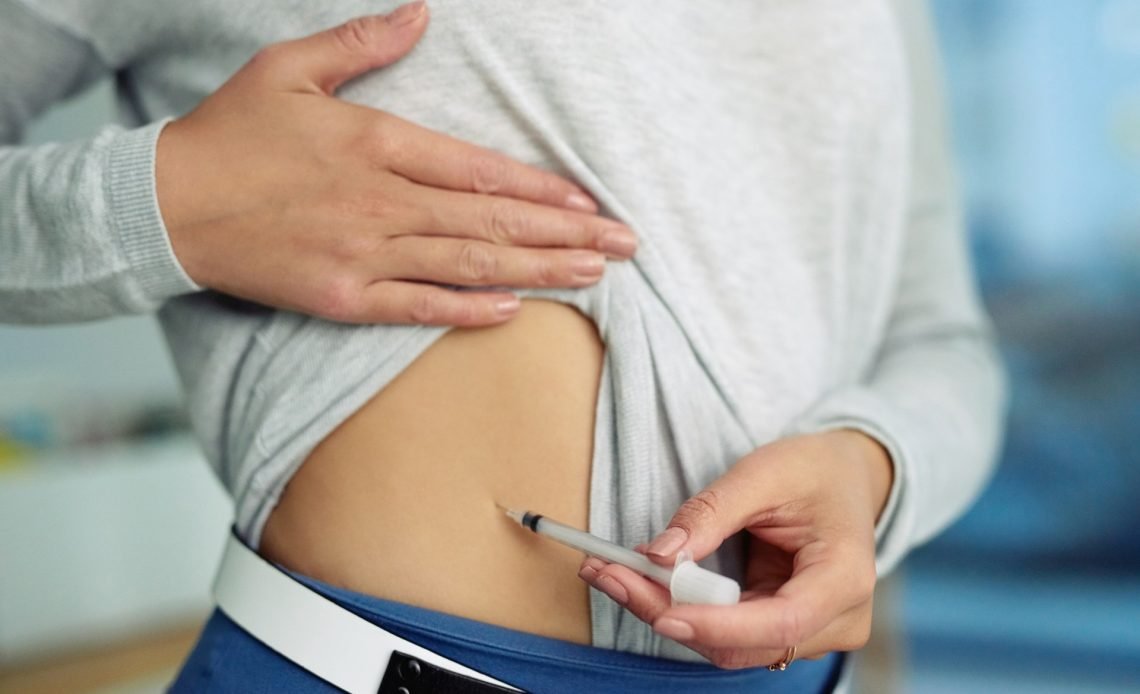
Zepbound is taken as a once-weekly injection via injector pen. It’s easy to administer, even if you’re new to self-injections. Many people feel that it’s more convenient than having to remember to take a pill every day or multiple times per day. That helps make people more likely to use it correctly and stay on their treatment plans as well. Of course, that generally equates to better effectiveness.
People are monitored continually while they’re taking Zepbound. Regular check-ins help doctors keep track of patients’ weight loss and other results, manage any side effects they may be experiencing, and make dosage adjustments if needed. Those visits can also help people see their progress and give them added motivation to keep moving forward.
What Is the Best Dosage for Zepbound?
As is the case with most medications, there’s not a universal Zepbound dosage. The right dose for each person depends on several factors. Those include the person’s overall health, age, medical conditions, and other medications they’re taking. As mentioned, doctors monitor patients’ progress on Zepbound. If a patient doesn’t seem to be progressing as expected, the dosage may be modified accordingly.
How well a person tolerates the medication comes into play as well. Some people experience nausea, vomiting, constipation, significantly decreased appetite, and other side effects when they start taking Zepbound. Starting at a lower dose and modifying it as needed helps mitigate those issues while maximizing the medication’s effectiveness.
What Is the Typical Treatment Schedule for Zepbound?
In most cases, patients start off on lower doses of Zepbound and gradually increase. For the first few weeks, they may start with the lowest available dosage, which is 2.5 milligrams. After approximately four weeks on that dosage, they’ll be graduated up to a higher one based on how they respond to the medication and their progress up to that point. Dosage increases usually take place every four weeks.
Zepbound is meant to be a long-term treatment. When patients reach their desired weight loss goals, their doctors generally transition them to a maintenance schedule to help them keep the weight off and maintain their progress with their other conditions. Determining the right maintenance dosage often takes a bit of trial and error, but once a doctor finds it, the patient’s dosage generally remains steady until changes are needed.
Why Gradual Dosage Increases Are Important
Gradual dosage increases are essential with Zepbound for a few key reasons. First of all, at higher doses, the medication can drastically alter a patient’s appetite, digestion, metabolism, and other factors. Those significant changes can place added stress on the body and potentially be dangerous. Side effects tend to be worse when patients start at higher doses as well.
Starting off at a low dose allows the body to adjust to the changes a little at a time and reduces the severity of side effects. It also helps doctors ensure patients tolerate the medication well and progress safely. Losing vast amounts of weight quickly is never a good idea. It’s always best to take a slow and steady approach. Not only is it less risky, but it improves the chances of keeping the weight off in the long run.
Using Zepbound for Weight Loss and Management
Zepbound has proven to be an effective tool for weight loss and management. It can also aid in treating certain weight-related medical conditions. When taking this medication, though, it’s important to start off with a low dose, take it consistently, and gradually work your way up to higher dosages. It’s also crucial to take it under the guidance of a doctor. There’s no single most effective Zepbound dosage for everyone, but the dosage can be adjusted on an individual basis to achieve the best possible results.

