


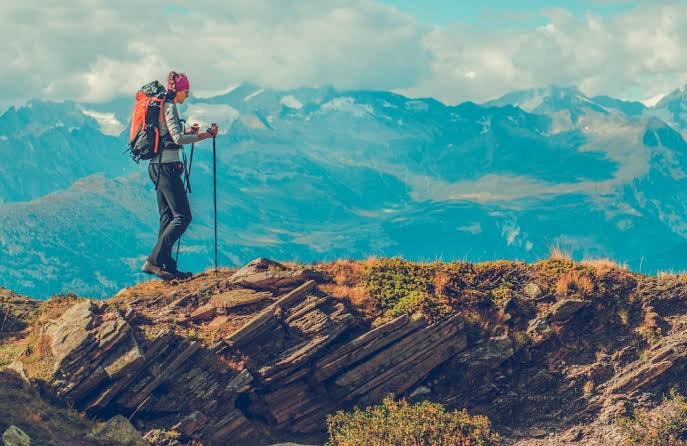
The Himalayas are practically in our backyard, and every year thousands of Indians head for Himachal, Uttarakhand, Sikkim or Ladakh with a rucksack and a plan. Others fly out to Nepal, Bhutan or the Alps for something bigger. High-altitude trekking is rewarding, but it is also the kind of trip where a small problem can grow quickly. Before you lace up your boots, it helps to know how far an insurance policy will actually go once the trail climbs.
Why Altitude Changes Everything
At higher elevations, the air has less oxygen, the weather turns without warning and help can be many hours away. Altitude sickness can affect fit and experienced trekkers as well as beginners. Add slippery trails, cold nights and rockfall, and the chance of an injury or illness rises noticeably.
Insurers know this, so they treat high-altitude trekking as a special risk. A policy that happily covers a city holiday may say nothing about a trek, or may flatly exclude it. That is why trekkers need to read the activity wording and not assume that “travel” automatically means “trekking”.
The Altitude Ceiling in Your Policy
The most important limit to look for is the maximum height the policy accepts. Many plans cover trekking only up to a certain elevation, say a few thousand metres, and stop protecting you beyond that. Cross the line and you may find yourself uninsured exactly where the risk is highest.
This cap is often written in the fine print, not in the headline benefits. Compare it with your actual route, including the highest pass or campsite, and not just the base village. If your trek goes higher than the limit, ask the insurer about a plan or add-on that raises it, or look for another policy altogether.
Guides, Permits and Group Rules
Some insurers expect trekkers to go with a registered guide or a licensed operator, particularly on remote routes. Walking alone off the marked trail can weaken a claim, even if the injury itself would normally be covered. The same goes for ignoring local permits or park rules.
Keep your booking papers, permits and any group registration details. They prove that you followed the proper route and used an approved operator. In a sticky situation, that tidy bundle of papers can be the difference between a claim that is paid and one that drags on for months.
Medical Cover and Sum Insured Limits
When you look at medical benefits, check the sum insured and the sub-limits for hospital care, doctor fees and medicines. Treatment in a remote mountain clinic may be basic, and serious cases are often moved to a larger city hospital. That means more than one bill, and a low limit can run out quickly.
When you buy travel insurance online, you can usually compare these limits side by side, which makes it easier to spot weak plans. Look closely at whether altitude sickness itself is covered, since some policies treat it as a standard illness and others exclude it. Don’t leave this question for the trail, because it is hard to sort out from a tent.
Rescue and Evacuation Limits
For trekkers, the rescue benefit is often the most valuable one in the policy. A helicopter lift from a high camp can cost a great deal, and in many mountain areas you must pay or prove cover before the flight takes off. Check that the plan includes search, rescue and emergency evacuation, and see what the upper limit is.
Also note the small conditions attached. Some plans pay only when the rescue is medically needed, not merely convenient. Others cover transport to the nearest suitable hospital and no further. Ask what happens if bad weather delays the helicopter, because that kind of detail matters on a mountain.
Choosing Cover for Trips Beyond India
If your trek is outside the country, your needs change. Nepal, Bhutan, Tibet and the Alps all have different costs, rules and rescue systems. A stronger plan with higher medical and evacuation limits is a sensible choice here, and international travel insurance designed for adventure trips is worth a close look.
Check whether the policy accepts the specific country and route you have in mind. Some areas, particularly those near borders or in unstable regions, may be excluded. Tell the insurer the full itinerary at the start, so there are no surprises when you submit a claim.
Fitness, Declarations and Honesty
It is wise to see a doctor before any high-altitude trek, and to declare existing conditions such as asthma, heart problems or high blood pressure when you buy. If you hide something and it is linked to your claim, the insurer may refuse payment. Honest answers keep your protection intact.
Acclimatise properly as well, and follow your guide’s advice about rest days. Many policies expect you to use common sense, and ignoring warning signs can count against you. A slow, steady climb is safer for your body and kinder to your claim.
Climb Higher, Prepared
A good trek begins long before the first step. Know the altitude limit in your policy, understand how rescue and medical cover work, and make sure your route, guide and activity all fit the rules. A few minutes with the policy wording can spare you a very difficult conversation later.
Before you leave, write down your highest point, your dates and your operator, and match each against the plan you hold. If anything falls outside, ask your insurer for a fix while there is still time. Then you can enjoy the sunrise from the ridge, knowing your safety net is as strong as your boots.

