


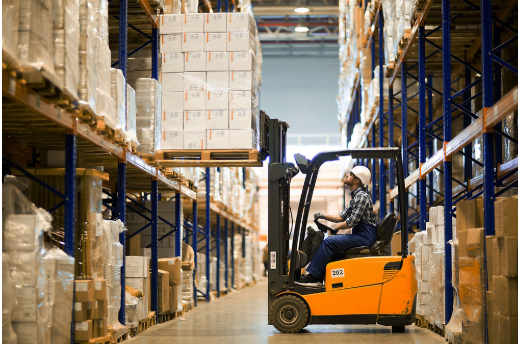
Warehouses and industrial facilities require different handling equipment to support changing storage and transport requirements. Selecting the correct machinery improves material movement, storage efficiency, and workplace safety across industrial environments. Understanding the difference between a forklift and a reach truck helps facilities match equipment to aisle width, storage height, and operational conditions. Some businesses also consider a forklift rental service during seasonal demand increases, warehouse expansion projects, or temporary material-handling needs that require additional operational support.
When a Forklift Is the Right Choice for Your Operations?
Forklifts are widely used for heavy-duty handling tasks and open operational areas where facilities manage large material movement volumes across indoor and outdoor spaces. Common applications include the following:
- Outdoor Material Movement: Forklifts support loading yard activity, dispatch operations, and transportation handling across industrial premises.
- Heavy Load Handling: These machines help facilities move raw materials, industrial goods, and palletised inventory efficiently throughout the worksite.
- Loading and Unloading Vehicles: Forklifts provide stable lifting support for continuous warehouse movement and vehicle handling operations.
- Operations in Wider Aisles: Larger handling equipment moves safely in wider layouts without affecting nearby storage systems or warehouse infrastructure.
- Use on Uneven Surfaces: Forklifts operate effectively on ramps, asphalt areas, and concrete pathways across industrial environments.
These operational benefits make forklift rental service suitable for facilities that require regular material movement across wider spaces and varying surface conditions.
Understanding the Uses of a Reach Truck
Reach trucks are designed for indoor warehouse operations where facilities require efficient vertical storage handling and controlled movement within narrow storage layouts. These machines are commonly used for the following requirements:
- Narrow Aisle Movement: Reach trucks help warehouses maximise available storage capacity without requiring additional floor space expansion.
- High-Rack Pallet Placement: These machines support facilities that depend on tall racking systems for organised inventory management.
- Indoor Warehouse Usage: Reach trucks operate effectively on level flooring where stable movement supports safer material placement activities.
- Space Optimisation: Their design improves storage planning by supporting movement within restricted warehouse layouts.
- Precise Load Positioning: Reach trucks support accurate pallet handling at elevated storage levels within organised warehouse systems.
These features make reach trucks suitable for storage facilities that focus on vertical inventory management and efficient indoor warehouse movement.
Factors That Influence Equipment Selection
Several operational factors influence whether facilities require forklifts or reach trucks for daily warehouse activities. Evaluating storage conditions, movement requirements, and operational layouts helps businesses select handling equipment that supports safe and efficient material flow. Service providers such as Godrej RenTRUST also support businesses that require temporary handling solutions for warehouse operations and inventory movement.
Warehouse Layout
Warehouse layout directly affects the movement of machinery throughout the facility. Wide aisle layouts generally support forklifts because these machines require additional turning space during material handling. Narrow-aisle storage systems typically rely on reach trucks that operate efficiently within restricted warehouse pathways.
Storage Height
Storage height also affects equipment selection. Ground-level storage systems generally support forklifts that focus on horizontal movement across warehouse floors. Vertical racking systems require machinery capable of safely lifting pallets to elevated storage positions without compromising inventory stability.
Load Type and Movement
Facilities handling heavy inventory movement often require machinery with greater lifting capacity and stable load handling. Warehouses handling delicate goods or requiring organised pallet placement usually require equipment designed for controlled lifting and precise positioning during storage operations.
Operating Environment
Indoor-only warehouse operations commonly use electric handling equipment on level flooring. Mixed indoor and outdoor operations generally require machinery that can handle rougher surfaces and changing environmental conditions without affecting handling performance or workplace safety.
Why Businesses Consider Equipment Rentals?
Many businesses face short-term increases in warehouse activity during festive demand, stock movement cycles, or expansion work. In such cases, investing in new machinery for temporary use may not be cost-effective. Instead, companies opt for rental solutions that match their changing operational needs.
| Aspect | Explanation |
| Cost Efficiency | Avoids high investment for short-term equipment needs during peak demand or projects. |
| Operational Flexibility | Supports changing warehouse activity, restructuring, or temporary logistics requirements. |
| Maintenance Support | Service providers typically handle inspection and servicing, reducing internal workload. |
| Decision Testing | Helps businesses evaluate equipment needs before making long-term purchase decisions. |
| Scalable Usage | Allows access to additional machinery during inventory spikes or expansion phases. |
Rental solutions offered through platforms such as Godrej RenTRUST help businesses manage temporary equipment requirements efficiently across industrial locations while maintaining smooth warehouse operations.
Conclusion
Warehouse layout, storage design, load movement, and operational conditions all influence equipment selection across industrial facilities. Forklifts support heavy handling across wider operational areas, while reach trucks improve storage efficiency within organised indoor warehouse layouts. Choosing the correct equipment according to actual operational requirements improves handling efficiency, supports safer movement practices, and helps facilities manage available warehouse space more effectively during daily material handling activities.

