


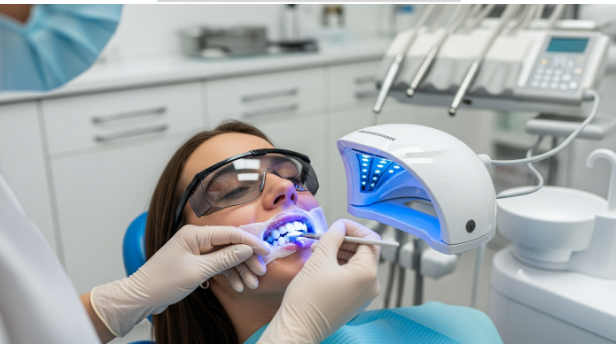
Discoloration caused by food habits, aging, and lifestyle factors often penetrates beyond surface enamel, making it difficult to manage through routine oral care. Professional solutions, such as teeth whitening in Dubai, focus on clinical-grade procedures that safely address deep stains while preserving enamel strength. These treatments are designed to deliver controlled, even whitening under expert supervision.
Understanding the Nature of Deep Tooth Stains
Deep tooth stains differ significantly from surface discoloration and require professional evaluation to determine the appropriate whitening approach. These stains often develop gradually and become embedded within the tooth structure.
- Intrinsic Stain Formation
Intrinsic stains originate within the dentin layer of the tooth and may result from medication exposure, trauma, or developmental factors. Because they sit beneath the enamel, standard whitening products are usually ineffective, requiring clinical intervention for noticeable improvement. - Impact of Lifestyle and Diet
Regular consumption of dark-colored foods and beverages contributes to stain accumulation over time. When combined with smoking or poor oral hygiene, these pigments can penetrate enamel, creating stubborn discoloration that requires professional removal methods. - Age-Related Tooth Darkening
As enamel naturally thins with age, the darker dentin underneath becomes more visible. This process leads to a duller smile appearance, making professional whitening procedures a preferred option for restoring brightness. - Limitations of Over-the-Counter Products
Non-clinical whitening products primarily target surface stains and lack the potency needed to treat deep discoloration. Improper use may also increase sensitivity without delivering consistent results.
Clinical Evaluation Before Whitening Procedures
Before initiating any whitening treatment, clinics perform a thorough evaluation to ensure safety, suitability, and predictable outcomes.
- Assessment of Oral Health Status
Dentists examine teeth and gums to rule out decay, gum disease, or enamel damage that could interfere with whitening. Addressing these issues first ensures that the procedure is both safe and effective. - Identification of Stain Type
Determining whether stains are intrinsic or extrinsic guides the selection of whitening techniques. This tailored approach allows clinicians to choose methods that target discoloration without compromising tooth integrity. - Sensitivity Risk Evaluation
Some individuals are prone to tooth sensitivity, which must be managed carefully. Clinics adjust whitening strength and duration based on patient tolerance to minimize discomfort. - Expectation Alignment
Clinical consultations help align patient expectations with achievable results. This clarity supports satisfaction by explaining realistic shade improvements and treatment timelines.
In-Clinic Whitening Techniques for Deep Stains
Professional clinics employ advanced methods specifically designed to break down deep-set stains while maintaining enamel health.
- High-Concentration Whitening Gels
Clinical gels contain controlled concentrations of active agents that penetrate enamel to lift stains from within. These formulations are applied under supervision to ensure even whitening and reduce sensitivity risks. - Light-Activated Whitening Systems
Specialized lights or lasers may be used to accelerate the whitening process. These systems enhance gel activation, allowing deeper stain breakdown within a shorter treatment period. - Layered Application Techniques
Whitening agents are applied in stages, allowing gradual stain removal. This approach improves uniformity and reduces the likelihood of uneven coloration or irritation. - Protective Isolation Measures
Clinics use barriers to shield gums and soft tissues during whitening. This protection ensures patient comfort and prevents chemical exposure to sensitive areas.
Professional Whitening for Consistent Results
Clinical whitening procedures are designed to deliver predictable and balanced outcomes that are difficult to achieve through non-professional methods. Solutions such as teeth whitening in Dubai emphasize precision and long-term effectiveness.
- Controlled Treatment Environment
Professional settings allow precise control over whitening intensity and exposure time. This reduces the risk of over-whitening and ensures consistent shade improvement across all teeth. - Customized Treatment Planning
Whitening plans are adjusted based on individual tooth condition and stain severity. This customization ensures that results appear natural rather than overly artificial. - Reduced Sensitivity Management
Dentists incorporate desensitizing measures during and after treatment. This helps maintain comfort while achieving noticeable whitening results. - Durability of Results
Professionally administered whitening often delivers longer-lasting brightness due to deeper stain removal and proper post-treatment guidance.
Cost Factors Influencing Whitening Treatments
Understanding pricing considerations helps individuals make informed decisions when choosing professional whitening services. Evaluating the teeth whitening price in Dubai provides clarity on value and treatment scope.
- Treatment Method Selection
Costs vary depending on whether light-activated systems or advanced gel techniques are used. More comprehensive procedures may involve higher investment due to specialized equipment and materials. - Extent of Discoloration
Deep or widespread stains may require multiple sessions, influencing overall costs. Pricing reflects the complexity and duration of treatment required. - Professional Expertise and Facility Standards
Clinical experience, technology quality, and safety protocols contribute to pricing structures. These factors ensure effective results and patient safety throughout the procedure. - Understanding the teeth whitening price in Dubai
Reviewing teeth whitening price in Dubai allows individuals to compare clinical offerings while focusing on treatment quality rather than cost alone.
Maintaining Whitening Results After Treatment
Post-treatment care plays a vital role in preserving the brightness achieved through professional whitening procedures.
- Oral Hygiene Consistency
Regular brushing and flossing help prevent plaque buildup and surface staining. Maintaining proper oral care supports the longevity of whitening results. - Dietary Awareness
Limiting consumption of staining foods and beverages reduces the risk of discoloration recurrence. Simple adjustments can significantly extend treatment benefits. - Scheduled Professional Cleanings
Routine dental cleanings remove surface stains before they deepen. These visits complement whitening treatments and maintain overall oral health. - Use of Recommended Products
Dentists may suggest specific toothpaste or maintenance gels designed to support whitening without causing sensitivity or enamel wear.
Safety and Effectiveness of Clinical Whitening
Professional whitening prioritizes patient safety while delivering measurable improvements in tooth shade.
- Enamel Preservation Focus
Clinical formulations are designed to protect enamel during whitening. Proper application ensures stain removal without structural damage. - Monitoring During Treatment
Continuous supervision allows immediate adjustments if sensitivity or discomfort occurs. This oversight enhances both safety and comfort. - Evidence-Based Techniques
Whitening protocols are supported by clinical research and standardized practices. This ensures reliable outcomes and patient confidence. - Long-Term Oral Health Support
By addressing stains professionally, clinics help maintain oral aesthetics without compromising tooth health over time.
Conclusion
Professional dental whitening procedures offer a reliable way to address deep tooth stains while maintaining enamel strength and overall oral health. With thorough assessment, controlled application of whitening agents, and structured aftercare, these treatments support consistent and natural-looking results that go beyond surface improvements. Clinical supervision plays a key role in ensuring both safety and long-term effectiveness.
Reputed healthcare providers such as Queens Medical Center demonstrate how organized treatment planning and professional expertise contribute to predictable whitening outcomes. Care delivered through a qualified dentalist dental clinic ensures that whitening solutions are tailored responsibly, prioritizing comfort, precision, and sustained oral wellness.

