


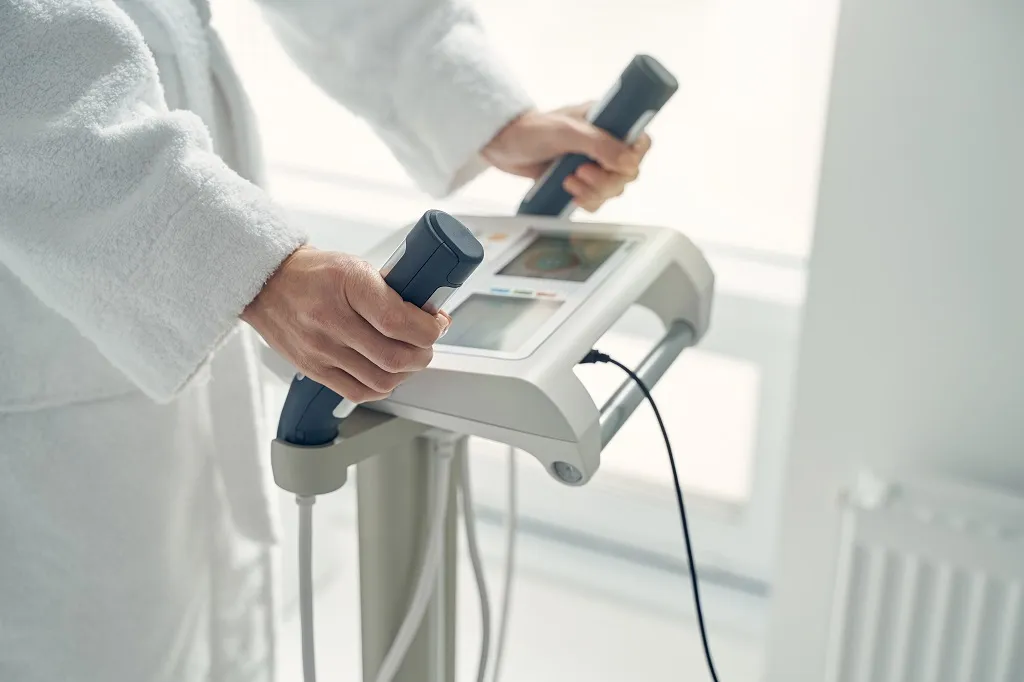
Understanding what’s happening inside the human body is not always possible just by looking at weight on a normal weighing scale. This is why Body Composition Analysis has become an important tool in modern clinical practice. Instead of only telling how heavy a person is, it explains what that weight is made of—muscle, fat, bone, and water. Today, hospitals, sports centers, and even nutrition clinics depend heavily on Body Composition Analyzers for accurate health assessments.
If you want to reduce your body fat then you can invest in a squat rack. Using it regularly will help you to maintain a good body composition and make a proper proportion of muscle and fat.
Why Body Composition Analysis Matters in Healthcare
In clinical settings, patients often struggle with obesity, diabetes, heart disease, hormonal imbalance, and recovery issues. Regular weight measurements cannot show whether the body is losing fat, gaining muscle, or retaining too much water. Body Composition Analysis gives doctors a deeper view of a patient’s internal health.
For example, two people can have the same weight but completely different health conditions. One may have more muscle and less fat, while the other has higher fat levels and low muscle mass. Using a Body Composition Analyzer, doctors get a clear picture of fat percentage, visceral fat, muscle distribution, bone density, and even hydration levels. This helps them create better diet plans, exercise routines, and treatment strategies for long-term results.
How Accurate Are Body Composition Analyzers?
Body Composition Analyzers use different technologies, and their accuracy depends on how advanced the device is. The most common clinical method is Bioelectrical Impedance Analysis (BIA), where a small electrical signal passes through the body to measure resistance. Muscles contain water and conduct electricity well, while fat slows the signal down. This difference helps calculate body composition.
In hospitals and diagnostic centers, high-grade analyzers provide very reliable results. Many modern devices use multi-frequency BIA, segmental analysis (checking each limb separately), and algorithm-based calculations to increase accuracy. When operated correctly—proper hydration, standing posture, no heavy meals—results can be extremely consistent.
However, like any medical device, no technology is 100% perfect. Slight variations can come from body temperature, hydration level, menstrual cycle in women, and recent exercise. Still, for everyday clinical use, these analyzers are accurate enough to guide treatment and monitor progress effectively.
Clinical Use Cases: Where Body Composition Analysis Helps Most
1. Obesity and Weight Management
Weight loss programs are no longer just about reducing kilograms. Doctors now track fat loss, muscle gain, and changes in metabolic rate. Body Composition Analyzers help identify unhealthy fat levels and monitor improvement over time.
2. Diabetes and Lifestyle Disorders
Diabetes patients often have higher visceral fat, which increases health risks. Regular analysis helps monitor fat levels and build better lifestyle plans.
3. Sports Medicine and Athlete Monitoring
Athletes need balanced muscle mass and low body fat for performance. Trainers use these analyzers to track muscle growth, hydration levels, and recovery status.
4. Elderly and Clinical Rehabilitation
Old age brings muscle loss and bone weakness. Body Composition Analysis helps doctors check muscle mass, predict fall risk, and guide rehabilitation programs.
5. Post-Surgery Recovery
Patients recovering from major surgeries often experience muscle loss and water retention. These analyzers help monitor healing progress and protein requirements.
6. Nutrition and Diet Planning
Dieticians use detailed body reports to create personalized meal plans, focusing on fat reduction, muscle growth, or hydration improvement.
Limitations You Should Know
While Body Composition Analyzers are extremely useful, they do come with certain limitations. First, results may vary slightly due to hydration level, food intake, or physical activity just before the test. Very cheap or low-quality devices also tend to give less reliable numbers compared to medical-grade tools.
Another limitation is that BIA technology is not always ideal for pregnant women or individuals with implanted electronic devices like pacemakers. In such special cases, doctors prefer alternative methods or skip body composition testing.
Also, while analyzers can show fat and muscle distribution, they cannot replace complete medical tests such as blood reports, bone scans, or hormonal evaluations. They should be used as part of a bigger healthcare plan, not as the only diagnostic method.
Body Composition Analysis has changed the way doctors evaluate health in modern clinical practice. With the help of advanced Body Composition Analyzers, healthcare professionals can understand muscle, fat, bone, and water levels accurately. This helps in better treatment planning for obesity, diabetes, sports performance, elderly care, and post-surgery recovery.
Even though there are some limitations, the overall benefits and accuracy make Body Composition Analysis a powerful tool in healthcare today. For patients and doctors alike, it offers a clearer picture of true health beyond just weight—and that is exactly why its use is growing rapidly across India and worldwide.
Visit our website https://tanita.in/


