


Key Takeaways
When it comes to tooth replacement, dental implants are often seen as the gold standard. They look natural and have impressive durability, but let’s be real—they can also carry high upfront costs and come with surgical risks.
What sets implants apart? They attach directly to the jawbone, which means you won’t have to worry about slippage while eating, unlike those more affordable dentures that some folks opt for.
Keep in mind that the total cost of dental implants often hides additional fees for consultations and maintenance. It’s smart to budget another 10-20% of the initial implant cost for future care.
Many dental insurance plans regard implants as luxury items, so they usually offer little coverage. This makes it important for patients to look into financing options or set up savings accounts for the expenses ahead.
Choosing a qualified dentist—especially one with board certification and a strong track record—is crucial for successful implants. Be sure to check their credentials and ongoing education to confirm they’re up to speed.
After getting your implants, maintaining good oral hygiene is key. This includes gentle brushing and regular flossing. Neglecting these habits might lead to complications and shorten the lifespan of your implants.
Stay vigilant for any trouble signs like persistent pain or swelling around the implants. Seeking professional help ASAP can prevent serious issues like infections.
Dental Implants vs. Dentures: Which One Wins?
The Pros and Cons of Implants
Now, let’s get real. Dental implants tend to be praised as the gold standard for a reason! They’re durable and usually blend seamlessly with your natural teeth. I’ve seen the joy on patients’ faces when they finally receive their implants. It’s a real game changer for confidence! But, of course, they come with drawbacks—the initial cost can make anyone’s jaw drop.
Okay, let’s dive into the actual pros of implants. First off, they secure directly into the jawbone, meaning you dodge the awkward moments of dentures slipping out. Who wants to deal with that during a nice dinner? No thanks! Plus, they improve your chewing ability, letting you enjoy those crunchy treats without any worries. But don’t forget about the cons!
- The price can range from a couple of thousand dollars to quite a bit more per implant.
- Surgery involves risks, such as infections or nerve damage.
- You need enough bone density; if time has passed, a bone graft may be necessary first.
When to Choose Dentures Instead
Here’s the thing: dentures aren’t the enemy. For many folks, they’re actually a smart choice. If you’re keeping an eye on your budget, dentures cost a lot less than implants. And losing a denture won’t set you back as much. That’s perfect for people who’ve always worn them, right?
Consider your age, health, and how many teeth you’re missing. Those factors will play a huge role in your choice. If you’re older or facing ongoing health concerns, dentures might help you avoid the stress of lengthy surgical procedures and long recovery times.
- Lower initial costs compared to implants.
- Easier to modify or replace if it comes to that.
- No surgery needed, which is great for anyone squeamish about medical procedures.
Cost Breakdown: Are Dental Implants Worth the Investment?
Hidden Fees and Ongoing Maintenance
Let’s talk money for a moment. Many think the price of dental implants is straightforward, but that’s often misleading. Hidden fees? You bet—they’re lurking! Pre-surgery consultations, imaging tests, sedation costs—they can all add up faster than you think. Seriously, do you want to be caught off guard by unexpected charges?
And maintenance is another factor. While implants are durable, they aren’t invincible. I’ve known patients who skimp on their routine dental care and then wonder why issues arise later on. 🥴 Regular check-ups, cleanings, and potential repairs should factor into your budget. As a rule of thumb, set aside at least 10-20% of your implant cost for future care. Yep, you need to consider more than just that initial bill.
Insurance Coverage Myths Debunked
Insurance can be a tricky territory. Some believe dental insurance will cover implants. Here’s a spoiler: Most dental plans classify implants as luxury items. They might cover a bit, but don’t rely on it. Many policies see them as too specialized, so it’s a twist—some may cover tooth extractions but won’t touch replacements. How ridiculous is that?
Hoping dental insurance will cover implants? Get ready to be disappointed.
Do your research. It’s sometimes worth looking into payment plans with your dentist, or financing options that offer lower interest rates. Also, consider using Flex Spending Accounts (FSA) and Health Savings Accounts (HSA) to help with costs. Don’t forget to explore all your options!
Finding the Right Dentist: What to Look For
Essential Qualifications and Experience
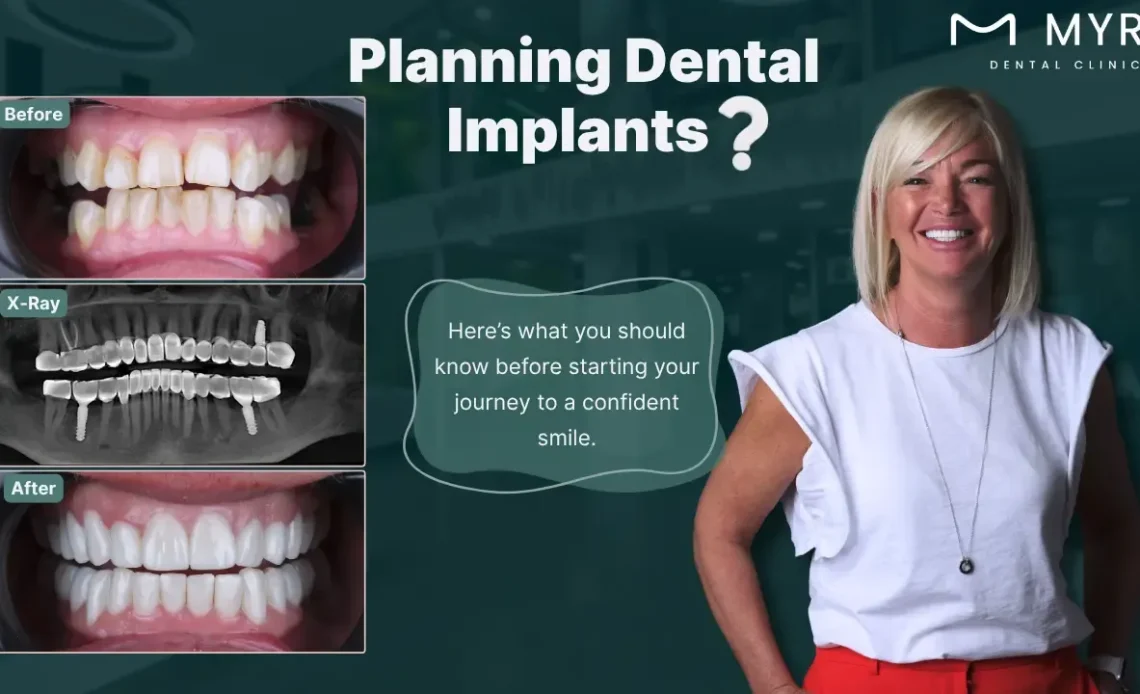
Building a solid relationship with your dentist? Absolutely essential. I can’t emphasize enough how important it is to find someone with board certification in prosthodontics or oral surgery. Why? Because you want the best dental implants from someone who truly knows what they’re doing. Look at before-and-after pictures to gauge their skills. And, hey, ask for references. A reputable dentist will have no problem sharing their successes.
But don’t stop there. Look for ongoing education credentials. This field is always evolving; your dentist should be too. You want someone who stays current with the latest techniques and technologies. The fresher their training, the more likely you’ll get a stellar outcome.
Red Flags That Signal Trouble
While you’re looking for a dentist, keep your eyes peeled. I’ve seen so many people get burned simply because they missed the signs. A dentist trying to sell you on implants with no proper consultation or X-rays? Major red flag! If anyone pressures you to make hasty decisions? It’s time to sprint in the opposite direction! A quality provider will respect your pace and comfort level. Period.
- Unlicensed or poorly rated practices – always verify credentials.
- High-pressure sales tactics pushing unnecessary upgrades.
- Poor sanitation or outdated facilities – pay attention to the overall vibe.
Aftercare Secrets: How to Ensure Long-lasting Implants
Daily Habits That Make a Difference
So, you’ve got your implants. What now? This is where aftercare becomes vital. Good habits can either make or break how well those implants stick around. Use a soft brush—it’s essential. I know it sounds basic, but harsh brushing can cause issues for your implants and gums.
Regular flossing is equally important; don’t neglect it! It helps to clear out any food particles or plaque clinging to your implants. If you want to elevate your game, a water flosser can be a real lifesaver. Think of it as a mini clean-up crew for your mouth.
Floss like your dental health is on the line—because it truly is.
Signs of Trouble You Should Never Ignore
This is where staying alert pays off. If you’re hit with unexpected pain, swelling, or any discharge, don’t brush it off as just ‘normal.’ Your body is sending you warnings, so take notice! Infections don’t mess around, and the sooner you deal with it, the better.
- Persistent discomfort that doesn’t ease after a few days.
- Visible redness or swelling around the implants.
- Bleeding that lasts longer than normal post-surgery recovery.
Trust your instincts. If something feels off, reach out to your dentist or an urgent dental care service. Better to be safe than sorry, right?
FAQ
What factors influence the lifespan of dental implants?
Several things play a part in how long your implants will last. Your oral hygiene habits are huge—brush and floss like it’s essential, because it is! Also, underlying health conditions, the implant location, and even lifestyle choices like smoking can significantly affect their lifespan.
Are there different types of dental implants to consider?
Absolutely! You typically have endosteal implants, placed directly in the jawbone, and subperiosteal implants, which sit below the gum but above the bone. Each type has its benefits and drawbacks, so chatting with your dentist about what fits your situation is vital.
Can lifestyle changes improve my chances for successful implants?
You bet! Quitting smoking can really boost healing and integration of implants. Plus, a balanced diet rich in vitamins and minerals is beneficial; a healthy body leads to a healthier mouth, and who wouldn’t want that?
What’s the recovery time post-implant surgery?
Recovery can differ, but usually, you’re looking at several days to a week for initial healing. Full integration with the bone may take a few months, so patience is crucial here. It’s not just about getting the implants placed; it’s about making sure they last!
Are dental implants suitable for everyone?
Not everyone qualifies. Factors like age, health conditions (like uncontrolled diabetes), and insufficient jawbone density can exclude you. Your dentist will evaluate your individual situation to determine if you’re a good candidate or if alternative options might be better.
Can dental implants fail, and if so, why?
Yes, implants can fail, often due to infection, poor bone integration, or inadequate aftercare. Slacking on oral hygiene can wreak havoc. Keep up with regular check-ups and stay alert to any warning signs to address issues early.
Are there any non-surgical alternatives to dental implants?
What’s the best way to finance dental implants?
First up, check with your dentist for any available payment plans. Credit options like CareCredit or DentalPlans can help lighten the financial load. Utilizing a Health Savings Account (HSA) or Flexible Spending Account (FSA) can also save you on taxes while managing costs.

