


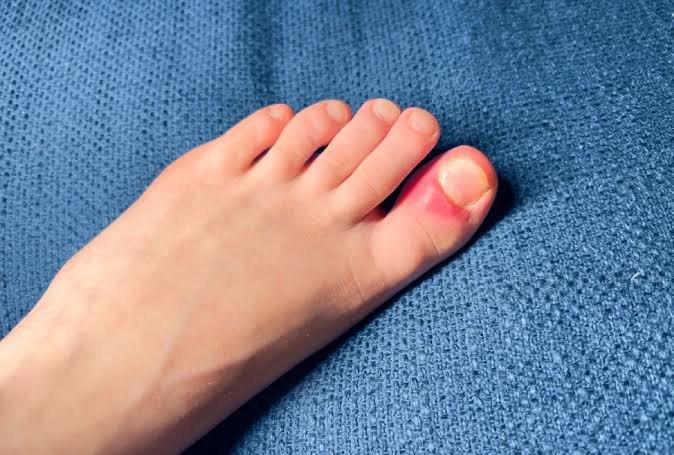
Why is my toe swollen is a question that gets confusing fast, especially when there is no obvious injury behind it. Toe swelling can come from something as simple as tight shoes or as serious as an infection that needs prompt care.
Why Is My Toe Swollen?
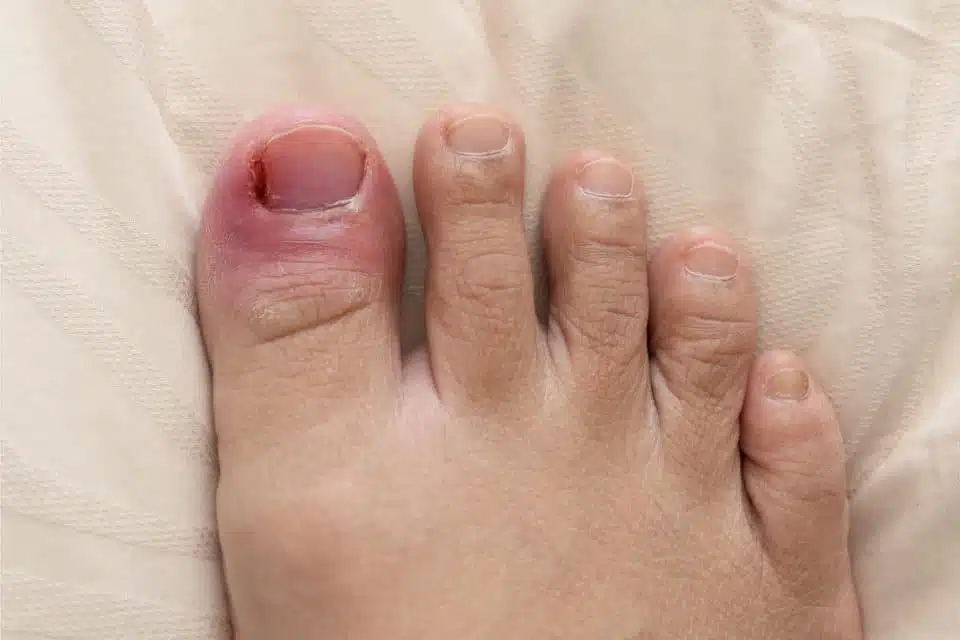
A swollen toe usually comes from injury, inflammation, infection, or a buildup of fluid or uric acid in the joint. Common culprits include stubbed toes, ingrown toenails, gout, bunions, and arthritis.
Most mild cases improve with rest and simple care. Swelling that is sudden, severe, or accompanied by fever needs medical attention.
What Does It Mean When a Toe Is Swollen?
The Basics of Toe Swelling
Swelling happens when fluid builds up in tissue or when the body responds to irritation, injury, or infection with inflammation. It can affect one toe, several toes, or both feet.
A swollen toe may feel tight, warm, or tender, and it can develop suddenly or build gradually over days or weeks.
Common Causes of a Swollen Toe
Injury or Overuse
Stubbing a toe, dropping something heavy on it, or repetitive pressure from activity can all cause swelling. Even minor trauma can lead to noticeable puffiness, bruising, and tenderness.
Ingrown Toenail
An ingrown toenail happens when the nail edge grows into the surrounding skin, causing inflammation and sometimes infection. The area often looks red and swollen around the nail border.
Gout
Gout is a form of arthritis caused by a buildup of uric acid crystals in a joint, most often the big toe. Flare-ups can cause sudden, intense swelling, warmth, and pain.
Bunions
A bunion is a bony bump that forms at the base of the big toe due to joint misalignment. It tends to cause swelling that builds gradually and often worsens with certain footwear.
Arthritis
Osteoarthritis and rheumatoid arthritis can both cause joint inflammation in the toes. This type of swelling tends to build slowly and may come with stiffness.
Infections
Fungal infections, such as athlete’s foot, and bacterial skin infections can both cause a toe to swell. Redness, warmth, and drainage often accompany infection-related swelling.
Circulation Issues
Poor circulation linked to diabetes or peripheral artery disease can cause fluid buildup in the toes. This type of swelling often affects multiple toes rather than just one.
Comparing Common Causes of Swollen Toes

| Cause | Typical Onset | Key Signs |
|---|---|---|
| Injury | Sudden | Bruising, tenderness, pain after impact |
| Gout | Sudden | Intense pain, warmth, redness in one joint |
| Ingrown toenail | Gradual | Redness and swelling near the nail edge |
| Bunion | Gradual | Bony bump, worse with tight shoes |
| Arthritis | Gradual | Stiffness alongside swelling |
| Infection | Sudden to gradual | Warmth, redness, possible drainage |
| Circulation issues | Gradual | Swelling in multiple toes or both feet |
How to Tell What’s Causing Your Swollen Toe
Swelling After a Bump, Fall, or Twist
This pattern usually points to a soft tissue injury or possibly a fracture. Bruising and difficulty walking often follow shortly after.
Sudden, Intense Pain With No Clear Trigger
Sudden pain without an obvious cause is a classic sign of gout, especially when it affects the big toe. This kind of swelling rarely comes from an injury.
Redness or Drainage Near the Nail
Swelling along the nail edge, especially with tenderness or drainage, usually signals an ingrown toenail or infection.
Gradual Swelling With a Growing Bump
Slow-building swelling with a bump at the joint often points to a bunion or arthritis, particularly if certain shoes make it worse.
When to See a Doctor for a Swollen Toe

Warning Signs That Need Prompt Attention
- Sudden, severe pain with no clear cause
- Fever alongside toe swelling
- Redness that spreads beyond the toe
- Signs of infection, including drainage or a foul odor
- Swelling that does not improve after several days of rest
Why Evaluation Matters
Toe swelling can range from mild irritation to a sign of a more serious underlying condition. A podiatrist can use a physical exam, imaging, or blood work to identify the exact cause and recommend the right treatment.
What Helps a Swollen Toe at Home
Step 1: Rest and Elevate the Foot
Keeping weight off the toe and elevating the foot can help reduce mild swelling. This is especially useful after a minor bump or long day of activity.
Step 2: Apply a Cold Compress
A cold compress for 15 to 20 minutes can help reduce swelling from minor injuries. Avoid applying ice directly to the skin.
Step 3: Switch to Roomier Footwear
Tight shoes can worsen swelling from bunions, ingrown toenails, or general irritation. Choosing wider, more supportive shoes gives the toe room to heal.
Step 4: Keep the Area Clean
Gently cleaning the toe helps prevent infection, especially around an ingrown toenail or minor wound. Watch for increasing redness or drainage.
Key Takeaways
- Toe swelling can come from injury, gout, infection, arthritis, or circulation issues.
- Sudden intense pain without injury often points to gout.
- Gradual swelling with a bump usually suggests a bunion or arthritis.
- Redness or drainage near the nail often signals infection.
- Fever, spreading redness, or swelling that persists needs prompt medical care.
Also Read:
- From Hair Care Idea To Business: How Bo International Supports Startup Brands
- Portable Space Heaters vs Fan Heaters: Pros and Cons
- How Care Patterns Help During Steps to Report Suspected Nursing Home Abuse
- How Insurance Responses Can Affect a Houston, TX Auto Accident Claim
- The Investigation Steps a Premises Liability Lawyer May Take After an Injury
- Does Being a Loan Guarantor Affect Your CIBIL Score
- Do You Need Legal Help After a Truck Accident? Here’s What to Know
- Employee Rights and Legal Remedies in Whistleblower Retaliation Cases
- Download Gayatri Mantra Best Ringtone Mp3/M4R
- Grand Theft Auto: San Andreas Theme Song Download
- Download Mission Impossible Original Theme Song
- Randy Orton Voices WWE Theme Song Download
- 430+ Trendy Roblox Username Ideas for Boys & Girls
- 1000+ Trendy Instagram Usernames Ideas for Girls
- Letflix Review: Features, How It Works and Is It Safe to Use?
- Lorde – Liability (Instrumental)
- The LOX – Ignorant (Instrumental)
- Dae Dae – Spend It (Instrumental)
- Mac Miller – Diablo (Instrumental)
- Little Mix – Pretend It’s Ok (Instrumental)
- David Guetta – Lovers On The Sun (Instrumental)
- Where Learning Meets Potential: Exploring Strong Foundations for Young Minds
- How Classroom Collaboration Builds Skills Beyond Academics
- How Effective Math Tuition Helps Students Master Difficult Concepts
- Is Online MBA Worth It in 2026?
Frequently Asked Questions (FAQs)
Why is my toe swollen with no injury?
Swelling without injury is often caused by gout, an ingrown toenail, infection, arthritis, or poor circulation rather than trauma.
Can gout cause a swollen toe overnight?
Yes. Gout flare-ups often appear suddenly, causing intense pain, warmth, and swelling in one joint, most commonly the big toe.
What does a swollen toe with redness near the nail mean?
Redness and swelling near the nail edge usually points to an ingrown toenail or a related infection.
Is a swollen toe always serious?
No. Many cases are mild and improve with rest, elevation, and roomier footwear within a few days.
Can diabetes cause swollen toes?
Yes. Circulation problems linked to diabetes can lead to fluid buildup and swelling, often affecting multiple toes.
When should I see a doctor for toe swelling?
See a doctor if you notice fever, spreading redness, drainage, severe pain, or swelling that does not improve after several days.
Can tight shoes cause a swollen toe?
Yes. Tight or narrow footwear can worsen swelling from bunions, ingrown toenails, or general irritation.
How can I tell if my toe is broken versus just swollen?
A fracture often comes with bruising, sharp pain after impact, and difficulty walking, unlike mild swelling from overuse.
Does arthritis cause swelling in just one toe?
It can affect one toe or multiple joints, and swelling from arthritis tends to build gradually along with stiffness.
What helps reduce toe swelling fast?
Resting the foot, elevating it, and applying a cold compress for 15 to 20 minutes can help reduce mild swelling quickly.
Conclusion
So why is my toe swollen? The cause can range from a simple stubbed toe to gout, an infection, or an underlying circulation issue. Paying attention to how the swelling started and what symptoms come with it helps narrow down the likely cause.
Mild swelling from minor irritation or overuse often improves with rest, elevation, and better-fitting shoes. Swelling that is sudden and severe, or comes with fever, drainage, or spreading redness, is a different story and should be evaluated promptly.
If your swollen toe does not improve within a few days, or the symptoms feel unusual for you, a podiatrist or doctor can pinpoint the cause and get you on the right treatment path.


