


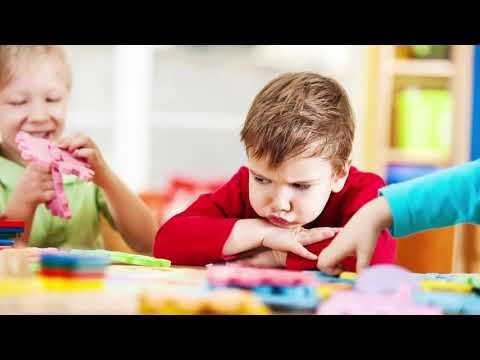
A child’s education shapes academic understanding, social development, confidence, and independent thinking. Choosing the right learning environment can support these areas from the early years.
For parents exploring CBSE schools in Bannerghatta Road, factors such as curriculum structure, teaching quality, learning resources, extracurricular opportunities, and student support can be important. A well-rounded educational setting can help children develop beyond textbooks while building communication, collaboration, creativity, and problem-solving abilities. Parents may also consider the school’s approach to discipline, technology, sports, and co-curricular activities when evaluating available options. Looking at these elements together can provide a clearer understanding of how an institution may support a child’s overall educational journey and future academic goals.
Building Strong Academic Foundations Through Learning
A structured academic environment can help students develop essential knowledge while encouraging curiosity, participation, and a positive attitude towards learning.
1. Following A Structured Curriculum
A well-organised curriculum provides students with a clear progression of concepts across different subjects. It can help teachers introduce new ideas in line with students’ developmental stages while reinforcing previously learned knowledge. Consistent academic planning can also make it easier to identify areas where additional support may be required.
2. Encouraging Concept-Based Understanding
Learning becomes more meaningful when students understand concepts rather than relying solely on memorisation. Classroom discussions, practical activities, examples, and problem-solving exercises can help children connect academic ideas with everyday situations. This approach can strengthen comprehension and encourage students to ask questions.
3. Developing Language And Communication Skills
Strong communication skills support both academic and personal development. Reading, writing, presentations, classroom discussions, and group activities can provide opportunities for students to express ideas clearly. Regular exposure to different forms of communication can also build confidence when interacting with teachers and peers.
4. Supporting Mathematical Thinking
Mathematics can help children develop logical reasoning and analytical skills. Regular practice combined with practical examples can make mathematical concepts easier to understand. Encouraging students to explain their approach to solving problems can also strengthen reasoning rather than focusing only on reaching the correct answer.
Encouraging Holistic Development Beyond Academics
Academic achievement is one aspect of education, while activities outside the classroom can foster confidence, creativity, teamwork, discipline, and personal expression.
1. Promoting Sports And Physical Activity
Regular physical activity can support fitness, coordination, discipline, and teamwork. Sports also give children opportunities to understand cooperation, persistence, and healthy competition. Providing access to a variety of activities can help students discover their interests while maintaining a balanced routine alongside academic responsibilities.
2. Supporting Creative Expression
Art, music, theatre, dance, and other creative activities can give students opportunities to express themselves in different ways. Such experiences can encourage imagination and confidence while allowing children to explore interests beyond conventional academic subjects. Creative participation can also contribute to broader cultural awareness.
3. Developing Social Skills
School provides children with regular opportunities to interact with peers from different backgrounds and personalities. Group projects, classroom activities, sports, and events can encourage cooperation and respectful communication. These experiences can help students develop interpersonal skills that remain valuable throughout their academic and professional lives.
4. Encouraging Leadership Opportunities
Leadership activities can help students become more responsible and confident in making decisions. Student groups, classroom responsibilities, competitions, and school events can provide practical opportunities to organise tasks and work with others. Gradual exposure to responsibility can encourage independence and accountability.
Integrating Technology Into Modern Education
Technology has become an increasingly useful part of education when applied thoughtfully. Digital resources, interactive presentations, educational applications, research tools, and multimedia content can supplement classroom teaching and provide additional ways to explore concepts.
However, technology works best when it supports educational objectives rather than replacing meaningful teacher interaction. Students also need guidance on responsible digital behaviour, online research, information evaluation, and appropriate screen use. Combining digital resources with books, discussions, practical activities, and direct instruction can create a more balanced learning experience.
Strengthening Parent And School Communication
Education becomes more effective when parents and educators maintain clear communication about a child’s academic progress and overall development. For families exploring CBSE schools in Bannerghatta, regular updates can help parents understand strengths, challenges, attendance, participation, and areas that may require additional attention.
Parents can also gain useful insight by discussing learning habits and classroom experiences with teachers. Open communication allows concerns to be addressed earlier and encourages greater consistency between home and school routines. When families and educators work towards shared goals, students can receive more coordinated support throughout their educational journey.
Preparing Students For Future Opportunities
A strong educational foundation should help students develop skills that remain useful as they progress into higher levels of education. Alongside subject knowledge, students increasingly benefit from communication, critical thinking, collaboration, creativity, adaptability, and responsible decision-making.
Encouraging children to explore interests and participate in varied activities can help them discover potential strengths. Exposure to different experiences may also help students become more comfortable with new situations and challenges. Building these capabilities gradually can prepare learners to approach future academic opportunities with greater confidence.
Choosing An Environment That Supports Growth
Selecting a school involves considering several factors rather than focusing on one feature alone. Parents can review the curriculum, teaching practices, facilities, extracurricular opportunities, student support, communication systems, and overall learning environment.
Visiting the campus and understanding the school’s educational approach can provide additional perspective. Parents may also consider whether the environment matches their child’s learning needs, interests, personality, and long-term goals. A thoughtful evaluation can help families make a decision based on practical requirements and the kind of educational experience they want their child to receive.
Conclusion
A strong educational foundation combines academic learning with communication, creativity, physical activity, social development, and opportunities for independent thinking. The right environment can help children build knowledge while developing the confidence and skills needed for future challenges.
For parents researching schools in Bannerghatta, EuroSchool provide a CBSE-focused learning environment designed to support academic and overall student development. Their approach can be examined alongside the curriculum, facilities, activities, and student support provisions to determine whether the school aligns with a child’s educational needs. A balanced learning experience can help young students build strong foundations while discovering their interests and potential.

