


A few years ago, custom apparel followed a very predictable formula. Most designs were simple and safe—usually a small logo on the front, a name printed on the back, or a basic graphic added for a bit of personality. The goal was often to make products look clean, uniform, and almost factory-produced.
But today, everything feels different.
Scroll through platforms like TikTok, Etsy, or Instagram, and you’ll immediately notice a shift. Custom apparel has become louder, more expressive, and far more creative. Glitter effects, bold textures, oversized prints, layered graphics, and vibrant color combinations are now everywhere. Instead of trying to imitate mass-produced clothing, creators are embracing individuality and artistic freedom.
This transformation didn’t happen overnight. It’s the result of changing consumer preferences, evolving technology, and the growing influence of social media. Tools like heat transfers, Glitter HTV (Heat Transfer Vinyl), and best dtf printers have made it easier than ever for small creators to experiment and produce high-quality, eye-catching designs from home.
The Comeback of Glitter in Modern Fashion
For a long time, glitter apparel had a reputation for being outdated or overly flashy. It was often associated with older craft styles that lacked refinement. However, social media has completely redefined how glitter is used in fashion.
Today, glitter is no longer about excess—it’s about intention.
Modern creators use Glitter HTV in subtle yet impactful ways. Instead of covering entire garments in sparkle, they incorporate it into specific elements such as lettering, accents, or layered designs. This creates a balanced look that feels stylish rather than overwhelming.
You’ll now find glitter designs featured in:
- Concert and festival outfits
- Bridal party shirts and wedding merchandise
- Birthday and celebration apparel
- Dance team and cheer uniforms
- Boutique-style fashion collections
The key difference lies in presentation. These designs are created with photography and video content in mind. Glitter reflects light beautifully, making apparel stand out in short-form videos and product photos—something that matters greatly in today’s online-first marketplace.
How Heat Transfers Empower Small Creators
One of the biggest reasons behind the rise of custom apparel is the accessibility of production tools. Heat transfers, in particular, have revolutionized how small businesses operate.
In the past, starting an apparel business required large investments in inventory and equipment. Today, creators can start with minimal resources and still produce professional-quality products.
Heat transfers allow creators to:
- Produce items on demand instead of holding large inventory
- Customize individual orders easily
- Experiment with new designs without financial risk
- Respond quickly to viral trends or seasonal demands
This flexibility is especially important in the digital age, where trends can change rapidly. A design that becomes popular today might lose relevance within weeks. Heat transfer methods allow creators to stay agile and adapt without being stuck with unsold stock.
The Growing Importance of DTF Printing
As custom apparel continues to evolve, creators are pushing for more complex and detailed designs. This is where DTF (Direct-to-Film) printing comes into play.
DTF technology allows for high-quality prints with vibrant colors and intricate details, making it ideal for designs that go beyond simple text or shapes. For many small businesses, finding the right DTF setup has become a key step in scaling their operations.
Creators today are looking for:
- High-resolution graphics
- Consistent color quality
- Smooth and efficient workflows
- The ability to handle small and medium-sized production runs
However, there’s another factor that matters just as much—reliability.
Many small business owners don’t operate on fixed production schedules. Orders may come in bursts, especially during holidays or promotional periods. This means equipment needs to handle irregular usage without constant maintenance issues.
The best setups are not necessarily the most advanced—they’re the ones that simplify the process and reduce stress for creators.
The Shift Toward Personalized and Handmade Feel
Another major trend in custom apparel is the growing demand for products that feel personal. Customers are no longer just buying clothing—they’re looking for items that reflect their identity, mood, or special moments.
This shift has made handmade-style apparel more valuable than ever.
Consumers today appreciate:
- Limited edition designs
- Custom names, dates, or messages
- Unique textures and materials
- Items that don’t look mass-produced
Glitter HTV plays a significant role in this trend because it adds a tactile and visual dimension that standard prints often lack. A simple design can instantly feel more premium and memorable when enhanced with sparkle or layered textures.
In many ways, imperfection has become part of the appeal. Slight variations or handmade touches make products feel authentic and meaningful.
The Rise of Small Home-Based Studios
One of the most fascinating aspects of this shift is where production is happening.
Instead of large factories, many successful apparel businesses now operate from:
- Spare bedrooms
- Small craft rooms
- Garages or home offices
- Compact studio apartments
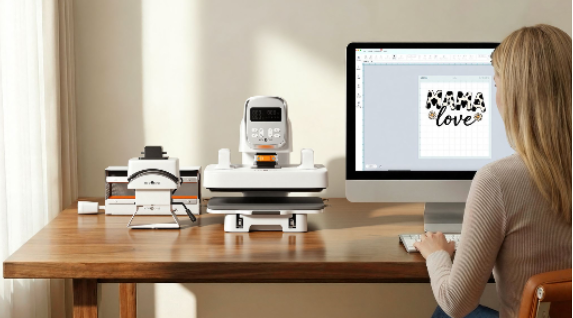
These small setups are often powered by a combination of heat transfer tools, vinyl materials, and compact printing systems. Despite their size, they are capable of producing high-quality products that compete with larger brands.
Even more interesting is that customers often prefer buying from these small businesses.There’s a sense of connection and authenticity that large-scale production can’t replicate.
Supporting a small creator feels more personal, and that emotional connection plays a big role in purchasing decisions.
Social Media Redefined “Good Design”
In the past, good design focused mainly on aesthetics and functionality. Today, there’s an additional layer—shareability.Apparel is no longer just worn; it’s showcased.
Designs now need to:
- Grab attention instantly in a crowded feed
- Look dynamic in videos and reels
- Reflect personality or emotion
- Encourage users to share content
Glitter and textured designs naturally perform well in this environment. When light hits a glitter element or a layered design moves with the fabric, it creates a visually engaging effect that stands out on camera.
This is why many creators prioritize designs that are not only stylish in real life but also visually compelling online.
Creativity Over Mass Production
The modern creator economy rewards originality more than volume. Unlike traditional retail, success is no longer defined by how many units you produce—it’s about how unique and engaging your products are.
Small apparel brands thrive by:
- Launching limited-edition collections
- Testing new ideas frequently
- Adapting quickly to trends
- Building a loyal online communityThis approach reduces risk while increasing engagement. Customers feel more connected to brands that are constantly evolving and experimenting.
Heat transfers and DTF printing support this model perfectly by allowing creators to produce small batches without compromising quality.
The Future of Custom Apparel
Looking ahead, the custom apparel industry is likely to become even more personalized and technology-driven. As tools continue to improve, creators will have even more freedom to bring their ideas to life.
We can expect to see:
- More advanced printing techniques
- Greater use of mixed materials and textures
- Increased focus on sustainability and small-batch production
- Stronger connections between creators and their audiences
Final Thoughts
Custom apparel is no longer just about printing designs on clothing—it’s about storytelling, creativity, and self-expression. The rise of tools like heat transfers, Glitter HTV, and best dtf printer has empowered small creators to produce designs that feel unique, personal, and visually exciting.
What once required large factories and significant investment can now be achieved in small home studios with the right tools and creative vision.
In a world driven by individuality and online presence, sparkly, expressive apparel isn’t just a trend—it’s a reflection of how people want to be seen and remembered.

