


Why is the roof of my mouth sore? This is a common question when eating, drinking, or even talking suddenly feels uncomfortable.
The roof of your mouth, made up of the hard and soft palate, can become sore from something as simple as a pizza burn or as complex as an infection or nutrient deficiency.
Most cases heal within a few days without treatment, but some causes need medical attention.
Understanding the Roof of Your Mouth
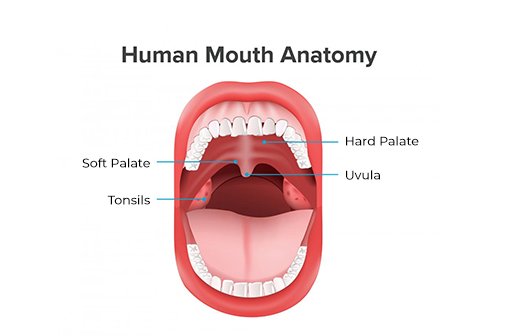
The roof of your mouth is made up of two distinct sections that work together during eating and speaking.
The hard palate is the bony front section you can feel with your tongue. It separates your mouth from your nasal passages.
The soft palate is the tissue at the back of the mouth. It moves during swallowing to keep food from entering your nasal cavity.
Knowing which part hurts can help you and your doctor narrow down the cause faster.
Roof of Mouth Anatomy at a Glance
| Structure | Location | Function |
|---|---|---|
| Hard palate | Front, bony area | Separates mouth from nasal cavity |
| Soft palate | Back, soft tissue | Assists swallowing, prevents food entering nose |
Common Causes of a Sore Roof of the Mouth
A sore palate can stem from many different sources, ranging from everyday irritation to underlying health conditions.
Burns from Hot Food or Drinks
One of the most familiar causes is a burn from hot food, often called “pizza palate” or “pizza burn.”
Hot cheese, coffee, soup, or tea can scald the delicate tissue on the roof of your mouth almost instantly.
This usually causes redness, peeling, or small blisters, along with a tender feeling that lingers for a few days.
Letting hot foods and drinks cool slightly before eating is the simplest way to prevent this common injury.
Cuts and Physical Trauma
Sharp, crunchy foods like chips, crackers, or toast can scratch or cut the roof of your mouth while eating.
Ill-fitting dentures, braces, retainers, or mouthguards can also rub against the palate and cause ongoing irritation.
Most minor cuts heal on their own within a few days without needing any special treatment.
Canker Sores
Canker sores, also called aphthous ulcers, are small, shallow lesions with a white or yellow center and a red border.
They aren’t contagious, but they can make eating spicy or acidic foods quite painful for up to two weeks.
Triggers often include stress, hormonal changes, minor injuries, and certain medications.
Cold Sores
Cold sores, or fever blisters, are caused by the herpes simplex virus and are contagious, unlike canker sores.
While they usually appear on the lips, they can sometimes develop on the roof of the mouth as well.
A tingling or burning sensation often shows up before the blister itself becomes visible.
Oral Thrush
Oral thrush is a yeast infection caused by an overgrowth of candida in the mouth.
It appears as creamy white or pale-yellow patches on the roof of the mouth, tongue, or throat.
Thrush can cause soreness, cracked lips, and a change in taste, and it typically requires antifungal medication to clear.
Sinus Infections
A sinus infection can create pressure that radiates into the roof of your mouth and upper jaw.
This type of soreness is usually accompanied by nasal congestion, facial pressure, or a headache.
Treating the underlying sinus infection generally resolves the palate discomfort as well.
Allergies
Seasonal allergies or food allergies can inflame the soft tissues in your mouth, including the palate.
Common triggers include pollen, dust, pet dander, and certain foods that cause a mild allergic reaction.
Antihistamines and avoiding known triggers can help calm this type of irritation.
Burning Mouth Syndrome
Burning mouth syndrome causes a burning sensation on the palate without any visible sores or lesions.
It’s often linked to nerve changes, hormonal shifts, or vitamin deficiencies, and it can be frustrating to diagnose.
Treatment focuses on managing the underlying trigger, since there isn’t a single universal cure.
Nutritional Deficiencies
A lack of vitamin B12, folate, iron, or vitamin C can make the mouth’s tissue more prone to soreness and sores.
Some people with B12 deficiency also notice a swollen or painful tongue alongside palate discomfort.
Correcting the deficiency through diet or supplements often improves symptoms over time.
Oral Fibromas and Warts
Oral fibromas are noncancerous lumps that form after repeated irritation, like frequent canker sores or friction from dental appliances.
Squamous papillomas, or warts, are also generally painless unless irritated by chewing or biting.
Neither typically requires treatment unless they cause ongoing discomfort.
Causes and Typical Treatments Table
| Cause | Common Symptoms | Typical Treatment |
|---|---|---|
| Burns (pizza palate) | Redness, peeling, tenderness | Cold compress, avoid hot foods |
| Canker sores | White/yellow ulcer, red border | Saltwater rinse, topical gel |
| Cold sores | Tingling, blisters, contagious | Antiviral medication |
| Oral thrush | Creamy white patches, taste change | Antifungal medication |
| Sinus infection | Pressure, congestion, headache | Treat underlying sinus issue |
| Allergies | Itching, mild swelling | Antihistamines, avoid triggers |
| Nutritional deficiency | Recurrent soreness, tongue pain | Vitamin supplementation |
When Palate Pain Signals Something Serious

Most cases of a sore roof of the mouth are harmless and resolve within a week. However, some symptoms warrant closer attention.
Warning Signs to Watch For
- Severe pain that doesn’t improve with home care
- Sores or lesions lasting longer than two weeks
- Unexplained lumps or thickened patches
- Persistent numbness or a change in taste
- Bleeding that doesn’t stop
- Unintended weight loss alongside mouth pain
If any of these symptoms appear, especially sores that don’t heal, it’s important to see a dentist or doctor promptly.
Palate Pain and Oral Cancer
Rarely, ongoing palate pain can be an early sign of oral cancer, particularly if a sore doesn’t heal within two weeks.
Other warning signs include mouth pain that persists, unusual lumps, or patches that change in color or texture.
Early evaluation greatly improves outcomes, so don’t ignore symptoms that linger beyond two weeks.
Home Remedies for a Sore Palate
Many mild cases of palate soreness can be managed effectively at home without needing a prescription.
Saltwater Rinse
Mix half a teaspoon of salt into a cup of warm water and rinse your mouth several times a day.
This simple remedy helps reduce inflammation and supports faster healing of minor sores and burns.
Cold Compress or Ice
Applying a cold compress, or gently sucking on ice chips, can numb the area and reduce swelling.
Avoid placing ice directly on a fresh burn, since extreme cold can sometimes worsen tissue sensitivity.
Topical Pain Relief
Over-the-counter gels containing benzocaine can numb the sore area temporarily, making eating more comfortable.
Medicated mouthwashes are also useful for soothing burns, cuts, and general palate irritation.
Dietary Adjustments
Avoid spicy, acidic, salty, or crunchy foods while your palate heals, since these can worsen irritation.
Choose soft, cool foods like yogurt, mashed potatoes, or smoothies until the soreness subsides.
Staying Hydrated
Drinking plenty of water keeps your mouth’s tissues moist and supports the natural healing process.
Dehydration reduces saliva production, which can make existing soreness feel worse.
Medical Treatments for Persistent Palate Pain
When home remedies aren’t enough, a dentist or doctor may recommend more targeted treatment options.
Antifungal Medications
If oral thrush is the cause, a prescription antifungal medication is typically needed to clear the infection.
Left untreated, thrush can spread and lead to more serious complications, especially in adults.
Antiviral Medications
Cold sores caused by the herpes simplex virus often respond well to prescription or over-the-counter antiviral treatments.
Early treatment shortens the duration of the outbreak and reduces the risk of spreading the virus.
Steroid Prescriptions
For severe canker sores or significant inflammation, a doctor may prescribe a topical or oral steroid.
Steroids help reduce swelling and speed up the healing of stubborn mouth sores.
Antibiotics
If a bacterial infection is contributing to palate soreness, your doctor may prescribe antibiotics to clear it up.
This is more common when gum disease or a dental abscess is involved.
Preventing Future Palate Soreness

A few simple habits can significantly lower your chances of dealing with a sore palate again.
Let Food Cool First
Allowing hot food and drinks to cool for a minute or two prevents the most common cause of palate burns.
Avoid Sharp, Crunchy Foods When Healing
Chips, crackers, and toast can scratch a healing palate, so opt for softer foods during recovery.
Maintain Good Oral Hygiene
Regular brushing, flossing, and dental checkups reduce your risk of infections that can affect the palate.
Address Nutritional Gaps
Eating a balanced diet rich in vitamin B12, iron, and folate helps keep your mouth’s tissues healthy and resilient.
Avoid Smoking
Smoking irritates the soft tissues of the mouth and increases the risk of developing sores and infections.
Frequently Asked Questions (FAQs)
Why is the roof of my mouth sore for no reason?
It’s often caused by an unnoticed minor injury, allergy, or vitamin deficiency. Burning mouth syndrome can also cause soreness without visible sores.
How long does a sore roof of the mouth usually last?
Most cases from burns or minor irritation heal within three to seven days. Sores lasting longer than two weeks need evaluation.
Can a sinus infection cause my palate to hurt?
Yes, sinus pressure and inflammation can radiate into the roof of the mouth, causing noticeable discomfort near the upper jaw.
Is a sore roof of the mouth a sign of cancer?
Rarely. But sores or lumps that don’t heal within two weeks should be checked by a professional to rule out oral cancer.
What foods should I avoid with a sore palate?
Avoid spicy, acidic, salty, and crunchy foods, since they can irritate the sensitive tissue further while it heals.
Can stress cause soreness on the roof of my mouth?
Yes, stress is a known trigger for canker sores, which frequently develop on the roof of the mouth.
Does dehydration make palate soreness worse?
Yes, low hydration reduces saliva production, leaving your mouth’s tissue drier and more prone to irritation.
When should I see a dentist for a sore palate?
See a dentist if the pain is severe, lasts more than two weeks, or comes with bleeding, lumps, or numbness.
Can vitamin deficiencies cause a sore roof of the mouth?
Yes, low levels of B12, folate, iron, or vitamin C can make your mouth’s tissue more prone to soreness and sores.
Is oral thrush a serious cause of palate soreness?
It can be, especially in adults, since untreated thrush may lead to a more serious infection requiring antifungal treatment.
Conclusion
A sore roof of the mouth is usually caused by something minor, like a hot food burn, a scratch from crunchy food, or a canker sore.
These cases typically heal within a week with simple home care, such as saltwater rinses, cold compresses, and avoiding irritating foods.
However, soreness linked to infections like oral thrush, ongoing sinus issues, or vitamin deficiencies may need targeted treatment to fully resolve.
Pay close attention to how long the soreness lasts and whether other symptoms, like lumps, bleeding, or numbness, appear alongside it.
If your discomfort persists beyond two weeks or worsens despite home remedies, it’s best to see a dentist or doctor. Getting the right diagnosis early makes treatment easier and helps protect your long-term oral health.


