


Why is my underwear always wet is a question more people ask than ever admit out loud.
If you regularly notice dampness in your underwear throughout the day, you are far from alone — and in most cases, far from having a serious problem.
Wetness in the genital area has several possible causes, ranging from completely normal vaginal discharge and natural sweating to hormonal shifts, mild infections, and bladder leaks.
Knowing the difference between what is normal and what needs a doctor’s attention can save you unnecessary anxiety and help you take action when it genuinely matters.
Is It Normal for Underwear to Always Feel Wet?

The short answer is: yes, for most people, some degree of moisture is completely normal.
The vagina is a self-cleaning organ. It produces fluid continuously to flush out dead cells, maintain pH balance, and protect against infection. This discharge lands in your underwear throughout the day, often creating a feeling of dampness that has nothing to do with illness or poor hygiene.
However, the amount, color, consistency, and smell of that moisture can tell you a great deal about what is going on in your body.
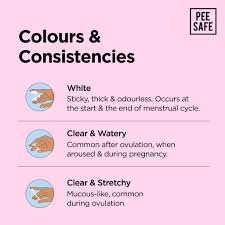
What Normal Vaginal Discharge Looks and Feels Like
Normal discharge is clear to milky white, odorless or very mildly scented, and ranges from watery to stretchy depending on where you are in your menstrual cycle.
Does not cause itching, burning, or irritation. It does not have a strong, foul, or fishy odor. It may increase around ovulation, before a period, during pregnancy, or when you are sexually aroused.
A small amount of daily moisture in your underwear from discharge is not a health concern. It is simply your body working as it should.
Cause 1: Normal Vaginal Discharge
Vaginal discharge is the single most common reason underwear feels wet throughout the day.
Glands inside the vagina and cervix produce this fluid constantly. Its job is to keep the vaginal environment clean, maintain the right pH level, and prevent harmful bacteria from taking hold. Without it, the vagina would be vulnerable to infection.
How Discharge Changes Through Your Cycle
The amount and texture of discharge shifts predictably throughout the menstrual cycle.
| Cycle Phase | Discharge Appearance | Amount |
|---|---|---|
| Menstruation | Blood-tinged or pink | Varies |
| Post-period | Dry or minimal | Low |
| Pre-ovulation | Creamy, white, or cloudy | Moderate |
| Ovulation | Clear, stretchy, like raw egg white | High |
| Post-ovulation | Thicker, white or cloudy | Moderate |
| Pre-period | Heavier, may be yellowish | Moderate to high |
If your underwear is wetter at certain points in your cycle — especially around ovulation — that is entirely expected and reflects healthy hormonal function.
Cause 2: Sexual Arousal
Sexual arousal triggers a distinct type of vaginal fluid produced by the Bartholin glands.
These glands, located at the vaginal opening, release lubrication in response to physical or psychological arousal. The fluid is typically clearer and slicker than regular discharge and can appear without warning — during exercise, while reading, or in response to a thought or memory.
This is a completely normal physiological response and does not indicate anything unusual about your health or hygiene.
Arousal Fluid vs. Regular Discharge
Arousal fluid tends to appear more suddenly and feel wetter and more slippery. Regular discharge is more gradual, more consistent, and varies with your cycle rather than your emotional or physical state.
Both are healthy. Neither requires treatment.
Cause 3: Sweating in the Genital Area
Sweating around the vulva and groin is extremely common and is one of the most overlooked reasons underwear stays wet.
The groin has a high concentration of sweat glands. Heat, physical activity, tight clothing, and synthetic underwear fabrics all increase sweat production in this area. On warm days or during workouts, sweating alone can make underwear feel significantly damp.
The Fabric Problem
Non-breathable synthetic fabrics — nylon, polyester, spandex — trap heat and moisture against the skin instead of allowing it to evaporate. This turns normal sweat into persistent, uncomfortable dampness.
Switching to breathable cotton underwear is one of the most effective changes you can make if sweating is your primary cause of wetness.
Cause 4: Hormonal Changes
Hormonal shifts are one of the most significant drivers of changes in vaginal moisture and discharge volume.
Estrogen and progesterone regulate how much fluid the vaginal glands produce. When these hormones fluctuate — during puberty, pregnancy, the menstrual cycle, perimenopause, or due to hormonal birth control — discharge levels change noticeably.
Pregnancy and Increased Discharge
Pregnancy dramatically increases vaginal discharge in most people. This is a healthy, protective response — the body produces more fluid to shield the birth canal from infection during this vulnerable period.
The discharge during pregnancy is typically white or clear and odorless. An increase in volume alone during pregnancy is not a reason for concern.
Perimenopause and Changing Moisture
During perimenopause, declining estrogen levels cause changes in vaginal moisture that can go in either direction — some people experience more discharge due to fluctuating hormones, while others experience dryness.
Hormonal birth control also affects discharge. Some people notice more moisture on the pill, while others experience less.
Cause 5: Bacterial Vaginosis (BV)
Bacterial vaginosis is the most common vaginal infection in women of reproductive age, and it is a frequent cause of unusually wet underwear.
BV occurs when the balance of bacteria in the vaginal microbiome shifts. Harmful anaerobic bacteria overgrow while the healthy lactobacillus bacteria that normally dominate the vaginal environment decline.
What BV Discharge Looks and Smells Like
BV produces a thin, watery, gray or off-white discharge with a characteristic fishy odor. The smell is often most noticeable after sex.
BV does not always cause discomfort. Many people with BV have no symptoms beyond the change in discharge. This makes it easy to miss without medical testing.
What Causes BV
| BV Trigger | Explanation |
|---|---|
| Non-cotton underwear | Synthetic fabrics raise vaginal pH and harm lactobacillus bacteria |
| Douching | Disrupts the natural vaginal microbiome |
| New or multiple sexual partners | Introduces new bacteria to the vaginal environment |
| Antibiotics | Kill beneficial bacteria alongside harmful ones |
| Hormonal changes | Estrogen fluctuations affect bacterial balance |
| Scented hygiene products | Fragrances alter vaginal pH |
BV is treated with antibiotics, prescribed as oral tablets or vaginal gel. It is not a sexually transmitted infection, though sexual activity can influence it.
Cause 6: Yeast Infection (Candidiasis)
A yeast infection develops when Candida — a fungus normally present in small amounts in the vagina — overgrows and disrupts the vaginal microbiome.
Yeast infections produce a thick, white discharge often described as resembling cottage cheese. Unlike BV, yeast infection discharge is typically odorless but is associated with intense itching, burning, and irritation around the vulva.
What Triggers a Yeast Infection
Antibiotics are among the most common triggers. They kill the healthy bacteria that keep Candida in check, allowing yeast to proliferate. Other common triggers include pregnancy, uncontrolled diabetes, a weakened immune system, hormonal birth control, and wearing non-breathable synthetic underwear.
Treatment
Most uncomplicated yeast infections respond to over-the-counter antifungal creams or suppositories within three to seven days. Recurring yeast infections — defined as four or more per year — require prescription oral antifungal treatment and further investigation.
Cause 7: Urinary Incontinence and Bladder Leaks
If your underwear always feels wet and the moisture seems to occur when you cough, sneeze, laugh, exercise, or feel a sudden urgent need to urinate, bladder leaks may be the cause.
Urinary incontinence is far more common than most people realize. Millions of women experience it, particularly after childbirth, during perimenopause, or with age. It is not something to feel embarrassed about, and it is highly treatable.
Types of Urinary Incontinence That Cause Wet Underwear
| Type | Trigger | Common Cause |
|---|---|---|
| Stress incontinence | Coughing, sneezing, jumping, laughing | Weakened pelvic floor muscles |
| Urge incontinence | Sudden, intense need to urinate | Overactive bladder |
| Mixed incontinence | Combination of stress and urge triggers | Combination of causes |
| Overflow incontinence | Constant dribbling, bladder doesn’t empty fully | Nerve damage, obstruction |
How to Tell Urine From Discharge
Urine tends to feel warm when it appears, has a distinct ammonia-like smell, and often appears as a more significant wet patch. Discharge is typically cooler, milky or clear, and dries to leave a yellowish stain on underwear fabric.
If you are unsure, a pad test can help — wearing a panty liner and noting the color, smell, and feel of the moisture over a few hours often clarifies the source.
Cause 8: Sexually Transmitted Infections (STIs)
Some STIs cause changes in vaginal discharge that can make underwear feel wetter or produce unusual moisture.
Trichomoniasis typically causes a yellowish or greenish, frothy discharge with a strong odor and is accompanied by irritation and redness. Chlamydia and gonorrhea can produce heavier, yellowish discharge, though many people have no symptoms at all.
When STIs Should Be Suspected
If you notice wet underwear accompanied by discharge that is yellow, green, or gray, combined with pelvic pain, unusual odor, or burning during urination — especially following a new or unprotected sexual encounter — STI testing is warranted.
STIs are treated effectively with antibiotics when caught early. Untreated, they can cause serious reproductive health complications.
Cause 9: Stress and Emotional Triggers
Emotional stress has a direct physiological effect on the body, including on vaginal discharge levels.
Stress elevates cortisol, which disrupts hormonal balance and can increase discharge production. Anxiety activates the sympathetic nervous system, which increases sweat gland activity throughout the body — including in the groin.
Many people notice their underwear is wetter during high-stress periods such as exams, work deadlines, or emotional upheaval, without any infection being present.
Managing stress through exercise, sleep, and relaxation practices can reduce these physical symptoms over time.
Cause 10: Diet, Hydration, and Lifestyle Factors
What you eat and drink affects the composition of sweat and vaginal secretions in ways most people underestimate.
High consumption of spicy foods, caffeine, and alcohol tends to increase sweating. A diet high in sugar can encourage yeast overgrowth in susceptible individuals. Dehydration concentrates bodily fluids, potentially affecting odor and consistency of discharge.
Maintaining good hydration, reducing processed food, and moderating caffeine and alcohol intake supports overall vaginal health and can reduce uncomfortable dampness.
When Is Wet Underwear a Warning Sign?
Most causes of wet underwear are harmless. But certain changes in the moisture you experience signal that something needs medical attention.
Seek care if you notice any of the following alongside wet underwear.
| Warning Sign | Possible Cause |
|---|---|
| Yellow, green, or gray discharge | BV, STI (trichomoniasis, chlamydia, gonorrhea) |
| Thick, white, cottage cheese texture | Yeast infection |
| Strong fishy odor, especially after sex | Bacterial vaginosis |
| Itching, burning, or swelling of the vulva | Yeast infection, BV, or STI |
| Pelvic pain or pain during urination | UTI, STI, or pelvic inflammatory disease |
| Wetness after coughing, sneezing, or exercise | Urinary incontinence |
| Persistent wetness after menopause | Atrophic vaginitis or UTI |
| Blood-tinged discharge outside of period | Possible cervical or uterine issue |
A change that is new, persistent, or accompanied by discomfort is always worth discussing with a healthcare provider.
Best Underwear Choices to Reduce Dampness
Fabric and fit play a larger role in genital moisture than most people expect.
Cotton is the gold standard. It is breathable, moisture-absorbing, and naturally hypoallergenic. According to dermatologists and gynecologists, 100% cotton underwear is the best choice for people who experience persistent dampness or recurring vaginal infections.
Synthetic fabrics like nylon, polyester, and spandex trap heat and moisture. They raise the temperature and humidity around the vulva, creating conditions where bacteria and yeast thrive.
Practical Underwear Tips
Change underwear daily, and change again after workouts or heavy sweating. Avoid tight-fitting styles that reduce airflow. Wash underwear in unscented, gentle detergent without fabric softeners, which leave residue that can irritate sensitive tissue. If dampness is persistent and uncomfortable during the day, moisture-wicking or period underwear designed for light discharge absorption can provide extra comfort without irritating the skin.
Hygiene Habits That Help — and Habits to Avoid
Good genital hygiene reduces moisture-related discomfort without disrupting the vaginal microbiome.
Wash the external vulva area once daily with warm water. A mild, unscented soap can be used on the external skin only — never inside the vagina. The vagina is self-cleaning and introducing products inside disrupts the healthy bacterial environment.
What to Avoid
Douching is one of the most harmful hygiene practices for vaginal health. It washes away the beneficial lactobacillus bacteria and raises vaginal pH, making BV and yeast infections significantly more likely.
Scented sprays, perfumed wipes, scented panty liners, and heavily fragranced soaps around the genitals all carry similar risks. They may temporarily mask odor but damage the conditions that naturally prevent infection.
Discharge Color Guide: What Each Color Means
The color of vaginal discharge is one of the most useful diagnostic indicators. Here is a quick reference.
| Discharge Color | Most Likely Meaning | Action Needed |
|---|---|---|
| Clear and watery | Normal; may increase at ovulation | None |
| White, milky, odorless | Normal discharge | None |
| White, thick, cottage cheese texture | Yeast infection | Antifungal treatment |
| Gray or off-white with fishy odor | Bacterial vaginosis | See a doctor |
| Yellow or green | STI (trichomoniasis, chlamydia, gonorrhea) | See a doctor urgently |
| Brown or pink | Spotting near period or ovulation; rarely cervical issue | Monitor; see a doctor if persistent |
| Blood-tinged outside of period | Possible hormonal or uterine issue | See a doctor |
Pelvic Floor Exercises for Bladder Leaks
If bladder leaks are contributing to wet underwear, strengthening the pelvic floor muscles is one of the most evidence-backed interventions available.
Kegel exercises work by contracting and releasing the pelvic floor muscles repeatedly. These are the same muscles used to stop urine midstream.
To perform a Kegel: tighten the pelvic floor muscles, hold for 5 seconds, then release for 5 seconds. Repeat 10–15 times, three times per day. Results typically appear within 6–12 weeks of consistent practice.
A pelvic floor physiotherapist can provide a personalized program for people with more significant symptoms of stress or urge incontinence.
Frequently Asked Questions (FAQs)
Why is my underwear always wet even though I shower regularly?
Wetness in your underwear is mostly from vaginal discharge and sweat, not lack of cleanliness. Regular bathing does not stop the body from producing discharge, which is continuous and healthy. Showering regularly is correct — it just does not prevent normal daily moisture.
Is it normal to have wet underwear every single day?
Yes, for most people it is completely normal. Vaginal discharge is produced constantly and is a sign of a healthy, self-cleaning vagina. The amount varies by cycle phase, hormonal status, and activity level, but daily dampness is expected.
How do I know if my wet underwear is discharge or urine?
Urine typically feels warm when it appears and smells like ammonia. Discharge is usually cooler, white or clear, and dries to a yellowish stain. Wearing a panty liner and noting the color, smell, and timing of the moisture can help you identify the source.
Can stress make my underwear wetter?
Yes. Stress elevates cortisol and disrupts hormonal balance, which can increase vaginal discharge. Stress also activates sweat glands throughout the body, including in the groin, contributing to dampness.
What type of underwear is best for reducing wetness?
100% cotton underwear is recommended by gynecologists and dermatologists. Cotton breathes, absorbs moisture, and does not trap heat the way synthetic fabrics do. Avoiding tight styles and changing underwear after exercise also helps.
Could wet underwear be a sign of a yeast infection?
It could be. Yeast infections cause a thick, white, odorless discharge that resembles cottage cheese, usually accompanied by intense itching and burning. If the wetness has this texture and comes with discomfort, an antifungal treatment is likely needed.
Can hormonal birth control change how wet my underwear gets?
Yes. Hormonal birth control alters estrogen and progesterone levels, which directly affects discharge volume and consistency. Some people notice more discharge on the pill or with hormonal IUDs; others experience less.
Is bacterial vaginosis the same as a yeast infection?
No. BV is caused by a bacterial imbalance and produces thin, gray discharge with a fishy odor. Yeast infections are caused by Candida overgrowth and produce thick, white, odorless discharge with itching. They require different treatments — antibiotics for BV, antifungals for yeast.
Should I use panty liners every day for wet underwear?
Panty liners can reduce discomfort from discharge, but they are not ideal for daily long-term use. Daily liner use can reduce breathability and cause irritation to sensitive skin. Switching to better-quality cotton underwear is a healthier first step.
When should I see a doctor about wet underwear?
See a doctor if the wetness is accompanied by unusual color (yellow, green, gray), a strong or fishy odor, itching, burning, pelvic pain, or if you suspect bladder leaks during activity. Any new, persistent, or worsening change in your normal discharge pattern deserves professional evaluation.
Conclusion
Why is my underwear always wet has many possible answers, and the vast majority of them are not causes for alarm.
Normal vaginal discharge, sweating, hormonal changes, and arousal fluid all produce daily moisture in the underwear — and all are signs of a healthy, functioning body.
The situations that genuinely require medical attention are usually accompanied by other clear signals: unusual color, strong odor, itching, burning, or leaking connected to physical activity.
Pay attention to what is normal for your body across your cycle and be alert to changes rather than constant moisture itself.
Wear breathable cotton underwear, avoid harsh hygiene products inside the vagina, stay hydrated, and manage stress where possible.
When something feels different or wrong, see a healthcare provider.
Most of the time, however, wet underwear is simply your body doing exactly what it is designed to do.


