



Why does my burp taste like eggs is a question most people are too embarrassed to ask out loud but urgently want answered.
That unmistakable rotten egg taste and smell during a burp is caused by hydrogen sulfide gas building up in your digestive tract.
It happens when gut bacteria break down sulfur-containing compounds from food or when an underlying digestive condition disrupts normal gas production.
The occasional egg-tasting burp is usually harmless. But when it becomes frequent, or arrives alongside bloating, diarrhea, or stomach pain, it can signal something that needs attention.
What Exactly Is a Sulfur Burp?
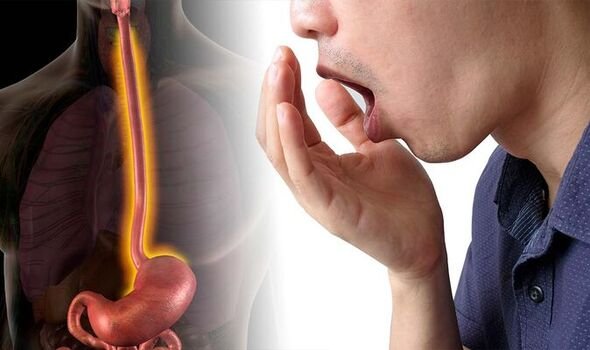
A sulfur burp, also called an egg burp or rotten egg burp, is a belch that carries a strong smell and taste of hydrogen sulfide gas. Normal burps are simply swallowed air escaping back up through the esophagus.
Sulfur burps are different. The gas involved is hydrogen sulfide (H2S), a compound produced when bacteria in your gut break down proteins and sulfur-containing foods. That gas has the same chemical signature as rotten eggs.
On average, the human body passes gas between 13 and 21 times per day through burping and flatulence combined. Most of that gas is odorless. When sulfur enters the equation, the odor becomes impossible to ignore.
Why Does Hydrogen Sulfide Cause That Egg Taste?
Hydrogen sulfide is a colorless gas with a very distinctive smell and taste. Even in tiny concentrations, it registers strongly on human sensory receptors.
Your gut naturally produces small amounts of hydrogen sulfide as a byproduct of digestion. The problem arises when production increases beyond normal levels, which happens when you eat high-sulfur foods, digest slowly, have an imbalance in gut bacteria, or deal with certain infections or digestive conditions.
When that excess gas travels up through the esophagus and out through your mouth as a burp, you get the full sulfur experience, both smell and taste.
Main Causes of Burps That Taste Like Eggs
Understanding the root cause is the most important step toward fixing the problem. The causes range from completely benign dietary choices to conditions that need medical treatment.
High-Sulfur Foods in Your Diet
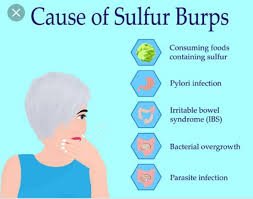
The most common and least concerning cause of egg-tasting burps is simply eating foods that are naturally high in sulfur. When gut bacteria break these foods down, hydrogen sulfide is released as a byproduct.
High-sulfur foods are nutritious and important to overall health, which is why you cannot and should not eliminate them entirely. But eating large amounts in a single sitting can trigger a wave of sulfur burps for hours afterward.
Common high-sulfur foods include eggs, red meat, poultry, fish, garlic, onions, leeks, chives, broccoli, cauliflower, cabbage, Brussels sprouts, kale, dairy products, and whole grains. Legumes like lentils and beans are also significant sulfur contributors.
Eating Too Fast and Swallowing Air
Eating quickly causes you to swallow more air along with your food. That excess air gets trapped in the stomach and esophagus, increasing the amount of gas that needs to be released.
When this rapid eating also involves high-sulfur foods, the result is a perfect storm of excess gas and hydrogen sulfide production. Slowing down at meals is one of the simplest and most effective ways to reduce sulfur burps.
Carbonated drinks add another layer of the problem. They introduce large amounts of carbon dioxide gas into the stomach, which mixes with digestive gases and makes burping more frequent.
Slow Gastric Emptying (Gastroparesis)
Gastroparesis is a condition in which the stomach empties more slowly than normal. Food sits in the stomach for an extended period, giving gut bacteria more time to ferment it and produce hydrogen sulfide.
This prolonged fermentation dramatically increases sulfur gas production. People with gastroparesis often experience frequent, foul-smelling burps alongside nausea, bloating, and a feeling of fullness long after eating.
Gastroparesis can be caused by diabetes, certain medications, vagus nerve damage, or other underlying conditions. It requires medical evaluation and specific treatment.
Acid Reflux and GERD
Gastroesophageal reflux disease, commonly known as GERD or acid reflux, occurs when stomach acid and stomach contents flow back up into the esophagus. Along with that acid comes the gas from your stomach, including any hydrogen sulfide present.
The result is a burp that carries both the burning sensation of acid and the rotten egg taste of sulfur. Frequent acid reflux can also cause bad breath, chest discomfort, and enamel erosion on the teeth over time.
GERD is one of the most common digestive conditions in adults and often co-occurs with other symptoms that make egg-tasting burps more frequent and more intense.
H. Pylori Bacterial Infection
Helicobacter pylori, commonly written as H. pylori, is a bacterium that lives in the stomach lining. It is estimated that roughly half of the world’s population carries this bacterium, though many people never develop symptoms.
When H. pylori does cause symptoms, it disrupts the normal balance of the stomach environment and produces excess gas, including hydrogen sulfide. This leads directly to sulfur burps alongside other symptoms like nausea, bloating, abdominal pain, and heartburn.
If left untreated, H. pylori can cause stomach ulcers and has been linked to an increased risk of stomach cancer. It is diagnosed through breath tests, blood tests, stool tests, or endoscopy and treated with a combination of antibiotics and proton pump inhibitors.
SIBO (Small Intestinal Bacterial Overgrowth)
SIBO occurs when bacteria that normally live in the large intestine migrate into and colonize the small intestine in excessive numbers. These bacteria then ferment food in a part of the digestive tract where fermentation should not be happening.
The fermentation process generates large amounts of hydrogen sulfide and other gases. The result is chronic sulfur burps, significant bloating, abdominal discomfort, diarrhea, and in severe cases, malabsorption of nutrients leading to deficiencies.
SIBO is diagnosed through breath testing and treated with specific antibiotics like rifaximin, alongside dietary modifications that limit the fermentable foods that feed the overgrown bacteria.
Giardia Infection (Parasitic)
Giardia is a microscopic parasite that infects the intestines, typically through contaminated water or food. It is one of the most common causes of waterborne illness worldwide.
A Giardia infection disrupts the normal balance of gut flora and causes excess hydrogen sulfide production. The classic symptoms are foul-smelling burps, greasy or foul-smelling diarrhea, stomach cramps, bloating, and nausea.
If you have recently traveled to a country with less reliable water sanitation, or consumed water from a natural source, Giardia should be considered as a possible cause of sudden egg-tasting burps. It is diagnosed through stool testing and treated with antiparasitic medications.
Irritable Bowel Syndrome (IBS)
Irritable bowel syndrome is a chronic functional digestive disorder that affects the movement of the intestines. People with IBS often experience altered gut motility, which can lead to both constipation and diarrhea at different times, along with gas and bloating.
The disrupted movement of the digestive tract in IBS creates conditions that favor hydrogen sulfide production. Sulfur burps are a frequently reported symptom among people with IBS, particularly those whose condition is characterized by diarrhea.
Managing IBS typically involves a combination of dietary changes, stress management, and medication tailored to the individual’s specific pattern of symptoms.
Lactose Intolerance
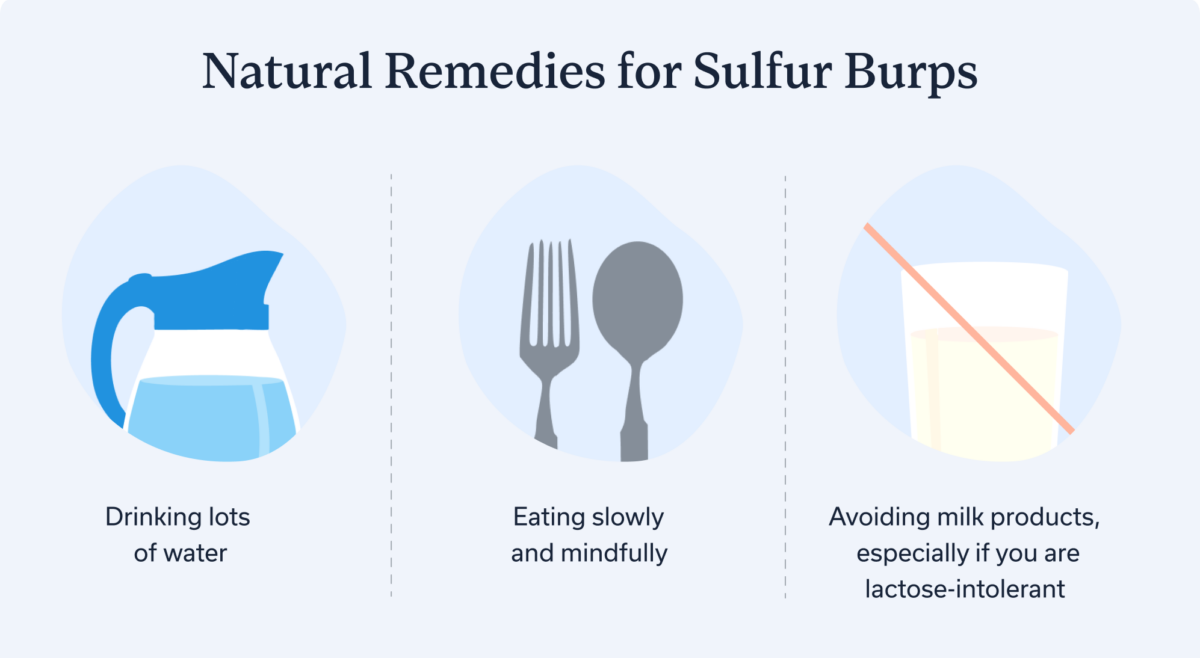
People who are lactose intolerant lack sufficient lactase enzyme to properly digest lactose, the sugar found in dairy products. When undigested lactose reaches the large intestine, gut bacteria ferment it and produce significant amounts of gas, including hydrogen sulfide.
The result is bloating, gas, diarrhea, stomach cramps, and egg-tasting burps after consuming dairy products. Lactose intolerance is extremely common globally and can develop at any age.
Switching to lactose-free dairy products, taking lactase enzyme supplements before dairy consumption, or reducing dairy intake can significantly reduce or eliminate sulfur burps caused by lactose intolerance.
Celiac Disease and Gluten Sensitivity
Celiac disease is an autoimmune condition in which the consumption of gluten triggers an immune response that damages the lining of the small intestine. This damage impairs nutrient absorption and disrupts normal digestion.
Undigested gluten and other food components ferment in the gut, producing excess gas including hydrogen sulfide. Sulfur burps, bloating, diarrhea, and abdominal pain are all common symptoms of celiac disease or non-celiac gluten sensitivity.
A strict gluten-free diet is the primary treatment for celiac disease and typically resolves digestive symptoms including sulfur burps within weeks to months of eliminating gluten.
Medications and Weight Loss Drugs
Several common medications can cause or worsen sulfur burps as a side effect. Certain antibiotics disrupt the normal balance of gut bacteria, leading to increased hydrogen sulfide production.
GLP-1 receptor agonist medications used for type 2 diabetes and weight loss, including semaglutide (Ozempic and Wegovy) and tirzepatide (Mounjaro), slow gastric emptying significantly. This delayed emptying allows gut bacteria more time to ferment food and produce hydrogen sulfide gas.
Clinical trial data shows that burping affects approximately 7 to 9 percent of people using semaglutide at higher doses. Iron supplements and certain protein powders can also disturb gut flora and increase sulfur gas production.
Stress and Anxiety
The gut and the brain are connected through the gut-brain axis, a two-way communication system that means emotional states directly affect digestive function.
Stress and anxiety alter gut motility, change the composition of gut bacteria, and can cause people to eat faster, swallow more air, and make different food choices. All of these factors can contribute to increased sulfur gas production and more frequent egg-tasting burps.
Managing stress through regular exercise, adequate sleep, mindfulness practices, and reducing sources of chronic stress can meaningfully improve digestive symptoms including sulfur burps over time.
Alcohol Consumption
Alcohol disrupts effective digestion in multiple ways. It can trigger acid reflux, alter the balance of gut bacteria, slow gastric emptying, and increase inflammation in the gut lining.
Beer in particular contains significant amounts of sulfur compounds and introduces carbonation into the stomach. Regular or heavy alcohol consumption is a documented contributor to frequent sulfur burps.
Reducing alcohol intake, particularly beer and wine, can produce a noticeable reduction in egg-tasting burps for regular drinkers.
High-Sulfur vs. Low-Sulfur Foods
Understanding which foods trigger sulfur burps and which are safe to eat helps you make targeted dietary adjustments.
| High-Sulfur Foods (Limit) | Low-Sulfur Alternatives |
|---|---|
| Eggs | White rice, plain pasta |
| Garlic and onions | Fresh herbs like basil or parsley |
| Broccoli, cauliflower, cabbage | Cucumber, zucchini, lettuce |
| Red meat and poultry | Plain white fish (in moderation) |
| Dairy products | Lactose-free milk or oat milk |
| Brussels sprouts, kale | Spinach, peas, green beans |
| Beer and wine | Water, herbal teas |
| Legumes and lentils | Plain boiled potatoes, white bread |
| Processed meats | Tofu (in moderation) |
| Whole grains | Plain white rice |
You do not need to eliminate all high-sulfur foods permanently. Identifying your personal triggers and moderating them is the goal.
Symptoms That Accompany Egg-Tasting Burps
Sulfur burps rarely appear in complete isolation. The other symptoms that come with them provide important clues about what is causing them.
| Accompanying Symptom | Likely Cause |
|---|---|
| Bloating and gas | Diet, SIBO, IBS, or food intolerance |
| Diarrhea | Giardia, food poisoning, IBS-D, H. pylori |
| Nausea and vomiting | H. pylori, Giardia, food poisoning, gastroparesis |
| Heartburn or chest burning | GERD or acid reflux |
| Abdominal pain or cramps | IBS, SIBO, infection, celiac disease |
| Fatigue and weight loss | SIBO, celiac disease, serious infection |
| Fever | Active infection such as Giardia or Salmonella |
| Foul-smelling diarrhea | Giardia or other parasitic infection |
| Symptoms after dairy | Lactose intolerance |
| Symptoms after gluten | Celiac disease or gluten sensitivity |
Home Remedies to Get Rid of Egg-Tasting Burps
For mild cases caused by diet or occasional digestive upset, several home remedies can provide meaningful relief.
Warm Saltwater Rinse and Hydration
Staying well-hydrated helps move food and gas through the digestive tract more efficiently. Drinking room-temperature or warm water throughout the day supports normal digestion and dilutes the gut environment that allows hydrogen sulfide-producing bacteria to thrive.
Aim for approximately eight glasses of water spread across the day. Drinking a glass of warm water before meals can also help stimulate digestion and reduce fermentation time.
Herbal Teas
Green tea, ginger tea, peppermint tea, and chamomile tea are all known to support digestion and reduce gas production. Ginger in particular has anti-inflammatory properties and is one of the most evidence-backed natural digestive aids.
Peppermint helps relax the muscles of the gastrointestinal tract, which can ease trapped gas and reduce burping. Chamomile is particularly useful when sulfur burps are linked to stress or anxiety.
Probiotics
Probiotics introduce beneficial bacteria into the gut that compete with hydrogen sulfide-producing bacteria. A balanced gut microbiome naturally produces less hydrogen sulfide.
Probiotic-rich foods include yogurt, kefir, kombucha, sauerkraut, kimchi, and miso. Probiotic supplements are also available and can be particularly helpful after a course of antibiotics that has disrupted gut flora.
Bismuth Subsalicylate (Pepto-Bismol)
Bismuth subsalicylate is the active ingredient in Pepto-Bismol. It chemically binds to hydrogen sulfide gas in the gut and can neutralize the rotten egg odor within 30 to 60 minutes. One study found it reduced hydrogen sulfide release by more than 95 percent.
This is one of the fastest-acting over-the-counter options for acute sulfur burp relief. Take it as directed on the packaging and do not use it long-term without medical guidance.
Simethicone (Gas-X)
Simethicone, the active ingredient in Gas-X and similar products, works by breaking up gas bubbles in the stomach and intestines, making it easier for the body to expel gas with less discomfort and odor.
It does not address the hydrogen sulfide directly but reduces the volume and frequency of burps overall, which lessens the egg-tasting burp experience.
Apple Cider Vinegar
A small amount of apple cider vinegar diluted in water before meals may help stimulate digestive enzyme production and improve the overall efficiency of digestion. Some people find it helpful for reducing post-meal sulfur burps.
Use one to two teaspoons in a glass of water before eating. Do not take it undiluted, as the acidity can damage tooth enamel and irritate the esophagus.
Dietary Adjustments
The most direct and effective home remedy is identifying and reducing your personal dietary triggers. Keep a food diary for one to two weeks, noting what you eat and when sulfur burps appear.
Cut back on high-sulfur foods one category at a time to identify which ones are causing the most significant reaction. Eating smaller meals more frequently also reduces the fermentation load in your stomach at any given time.
Eat Slower and Chew Thoroughly
Eating slowly reduces the amount of air you swallow with food. Chewing each bite thoroughly breaks food into smaller pieces that are easier for digestive enzymes to process, reducing the amount that reaches gut bacteria in an undigested state.
Putting down your utensil between bites and avoiding distractions like phones or screens during meals are simple behavioral changes that meaningfully reduce egg-tasting burps over time.
When Sulfur Burps Are Caused by Ozempic, Wegovy, or Mounjaro
GLP-1 medications have become widely prescribed for type 2 diabetes and weight loss. One of their mechanisms of action is deliberately slowing gastric emptying, which keeps you feeling full longer.
The side effect of this slowed emptying is that food remains in the stomach for an extended period, allowing gut bacteria more time to ferment it and produce hydrogen sulfide. This is why sulfur burps are a commonly reported complaint among people on these medications.
If you are taking a GLP-1 medication and experiencing egg-tasting burps, the following adjustments can help reduce them without stopping your medication.
Avoid high-sulfur foods as much as practical. Eat smaller meals more frequently rather than large meals. Avoid carbonated beverages. Drink plenty of water. Walk for 15 minutes after meals to stimulate peristalsis. Take a probiotic supplement to support gut balance.
Most people find that sulfur burps on GLP-1 medications fade within four to eight weeks as the body adjusts to the medication.
When to See a Doctor
Most sulfur burps are not medically serious. But certain patterns and symptoms indicate that professional evaluation is needed.
See a doctor promptly if sulfur burps are occurring more than three times per week with no clear dietary cause. That frequency suggests an underlying condition rather than a simple food response.
Seek medical advice if egg-tasting burps are accompanied by significant diarrhea, especially if the diarrhea is greasy, foul-smelling, or persistent. This pattern is characteristic of Giardia infection or other parasitic conditions.
Get evaluated if sulfur burps come with unexplained weight loss, fatigue, or nutrient deficiency symptoms. These can indicate celiac disease, SIBO, or other malabsorption conditions.
See a doctor immediately if you develop fever, severe abdominal pain, vomiting, or signs of dehydration alongside your sulfur burps. These indicate an active infection that needs prompt treatment.
People over the age of 50, those with compromised immune systems, pregnant women, and those undergoing chemotherapy should seek earlier medical evaluation rather than managing sulfur burps with home remedies alone.
Medical Treatments for Persistent Egg-Tasting Burps
Treatment depends entirely on the underlying cause. What works for one person may not be appropriate for another.
| Cause | Medical Treatment |
|---|---|
| H. pylori infection | Triple therapy: two antibiotics plus a proton pump inhibitor |
| Giardia infection | Antiparasitic medication (metronidazole or tinidazole) |
| SIBO | Rifaximin antibiotic plus low-FODMAP dietary protocol |
| GERD | Proton pump inhibitors, H2 blockers, dietary and lifestyle changes |
| IBS | Low-FODMAP diet, antispasmodic medications, stress management |
| Gastroparesis | Prokinetic medications, dietary adjustments, managing underlying conditions |
| Celiac disease | Strict gluten-free diet (lifelong) |
| Lactose intolerance | Lactase enzyme supplements, reduced dairy intake |
| GLP-1 medication side effects | Dosage adjustment, dietary modifications, probiotics |
How Long Do Sulfur Burps Last?
The duration of egg-tasting burps depends heavily on the cause. Sulfur burps triggered by a single sulfur-heavy meal typically resolve within a few hours as the stomach empties and digestion moves forward.
Burps caused by a food intolerance reaction usually settle within 24 to 48 hours once the trigger food has passed through the system.
Sulfur burps linked to an infection like Giardia or H. pylori will persist until the infection is treated. Without appropriate medical treatment, these will continue indefinitely and may worsen over time.
Burps from conditions like IBS, GERD, or SIBO will recur regularly until the underlying condition is properly managed through diet, lifestyle changes, and medical treatment.
Prevention Strategies for Egg-Tasting Burps
Consistent daily habits are the most effective long-term prevention strategy.
Eat slowly and deliberately, putting your utensil down between bites and chewing each mouthful thoroughly before swallowing. This single habit reduces swallowed air and improves pre-digestive breakdown of food.
Limit carbonated beverages, particularly with or immediately after meals. The carbon dioxide in fizzy drinks significantly increases burping frequency.
Eat smaller, more frequent meals rather than large ones. Smaller meals reduce the fermentation load in your stomach at any given time and support more efficient gastric emptying.
Maintain good gut bacteria balance through regular probiotic consumption and a varied, fiber-rich diet. A diverse and healthy microbiome naturally limits the overgrowth of hydrogen sulfide-producing bacteria.
Manage stress actively. Chronic stress impairs digestion, alters gut bacteria composition, and promotes behaviors like fast eating that all contribute to sulfur burps.
Get any suspected infections or digestive conditions properly diagnosed and treated. Unmanaged H. pylori, Giardia, or SIBO will continue to cause egg-tasting burps regardless of how well you manage your diet.
Quick Relief vs. Long-Term Fix
| Approach | Best For | Timeframe |
|---|---|---|
| Bismuth subsalicylate (Pepto-Bismol) | Immediate relief from acute sulfur burps | 30–60 minutes |
| Simethicone (Gas-X) | Reducing gas volume quickly | 30–60 minutes |
| Warm water or herbal tea | Mild ongoing relief and digestion support | Within an hour |
| Dietary trigger elimination | Burps caused by specific food sensitivities | Days to weeks |
| Probiotics | Restoring gut bacteria balance | Weeks |
| Treating H. pylori | Infection-driven sulfur burps | 1–2 weeks of antibiotics |
| Treating Giardia | Parasitic infection sulfur burps | 5–10 days of antiparasitic medication |
| Managing GERD | Acid reflux-related burps | Weeks to months |
| SIBO treatment | Bacterial overgrowth burps | Weeks |
Frequently Asked Questions (FAQs)
Why does my burp taste like eggs?
Egg-tasting burps are caused by hydrogen sulfide gas produced when gut bacteria break down sulfur-containing foods or when an underlying digestive condition disrupts normal gas production.
Is it normal for burps to taste like eggs?
Occasional sulfur burps after eating high-sulfur foods like eggs, garlic, or broccoli are completely normal. Frequent or persistent egg burps without an obvious dietary cause may indicate a digestive condition that needs evaluation.
What foods cause egg-tasting burps?
The main dietary triggers are eggs, garlic, onions, broccoli, cauliflower, cabbage, Brussels sprouts, red meat, dairy products, beer, and legumes. All of these are naturally high in sulfur compounds.
How do I get rid of egg burps fast?
Bismuth subsalicylate (Pepto-Bismol) is the fastest option and can neutralize hydrogen sulfide gas within 30 to 60 minutes. Warm ginger or peppermint tea and a short walk after eating can also help quickly.
Can Ozempic or Wegovy cause egg burps?
Yes. GLP-1 medications slow gastric emptying, which gives gut bacteria more time to ferment food and produce hydrogen sulfide. Dietary adjustments and smaller meals can reduce this side effect significantly.
Can stress cause sulfur burps?
Yes. Stress disrupts gut motility, alters gut bacteria balance, and leads to faster eating and more air swallowing. All of these contribute to increased hydrogen sulfide production and more frequent sulfur burps.
Do egg burps mean I have H. pylori?
Not necessarily, but H. pylori infection is a known cause of persistent sulfur burps alongside other symptoms like nausea, bloating, and stomach pain. A doctor can test for H. pylori with a breath, stool, or blood test.
How long do egg-tasting burps last?
Burps from a single high-sulfur meal typically clear up within a few hours. Infection-related sulfur burps will last until the infection is treated. Condition-related burps from GERD, IBS, or SIBO persist until the condition is properly managed.
Can probiotics help with egg burps?
Yes. Probiotics introduce beneficial bacteria that compete with hydrogen sulfide-producing bacteria in the gut. Regular probiotic consumption through food or supplements can meaningfully reduce sulfur burp frequency over time.
When should I see a doctor for egg-tasting burps?
See a doctor if sulfur burps occur more than three times per week without a clear dietary cause, or if they are accompanied by diarrhea, nausea, abdominal pain, unexplained weight loss, fever, or signs of dehydration.
Conclusion
Why does my burp taste like eggs comes down to one key molecule: hydrogen sulfide gas.
Whether it comes from a plate of garlic-heavy pasta, an H. pylori infection lurking in your stomach lining, a disrupted gut microbiome from antibiotics, or a GLP-1 medication slowing your digestion, the mechanism is the same.
Gut bacteria break down sulfur and release a gas that your body expels as a burp, bringing that unmistakable rotten egg taste and smell with it. The good news is that most cases are manageable.
Dietary adjustments, targeted home remedies, and better eating habits resolve the vast majority of sulfur burps without any medical intervention at all.
When the burps are persistent, frequent, or come with serious symptoms like diarrhea, nausea, pain, or fever, it is time to get a proper diagnosis and targeted treatment.
Your digestive system is communicating something. Understanding what it is saying in 2026 has never been easier.


