


Why is my period 5 days late — and should you be worried? A period that is 5 days late is one of the most common concerns women face, and in most cases, it is completely explainable.
Your menstrual cycle is controlled by a delicate balance of hormones, and even small disruptions can push your cycle off schedule.
From stress and weight changes to underlying conditions like PCOS or thyroid issues, there are many reasons your period has not arrived.
Is a Period 5 Days Late Actually “Late”?
Before panicking, it helps to understand what “late” really means for your body.
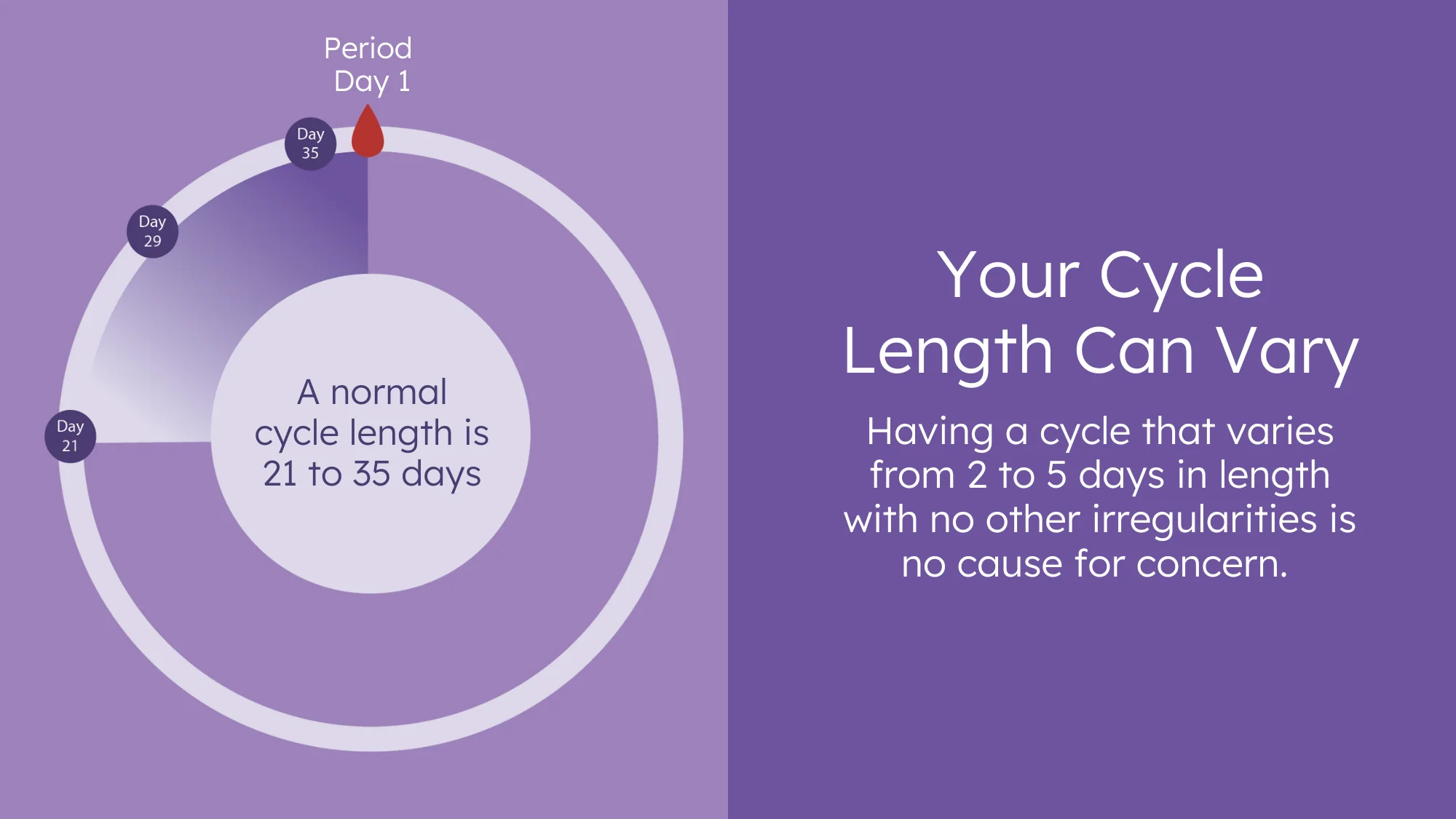
A normal menstrual cycle runs anywhere from 21 to 35 days. If your cycle is naturally irregular, a 5-day variation may be completely within your normal range.
A period is generally considered late when it has not started within 5 to 7 days of your expected date, based on your personal cycle history.
| Cycle Status | Days Beyond Expected Date | What It Usually Means |
|---|---|---|
| Slightly late | 1–5 days | Stress, minor hormonal shift, lifestyle change |
| Moderately late | 6–14 days | Worth monitoring; consider a pregnancy test |
| Significantly late | 15–35 days | Hormonal imbalance, PCOS, thyroid issue possible |
| Very late / missed | 35+ days | Medical evaluation recommended |
If you have had a regular 28-day cycle your whole life and you are now on day 33, your period is 5 days late. That matters. If your cycle normally varies between 25 and 35 days, day 33 is just a normal day.
How the Menstrual Cycle Works
Understanding your cycle helps make sense of why it can go off track.
Menstrual Phase (Day 1–5): Your uterine lining sheds, causing bleeding that typically lasts 3 to 7 days.
Follicular Phase (Day 1–14): Your body prepares for ovulation. Estrogen rises and thickens the uterine lining in preparation for a potential pregnancy.
Ovulation (Around Day 14): An egg is released from the ovary. This is your most fertile window.
Luteal Phase (Day 15–28): Progesterone rises to maintain the uterine lining. If no pregnancy occurs, progesterone drops and your period begins.
A late period most often happens when something disrupts the hormonal communication during the luteal phase or delays ovulation entirely.
Top 12 Reasons Your Period Is 5 Days Late
1. Pregnancy
Pregnancy is the first thing most women think of — and for good reason.
If you have had unprotected sex since your last period, a missed or late period is one of the earliest signs of pregnancy. Home pregnancy tests detect hCG (human chorionic gonadotropin), the pregnancy hormone, and are most accurate on or after the first day of your missed period.
If your test is negative but your period still does not arrive within another 5 to 7 days, take a second test. hCG levels rise daily in early pregnancy, making the second test more accurate.
2. Stress
Stress is one of the most common and underestimated causes of a late period.
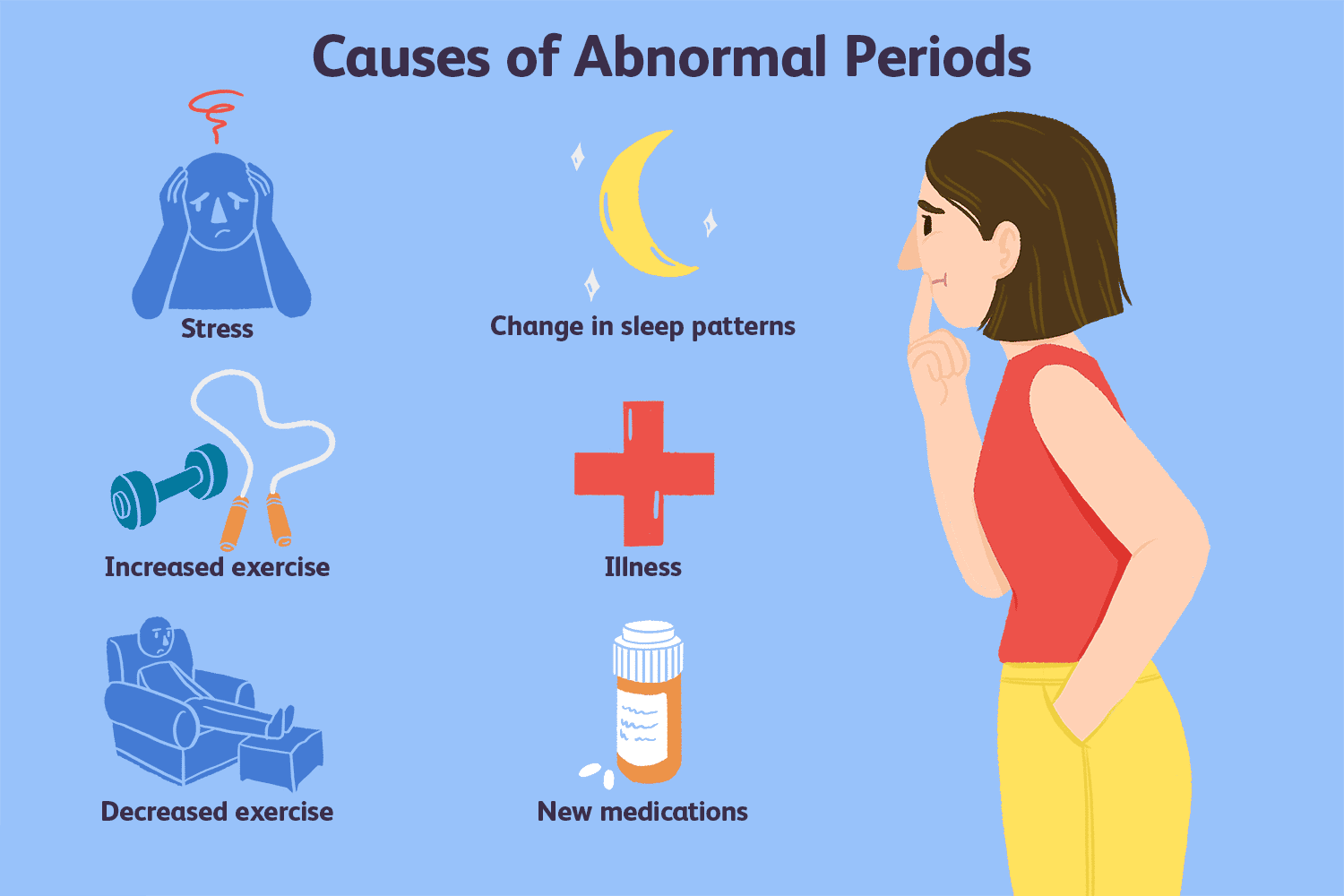
When you are under significant stress, your body produces elevated cortisol. High cortisol disrupts the hypothalamus, the part of your brain that controls the hormones responsible for triggering ovulation. When ovulation is delayed, your period follows suit.
This creates a frustrating cycle: you stress about your late period, which raises cortisol further, which delays your period even more.
Chronic or extreme stress can even lead to hypothalamic amenorrhea, a condition where periods stop altogether due to prolonged hypothalamic suppression.
Common stress triggers that delay periods:
- Work deadlines or job loss
- Relationship breakdowns
- Moving or major life changes
- Illness or recovery from surgery
- Grief or emotional trauma
3. PCOS (Polycystic Ovary Syndrome)
PCOS is one of the most common hormonal disorders in women of reproductive age and a frequent cause of irregular and late periods.
With PCOS, the ovaries produce excess androgens (male hormones), which prevent regular ovulation. Without consistent ovulation, periods become unpredictable — sometimes arriving weeks late, sometimes skipping altogether.
PCOS affects approximately 5 to 10 percent of people who menstruate. Many women discover they have it only after investigating a consistently late or missing period.
Signs PCOS may be behind your late period:
- Irregular or infrequent periods (fewer than 6 to 8 cycles per year)
- Weight gain, especially around the abdomen
- Acne or oily skin
- Excess facial or body hair
- Thinning hair on the scalp
- Difficulty getting pregnant
There is no single diagnostic test for PCOS. A doctor will typically evaluate symptoms, perform an ultrasound, and order blood tests to check hormone levels.
4. Thyroid Disorders
Your thyroid gland plays a direct role in regulating your menstrual cycle, and both an underactive thyroid (hypothyroidism) and an overactive thyroid (hyperthyroidism) can cause late or irregular periods.
Thyroid hormones regulate the balance between estrogen and progesterone. When this balance is disrupted, ovulation can be delayed or skipped entirely.
Hyperthyroidism often leads to lighter, shorter, or missed periods. Hypothyroidism can cause heavier, more irregular periods or complete absence of menstruation.
A simple blood test (TSH test) can identify a thyroid problem. In most cases, medication to rebalance thyroid hormone levels will restore regular cycles.
5. Sudden Weight Changes
Both significant weight loss and weight gain can throw your cycle off track.
Weight loss: When you lose weight rapidly, your body may not have enough stored fat to produce the hormones needed for ovulation. Low body weight and eating disorders like anorexia are strongly linked to missed and late periods.
Weight gain: Carrying excess weight can increase insulin and androgen levels, creating a hormonal environment similar to PCOS. This disrupts ovulation and delays menstruation.
Even a loss or gain of 10 pounds in a short period can be enough to affect your cycle.
6. Excessive Exercise
High-intensity exercise or a sudden increase in training volume can delay or stop your period.
When your body is under physical stress from overtraining, it prioritizes survival functions and reduces reproductive hormone output. This is especially common in endurance athletes, gymnasts, and people who have recently started an intense fitness program.
The condition is known as exercise-induced amenorrhea and is part of what is called the Female Athlete Triad, which includes low energy availability, low bone density, and menstrual dysfunction.
Reducing training intensity and increasing caloric intake usually restores the cycle.
7. Birth Control and Medications
If you recently started, stopped, or switched hormonal birth control, your period may be 5 days late — or more.
Hormonal methods including the pill, patch, ring, hormonal IUD, and implant all affect your cycle. After stopping hormonal birth control, it can take 1 to 3 months for your natural cycle to regulate.
Other medications that can delay your period include:
| Medication Type | Effect on Cycle |
|---|---|
| Antidepressants (SSRIs) | Can alter hormone levels and cycle timing |
| Antipsychotics | May raise prolactin, suppressing ovulation |
| Corticosteroids | Disrupt hormonal balance |
| Chemotherapy drugs | Can temporarily or permanently affect menstruation |
| Blood pressure medications | Some classes affect hormone regulation |
Always speak to your doctor if you suspect a medication is disrupting your cycle.
8. Perimenopause
If you are in your late 30s, 40s, or early 50s, a late period may be an early sign of perimenopause — the transitional phase before menopause begins.
During perimenopause, estrogen and progesterone levels fluctuate unpredictably. Cycles may become shorter, longer, heavier, lighter, or simply irregular for months or years before periods stop entirely.
You do not have to be in your 50s for this to happen. Some women begin perimenopause in their late 30s, a condition known as premature ovarian insufficiency.
Signs that perimenopause may be a factor:
- Irregular cycle length from month to month
- Hot flashes or night sweats
- Mood changes or sleep disruption
- Vaginal dryness
- Decreased fertility
9. Illness or Infection
Being sick, especially with a fever or infection, can temporarily delay your period.
Illness places physical stress on your body, and that stress signals can suppress ovulation. Even a severe urinary tract infection (UTI) can raise cortisol enough to lengthen your cycle.
Once you recover, your cycle typically returns to normal within one to two months.
10. Travel and Time Zone Changes
Traveling across time zones can disrupt your circadian rhythm, which in turn affects your hormonal cycle.
Your body regulates hormone production partly based on your sleep-wake cycle. A major shift in time zones or irregular sleep patterns can delay ovulation and push your period back by several days.
This effect is usually temporary and resolves after your body adjusts.
11. Breastfeeding
If you have recently given birth, breastfeeding can suppress your period entirely or cause significant irregularity.
Suckling stimulates prolactin production, which disrupts the pulsatile release of luteinizing hormone (LH). Without adequate LH signaling, ovulation does not occur and menstruation is suppressed.
This is known as lactational amenorrhea and is actually a natural, temporary form of contraception — though it is not 100 percent reliable.
12. Hormonal Imbalances (Other Causes)
Beyond PCOS and thyroid conditions, other hormonal issues can delay your period.
Hyperprolactinemia: Elevated levels of prolactin (the breastfeeding hormone) can suppress ovulation even if you are not breastfeeding. A small non-cancerous pituitary tumor called a prolactinoma is a common cause.
Congenital adrenal hyperplasia: This genetic condition causes abnormal hormone production in the adrenal glands, leading to menstrual irregularities.
Cushing’s syndrome: Excess cortisol from this condition disrupts reproductive hormones.
Period 5 Days Late: Symptoms to Pay Attention To
Your body often gives you clues about why your period is late. Pay attention to these accompanying symptoms.
| Symptom Alongside Late Period | Possible Cause |
|---|---|
| Nausea, breast tenderness, fatigue | Pregnancy |
| Acne, facial hair, weight gain | PCOS |
| Fatigue, cold intolerance, weight gain | Hypothyroidism |
| Weight loss, heart palpitations, heat intolerance | Hyperthyroidism |
| Hot flashes, mood swings, sleep issues | Perimenopause |
| Severe pelvic pain or unusual discharge | Infection or fibroids |
| Recent illness with fever | Stress on the body from illness |
When to Take a Pregnancy Test
If there is any chance you could be pregnant, take a home pregnancy test on the first day your period is late.
Most tests are accurate from day one of a missed period. For the most reliable result, use your first morning urine, which has the highest concentration of hCG.
If the first test is negative and your period still has not arrived after 5 to 7 more days, take a second test. False negatives are more common when testing too early.
If you test positive, book an appointment with your healthcare provider to confirm the pregnancy and discuss next steps.
When to See a Doctor About a Late Period
Not every late period requires a doctor visit, but some situations do.
See a doctor if:
- Your period is more than 2 weeks late and pregnancy tests are negative
- You have missed more than one period in a row
- Your cycles are consistently irregular without a clear reason
- You experience severe pelvic pain or very heavy bleeding
- You notice unusual symptoms like unexpected hair growth, rapid weight changes, or signs of hormonal imbalance
- You have gone 3 months without a period (secondary amenorrhea)
- You are in your late 30s or 40s and experiencing other perimenopausal symptoms
Your doctor may order blood tests to check hormone levels, a thyroid panel, or an ultrasound to evaluate your ovaries.
Early diagnosis of conditions like PCOS or thyroid disorders makes them much easier to manage.
What You Can Do at Home While You Wait
If your period is only a few days late and you have no alarming symptoms, there are supportive steps you can take.
Track your cycle consistently. Use an app or a simple calendar to log your period start and end dates, cycle length, and symptoms. This data is invaluable when speaking with a doctor.
Reduce stress. Even 10 minutes of daily meditation, deep breathing, or light walking can lower cortisol and support hormonal balance.
Sleep 7 to 9 hours nightly. Poor sleep disrupts hormone production directly. Prioritizing sleep is one of the most effective ways to support your cycle.
Eat balanced meals. Include protein, healthy fats, and whole grains. Avoid extreme calorie restriction, which can suppress ovulation.
Exercise moderately. Aim for 150 minutes of moderate activity per week. Avoid sudden, intense increases in training volume.
Avoid self-diagnosing. Many causes of a late period share overlapping symptoms. Only a doctor can give you a confirmed diagnosis and appropriate treatment plan.
Period 5 Days Late: The Role of Cortisol and Hormones
Understanding the hormonal chain reaction helps explain why so many different triggers cause the same result: a late period.
The HPA Axis and Reproduction
Your hypothalamic-pituitary-adrenal (HPA) axis controls your stress response. When this axis is activated by stress, illness, or extreme physical demands, it prioritizes survival over reproduction.
Elevated cortisol suppresses gonadotropin-releasing hormone (GnRH) from the hypothalamus. Without GnRH, the pituitary gland does not release the LH surge needed to trigger ovulation. Without ovulation, the luteal phase does not occur normally, and your period is delayed.
This is why stress, illness, over-exercise, and under-eating all converge on the same outcome: a period that does not arrive on time.
Estrogen and Progesterone Balance
The precise timing of your period depends on the drop in progesterone at the end of your luteal phase. Anything that prolongs progesterone production — or prevents it from rising in the first place — delays that drop and pushes your period back.
Lifestyle Factors That Quietly Disrupt Your Cycle
Many women do not realize that everyday lifestyle habits can have a measurable effect on cycle timing.
Alcohol consumption: Heavy or binge drinking raises estrogen levels and stresses the liver, which processes hormones. This can cause irregular or late periods over time.
Caffeine: Very high caffeine intake (more than 3 to 4 cups of coffee per day) has been linked to cycle irregularities in some studies, though moderate consumption is generally considered safe.
Blue light exposure at night: Scrolling on your phone or watching screens late into the night suppresses melatonin and disrupts your circadian rhythm, which can indirectly affect hormone timing.
Smoking: Smoking accelerates the depletion of eggs and is associated with earlier menopause and cycle irregularities.
Crash diets: Rapid calorie restriction — even for short periods — can suppress ovulation quickly, delaying your next period.
Normal Cycle Variation vs. a Pattern Problem
One late period is rarely a cause for concern. A recurring pattern is a different matter.
One-off late period: If you can identify a clear trigger (a stressful week, a recent illness, a new workout routine), and this has not happened before, monitoring the situation for another cycle is reasonable.
Recurring irregularity: If your period is consistently late or unpredictable month after month, this pattern warrants medical investigation, especially if combined with other symptoms.
A good rule of thumb: if your period is more than 2 weeks late and you have no clear explanation, take a pregnancy test and consider booking a doctor’s appointment.
Period 5 Days Late With a Negative Pregnancy Test
A negative pregnancy test with a late period is more common than many people realize.
Reasons for a negative test with no period:
- You tested too early (hCG may not yet be detectable)
- PCOS is causing hormonal changes that mimic early pregnancy symptoms
- Stress or lifestyle factors are delaying your cycle
- A thyroid issue is disrupting your hormonal pattern
- You are in early perimenopause
If you have tested negative and your period still has not arrived after another 5 to 7 days, retest. If it remains negative beyond that, a doctor visit is the right next step.
Foods and Nutrients That Support Menstrual Regularity
While no food will immediately trigger a late period, consistent nutritional support helps your hormones stay balanced.
| Nutrient | Why It Matters | Food Sources |
|---|---|---|
| Iron | Replaces iron lost during menstruation | Spinach, lentils, red meat |
| Magnesium | Supports progesterone production | Dark chocolate, almonds, avocado |
| Zinc | Regulates ovulation and cycle length | Pumpkin seeds, chickpeas, oysters |
| Vitamin D | Low levels linked to PCOS and irregular cycles | Fatty fish, egg yolks, sunlight |
| Omega-3 fatty acids | Reduces inflammation that disrupts hormones | Salmon, walnuts, flaxseed |
| B vitamins | Support adrenal and hormonal function | Whole grains, eggs, leafy greens |
| Inositol | Supports insulin sensitivity and cycle regularity in PCOS | Beans, citrus fruit, whole grains |
Maintaining a balanced diet year-round is more effective than any short-term dietary fix.
What Doctors Check When Your Period Is Late
If you visit a doctor about a consistently late period, here is what a standard evaluation typically involves.
Medical history review: Your doctor will ask about your cycle history, recent lifestyle changes, medications, stress levels, sexual activity, and any symptoms you have noticed.
Physical examination: A pelvic exam may be performed to check for structural abnormalities.
Blood tests: These commonly check:
- hCG (pregnancy hormone)
- TSH and thyroid hormones (T3, T4)
- FSH and LH (reproductive hormones)
- Prolactin
- Androgens (testosterone, DHEA-S)
- Fasting insulin and glucose
Pelvic ultrasound: Used to examine the uterus and ovaries for cysts, fibroids, or structural issues.
Based on findings, your doctor may refer you to an endocrinologist, gynecologist, or reproductive specialist.
Frequently Asked Questions (FAQs)
How many days late is a period before I should worry?
Most experts say a period more than 7 days late warrants a pregnancy test, and more than 2 weeks late with a negative test warrants a doctor visit.
Can stress alone delay my period by 5 days?
Yes, absolutely. Elevated cortisol from stress suppresses the hormonal signals needed for ovulation, which directly delays your period.
Is it normal for periods to be late sometimes?
Yes, occasional variation of a few days is completely normal due to minor hormonal shifts, lifestyle factors, or temporary stress.
Should I take a pregnancy test if my period is 5 days late?
Yes, especially if you have had unprotected sex. Use your first morning urine for the most accurate result.
Can PCOS cause a period to be 5 days late?
Yes. PCOS disrupts ovulation, which means periods can be unpredictably late, infrequent, or absent altogether.
What if my pregnancy test is negative but my period still has not come?
Retest in 5 to 7 days. If still negative and no period, see a doctor to investigate PCOS, thyroid issues, or other hormonal causes.
Can a UTI make my period late?
A severe UTI can raise cortisol levels, which may delay your cycle, though this effect is usually temporary.
Does exercise affect your period timing?
Yes, sudden increases in exercise intensity or volume can suppress ovulation and delay your period by several days or weeks.
Can a thyroid problem cause a late period?
Yes. Both hypothyroidism and hyperthyroidism directly disrupt the hormonal balance that regulates your menstrual cycle.
How do I track my cycle to better understand my pattern?
Use a period tracking app to log your start and end dates, flow level, symptoms, and mood each month. After 3 to 6 months, patterns become visible and useful for doctor discussions.
Conclusion
A period that is 5 days late is one of the most common experiences in women’s health, and in the majority of cases it has a straightforward explanation.
Stress, minor hormonal fluctuations, weight changes, illness, travel, and lifestyle shifts are the most frequent culprits.
Pregnancy is always worth ruling out first with a reliable home test. If your test is negative and your period is consistently irregular, conditions like PCOS, thyroid disorders, or perimenopause deserve proper medical evaluation.
The most important thing you can do is pay attention to your body, track your cycles consistently, and avoid assuming the worst.
One late period is rarely a signal of something serious. A recurring pattern of irregular cycles, however, deserves professional attention.
Early diagnosis of any underlying condition leads to earlier treatment, better hormonal balance, and a more predictable, manageable cycle long term.
Do not wait months hoping things normalize on their own — a simple blood test can give you answers and peace of mind.


