

Jaw pain can range from a mild ache when you chew to a sharp, constant discomfort that’s hard to ignore. It can come from your teeth, your jaw joint, or sometimes somewhere else entirely.
If you’ve been asking why is my jaw hurting, you’re dealing with one of the most common causes of facial pain.
Why Is My Jaw Hurting?


Jaw pain is most often caused by temporomandibular joint disorders (TMD), which affect the joint connecting your jaw to your skull. Teeth grinding, dental problems, sinus infections, and injury are other common causes. Sudden jaw pain with chest discomfort needs emergency care.
Understanding the Jaw Joint
Your temporomandibular joint, or TMJ, connects your jawbone to your skull just in front of each ear. It acts like a sophisticated hinge, letting you talk, chew, and yawn.
When the joint itself, the surrounding muscles, or nearby nerves become strained or inflamed, pain follows. TMDs, the umbrella term for these issues, affect a large share of adults at some point.
Common Causes of Jaw Pain
TMJ Disorders (TMD)
TMD is the most frequent cause of jaw pain that isn’t related to a toothache. It involves the joint, the surrounding muscles, or both.
Symptoms often include clicking or popping sounds, tenderness near the ears, and difficulty opening your mouth fully.
Teeth Grinding or Clenching
Grinding or clenching your teeth, especially during sleep, puts constant strain on the jaw joint and muscles. This habit is often linked to stress and can worsen TMD symptoms over time.
Many people aren’t even aware they grind their teeth until a dentist points it out.
Dental Problems
An abscessed tooth, cavity, or impacted wisdom tooth can send pain radiating straight into the jawbone. This type of pain often feels sharp and localized to one area.
Gum disease and infections can also contribute to ongoing jaw discomfort.
Sinus Infections
Your sinuses sit close to your upper jaw and teeth. When they become inflamed from an infection, the pressure can feel like pain coming from the jaw itself.
This type of pain often comes with congestion, facial pressure, or a headache.
Jaw Injury or Trauma
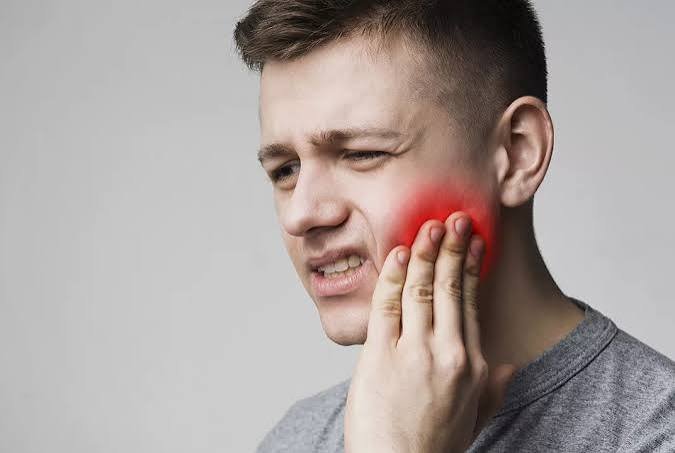

A direct blow to the jaw, whether from an accident, fall, or sports injury, can cause pain, swelling, or even a fracture. Trauma can also displace the joint or its cartilage disc.
Sudden pain after an impact should always be evaluated by a professional.
Arthritis
Just like other joints in the body, the TMJ can be affected by arthritis. Osteoarthritis and rheumatoid arthritis can both cause inflammation and pain in the jaw joint.
This type of jaw pain often develops gradually and may come with stiffness.
Misaligned Bite
When your upper and lower teeth don’t fit together properly, extra strain gets placed on the jaw joint. Over time, this misalignment can contribute to chronic discomfort.
A dentist can assess whether bite alignment is a contributing factor.
Trigeminal Neuralgia
This nerve condition causes sudden, severe, stabbing pain that can be mistaken for a jaw problem. It affects the trigeminal nerve, which carries sensation from the face.
This type of pain tends to be sharp and shock-like rather than a dull ache.
Cardiac-Related Pain
In rare cases, jaw pain can be a sign of a heart attack, especially when combined with chest pain, shortness of breath, or pain radiating down the arm. This is more common in women.
Any jaw pain with these accompanying symptoms is a medical emergency.
TMD Symptoms at a Glance
| Symptom | What It Feels Like |
|---|---|
| Clicking or popping | Sound when opening or closing the mouth |
| Jaw tenderness | Ache near the ears, face, or jaw joint |
| Limited movement | Difficulty opening the mouth fully |
| Locking | Jaw gets briefly stuck open or closed |
| Radiating pain | Discomfort spreading to the neck or shoulders |
| Headaches | Frequent tension-type headaches |
When Jaw Pain Is a Medical Emergency


Most jaw pain is manageable and not dangerous. But certain combinations of symptoms need immediate attention.
- Jaw pain with chest pain, pressure, or tightness
- Pain spreading down the arm along with jaw discomfort
- Shortness of breath alongside jaw pain
- Sudden jaw pain after a significant injury or accident
- Inability to close or open your mouth after trauma
If jaw pain appears alongside any heart-related symptoms, call emergency services right away.
How to Relieve Jaw Pain at Home
Eat Soft Foods Temporarily
Sticking to softer foods reduces strain on the jaw while it recovers. Avoid chewy, hard, or crunchy foods until symptoms improve.
Apply Heat or Cold
A warm compress can relax tight jaw muscles, while a cold pack can reduce swelling and numb sharp pain. Alternating between the two often works well.
Try Gentle Jaw Stretches
Slow, gentle stretching exercises can help relax and strengthen jaw muscles over time. A dentist or physical therapist can recommend specific movements.
Use Over-the-Counter Pain Relief
Nonsteroidal anti-inflammatory drugs, like ibuprofen, can help manage pain and reduce inflammation. Always follow the recommended dosage on the label.
Reduce Clenching Habits
Becoming aware of jaw clenching during the day is a simple first step toward reducing strain. A night guard can help protect against grinding while you sleep.
Manage Stress
Since stress is a known trigger for clenching and TMD flare-ups, relaxation techniques like deep breathing can help. Reducing daily stress often eases jaw tension as a result.
Mistakes to Avoid
- Ignoring persistent pain instead of getting it evaluated
- Chewing gum frequently while jaw pain is present
- Continuing to eat hard or chewy foods during a flare-up
- Assuming all jaw pain is dental without checking for TMD
- Overlooking jaw pain paired with chest symptoms
Key Takeaways
- TMJ disorders are the most common cause of non-dental jaw pain.
- Teeth grinding, dental issues, and sinus infections are also frequent culprits.
- Soft foods, heat or cold, and gentle stretching often ease mild symptoms.
- Jaw pain with chest pain or arm pain requires emergency care.
- Persistent or worsening jaw pain deserves a proper evaluation from a dentist or doctor.
Also Read:
- From Hair Care Idea To Business: How Bo International Supports Startup Brands
- Portable Space Heaters vs Fan Heaters: Pros and Cons
- How Care Patterns Help During Steps to Report Suspected Nursing Home Abuse
- How Insurance Responses Can Affect a Houston, TX Auto Accident Claim
- Download Gayatri Mantra Best Ringtone Mp3/M4R
- Grand Theft Auto: San Andreas – Theme Song Download
- Download Mission Impossible – Original Theme Song
- Randy Orton – Voices WWE Theme Song Download
- 430+ Trendy Roblox Username Ideas for Boys & Girls
- 1000+ Trendy Instagram Usernames Ideas for Girls
- Letflix Review – Features, How It Works and Safe to Use?
- The Investigation Steps a Premises Liability Lawyer May Take After an Injury
- Does Being a Loan Guarantor Affect Your CIBIL Score
- Do You Need Legal Help After a Truck Accident? Here’s What to Know
- Employee Rights and Legal Remedies in Whistleblower Retaliation Cases
- Lorde – Liability (Instrumental)
- The LOX – Ignorant (Instrumental)
- Dae Dae – Spend It (Instrumental)
- Mac Miller – Diablo (Instrumental)
- How Peptides Are Changing the Science of Bodybuilding Research
- How Cashless Health Insurance Is Transforming Patient Experience
- Why Is My Tongue Itchy? Common Causes & Treatments
- Why Are MRIs So Expensive? The Real Cost Explained
- Why Does My Gum Hurt When I Touch It? Causes & Relief
- Why Do My Feet Burn at Night? 9 Possible Causes
Frequently Asked Questions (FAQs)
Why is my jaw hurting on one side only?
One-sided jaw pain often points to a localized issue, like a dental problem, TMD on that side, or a sinus infection. Pain isolated to one side is usually easier to trace to a specific cause.
Can stress cause jaw pain?
Yes, stress is a well-known trigger for jaw clenching and teeth grinding. Reducing stress often eases related jaw tension over time.
Is jaw pain a sign of a heart attack?
In rare cases, yes, especially in women, when paired with chest pain, shortness of breath, or pain radiating down the arm. This combination requires immediate emergency care.
Can a sinus infection cause jaw pain?
Yes, inflamed sinuses sit close to the upper jaw and teeth, and pressure from an infection can feel like jaw pain. This often comes with congestion and facial pressure.
What does TMJ pain feel like?
TMJ pain typically feels like an ache near the ears, jaw, or face, sometimes with clicking or popping sounds. It may also cause difficulty opening the mouth fully.
Can grinding my teeth at night cause jaw pain?
Yes, nighttime teeth grinding puts ongoing strain on the jaw joint and muscles. A night guard can help reduce this strain while you sleep.
When should I see a doctor for jaw pain?
See a doctor if pain persists, worsens, or comes with chest symptoms, severe swelling, or an inability to move your jaw. Sudden pain after an injury also needs prompt evaluation.
Can a toothache cause jaw pain?
Yes, an abscessed tooth or severe cavity can send pain radiating into the jawbone. Dental treatment is usually needed to resolve this type of pain.
Is it normal for my jaw to click when I chew?
Occasional clicking without pain is fairly common and often not a concern. Clicking combined with pain or locking is worth mentioning to a dentist.
Can arthritis affect the jaw joint?
Yes, both osteoarthritis and rheumatoid arthritis can affect the TMJ, similar to other joints in the body. This often causes gradual pain and stiffness.
Why does my jaw hurt more in the morning?
Morning jaw pain is often linked to nighttime teeth grinding or clenching. A night guard or stress management techniques can help reduce this pattern.
Can jaw pain be caused by a misaligned bite?
Yes, when teeth don’t fit together properly, extra strain is placed on the jaw joint over time. A dentist can evaluate whether bite alignment is contributing to your pain.
How long does TMJ pain usually last?
Many TMJ flare-ups improve within a few weeks with home care and lifestyle adjustments. Persistent or worsening symptoms may need professional treatment.
Can jaw pain spread to my ear or neck?
Yes, TMD pain commonly radiates to the ears, temples, neck, or shoulders. This spreading pattern is a common sign of a jaw joint issue.
Is chewing gum bad for jaw pain?
Yes, frequent gum chewing can worsen jaw strain, especially during a TMD flare-up. Cutting back is often recommended during recovery.
Can a night guard help with jaw pain?
Yes, a night guard can reduce the impact of teeth grinding and clenching during sleep. This often eases morning jaw soreness over time.
Why does my jaw hurt when I open my mouth wide?
This is a common TMD symptom, often related to strain or inflammation in the joint. If it happens consistently, a dental evaluation can help identify the cause.
Can jaw pain be caused by an old injury?
Yes, previous trauma to the jaw or joint can lead to ongoing or recurring pain. Past injuries sometimes contribute to joint instability later on.
Does jaw pain always mean I have TMD?
No, jaw pain can also come from dental issues, sinus problems, nerve conditions, or referred pain from elsewhere. A proper evaluation helps pinpoint the exact cause.
What’s the difference between jaw pain and TMJ disorder?
Jaw pain is a symptom, while TMJ disorder refers to a specific condition affecting the joint and surrounding muscles. TMD is one of many possible causes of jaw pain.
Conclusion
Most jaw pain traces back to TMJ disorders, teeth grinding, or a dental issue, and it usually responds well to simple home care. Soft foods, heat or cold, and reduced clenching often bring noticeable relief within a short time.
Pay close attention to jaw pain that comes with chest discomfort or shortness of breath, since that combination needs emergency care. For anything persistent or unclear, a dentist or doctor can pinpoint the cause and get you the right treatment.