

Why is my gum swollen around one tooth no pain is a question that catches a lot of people off guard, because most of us assume swelling always means pain. Painless swelling is still your body’s defense response, and it deserves attention even without discomfort.
Why Is My Gum Swollen Around One Tooth No Pain?
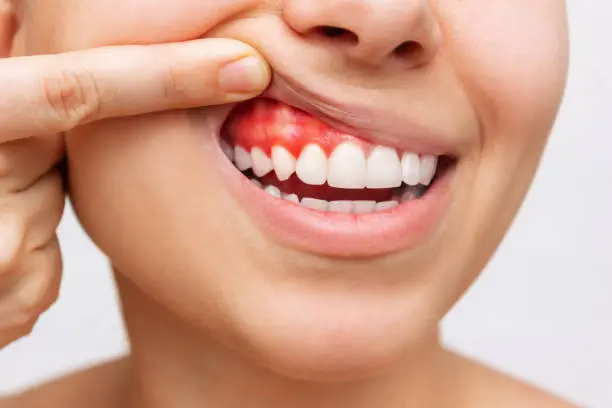

Painless swelling around one tooth is usually caused by trapped food debris, early gum disease, or mild irritation from brushing and flossing. It happens because your body sends white blood cells to fight irritation, even before nerves are involved.
The absence of pain does not mean the cause is minor. Some infections stay painless until they progress further.
Why Swelling Can Happen Without Pain
The Body’s Defense Response
Swelling is your immune system reacting to irritation or bacteria. White blood cells rush to the area to fight the problem and repair tissue.
If nerve involvement is minimal, this response can happen quietly, without triggering any pain signals at all.
Why This Can Be Deceptive
Painless swelling can lull people into ignoring a problem that is quietly getting worse. Some dental issues progress for months before pain finally shows up.
This is why dentists treat painless swelling around one tooth as something worth checking, not something to dismiss.
Common Causes of Swollen Gum Around One Tooth With No Pain
Food Debris and Poor Flossing Technique
Trapped food, such as popcorn kernels, seeds, or meat fibers, can wedge between the tooth and gum line. This is one of the most common and easiest causes to fix.
Signs include puffiness after meals or a feeling that something is stuck, even if nothing is visible.
Early Gingivitis
Gingivitis is the earliest stage of gum disease and is often painless at first. Plaque buildup irritates the gumline, and swelling can appear around one tooth before any discomfort develops.
Left untreated, gingivitis can progress into a more serious condition called periodontitis.
Trapped Plaque and Tartar


Plaque that hardens into tartar tends to build up in hard-to-reach spots, like behind molars or along tight gum lines. This buildup can inflame the gum around a single tooth well before pain sets in.
A Drained or Early-Stage Abscess
A dental abscess can sometimes be painless if it has already drained or has not yet reached nerve tissue. This does not mean the infection is gone, only that it is temporarily quiet.
Poorly Fitting Dental Appliances
Dentures, retainers, or other dental appliances that do not fit correctly can put constant pressure on one area of the gum. This pressure can cause localized swelling without necessarily causing pain right away.
Other Possible Causes
- Viral or fungal infections affecting the gum tissue
- A reaction or sensitivity to toothpaste or mouthwash
- Medication side effects that affect gum tissue
- An erupting wisdom tooth pushing through at an angle
Comparing Painless vs Painful Gum Swelling
| Feature | Painless Swelling | Painful Swelling |
|---|---|---|
| Likely stage | Early irritation or gingivitis | More advanced infection |
| Common cause | Food debris, plaque buildup | Abscess, deep decay |
| Urgency | Still worth a dental check | Needs prompt attention |
| Risk if ignored | Can progress silently | Usually prompts faster action |
When Painless Swelling Is a Warning Sign
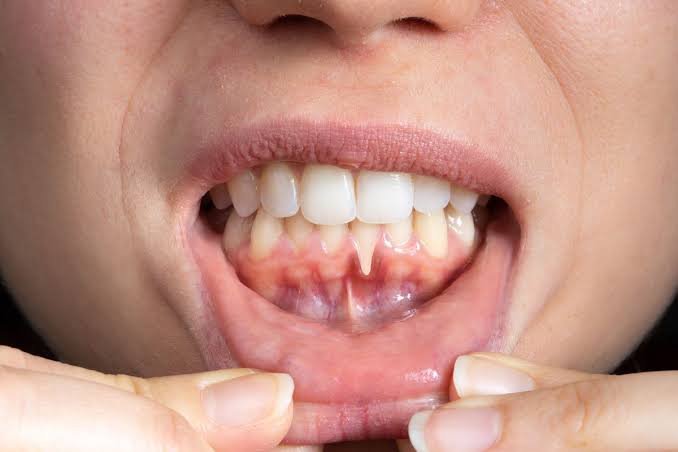

Swelling That Lasts More Than a Week
Mild irritation from food debris usually resolves within a day or two of better brushing and flossing. Swelling that lingers longer suggests something more is going on beneath the surface.
A Small Bump or “Pimple” on the Gum
A small bump near the swollen area can indicate a fistula, which is a sign of a chronic infection trying to drain. This should always be evaluated by a dentist.
Swelling That Keeps Coming Back
Recurring swelling in the same spot points to an ongoing issue, such as a hidden pocket of infection or a recurring source of irritation.
How to Address Mild Gum Swelling at Home
Step 1: Improve Your Flossing Technique
Gently floss around the affected tooth to remove trapped debris. Consider an interdental brush if the space between teeth is tight.
Step 2: Rinse With Warm Salt Water
A warm salt water rinse can help reduce mild irritation and encourage healing. Rinse two to three times a day for the first couple of days.
Step 3: Watch the Area for Changes
Keep an eye on the tooth for a few days. If swelling does not improve, gets larger, or a bump appears, it is time to call a dentist.
Step 4: Avoid Aggressive Brushing or Toothpicks
Aggressive brushing or toothpick use can injure the gum tissue further. Switch to a soft-bristled brush and gentle technique while the area heals.
Key Takeaways
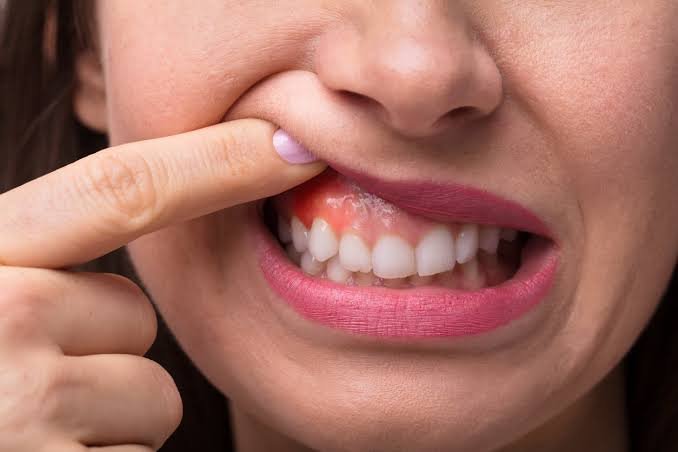
- Painless gum swelling around one tooth is still an immune response worth addressing.
- Food debris and early gingivitis are the most common, easily fixed causes.
- A drained abscess can be painless but still signals an underlying infection.
- Swelling lasting more than a week or recurring in the same spot needs a dental check.
- A small bump on the gum near the swelling should never be ignored.
Also Read:
- From Hair Care Idea To Business: How Bo International Supports Startup Brands
- Portable Space Heaters vs Fan Heaters: Pros and Cons
- How Care Patterns Help During Steps to Report Suspected Nursing Home Abuse
- How Insurance Responses Can Affect a Houston, TX Auto Accident Claim
- The Investigation Steps a Premises Liability Lawyer May Take After an Injury
- Does Being a Loan Guarantor Affect Your CIBIL Score
- Do You Need Legal Help After a Truck Accident? Here’s What to Know
- Employee Rights and Legal Remedies in Whistleblower Retaliation Cases
- Download Gayatri Mantra Best Ringtone Mp3/M4R
- Grand Theft Auto: San Andreas Theme Song Download
- Download Mission Impossible Original Theme Song
- Randy Orton Voices WWE Theme Song Download
- 430+ Trendy Roblox Username Ideas for Boys & Girls
- 1000+ Trendy Instagram Usernames Ideas for Girls
- Letflix Review: Features, How It Works and Is It Safe to Use?
- Lorde – Liability (Instrumental)
- The LOX – Ignorant (Instrumental)
- Dae Dae – Spend It (Instrumental)
- Mac Miller – Diablo (Instrumental)
- Little Mix – Pretend It’s Ok (Instrumental)
- David Guetta – Lovers On The Sun (Instrumental)
- Where Learning Meets Potential: Exploring Strong Foundations for Young Minds
- How Classroom Collaboration Builds Skills Beyond Academics
- How Effective Math Tuition Helps Students Master Difficult Concepts
- Is Online MBA Worth It in 2026?
Frequently Asked Questions (FAQs)
Why is my gum swollen around one tooth with no pain?
It is usually caused by trapped food debris, early gingivitis, or mild irritation. The swelling is an immune response that does not always trigger pain right away.
Is painless gum swelling dangerous?
It can be. Painless swelling sometimes signals a chronic issue, such as a drained abscess or early gum disease, that needs treatment even without discomfort.
Can a cavity cause gum swelling without pain?
Yes. A cavity can lead to a root infection that causes gum swelling near the tooth before pain ever develops.
How long can gum swelling last before I should worry?
If swelling lasts more than a week or keeps returning in the same spot, it is time to see a dentist.
Can flossing too hard cause localized gum swelling?
Yes. Aggressive flossing or toothpick use can injure the gum tissue and cause swelling around a single tooth.
What does a small bump on the gum near the swelling mean?
A small bump can indicate a fistula, which is a sign of a chronic infection trying to drain and should be checked by a dentist.
Can gum disease cause swelling around just one tooth?
Yes. Early gingivitis often starts in one localized area before spreading, which can make it look like a single-tooth problem.
Should I use salt water rinses for swollen gums?
Warm salt water rinses can help with mild irritation, but they are not a substitute for a dental visit if swelling persists.
Can a poorly fitting denture cause gum swelling?
Yes. Ill-fitting dentures or appliances can put constant pressure on the gum, leading to localized swelling.
When should I see a dentist for a painless swollen gum?
See a dentist if the swelling lasts more than a week, keeps recurring, or if you notice a bump, pus, or a bad taste in your mouth.
Conclusion
So why is my gum swollen around one tooth no pain? In many cases, it comes down to trapped food debris, plaque buildup, or early gingivitis quietly irritating the area.
The tricky part is that painless swelling does not automatically mean the cause is minor. Some infections stay silent for a while before symptoms like pain finally show up.
If the swelling clears up within a few days of better brushing and flossing, it was likely something simple. If it lingers, returns, or comes with a bump near the gum, a dental visit is the safest next step.