


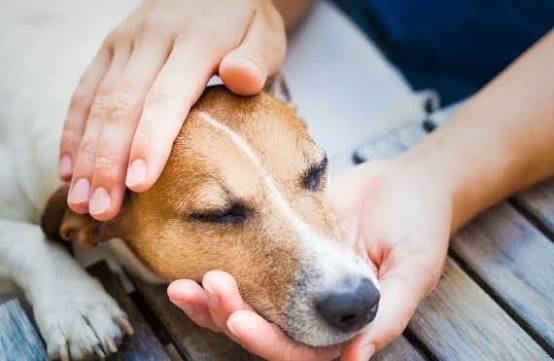
Why is my dogs head hot is one of the first questions pet owners ask the moment they feel unexpected warmth while petting their dog. In most cases, this warmth is completely normal, caused by natural blood flow, recent sun exposure, exercise, or simple excitement.
Dogs also run naturally warmer than humans, with a normal body temperature between 101°F and 102.5°F. However, in some cases, a hot head can be linked to fever, overheating, ear infections, or hormonal conditions that need veterinary attention.
Understanding Your Dog’s Normal Body Temperature
Dogs naturally run warmer than humans, with a typical body temperature ranging between 101°F and 102.5°F, compared to the average human temperature of around 98.6°F.
This difference means a dog’s head, ears, and paws can often feel warm to the touch even when everything is completely healthy and normal.
Knowing this baseline helps you avoid unnecessary panic the moment you notice warmth while petting or cuddling your dog.
Common Causes At A Glance
Before going into detail, here is a quick table summarizing the most frequent reasons a dog’s head may feel hot.
| Cause | Typically Normal Or Concerning |
|---|---|
| Natural Cooling System | Normal |
| Recent Exercise or Play | Normal |
| Sun Exposure or Warm Room | Normal |
| Excitement or Petting | Normal |
| Stress or Anxiety | Usually Normal |
| Vaccination Reaction | Usually Mild |
| Fever From Infection | Concerning |
| Ear Infection | Concerning |
| Hormonal Disorders | Concerning |
| Heatstroke | Emergency |
Most causes fall into the harmless category, though a few require closer monitoring or veterinary care.
Dog’s Natural Cooling System
Dogs cool themselves differently than humans, since they cannot sweat through their skin the way people do to release heat.
Instead, blood is directed toward the head and ears as part of the cooling process, which can make these areas feel noticeably warmer to the touch.
This is a completely normal bodily function and is one of the most common, harmless reasons behind a warm-feeling head.
Exercise And Physical Activity
After exercise or active play, a dog’s body temperature naturally rises as muscles work harder and generate additional heat throughout the body.
Since dogs primarily cool down through panting and their paw pads, the head and ears may stay warm for a while even after activity has stopped.
This warmth should gradually fade as your dog rests and returns to a calm, relaxed state within a short period.
Sun Exposure And Warm Environments
Spending time in direct sunlight or lying on a warm surface can easily cause a dog’s head to feel warmer than the rest of their body.
This is especially common during summer months or when dogs enjoy sunbathing near windows or outdoor patios for extended periods.
While generally harmless, prolonged sun exposure should still be monitored closely to prevent the risk of overheating or heatstroke.
Excitement And Increased Blood Flow
When dogs become excited, their heart rate increases, which raises blood flow throughout the body, including areas like the head and ears.
This can happen during exciting moments like greeting their owner, receiving a treat, or anticipating a walk, and is typically short-lived.
Petting your dog can also temporarily increase blood flow to their head, making it feel warmer simply due to physical touch and attention.
Stress And Anxiety
Just like excitement, stress and anxiety trigger the release of hormones like adrenaline and cortisol, which can widen blood vessels and increase blood flow.
This physiological response can cause a dog’s head to feel warmer during stressful situations, such as car rides, vet visits, or loud environments.
Identifying and reducing exposure to specific stress triggers can help minimize this type of temporary warmth over time.
Vaccination Reactions
After receiving vaccinations, some dogs experience a mild, temporary rise in body temperature as their immune system responds to the injection.
This can make the head feel slightly warmer for a short period, usually resolving within a day or two without any additional treatment needed.
If warmth persists beyond a couple of days or is accompanied by lethargy or swelling, contacting your veterinarian is a reasonable next step.
Fever From Infection Or Illness
A hot head can sometimes indicate an actual fever, which occurs when the body raises its temperature to help fight off infection or illness.
Common causes of fever in dogs include bacterial or viral infections, such as urinary tract infections, respiratory illnesses, or infected wounds.
Fever is usually accompanied by other symptoms like lethargy, reduced appetite, or shivering, which help distinguish it from harmless, everyday warmth.
Ear Infections
Ear infections can cause localized warmth around the head and ears, since the body increases blood flow to the area as part of its immune response.
Dogs with ear infections often show additional signs like scratching at the ear, head shaking, unpleasant odor, or visible redness inside the ear canal.
If you notice these accompanying symptoms alongside a hot head, a veterinary check of the ears is strongly recommended.
Hormonal Disorders

Certain hormonal imbalances, such as hypothyroidism or Cushing’s disease, can affect a dog’s overall temperature regulation and metabolism.
These conditions may cause fluctuations in body temperature, including a head that feels warmer than usual, alongside other symptoms like weight changes or skin issues.
Because hormonal disorders require specific testing to diagnose, veterinary evaluation is necessary if this cause is suspected.
Heatstroke And Overheating
Heatstroke is a serious, potentially life-threatening condition that occurs when a dog’s body temperature rises to dangerous levels, often above 104°F.
Warning signs include heavy panting, drooling, weakness, disorientation, bright red gums, and in severe cases, collapse or seizures.
This condition requires immediate veterinary attention, as prompt cooling and treatment are critical to preventing serious complications.
Infectious Diseases
Certain infectious illnesses, such as distemper, parvovirus, or kennel cough, can cause fever as part of the body’s immune response, making the head feel warm.
These illnesses are often contagious between dogs and may spread through direct contact or contaminated surfaces in shared spaces like parks or boarding facilities.
Because these conditions can be serious, especially in puppies, prompt veterinary diagnosis and treatment are important if infection is suspected.
Skin Conditions
Skin issues like pyoderma, ringworm, or localized infections can sometimes make a dog’s head feel warm due to inflammation in the affected area.
These conditions often come with visible symptoms like redness, hair loss, scaling, or itching, which can help identify the underlying skin issue.
Veterinary treatment, often involving topical or oral medication, is typically needed to resolve these skin-related causes of localized warmth.
Juvenile Cellulitis In Puppies
Juvenile cellulitis, sometimes called puppy strangles, is an uncommon condition that can cause a puppy’s head to feel warm and swollen.
It typically presents with sores near the eyes and mouth, along with swelling of the skin and nearby lymph nodes, and is related to immune system activity.
This condition requires prompt veterinary treatment, as early intervention generally leads to a better long-term outcome for affected puppies.
How To Properly Check Your Dog’s Temperature
Touch alone is not a reliable way to determine whether your dog has a true fever, since normal warmth can easily be mistaken for illness.
Using a digital rectal thermometer designed for pets provides the most accurate reading, with a normal range falling between 101°F and 102.5°F.
If you are unsure how to safely take your dog’s temperature, your veterinarian or a veterinary technician can demonstrate the proper technique during a visit.
Temperature Reference Table
A simple reference table can help you quickly interpret your dog’s temperature readings if you have access to a pet thermometer.
| Temperature Range | Interpretation |
|---|---|
| 99°F – 100.9°F | Below Normal, Monitor Closely |
| 101°F – 102.5°F | Normal Range |
| 102.6°F – 103.9°F | Mild Fever, Monitor and Contact Vet If Persistent |
| 104°F and Above | Emergency, Seek Veterinary Care Immediately |
This table is meant as a general guide only and should not replace professional veterinary evaluation.
Symptoms That Should Not Be Ignored
While a warm head alone is often harmless, certain accompanying symptoms suggest it is time to take the situation more seriously.
Watch for signs like heavy panting, lethargy, vomiting, diarrhea, loss of appetite, shivering, or visible discomfort alongside the warmth.
If any of these symptoms appear together with a hot head, scheduling a veterinary appointment promptly is the safest course of action.
When A Hot Head Becomes An Emergency
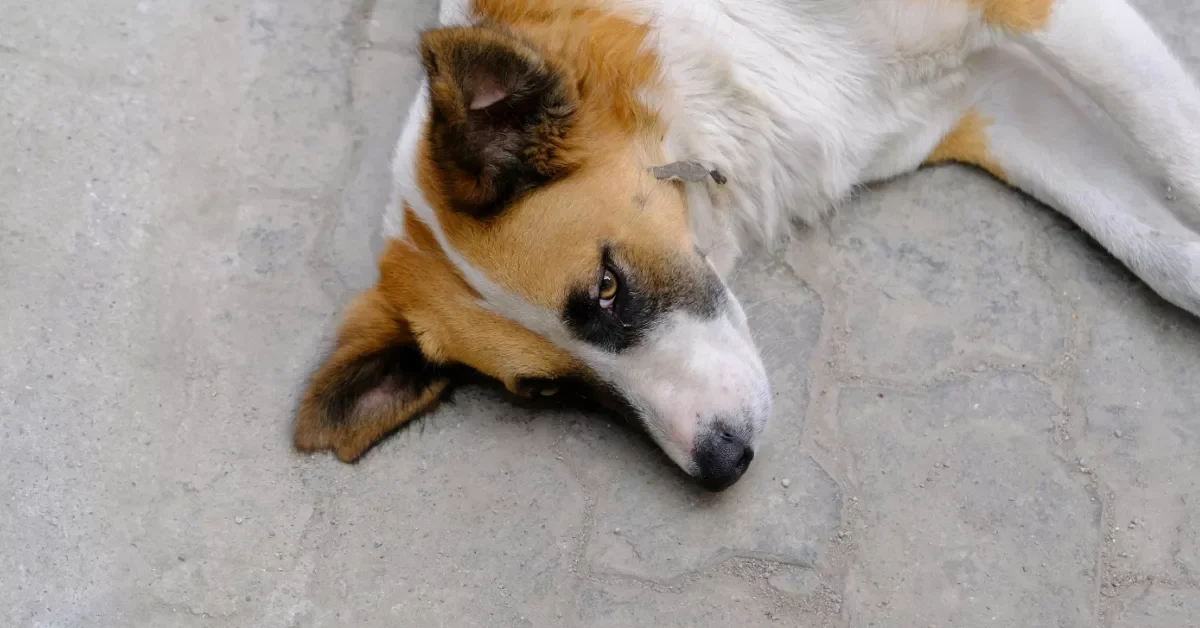
Certain situations require immediate emergency veterinary care rather than a wait-and-see approach at home.
These include collapse, seizures, extreme lethargy, difficulty breathing, bright red or pale gums, or confirmed body temperature above 104°F.
If you notice any of these emergency signs, contact your veterinarian or nearest emergency animal hospital right away rather than waiting for symptoms to improve.
How Veterinarians Diagnose The Underlying Cause
Diagnosing the cause of a hot head typically starts with a physical examination, including checking the ears, gums, and overall body temperature.
Depending on findings, your veterinarian may recommend bloodwork, urine tests, or imaging to rule out infections, hormonal imbalances, or other underlying conditions.
Providing a clear history of recent activities, environment, and any other symptoms helps your veterinarian reach an accurate diagnosis more efficiently.
Home Care Tips For Mild, Normal Warmth
For harmless causes like exercise, excitement, or sun exposure, simple home adjustments can help your dog cool down comfortably.
Provide fresh, cool water, move your dog to a shaded or air-conditioned area, and allow them time to rest calmly after activity or excitement.
Avoiding direct midday sun exposure during hot months can also help prevent unnecessary warmth and reduce the risk of overheating altogether.
Breeds More Prone To Overheating
Certain breeds are more susceptible to overheating and related warmth due to their physical characteristics, making extra caution especially important for these dogs.
| Breed Type | Reason For Higher Risk |
|---|---|
| Bulldogs and Pugs | Flat-Faced Breeds, Reduced Airflow |
| Thick-Coated Breeds | Heavier Insulation, Slower Cooling |
| Senior Dogs | Reduced Ability To Regulate Temperature |
| Overweight Dogs | Extra Insulation, Reduced Heat Tolerance |
Owners of these breeds should be especially mindful during hot weather and after intense physical activity.
Seasonal Considerations
During summer, dogs are naturally more prone to warmth and overheating, making shaded walks and controlled outdoor time especially important.
In winter, dogs resting near heaters, radiators, or under blankets may also experience a warm head, which is typically harmless in these situations.
Adjusting daily routines based on the season can help reduce unnecessary warmth and lower the risk of temperature-related health issues overall.
Prevention Tips For Managing Your Dog’s Temperature
Maintaining regular hydration, avoiding excessive sun exposure, and monitoring activity levels during hot weather all help support healthy temperature regulation in dogs.
Keeping vaccinations and parasite prevention up to date also reduces the risk of infections that could otherwise lead to fever-related warmth.
Routine veterinary checkups help catch hormonal or chronic conditions early, before they progress into more noticeable symptoms like persistent warmth.
Comparing Hot Head To Other Warm Body Areas
Owners sometimes wonder whether a warm head means the rest of the body should also feel warmer, though this is not always the case.
| Body Area | Common Reason For Warmth |
|---|---|
| Head and Ears | Blood Flow, Cooling System, Excitement |
| Paws | Contact With Warm Surfaces |
| Belly | Direct Sun Exposure While Lying Down |
| Nose | Dryness After Sleep, Not Always Fever-Related |
Understanding that different body parts can feel warm for different reasons helps avoid unnecessary alarm over an isolated symptom.
Common Myths About A Dog’s Hot Head
One common myth is that a dry, warm nose always means a dog has a fever, though this is frequently untrue and can simply result from sleeping or dry air.
Another myth is that a hot head always signals a serious illness, when in most cases it reflects a completely normal physiological response.
Understanding these myths helps pet owners avoid unnecessary stress while still knowing which specific signs genuinely warrant closer attention.
The Role Of Coat Type In Perceived Warmth
Dogs with thicker coats often retain heat more than short-haired breeds, which can make their head and body feel warmer even under normal conditions.
This insulation effect means double-coated breeds may need extra attention during warmer months, since their natural cooling process works harder to compensate.
Regular grooming and appropriate seasonal coat care can help these breeds regulate temperature more effectively throughout the year.
Hydration’s Role In Temperature Regulation
Proper hydration plays a significant role in helping dogs regulate their body temperature, especially during exercise or warm weather.
Dehydrated dogs may struggle to cool down effectively, which can contribute to a warmer-feeling head and increased risk of overheating overall.
Ensuring your dog always has access to fresh water, particularly during outdoor activities, supports healthier temperature regulation throughout the day.
Age-Related Differences In Temperature Regulation
Puppies and senior dogs often have less efficient temperature regulation compared to healthy adult dogs, making them more sensitive to both heat and cold.
Older dogs may also have underlying health conditions that make them more prone to fever or overheating-related warmth around the head.
Extra caution and closer monitoring are generally recommended for both very young and older dogs during temperature-sensitive situations.
Indoor Versus Outdoor Causes
Indoor environments, such as sitting near heaters or resting in warm sunny spots by windows, are common non-medical causes of a warm head.
Outdoor causes often relate more directly to physical activity, direct sun exposure, or humid weather conditions during walks or playtime.
Identifying whether the warmth followed an indoor or outdoor activity can help you quickly rule out simple, harmless explanations first.
Key Takeaways Before The FAQs
A warm head in dogs is often completely normal, resulting from natural cooling processes, exercise, excitement, or simple environmental warmth.
However, when warmth is paired with symptoms like lethargy, vomiting, or a confirmed high temperature, it may indicate fever, infection, or a more serious underlying condition.
Learning to properly check your dog’s temperature and recognizing warning signs helps you respond calmly and appropriately whenever this common concern arises.
Talking To Your Veterinarian About A Hot Head
When discussing this concern with your veterinarian, mention when the warmth started, how long it lasted, and any recent activities or environmental changes.
Note any accompanying symptoms, even minor ones, since small details like reduced appetite or slight lethargy can be important clues in diagnosis.
Bringing an actual temperature reading, if you have one, gives your veterinarian objective information rather than relying solely on a description of touch.
Frequently Asked Questions (FAQs)
Why does my dog’s head feel hot after playing?
This is usually caused by increased blood flow and body heat from exercise. It typically fades once your dog rests.
Is it normal for a dog’s head to feel warmer than its body?
Yes, dogs direct blood flow to their head and ears as part of natural cooling, making this area often feel warmer.
How can I tell if my dog has a real fever?
Use a pet-safe thermometer. A reading above 103°F generally indicates fever and warrants veterinary attention.
Can stress make my dog’s head feel hot?
Yes, stress hormones increase blood flow and can temporarily raise skin temperature, especially around the head.
Should I worry if my dog’s head is hot after vaccination?
Mild warmth after vaccination is usually normal and resolves within a day or two without treatment.
What does it mean if only my dog’s ears feel hot?
Warm ears alone often relate to blood flow or minor irritation, but persistent warmth with odor may suggest an ear infection.
Can hot weather cause my dog’s head to overheat?
Yes, prolonged sun exposure can lead to overheating. Move your dog to shade and provide water promptly.
When should I take my dog to the emergency vet for a hot head?
Seek emergency care if you notice collapse, seizures, extreme lethargy, or a temperature above 104°F.
Can hormonal problems cause a hot head in dogs?
Yes, conditions like hypothyroidism or Cushing’s disease can affect temperature regulation, sometimes causing noticeable warmth.
Do puppies get hot heads for different reasons than adult dogs?
Yes, puppies may experience warmth from conditions like juvenile cellulitis, which requires prompt veterinary evaluation.
One Final Reminder For Pet Owners
Trusting your instincts matters, since you know your dog’s normal behavior and typical warmth patterns better than anyone else observing them occasionally.
If something feels genuinely different or concerning, even without a perfect symptom match, reaching out to your veterinarian for guidance is always a reasonable and safe choice.
Conclusion
A dog’s head feeling hot is often nothing more than a normal response to exercise, excitement, sun exposure, or their built-in cooling system sending extra blood flow to that area. In most everyday situations, this warmth fades quickly once your dog rests, cools down, or moves away from direct heat sources.
However, when a hot head is paired with symptoms like lethargy, vomiting, loss of appetite, or a confirmed temperature above 103°F, it may point to fever, infection, or an underlying hormonal condition that needs veterinary attention.
Learning to check your dog’s temperature properly, rather than relying on touch alone, gives you a much clearer picture of what is actually happening. When in doubt, especially with puppies, senior dogs, or breeds prone to overheating, reaching out to your veterinarian remains the safest and most reliable way to protect your dog’s health and comfort.


