


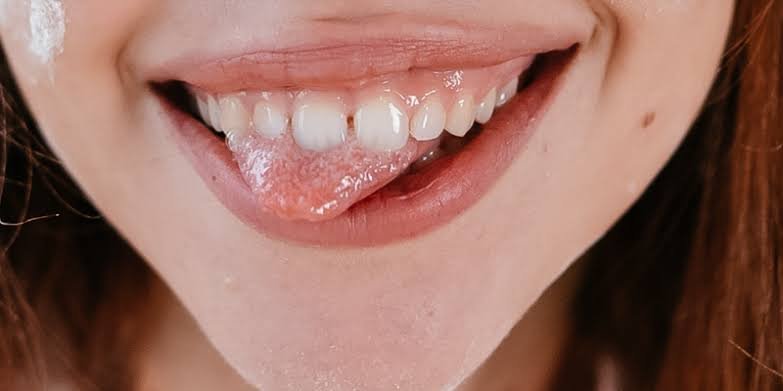
Why are my teeth transparent is a question many people ask after noticing a slightly see-through or glassy look near the edges of their front teeth. This transparency is usually a sign of enamel erosion, where the hard outer layer of the tooth has worn thin enough to let light pass through.
Common causes include acidic foods and drinks, aggressive brushing, acid reflux, genetics, and certain medical conditions. While enamel loss cannot be reversed, understanding the causes early can help you prevent further damage, protect your smile, and explore options such as teeth whitening in Encino when appropriate.
What Does It Mean When Teeth Look Transparent
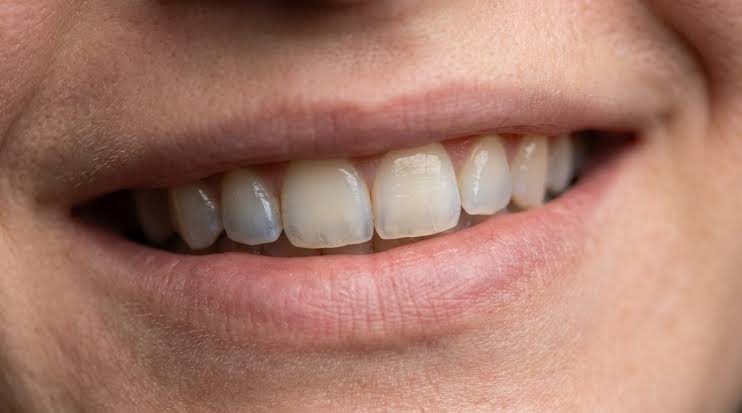
Transparent or translucent teeth occur when the protective enamel layer becomes thin enough that light can pass through the tooth structure.
This effect is most noticeable near the biting edges of the front teeth, where enamel is naturally thinner than other areas.
While it may seem purely cosmetic, tooth transparency is often an early warning sign of underlying enamel erosion.
Understanding Tooth Enamel
Tooth enamel is the hard, outer protective shell of the tooth, made up of tightly packed mineral crystals called hydroxyapatite.
This layer shields the more sensitive inner structures of the tooth, including the dentin and nerve-rich pulp, from damage.
Once enamel wears away, it does not regenerate, which makes prevention far more effective than treatment after the fact.
Common Causes of Transparent Teeth Overview
Here is a quick table summarizing the most common causes behind transparent or translucent-looking teeth.
| Cause | How It Affects Enamel |
|---|---|
| Acidic Foods and Drinks | Gradually dissolves mineral content in enamel |
| Acid Reflux or GERD | Stomach acid repeatedly wears down enamel |
| Aggressive Brushing | Mechanical wear thins enamel over time |
| Teeth Grinding (Bruxism) | Constant friction erodes enamel surface |
| Genetics (Enamel Hypoplasia) | Underdeveloped enamel from birth |
| Dry Mouth | Reduced saliva increases acid exposure |
| Malnutrition | Nutrient deficiencies weaken enamel formation |
| Aging | Cumulative wear thins enamel gradually |
Acidic Foods and Drinks
Regularly consuming acidic foods and beverages is one of the most common causes of enamel erosion leading to transparent teeth.
Citrus fruits, soda, energy drinks, wine, and vinegar-based foods all contain acids that gradually dissolve the mineral structure of enamel.
Frequent exposure without proper rinsing or waiting before brushing can significantly speed up this erosion process over time.
Acid Reflux and GERD
Gastroesophageal reflux disease, commonly known as GERD, allows stomach acid to repeatedly reach the mouth and contact the teeth.
This frequent acid exposure can wear down enamel from the inside surfaces of the teeth, often without the person immediately noticing.
People with chronic reflux symptoms should mention this to their dentist, as it directly increases the risk of enamel erosion.
Frequent Vomiting and Enamel Erosion
Conditions involving frequent vomiting, including certain eating disorders or morning sickness during pregnancy, can expose teeth to strong stomach acid.
Repeated acid exposure from vomiting is particularly damaging because it coats the teeth directly and repeatedly over time.
Rinsing with water rather than brushing immediately after vomiting can help reduce enamel damage during this vulnerable period.
Aggressive Brushing Habits
Using a hard-bristled toothbrush or brushing with excessive pressure can mechanically wear down enamel faster than normal use.
This is especially damaging when combined with acid exposure, since enamel is temporarily softened after eating or drinking something acidic.
Switching to a soft-bristled brush and using gentle, circular motions can significantly reduce this type of mechanical wear.
Teeth Grinding and Bruxism
Teeth grinding, medically known as bruxism, creates constant friction between teeth that gradually wears down the enamel surface.
This often happens unconsciously during sleep, making it difficult for many people to recognize they are doing it at all.
A dentist can often identify signs of grinding during a routine exam and may recommend a night guard for protection.
Genetics and Enamel Hypoplasia
Some people are simply born with thinner or weaker enamel due to a genetic condition known as enamel hypoplasia.
This condition can result in enamel that appears underdeveloped, sometimes accompanied by visible white, brown, or yellow spots on the teeth.
Because this cause is genetic, prevention focuses on protecting the existing enamel rather than addressing the original development issue.
Celiac Disease and Enamel Development
Celiac disease can affect enamel development, particularly in children, leading to poor enamel formation and increased tooth transparency.
This connection occurs because celiac disease affects nutrient absorption, which is essential for healthy enamel mineralization during development.
People diagnosed with celiac disease should inform their dentist, as this may influence recommended dental care and monitoring.
Dry Mouth and Reduced Saliva
Saliva plays an important role in neutralizing acids and protecting enamel throughout the day, making dry mouth a risk factor for erosion.
Certain medications, medical conditions, and natural aging can all reduce saliva production, increasing the mouth’s overall acidity.
Staying hydrated and discussing dry mouth symptoms with a dentist can help reduce this contributing factor to enamel erosion.
Malnutrition and Vitamin Deficiencies
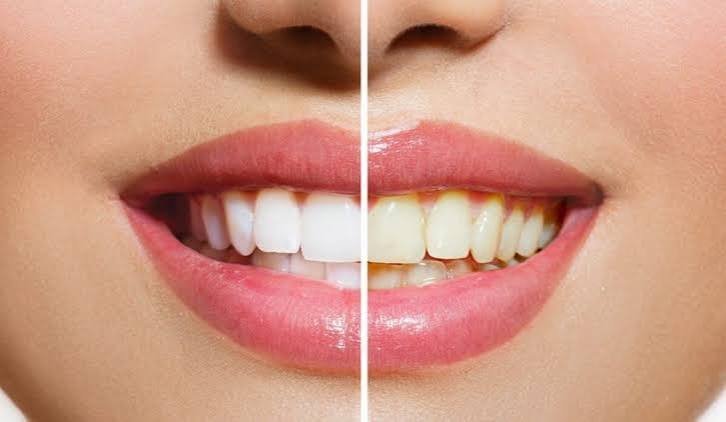
Malnutrition, particularly deficiencies in essential vitamins and minerals, can weaken enamel formation and overall tooth strength.
Nutrients like calcium, phosphorus, and vitamin D are especially important for maintaining strong, healthy enamel over time.
A balanced diet rich in these nutrients supports better long-term dental health and may help reduce the risk of erosion.
Medications That Affect Enamel
Certain medications, including some antihistamines, decongestants, and antidepressants, can cause dry mouth as a side effect, indirectly increasing erosion risk.
Other medications, such as tetracycline antibiotics, can directly affect enamel development if used during childhood or in high doses.
If you are concerned about medication effects on your teeth, it is best to discuss alternatives with your doctor or dentist.
Aging and Natural Enamel Wear
As people age, the cumulative effects of daily wear, acid exposure, and years of use naturally cause enamel to thin over time.
Even with excellent oral hygiene, some degree of transparency near the tooth edges can develop simply as part of the aging process.
This natural wear is generally gradual, though prevention habits can still help slow the pace of further erosion.
Symptoms That Often Accompany Transparent Teeth
Transparent teeth are often accompanied by other noticeable signs of enamel erosion beyond just the see-through appearance.
Increased sensitivity to hot, cold, sweet, or acidic foods is one of the most common accompanying symptoms of thinning enamel.
Yellowing of the teeth may also occur as the underlying dentin layer becomes more visible through the thinned enamel.
When to See a Dentist
You should schedule a dental appointment if you notice visible tooth transparency that appears to be worsening over time.
Increased sensitivity, rounded or chipped edges, and visible discoloration alongside transparency are all signs that warrant professional evaluation.
Early diagnosis allows your dentist to identify the underlying cause and recommend treatment before further enamel loss occurs.
How Dentists Diagnose the Cause
Dentists typically diagnose the cause of transparent teeth through a clinical examination combined with a detailed review of your medical history.
Special lighting, magnification, and digital dental technology may be used to assess how much enamel remains, especially at biting edges.
Understanding your diet, oral hygiene habits, and any relevant medical conditions helps the dentist determine the most likely contributing factors.
Prevention Tips for Protecting Enamel
Limiting acidic foods and drinks, or using a straw when consuming them, can significantly reduce direct contact with your teeth.
Waiting at least thirty minutes before brushing after eating or drinking something acidic allows softened enamel time to re-harden naturally.
Using a soft-bristled toothbrush with fluoride toothpaste helps clean teeth effectively without causing unnecessary mechanical wear.
Daily Habits That Support Enamel Health
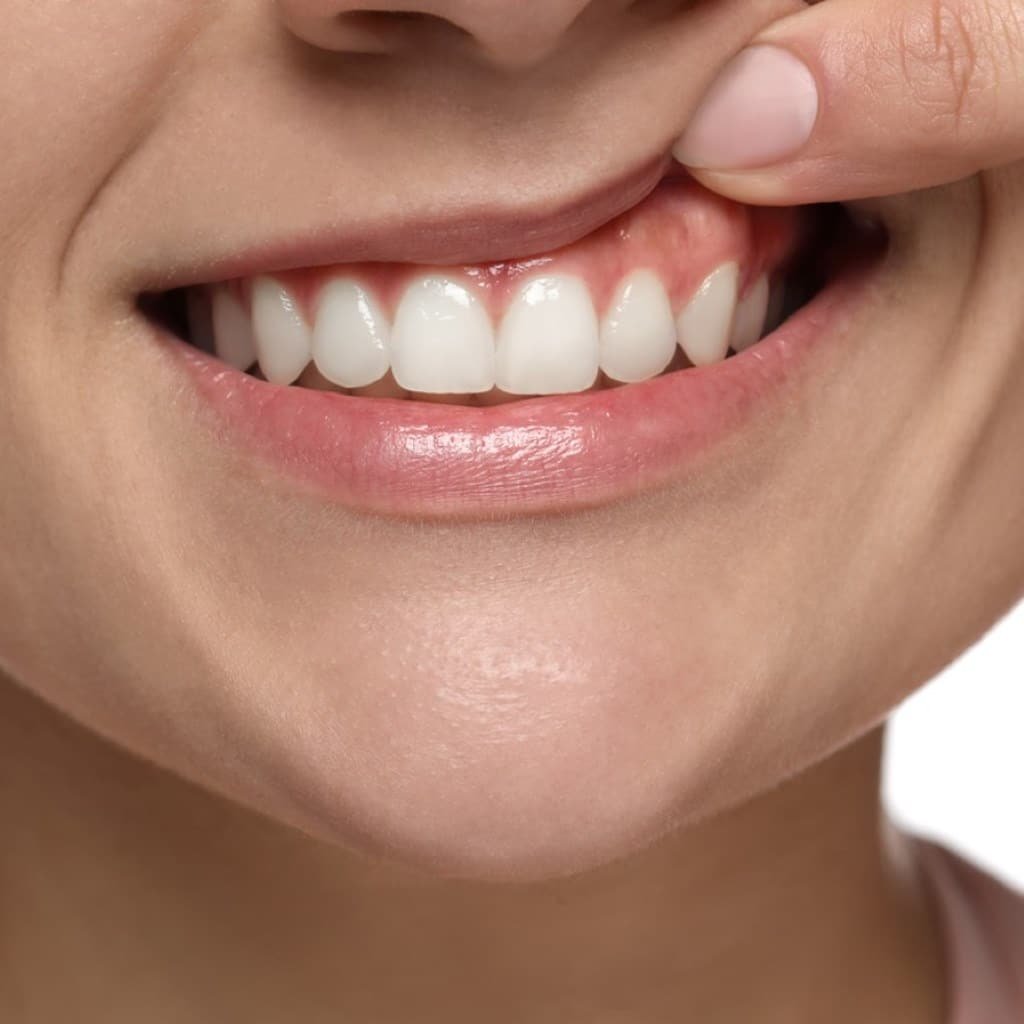
Rinsing your mouth with water after consuming acidic or sugary foods can help neutralize acids before they damage enamel.
Chewing sugar-free gum can stimulate saliva production, which naturally helps protect enamel throughout the day.
Staying well hydrated supports healthy saliva flow, reducing the risk factors associated with dry mouth and acid exposure.
Dietary Changes to Protect Your Teeth
Incorporating calcium-rich foods like dairy products, leafy greens, and fortified alternatives can support stronger enamel over time.
Reducing frequent snacking on sugary or acidic foods limits how often your enamel is exposed to potentially damaging substances.
Balanced meals that include essential vitamins and minerals contribute to better overall dental health and enamel strength.
Treatment Options for Transparent Teeth
While enamel loss cannot be reversed, dental bonding can help restore appearance and add a protective layer over affected teeth.
Veneers act as a protective shell placed over the natural tooth, helping prevent further enamel erosion while improving appearance.
For more severe cases, dentists may recommend crowns to provide additional structural protection and support for weakened teeth.
Fluoride Treatments and Professional Care
Professional fluoride treatments can help strengthen remaining enamel and make it more resistant to future acid exposure.
Regular dental checkups and cleanings allow your dentist to monitor enamel health and catch early signs of erosion.
Combining professional care with consistent at-home habits offers the best long-term protection against further enamel thinning.
Long-Term Outlook for Enamel Health
With consistent prevention habits, many people can significantly slow the progression of enamel erosion and related tooth transparency.
While existing enamel loss is permanent, protecting the remaining enamel can help maintain both tooth function and appearance for years.
Working closely with your dentist ensures any underlying medical causes are properly managed alongside your daily oral care routine.
Frequently Asked Questions (FAQs)
1. Why are my teeth transparent?
Transparent teeth are usually caused by enamel erosion from acids, aggressive brushing, or certain medical conditions.
2. Can transparent teeth be reversed?
No, enamel loss is permanent, but further erosion can be prevented with proper care.
3. Is tooth transparency dangerous?
It is not immediately dangerous but can lead to sensitivity and increased risk of damage over time.
4. What foods cause enamel erosion?
Citrus fruits, soda, wine, and other acidic foods and drinks are common culprits.
5. Can acid reflux cause transparent teeth?
Yes, frequent stomach acid exposure from GERD can wear down enamel significantly.
6. Does brushing too hard cause transparent teeth?
Yes, aggressive brushing combined with acid exposure can accelerate enamel wear.
7. Can transparent teeth be genetic?
Yes, a condition called enamel hypoplasia can cause naturally thinner enamel from birth.
8. How can I prevent enamel erosion?
Limit acidic foods, use a soft toothbrush, and wait before brushing after eating.
9. What treatments help transparent teeth?
Bonding, veneers, and crowns can restore appearance and protect against further erosion.
10. When should I see a dentist about transparent teeth?
See a dentist if transparency worsens or is accompanied by sensitivity or discoloration.
Conclusion
Why are my teeth transparent ultimately comes down to enamel erosion, which can result from acidic foods, acid reflux, aggressive brushing, genetics, or natural aging. While enamel loss is permanent and cannot be reversed, understanding these causes early makes it possible to prevent further damage and protect your smile.
Simple daily habits, such as limiting acidic foods, using a soft-bristled toothbrush, and staying hydrated, can go a long way in preserving remaining enamel. Professional treatments like fluoride applications, bonding, veneers, or crowns can also help restore appearance and add protection where needed.
If you notice worsening transparency, sensitivity, or discoloration, consulting a dentist promptly allows for early diagnosis and better long-term outcomes. With consistent care and awareness, it is possible to slow enamel erosion and maintain healthier, stronger teeth for years to come.


