


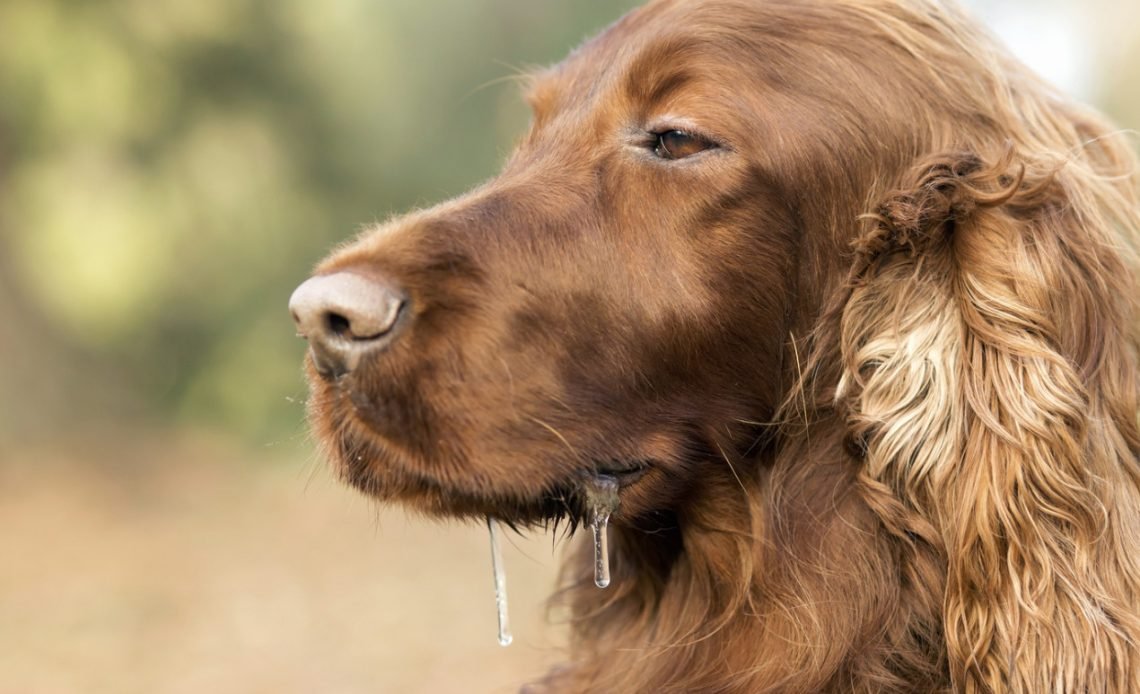
Why Is My Dog Salivating So Much All of a Sudden? Something is likely triggering that response. Sudden excessive drooling in dogs, medically called hypersalivation or ptyalism, can range from completely harmless to a sign of a serious health issue.
Some causes clear up on their own, while others need urgent vet care. As a dog owner, knowing the difference could save your pet’s life.
What Is Hypersalivation in Dogs?
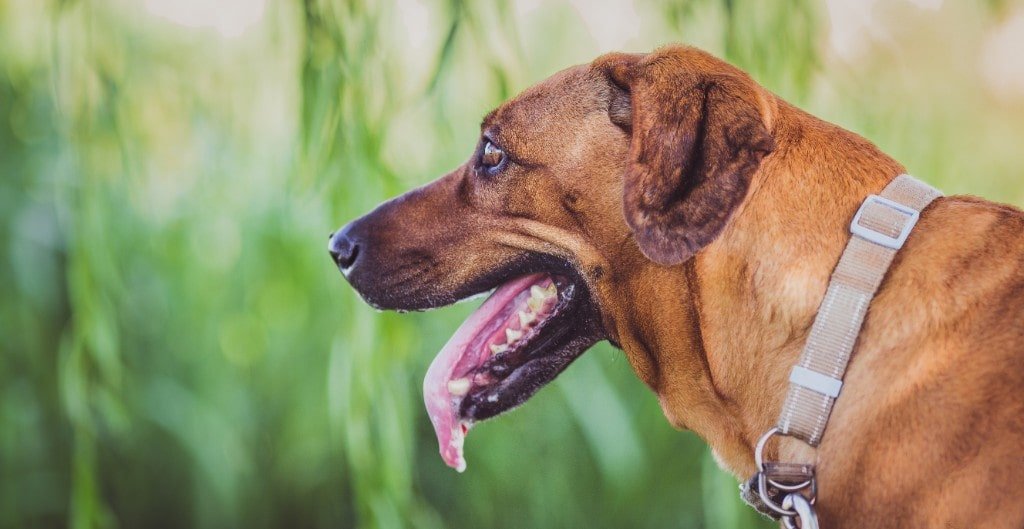
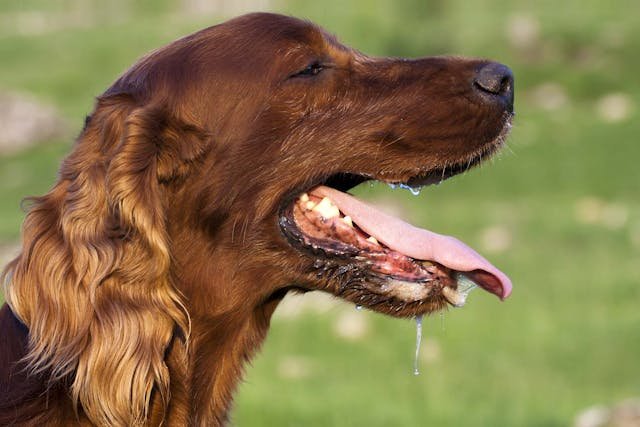
Hypersalivation means your dog’s salivary glands are producing more saliva than your dog can swallow. The overflow drips or pours from the mouth.
Pseudoptyalism is slightly different — the glands produce a normal amount, but your dog cannot swallow it properly. Both conditions look the same from the outside.
Saliva is made up of about 98% water plus enzymes, electrolytes, and antibacterial compounds. It helps with digestion, oral health, and food breakdown. Too much of it, however, is a signal worth paying attention to.
Is Sudden Drooling Always a Problem?
Not always. Brief or mild drooling triggered by food smells, excitement, or a car ride is normal and passes quickly.
The concern rises when the drooling is sudden, heavy, ongoing, and paired with other symptoms. That combination usually points to an underlying medical issue.
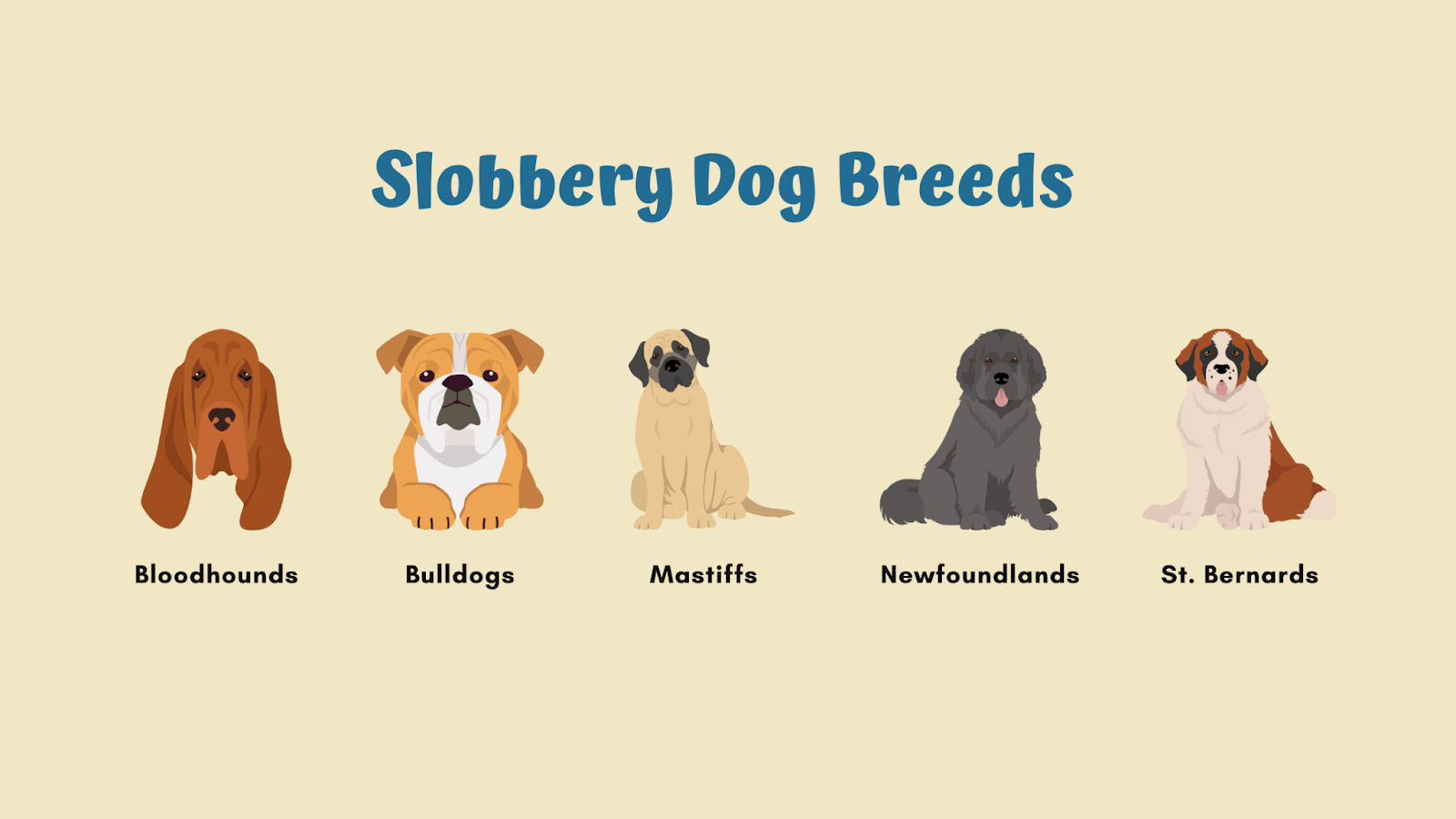
A dog that has never drooled much and suddenly starts drooling heavily is a bigger concern than a Saint Bernard slobbering at dinnertime.
Top Causes: Why Is My Dog Salivating So Much All of a Sudden?
Understanding the cause is the first step toward helping your dog. Here are the most common reasons vets see for sudden excessive salivation.
1. Dental Disease and Oral Health Problems
Dental disease is the single most common cause of excessive drooling in dogs. Tartar buildup, gingivitis, and periodontal disease create pain and inflammation that stimulate extra saliva.
Broken teeth, tooth-root abscesses, mouth ulcers, and oral tumors all have the same drooling effect. Even gum infection alone is enough to send saliva production into overdrive.
Check your dog’s mouth. Yellow or brown teeth, red or swollen gums, and foul-smelling breath are signs that dental disease may be the culprit.
2. Foreign Object Stuck in the Mouth or Throat
Dogs chew on everything — sticks, bones, toys, and more. These items can get lodged between teeth or stuck in the throat.
A bone wedged between the upper molars is one of the most common scenarios. The irritation causes instant and heavy drooling as the body tries to flush the object out.
Sudden malodorous breath alongside drooling often signals something is stuck. Check the mouth carefully, and if you can’t see or safely remove it, go to the vet immediately.
3. Nausea and Gastrointestinal (GI) Issues
When a dog feels nauseated, the salivary glands kick into high gear. This is a reflex designed to coat the esophagus and prepare the stomach for vomiting.
GI causes include gastroenteritis, stomach ulcers, pancreatitis, foreign body obstruction, and eating too fast or too much. Even dietary indiscretion — like raiding the trash — can cause sudden nausea-driven drooling.
Watch for drooling paired with vomiting, retching, diarrhea, or a swollen abdomen. These combinations need prompt vet attention.
4. Motion Sickness and Car Rides
Many dogs drool heavily in vehicles because of motion sickness or travel anxiety. The unfamiliar movement combined with stress activates the salivary glands.
Dogs with motion sickness may also pant, pace, whine, or vomit in the car. The drooling usually stops once the ride ends.
If car sickness is an ongoing issue, talk to your vet about anti-nausea medications. Gradual desensitization — short trips that slowly increase in length — can also help.
5. Toxin Ingestion or Poisoning
Poisoning is one of the most urgent causes of sudden excessive drooling. Common household toxins include cleaning products, certain houseplants, chocolate, xylitol (found in sugar-free gum), and medications.
When a dog ingests something toxic, drooling is often one of the first symptoms. As the poisoning worsens, the dog may foam at the mouth, have seizures, or collapse.
If you suspect poisoning, do not wait for more symptoms. Call your vet or an emergency animal poison hotline immediately.
6. Anxiety and Emotional Stress
Stressful events like moving to a new home, loud fireworks, a vet visit, or an unfamiliar environment can cause sudden drooling. This type is behavioral, not medical.
Anxious dogs may also pant heavily, pace, whine, tremble, or have diarrhea alongside the drooling. The excess saliva production is a direct response to the nervous system being activated.
Pheromone diffusers, calming wraps, familiar toys, and quiet environments can help reduce stress-related drooling.
7. Neurological Conditions
Damage to the nerves that connect to the salivary glands — or to the brain itself — can cause uncontrolled saliva production. Conditions like idiopathic trigeminal neuritis inflame the trigeminal nerve, making jaw control and swallowing difficult.
Dogs with neurological causes may also show uneven pupils, difficulty walking, weakness, lethargy, or an inability to close the mouth properly.
This is a serious cause and requires immediate veterinary evaluation. Do not delay if you see drooling alongside neurological signs.
8. Heatstroke and Overheating
Dogs regulate body temperature through panting. As body temperature rises, saliva production increases to help with cooling.
Heavy drooling during or after vigorous exercise in hot weather is a red flag for heatstroke. Other signs include rapid breathing, bright red gums, glassy eyes, and weakness.
Heatstroke is a life-threatening emergency. Move your dog to a cool area immediately, offer small sips of cool (not ice cold) water, and call your vet right away.
9. Organ Disease (Kidney or Liver)
Both kidney disease and liver disease cause toxins to build up in the bloodstream. These toxins irritate the gastrointestinal tract and cause nausea, which leads to hypersalivation.
Organ disease drooling is usually gradual rather than sudden, but an acute episode can occur as the disease progresses. Older dogs are more at risk.
Annual vet checkups with blood work are the best way to catch organ disease early before drooling and other symptoms escalate.
10. Allergic Reactions
Severe allergic reactions cause widespread inflammation that can include the mouth and throat. Swelling in these areas makes swallowing difficult, allowing saliva to pool and overflow.
Signs of an allergic reaction include facial swelling, hives, itching, vomiting, and difficulty breathing. This is an emergency — seek vet care immediately.
Even mild food allergies can cause low-level drooling if they irritate the lining of the mouth and gut. Talk to your vet about elimination diets if you suspect chronic food sensitivity.
11. Viral or Bacterial Infections
Rabies and tetanus are well-known infectious causes of excessive salivation in dogs. Rabies specifically causes nerve damage that makes swallowing impossible, resulting in the classic “foaming at the mouth” image.
Other infections like distemper and certain forms of bacterial stomatitis can also cause drooling. Keeping your dog’s vaccinations up to date is the best prevention.
If your dog has not been vaccinated and is suddenly drooling heavily with behavior changes, contact your vet without delay.
12. Medications and Drug Side Effects
Certain medications cause increased saliva production as a side effect. If your dog recently started a new drug and then began drooling more, the medication could be the reason.
Common offenders include some antibiotics, anti-seizure drugs, and certain parasite treatments. Never stop a prescribed medication without consulting your vet first.
Let your vet know about the drooling so they can adjust the dosage, switch medications, or confirm the drooling is expected and temporary.
Breed-Specific Drooling: Is It Normal for Your Dog?
Some breeds are built to drool more than others because of their facial anatomy. Knowing whether your dog is a natural drooler helps you better spot when something is truly wrong.
| Breed | Drool Level | Why |
|---|---|---|
| Saint Bernard | Very High | Large, pendulous upper lips (flews) |
| Mastiff | Very High | Loose, heavy jowls |
| Bloodhound | High | Long, droopy lips |
| Newfoundland | High | Large mouth with loose folds |
| Bulldog | Moderate–High | Short nose and facial folds |
| Basset Hound | Moderate | Long ears and saggy lips |
| Bernese Mountain Dog | Moderate | Loose lip structure |
| Labrador Retriever | Low–Moderate | Mostly food or excitement triggered |
| Chihuahua | Low | Tight, small mouth |
| Greyhound | Low | Lean, tight facial structure |
If your dog is on the “low” end of this table and suddenly starts drooling heavily, that change is a bigger concern than a Saint Bernard that drools at every meal.
Warning Signs That Mean Go to the Vet Now
Not all drooling is an emergency, but some signs mean you should act immediately. Do not wait to see if things improve on their own when you notice:
Trouble swallowing or breathing alongside drooling is always an emergency. Pawing at the mouth combined with sudden heavy drooling suggests something is stuck. Vomiting or retching that won’t stop needs urgent care. A bloated or hard belly with drooling could indicate gastric torsion (bloat), which is life-threatening. Drooling after possible contact with a toxin or poison needs emergency vet care right away. Collapse, tremors, or seizures alongside drooling are neurological emergencies. Pale gums with rapid breathing indicate your dog may be in shock.
Normal vs. Concerning Drooling: Quick Comparison
| Situation | Type | Action Needed |
|---|---|---|
| Drools when food is nearby | Normal | None |
| Drools briefly in the car | Normal | Monitor; anti-nausea if frequent |
| Drools when excited or greeting | Normal | None |
| Sudden heavy drooling with no cause | Concerning | Call vet |
| Drooling with bad breath and appetite loss | Concerning | Schedule vet visit |
| Drooling with vomiting and bloated belly | Emergency | Go to vet immediately |
| Drooling after suspected toxin ingestion | Emergency | Emergency vet or poison hotline now |
| Drooling with facial swelling | Emergency | Emergency vet immediately |
How Vets Diagnose Excessive Drooling
Your vet will start with a full physical exam including a thorough inspection of the mouth, teeth, gums, and throat. They will ask you about the timeline, other symptoms, diet changes, and possible toxin exposure.
Depending on what the exam reveals, your vet may order blood work to check for organ disease or infection, X-rays or ultrasound to look for foreign objects or masses, and urinalysis to check kidney function.
The goal is to find the root cause so treatment can be targeted and effective.
Treatment Options for Excessive Salivation in Dogs
Treatment depends entirely on the underlying cause. There is no single fix for excessive drooling — solving the root problem is what stops the saliva.
Dental disease: Professional dental cleaning under anesthesia, tooth extraction if needed, and ongoing dental hygiene at home. Daily tooth brushing and dental chews help maintain oral health between cleanings.
Foreign object: Removal under sedation or anesthesia if the object is deeply lodged. Never force objects out yourself, as this can push them further in or cause injury.
GI issues: Dietary changes, anti-nausea medications, and in severe cases, surgery for blockages.
Nausea or motion sickness: Prescription anti-nausea drugs, travel desensitization, and adjusting feeding schedules before car rides.
Poisoning: Immediate decontamination, induced vomiting if appropriate, activated charcoal, IV fluids, and supportive care.
Anxiety: Behavioral training, calming products, pheromone diffusers, and in some cases, anti-anxiety medications prescribed by a vet.
Heatstroke: Immediate cooling, IV fluids, and emergency supportive care.
Neurological conditions: Depend on the specific diagnosis and may include steroids, pain management, or specialist referral.
At-Home Tips to Manage and Reduce Drooling
While you should always address the cause with your vet, these at-home strategies can help keep your dog comfortable and your home cleaner.
Keep fresh, cool water available at all times. A well-hydrated dog produces more balanced saliva. Dehydration can actually concentrate saliva and worsen irritation.
Brush your dog’s teeth regularly. Even a few times a week reduces tartar buildup significantly, cutting down on one of the most common causes of chronic drooling.
Use dental chews and water additives. These help control bacteria and plaque in between brushing sessions and keep the mouth healthier overall.
Wipe the muzzle area after meals and playtime. For heavy-jowled breeds, keeping a soft cloth nearby prevents drool from matting fur and causing skin irritation.
Reduce stress triggers where possible. If your dog drools during fireworks, give them a safe, quiet space. If car rides trigger drooling, use gradual exposure to desensitize them over time.
Trim excess fur around the muzzle. Long fur traps drool and can cause odor and skin problems over time. Keeping it trimmed keeps the area drier and cleaner.
Avoid known food triggers. If a certain food consistently causes drooling or nausea, remove it from the diet and discuss food sensitivities with your vet.
Plants That Can Cause Sudden Excessive Drooling
Many common household and garden plants are toxic to dogs and cause immediate drooling when chewed or ingested. Be aware of these plants in your home and yard:
| Plant | Toxicity Level | Common Symptom |
|---|---|---|
| Sago Palm | Severe | Drooling, vomiting, liver failure |
| Azalea / Rhododendron | Moderate–Severe | Drooling, vomiting, heart issues |
| Tulip (bulbs) | Moderate | Drooling, nausea, depression |
| Chrysanthemum | Mild–Moderate | Drooling, vomiting, skin irritation |
| Dieffenbachia | Moderate | Intense mouth pain, drooling |
| Oleander | Severe | Drooling, heart problems |
| Foxglove | Severe | Drooling, cardiac arrhythmia |
| Mushrooms (wild) | Varies | Drooling, tremors, organ failure |
If your dog has chewed on any of these plants and is drooling heavily, call your vet or an animal poison control hotline immediately.
Foods That Trigger Sudden Drooling or Are Toxic
Some human foods also cause immediate drooling because they irritate the mouth, are toxic, or trigger severe nausea in dogs.
Chocolate, xylitol (sugar-free products), onions, garlic, grapes, raisins, macadamia nuts, and alcohol are all toxic to dogs and can cause sudden, severe drooling as an early symptom. Never leave these within your dog’s reach.
Spicy, acidic, or very salty foods can also irritate the mouth lining and trigger temporary excess salivation even if they are not technically toxic.
Preventing Excessive Salivation: A Practical Checklist
Prevention is always easier than treatment. Incorporating these habits into your routine reduces the risk of drooling emergencies significantly.
Schedule annual or twice-yearly vet checkups. Many underlying causes like organ disease and dental disease are caught early during routine exams before drooling and other symptoms develop.
Keep vaccinations current, especially for rabies. This eliminates one of the most serious infectious causes of uncontrolled drooling.
Puppy-proof and dog-proof your home. Keep cleaning supplies, medications, and toxic foods locked away. Know which plants are in your yard and remove those that are dangerous.
Monitor what your dog chews on. Avoid giving bones that splinter, and inspect toys regularly for pieces that could break off and become lodged in the mouth or throat.
Maintain dental hygiene consistently. Dental disease is the leading cause of drooling in dogs and is almost entirely preventable with regular brushing and professional cleanings.
Watch for changes in drooling patterns. You know your dog best. Any sudden or significant change from their normal drooling baseline is worth a call to your vet.
When to Call an Emergency Vet vs. Schedule a Regular Appointment
Call an emergency vet immediately if: Your dog is drooling heavily and has a swollen, hard belly. Drooling is combined with collapse, tremors, or seizures. You suspect toxin or poison ingestion. There is visible swelling around the face, throat, or neck. Your dog cannot swallow, is gagging continuously, or is struggling to breathe.
Schedule a regular vet appointment if: Drooling has increased gradually over days or weeks. Bad breath accompanies the drooling. Your dog is eating less or dropping food. You suspect dental disease or a mild mouth issue. Drooling happens repeatedly during car rides or stressful events.
Frequently Asked Questions (FAQs)
Why is my dog suddenly drooling more than usual?
Sudden excess drooling is usually caused by nausea, a mouth irritant, a foreign object, dental pain, stress, or toxin ingestion. Always check for other symptoms and call your vet if it persists.
Is sudden drooling in dogs an emergency?
It depends on the cause. Drooling with vomiting, belly bloat, collapse, facial swelling, or suspected poisoning is always an emergency requiring immediate vet care.
Can anxiety cause a dog to drool excessively?
Yes, stressful events like car rides, fireworks, vet visits, or new environments activate the nervous system and trigger excess saliva production in dogs.
What does it mean if my dog is drooling and not eating?
Drooling combined with appetite loss often points to oral pain, dental disease, nausea, or a GI issue that needs prompt veterinary evaluation.
How do I know if my dog ate something toxic?
Sudden heavy drooling after possible plant or chemical contact, combined with vomiting, trembling, or behavior changes, strongly suggests toxin ingestion — call your vet immediately.
Can dental disease cause sudden excessive drooling?
Yes, it is actually the most common cause. Infected gums, abscessed teeth, and severe tartar buildup all trigger heavy salivation that can seem sudden even if the disease developed slowly.
Why does my dog drool so much in the car?
Car drooling is almost always linked to motion sickness or travel anxiety. Both activate the salivary glands and can be managed with desensitization training or vet-prescribed anti-nausea medication.
Can kidney or liver disease cause drooling in dogs?
Yes. Both conditions cause toxin buildup in the blood that irritates the GI tract, leading to nausea and excessive salivation — often alongside increased thirst, weight loss, and lethargy.
What home remedies help with dog drooling?
Keep water fresh, brush teeth regularly, reduce stress triggers, wipe the muzzle after meals, and use dental chews. These support oral health but do not replace vet treatment for a medical cause.
When should I take my drooling dog to the vet?
Take your dog to the vet if drooling is sudden and heavy, lasts more than a few hours, is paired with other symptoms, or if you cannot identify a clear, harmless cause like food anticipation.
Conclusion
If your dog is salivating so much all of a sudden, your first job is to stay calm and observe. Check the mouth for foreign objects, think about any recent exposures to plants or toxins, and note any other symptoms like vomiting, lethargy, or behavioral changes.
Most causes of sudden excessive drooling in dogs are treatable when caught early. Dental disease, nausea, stress, and toxin exposure are the most common triggers, and all of them respond well to timely veterinary care.
Do not ignore a sudden change in your dog’s drooling patterns, especially if it comes with other warning signs. The sooner you identify the cause, the faster your dog can get back to their happy, healthy self. When in doubt, call your vet — it is always better to be safe than sorry.


