



Why is my dog coughing all of a sudden, and should you be worried? A sudden cough can be alarming, especially if it sounds like a honking goose or your dog seems to be choking. In most cases, this points to kennel cough, a common and highly contagious respiratory infection that spreads in places where dogs gather.
But coughing can also come from allergies, a collapsed trachea, heart disease, or something stuck in the throat. Knowing the difference helps you decide whether home care is enough or a vet visit is needed right away.
What Does It Mean When Your Dog Suddenly Starts Coughing
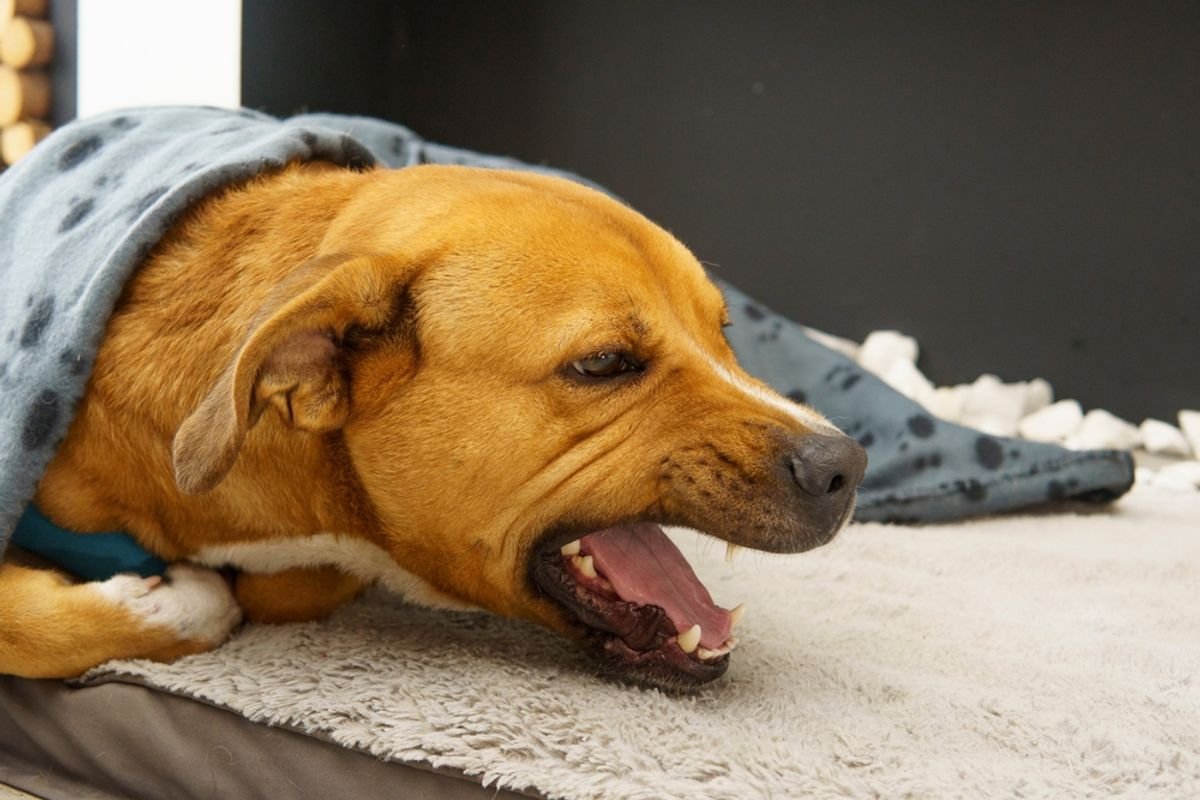
A sudden cough usually means something is irritating your dog’s throat, airway, or lungs. It could be as simple as a scratchy throat or as serious as a heart condition.
The sound of the cough often gives the first clue. A dry, honking cough points toward kennel cough, while a wet, moist cough can suggest fluid in the lungs or a more serious issue.
Is It Kennel Cough? Key Signs to Look For
Kennel cough, also called canine infectious respiratory disease complex (CIRDC), is the most common reason for a sudden dog cough. It’s highly contagious and spreads quickly between dogs.
| Sign | Kennel Cough | Other Cough Causes |
|---|---|---|
| Sound | Honking, goose-like, dry | Wet, gagging, or wheezing |
| Appetite | Usually normal | Often reduced if serious |
| Energy level | Normal, alert | Lethargic if heart/lung disease |
| Recent exposure | Boarding, daycare, dog park | Not always relevant |
| Duration | 1–3 weeks | Varies, can be chronic |
What Causes Kennel Cough in Dogs
Kennel cough is caused by a mix of bacteria and viruses working together, most commonly Bordetella bronchiseptica alongside canine parainfluenza virus. Several other pathogens can be involved too.
These germs spread through airborne droplets when an infected dog coughs or sneezes. They also spread through shared water bowls, toys, and close contact in crowded spaces.
Where Dogs Usually Catch Kennel Cough
Boarding facilities, doggy daycare, grooming salons, dog parks, and shelters are the most common places dogs pick up kennel cough. Anywhere multiple dogs share air and surfaces increases the risk.
Stress, cold air, poor ventilation, and crowding all make a dog’s airway more vulnerable. This is why kennel cough spreads so easily in group settings.
The Classic Symptoms of Kennel Cough
The hallmark symptom is a persistent, forceful cough that sounds like a goose honking. It can be dry, or sometimes followed by gagging, retching, or a small amount of mucus.
Many dogs with kennel cough still eat normally and act mostly like themselves otherwise. Some may also show mild sneezing, a runny nose, or slight eye discharge.
Kennel Cough vs Reverse Sneezing
A reverse sneeze can sound a lot like coughing, but it isn’t the same thing. It happens when something irritates the back of a dog’s nasal passages.
Reverse sneezing usually comes in short bursts and resolves on its own within seconds. Occasional reverse sneezes are normal and not a sign of kennel cough.
How Long Kennel Cough Lasts
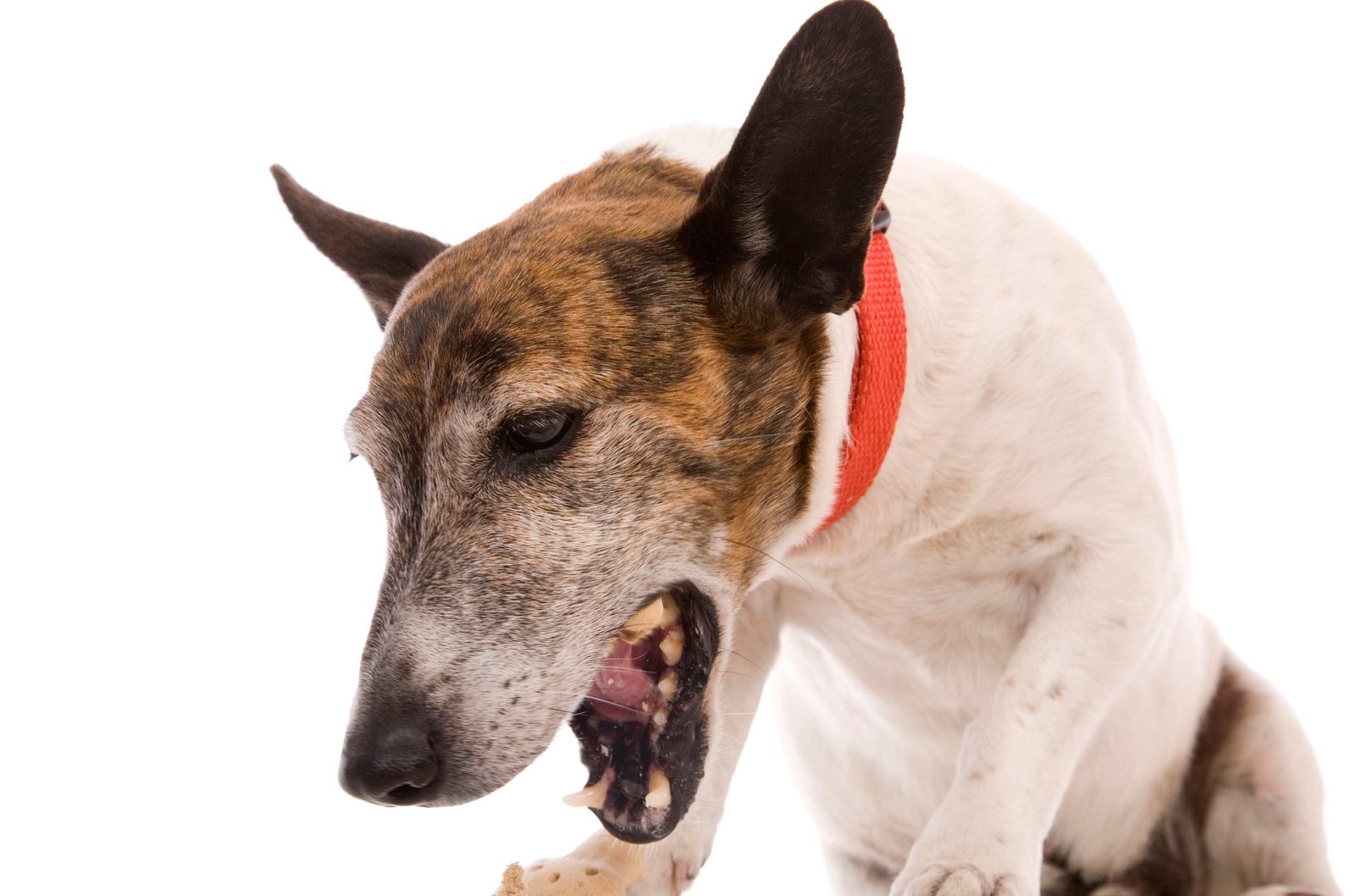
Most dogs recover from kennel cough within one to three weeks with rest and basic supportive care. Puppies and senior dogs may take longer, sometimes up to six weeks.
If the cough doesn’t improve within this window, or gets noticeably worse, that’s a signal to follow up with your vet.
Is Kennel Cough Dangerous for My Dog
For most healthy adult dogs, kennel cough is uncomfortable but not dangerous, and many cases resolve without treatment. It behaves a lot like a common cold.
Puppies, senior dogs, and dogs with weaker immune systems face a higher risk of complications. In these dogs, kennel cough can occasionally progress into pneumonia.
Other Common Causes of Dog Coughing
Not every cough is kennel cough. Several other conditions can cause similar symptoms, and telling them apart matters for proper treatment.
| Cause | Typical Cough Sound | Extra Clues |
|---|---|---|
| Kennel cough | Honking, dry | Recent boarding/daycare exposure |
| Collapsing trachea | Goose-honk, worse with excitement | Common in small breeds |
| Heart disease | Soft cough, worse at night/lying down | Fatigue, reduced stamina |
| Allergies | Dry, recurring | Seasonal pattern, itching |
| Chronic bronchitis | Dry, hacking, worsens with exercise | Long-term, gradual onset |
| Foreign object | Sudden, gagging, choking | Started very abruptly |
| Canine influenza | Cough with fever, discharge | More severe illness overall |
Collapsing Trachea and Coughing
Small dog breeds are more prone to a weakening of the cartilage rings around the trachea. This causes the airway to collapse slightly when the dog breathes in.
The resulting cough often sounds like a goose honk too, which can make it easy to confuse with kennel cough. It tends to worsen with excitement, heat, or pulling on a leash.
Heart Disease as a Cause of Coughing
Certain types of heart disease, including mitral valve disease and congestive heart failure, can cause a chronic cough. This is more common in older or small-breed dogs.
A heart-related cough often happens at night or when lying down. It may come with tiredness, reduced exercise tolerance, or a change in breathing pattern.
Allergies and Airway Irritation
Just like people, dogs can develop airway irritation from allergens in the environment. This triggers inflammation that leads to a recurring dry cough.
Allergy-related coughing often follows a seasonal pattern and may come along with itchy skin or watery eyes.
When a Cough Signals an Emergency
Some coughing symptoms need immediate veterinary attention rather than a wait-and-see approach. Recognizing these early can prevent a more serious outcome.
| Warning Sign | Possible Meaning |
|---|---|
| Difficulty breathing or rapid breathing | Pneumonia or airway obstruction |
| Blue or pale gums | Oxygen deprivation, emergency |
| Not eating or extreme lethargy | Serious underlying illness |
| Coughing up blood | Needs urgent evaluation |
| High fever | Infection spreading beyond airway |
How Vets Diagnose the Cause of a Cough
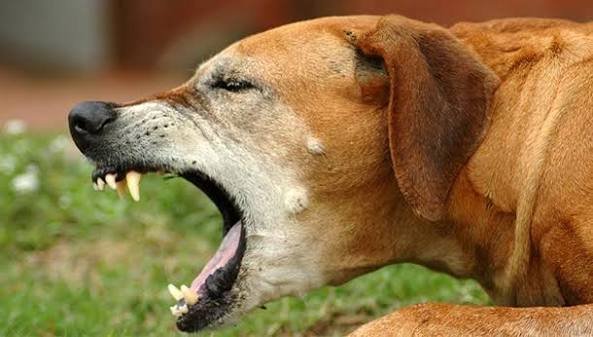
Vets usually start with a physical exam and a detailed history, including recent exposure to other dogs. Hearing the cough, or seeing a video of it, helps a lot with diagnosis.
Chest X-rays may be used to check the lungs and heart. In some cases, a nasal swab or blood test helps identify the exact virus or bacteria involved.
Treatment for Kennel Cough
Most kennel cough cases resolve with rest and supportive care alone, without needing medication. Your vet may still prescribe a cough suppressant to help your dog sleep better.
If there are signs of a bacterial infection, like nasal discharge or reduced appetite, antibiotics such as doxycycline may be recommended.
Home Care Tips While Your Dog Recovers
Supportive home care can ease discomfort while your dog’s immune system fights off the infection. These steps are commonly recommended by veterinarians for mild cases.
Rest and Reduced Activity
Exercise and excitement can make coughing worse, especially with kennel cough or a collapsing trachea. Keep walks short and calm until the cough improves.
Comfortable, quiet rest gives your dog’s airway time to heal without added strain.
Use a Harness Instead of a Collar
A collar puts direct pressure on the throat and can trigger more coughing episodes. Switching to a harness reduces this irritation during walks.
This simple change is especially helpful for small dogs prone to tracheal irritation.
Humidifiers and Steam Therapy
Sitting in a steamy bathroom for a few minutes can help loosen airway irritation and ease coughing. A humidifier in your dog’s sleeping area works similarly.
Never leave your dog alone in a steamy room, and stop if they seem stressed or uncomfortable.
Keep Your Dog Hydrated and Fed
Fresh water should always be available to support recovery. If appetite drops, tempting your dog with a high-value food like cooked chicken can help.
Contact your vet if your dog refuses food for more than a day, as this can signal a bigger problem.
Isolating Your Dog to Prevent Spread
Kennel cough is highly contagious, so keep your dog away from other dogs during the illness. Continue this isolation for two to three weeks after symptoms clear.
This helps protect other dogs in your home, at parks, and in shared spaces from catching the infection.
The Kennel Cough Vaccine
A vaccine is available for Bordetella and some of the viruses linked to kennel cough. It’s often required before boarding, grooming, or daycare visits.
The vaccine doesn’t guarantee full protection since so many pathogens can cause kennel cough, but it does reduce the severity and duration of symptoms.
How to Prevent Kennel Cough
Preventing kennel cough comes down to vaccination, hygiene, and limiting exposure to crowded dog environments. A few consistent habits go a long way.
Keep vaccinations up to date, especially before boarding or daycare stays. Clean food bowls, toys, and bedding regularly, and avoid heavily crowded spaces if your dog isn’t vaccinated.
When to Take Your Dog to the Vet
See a vet if the cough lasts more than a week without improvement, or if it’s getting worse instead of better. Persistent coughing deserves a proper evaluation.
Seek care immediately if your dog shows labored breathing, blue or pale gums, high fever, or refuses to eat. These signs suggest a more serious underlying issue.
Frequently Asked Questions (FAQs)
1. Why is my dog coughing all of a sudden?
It’s often kennel cough, especially after boarding, daycare, or grooming. Other causes include allergies, a collapsing trachea, or a foreign object in the throat.
2. Is kennel cough dangerous for healthy adult dogs?
Usually not; most healthy adults recover within one to three weeks without treatment. Puppies, seniors, and dogs with weak immune systems face more risk.
3. How can I tell if it’s kennel cough or something else?
Kennel cough sounds like a dry, honking cough, and dogs usually keep eating normally. A wet cough, lethargy, or loss of appetite suggests a different cause.
4. Can my dog catch kennel cough from a dog park?
Yes, dog parks are a common source since kennel cough spreads through airborne droplets and shared surfaces. Crowded, enclosed spaces raise the risk further.
5. Does the kennel cough vaccine fully prevent it?
No, it reduces severity and duration but doesn’t guarantee full protection. This is because kennel cough can be caused by many different pathogens.
6. How long is my dog contagious with kennel cough?
Dogs can remain contagious for two to three weeks after symptoms clear. Keep them away from other dogs during this entire period.
7. Should I give my dog human cough medicine?
No, human cough medicine isn’t safe or appropriate for dogs. Always consult your vet before giving any medication for a cough.
8. Can small dogs get a cough from something other than kennel cough?
Yes, small breeds are prone to collapsing trachea, which causes a similar honking cough. A vet exam can tell the two apart.
9. When should I worry about my dog’s cough?
Worry if the cough lasts more than a week, worsens, or comes with labored breathing, fever, or lethargy. These need prompt veterinary attention.
10. Can a cough be a sign of heart disease in dogs?
Yes, especially in older or small-breed dogs, a chronic cough that’s worse at night can signal heart disease. A vet checkup is the best way to confirm this.
Conclusion
A sudden cough in your dog is unsettling, but understanding the possible causes helps you respond with the right level of concern. Kennel cough is the most common culprit, especially after boarding, daycare, or time at a dog park, and most healthy dogs recover within a few weeks with rest and supportive care.
Still, coughing can also point to a collapsing trachea, allergies, heart disease, or something more serious, which is why watching for warning signs like labored breathing, lethargy, or loss of appetite matters.
Simple home care, like using a harness instead of a collar, offering steam therapy, and keeping your dog isolated from others, can ease discomfort during recovery. When in doubt, or if the cough lingers beyond a week, a veterinary visit ensures your dog gets the right diagnosis and treatment before things become more serious.


