

If your cat has suddenly disappeared under the bed or behind the couch, you’re probably wondering, “why is my cat hiding?” The good news is that hiding is often normal, but sometimes it’s your cat’s way of telling you something is wrong.
Why Is My Cat Hiding?
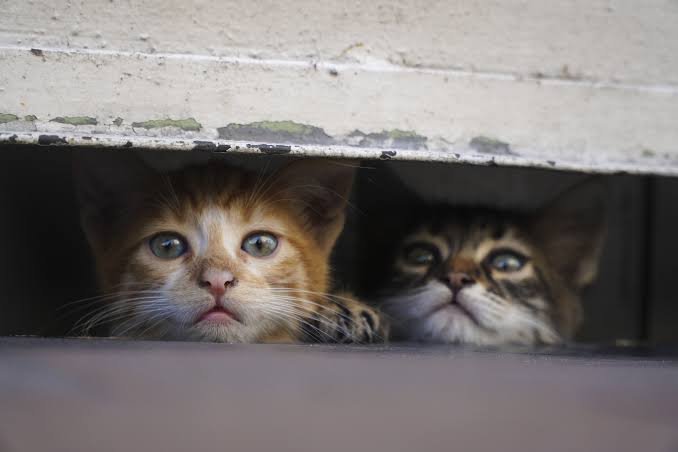

Cats hide mainly due to fear, stress, illness, or a natural instinct to feel safe. Occasional hiding is normal cat behavior, but sudden or prolonged hiding paired with changes in eating or litter box habits usually signals a health issue.
Common Reasons Cats Hide
Hiding is a built-in survival behavior. In the wild, a hidden cat is a safe cat, and that instinct hasn’t disappeared in house cats.
1. Natural Instinct
Cats are most active at dawn and dusk, so resting in a quiet, tucked-away spot during the day is completely normal.
This kind of hiding is short and doesn’t affect appetite, energy, or litter box habits.
2. Fear or Sudden Noises
Loud sounds like thunderstorms, fireworks, vacuum cleaners, or construction work can send a cat straight into hiding.
This type of hiding usually ends once the noise stops and your cat feels the coast is clear.
3. Stress or Anxiety
Big life changes are a major trigger for hiding. Moving homes, a new pet, a new baby, or even rearranged furniture can unsettle a cat.
Stress-related hiding often comes with other signs like reduced appetite, excessive grooming, or vocalizing.
4. Illness or Pain
Cats are experts at masking pain, and hiding is frequently their only visible symptom. Withdrawing to a hidden spot protects a vulnerable animal from predators in the wild.
If your normally social cat suddenly avoids everyone, it’s worth ruling out a medical cause.
5. New or Unfamiliar Environment
A new home, a boarding stay, or even a new piece of furniture can make a cat cautious. Hiding gives them time to observe before exploring.
6. Conflict With Other Pets
Tension between cats, or even a dog that’s too enthusiastic, can push a cat into hiding as a way to avoid confrontation.
7. Overstimulation From Attention
Constant handling, especially from young children, can overwhelm a cat and make hiding feel like the only escape.
Symptoms That Often Come With Concerning Hiding
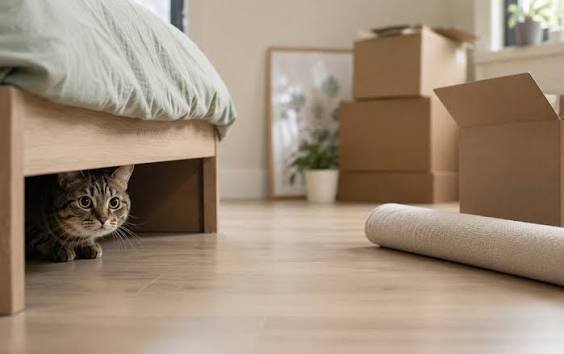

Not all hiding is equal. These accompanying signs suggest something beyond normal behavior.
- Skipping meals or drinking less water
- Avoiding the litter box or changes in litter box habits
- Vomiting, diarrhea, or noticeable weight loss
- Lethargy even when coaxed out
- Hissing or flinching when touched
- Hiding for days instead of hours
When to Call the Vet
Occasional hiding rarely needs medical attention. A pattern shift is the real signal to watch for.
Signs You Should Not Ignore
- Hiding lasts more than 24–48 hours
- No interest in food or water
- Signs of pain when moving or being touched
- Labored breathing or visible distress
- Hiding paired with vomiting or diarrhea
If any of these show up, schedule a veterinary exam rather than waiting to see if it passes.
How to Help a Hiding Cat Feel Safe
These steps can ease stress-related or fear-based hiding while giving your cat room to recover on their own terms.
Give Them Space
Avoid pulling your cat out of their hiding spot. Forcing contact usually increases stress instead of reducing it.
Create a Designated Safe Zone
A covered bed, open crate, or quiet closet with food, water, and a litter box nearby gives your cat a low-stress retreat.
Stick to a Predictable Routine
Consistent feeding times and calm daily patterns help anxious cats feel more secure over time.
Use Calming Aids
Pheromone diffusers or calming sprays designed for cats can reduce anxiety during stressful periods like moves or storms.
Slowly Reintroduce New Changes
When introducing a new pet or family member, go slowly and let your cat set the pace using treats and short, calm interactions.
Normal Hiding vs Concerning Hiding
| Behavior | Normal Hiding | Concerning Hiding |
|---|---|---|
| Duration | A few hours | More than 1–2 days |
| Appetite | Eats and drinks normally | Skipping meals or water |
| Litter box | Normal use | Avoiding or straining |
| Response to coaxing | Comes out for food or play | Stays hidden even for favorite treats |
| Body language | Relaxed when found | Hissing, flinching, or tense |
Common Cat Hiding Spots
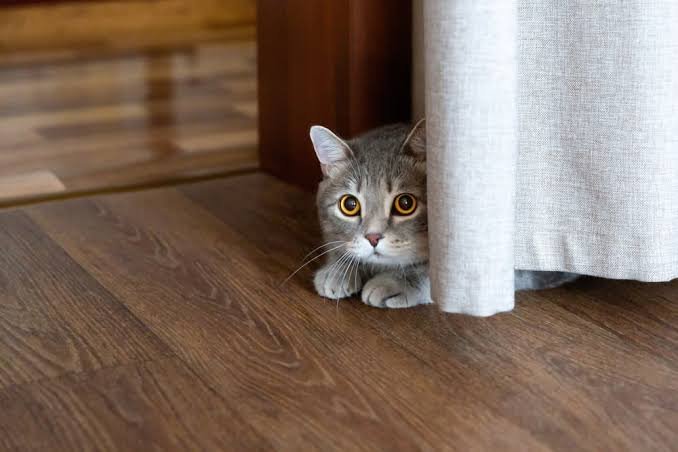
| Location | Why Cats Choose It |
|---|---|
| Under the bed | Dark, enclosed, and low traffic |
| Inside closets | Quiet and away from noise |
| Behind furniture | Offers a clear view while staying hidden |
| Inside boxes | Enclosed spaces feel secure |
| On top of wardrobes | Elevated spots feel safer from threats |
Also Read:
- Why Does My Gum Hurt When I Touch It? Causes & Relief
- Why Is My Tongue Itchy? Common Causes & Treatments
- Why Are MRIs So Expensive? The Real Cost Explained
- How Cashless Health Insurance Is Transforming Patient Experience
- Dr. L Barbara Robinson on What Patients Should Understand Before Choosing Robotic Heart Surgery
- How Peptides Are Changing the Science of Bodybuilding Research
- How the Best Personal Training Studios in Singapore Use Data
- How Care Patterns Help During Steps to Report Suspected Nursing Home Abuse
- From Hair Care Idea To Business: How Bo International Supports Startup Brands
- Portable Space Heaters vs Fan Heaters: Pros and Cons
- How Insurance Responses Can Affect a Houston, TX Auto Accident Claim
- The Investigation Steps a Premises Liability Lawyer May Take After an Injury
- Does Being a Loan Guarantor Affect Your CIBIL Score
- Do You Need Legal Help After a Truck Accident? Here’s What to Know
- Employee Rights and Legal Remedies in Whistleblower Retaliation Cases
- 430+ Trendy Roblox Username Ideas for Boys & Girls
- 1000+ Trendy Instagram Usernames Ideas for Girls
- Letflix Review – Features, How It Works and Safe to Use?
- Download Gayatri Mantra Best Ringtone Mp3/M4R
- Grand Theft Auto: San Andreas – Theme Song Download
- Download Mission Impossible – Original Theme Song
- Randy Orton – Voices WWE Theme Song Download
- Lorde – Liability (Instrumental)
- Mac Miller – Diablo (Instrumental)
- David Guetta – Lovers On The Sun (Instrumental)

Frequently Asked Questions (FAQs)
Why is my cat hiding all of a sudden?
Sudden hiding usually points to fear, a loud noise, or the start of an illness. If it persists beyond a day, check in with your vet.
Why is my cat hiding and not eating?
Loss of appetite combined with hiding is a common sign of illness or pain and should be checked by a vet promptly.
Why is my cat hiding after I got a new pet?
New pets are one of the top stress triggers for cats. Slow, gradual introductions help reduce hiding over time.
Is it normal for a new cat to hide for days?
Yes, especially in the first few days in a new home. Most cats come out within a week once they feel safe.
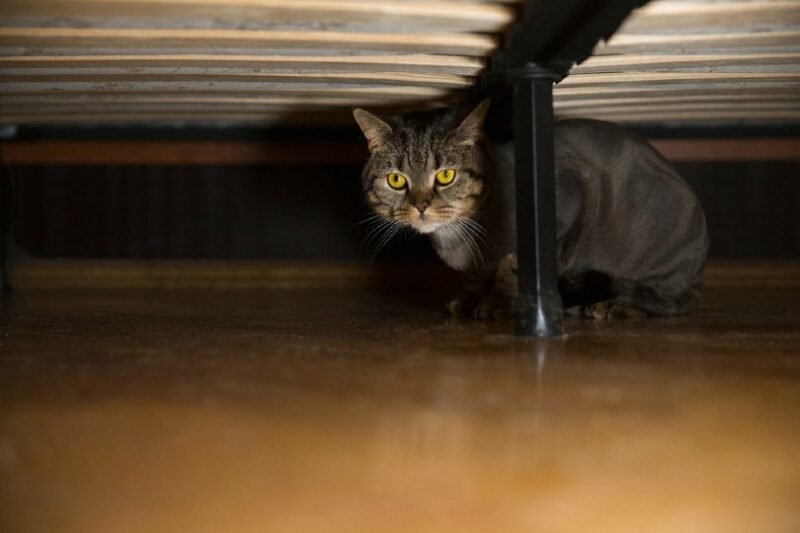
Why is my cat hiding under the bed?
Under the bed is dark, enclosed, and low-traffic, which makes it one of the most common natural hiding spots.
Why is my cat hiding and growling?
Growling while hiding usually signals fear or pain. Give them space and monitor closely, and see a vet if it continues.
Should I force my cat out of hiding?
No. Forcing a cat out of hiding usually increases stress. Let them come out on their own terms.
Why is my cat hiding during thunderstorms?
Loud, unpredictable noises like thunder are a classic fear trigger, and hiding is a normal coping response.
Why is my cat hiding after surgery?
Post-surgery hiding is common as cats recover and seek a quiet, safe space away from activity and noise.
How long is too long for a cat to hide?
More than 24–48 hours of continuous hiding, especially with no eating or drinking, warrants a vet visit.
Why is my senior cat hiding more than usual?
Increased hiding in older cats can indicate arthritis, cognitive changes, or other age-related health issues.
Can stress alone cause a cat to stop eating while hiding?
Yes, prolonged stress can suppress appetite. If it lasts more than a day, contact your vet to rule out other causes.
Why is my cat hiding when guests come over?
Unfamiliar people and voices can feel threatening, especially to shy or under-socialized cats.
Do male or female cats hide more?
Hiding behavior is more linked to personality and past experiences than gender.
Why is my cat hiding but purring?
Purring while hiding can be a self-soothing behavior and doesn’t always mean your cat is happy or relaxed.
Can moving to a new house cause long-term hiding?
It can initially, but most cats adjust within one to two weeks with a consistent routine and a safe space.
Why is my cat hiding from another cat in the house?
This often signals tension or a dominance issue between cats and may require separate resources like litter boxes and feeding stations.
What scents help calm a hiding cat?
Cat-specific pheromone products are designed to mimic natural calming signals and can reduce hiding tied to stress.
Why is my kitten hiding constantly?
Kittens are naturally cautious in new environments. Gentle, patient exposure to their surroundings usually resolves this.
When should hiding be treated as an emergency?
If hiding is paired with difficulty breathing, repeated vomiting, or signs of severe pain, seek emergency veterinary care immediately.
Conclusion
Most of the time, a hiding cat is simply doing what cats do best: staying safe and observing from a distance. Fear, stress, and new environments are the most common triggers, and they usually resolve on their own.
Pay closer attention when hiding is sudden, prolonged, or paired with changes in eating, drinking, or litter box habits. When in doubt, a quick vet visit can rule out illness and give you peace of mind.