


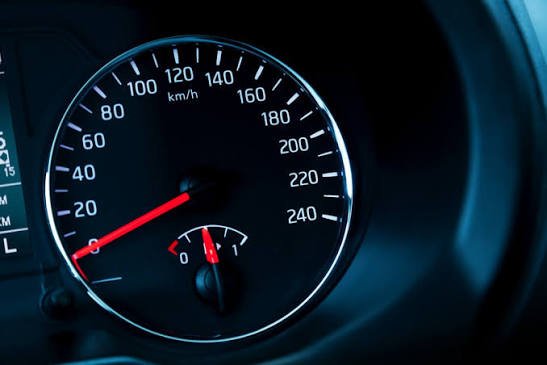
Why is my car idling high is a question that usually comes up right after noticing the RPM needle sitting higher than normal, even in Park. In most cases, high idle points to an air, fuel, or sensor issue that is throwing off how your engine manages idle speed.
Why Is My Car Idling High?
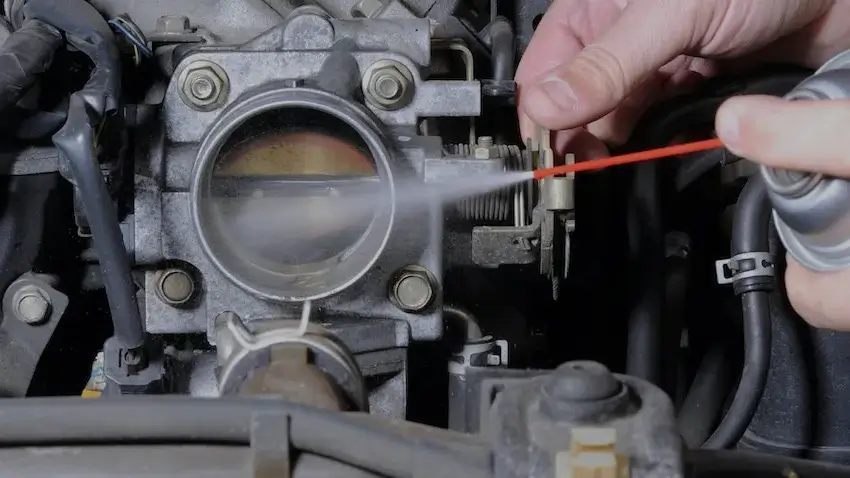
A car idles high when too much air, incorrect fuel delivery, or a faulty sensor disrupts the engine’s normal idle balance. Common causes include vacuum leaks, a bad idle air control valve, and a misadjusted throttle cable.
Some high idle is normal briefly during a cold start. Idle that stays elevated once the engine warms up usually points to a real issue.
What Counts as a High Idle?
Normal Idle Speed
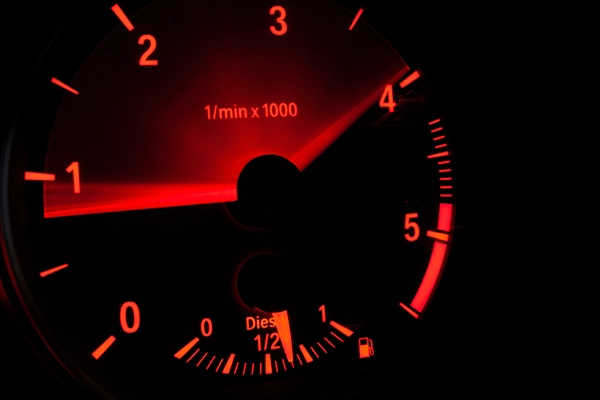
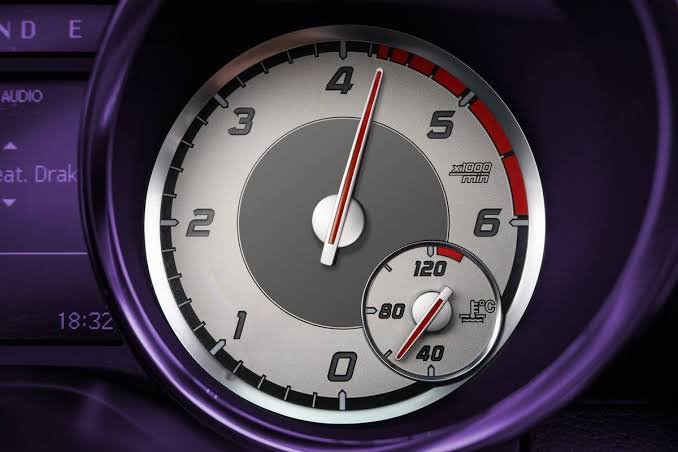
A healthy engine typically idles between 600 and 1,000 RPM once fully warmed up. The exact range depends on the vehicle, so checking your owner’s manual gives the most accurate baseline.
When High Idle Becomes a Problem
If your RPM sits noticeably above that normal range after the engine has warmed up, something is disrupting the air-fuel balance or the systems that control idle speed.
Why Is My Car Idling High? Common Causes
Vacuum Leaks
A vacuum leak lets unmetered air into the engine, throwing off the air-fuel mixture the engine control system relies on. This is one of the most common causes of high idle and often comes with a hissing or sucking sound.
Faulty Idle Air Control Valve
The idle air control valve regulates the air that bypasses the throttle plate to manage idle speed. When it malfunctions or gets dirty, it can cause the engine to idle higher than it should.
Misadjusted Throttle or Acceleration Cable
If the throttle cable is misadjusted, the throttle plate may not fully close when you release the accelerator. This keeps more air flowing into the engine and raises idle speed.
Carbon Buildup
Carbon deposits can accumulate on intake valves, throttle bodies, or fuel injectors over time. This buildup disrupts normal airflow and can push idle speed higher than usual.
Faulty Sensors
A malfunctioning mass airflow sensor or throttle position sensor can send incorrect data to the engine control module. This miscommunication can throw off the air-fuel mixture and cause high idle.
Cold Start Enrichment
Many vehicles are designed to idle higher briefly during a cold start to help the engine warm up faster. This is normal and should settle back to a regular idle speed within a few minutes.
Fuel Pressure Issues
A fuel pressure regulator operating outside its normal range can also disrupt idle speed. Both low and high fuel pressure can throw off the air-fuel balance.
High Idle vs Rough Idle: What’s the Difference
| Feature | High Idle | Rough Idle |
|---|---|---|
| RPM behavior | Elevated but steady | Fluctuating or unstable |
| Common cause | Vacuum leak, IACV issue | Dirty spark plugs, fuel injector issues |
| Feel | Engine revs higher than normal | Engine shakes or vibrates |
| Sound | Often normal, sometimes hissing | Often uneven or sputtering |
Is It Normal for High Idle to Happen When Cold?
Cold Start Behavior
It is normal for idle speed to run higher briefly when the engine is cold, since many vehicles use this to help the engine reach operating temperature faster. This should settle down naturally within a few minutes of driving.
When Cold Idle Becomes a Concern
If high idle continues well after the engine has warmed up, or happens consistently regardless of temperature, it points to an underlying mechanical or sensor issue rather than normal cold start behavior.
How to Diagnose a High Idle
Step 1: Listen for a Vacuum Leak
With the engine running, listen closely for a hissing or sucking sound near the intake manifold or vacuum hoses. This is often the quickest way to spot a leak.
Step 2: Check the Throttle Cable
Make sure the throttle cable moves freely and allows the throttle plate to fully close when the accelerator is released. A sticking or misadjusted cable is a common and fixable cause.
Step 3: Inspect the Idle Air Control Valve
A dirty or failing idle air control valve can often be cleaned or replaced relatively inexpensively. This is a common fix for persistent high idle.
Step 4: Have Sensors Scanned
A mechanic can use a diagnostic scanner to check for fault codes related to the mass airflow sensor, throttle position sensor, or engine control module. This step is especially useful when the cause is not obvious.
Key Takeaways
- Normal idle speed is usually between 600 and 1,000 RPM once warmed up.
- Vacuum leaks and a faulty idle air control valve are among the most common causes.
- Brief high idle during a cold start is normal and should settle within minutes.
- Carbon buildup and faulty sensors can both disrupt normal idle behavior.
- Persistent high idle after warm-up should be diagnosed by a mechanic.
Also Read:
- From Hair Care Idea To Business: How Bo International Supports Startup Brands
- Portable Space Heaters vs Fan Heaters: Pros and Cons
- How Care Patterns Help During Steps to Report Suspected Nursing Home Abuse
- How Insurance Responses Can Affect a Houston, TX Auto Accident Claim
- The Investigation Steps a Premises Liability Lawyer May Take After an Injury
- Does Being a Loan Guarantor Affect Your CIBIL Score
- Do You Need Legal Help After a Truck Accident? Here’s What to Know
- Employee Rights and Legal Remedies in Whistleblower Retaliation Cases
- Download Gayatri Mantra Best Ringtone Mp3/M4R
- Grand Theft Auto: San Andreas Theme Song Download
- Download Mission Impossible Original Theme Song
- Randy Orton Voices WWE Theme Song Download
- 430+ Trendy Roblox Username Ideas for Boys & Girls
- 1000+ Trendy Instagram Usernames Ideas for Girls
- Letflix Review: Features, How It Works and Is It Safe to Use?
- Lorde – Liability (Instrumental)
- The LOX – Ignorant (Instrumental)
- Dae Dae – Spend It (Instrumental)
- Mac Miller – Diablo (Instrumental)
- Little Mix – Pretend It’s Ok (Instrumental)
- David Guetta – Lovers On The Sun (Instrumental)
- Where Learning Meets Potential: Exploring Strong Foundations for Young Minds
- How Classroom Collaboration Builds Skills Beyond Academics
- How Effective Math Tuition Helps Students Master Difficult Concepts
- Is Online MBA Worth It in 2026?
Frequently Asked Questions (FAQs)
Why is my car idling high when the engine is cold?
Many vehicles are designed to idle higher briefly during a cold start to help the engine warm up faster. This is normal and should settle after a few minutes.
Can a vacuum leak cause high idle?
Yes. A vacuum leak lets extra unmetered air into the engine, which is one of the most common causes of a high idle speed.
What does the idle air control valve do?
It regulates the amount of air that bypasses the throttle plate, helping control idle speed. A dirty or faulty valve can cause high idle.
Is high idle dangerous to drive with?
Occasional mild high idle is usually not dangerous, but persistent high idle should be diagnosed to avoid further engine strain.
Can carbon buildup cause a car to idle high?
Yes. Carbon deposits on intake valves or the throttle body can disrupt airflow and push idle speed higher than normal.
How is high idle different from rough idle?
High idle means RPM sits elevated but steady, while rough idle involves fluctuating or unstable RPM, often with shaking.
Can a bad sensor cause high idle?
Yes. A faulty mass airflow sensor or throttle position sensor can send incorrect data that disrupts the engine’s air-fuel balance.
Should I be worried if my idle is high only sometimes?
Occasional high idle during cold starts is normal. Idle that is inconsistently high without a clear pattern is worth having checked.
Can a misadjusted throttle cable cause high idle?
Yes. If the cable prevents the throttle plate from fully closing, it can keep idle speed elevated even at rest.
When should I take my car to a mechanic for high idle?
If high idle persists after the engine warms up, or comes with unusual sounds or performance issues, a mechanic should diagnose it.
Conclusion
So why is my car idling high? In most cases, it comes down to a vacuum leak, a faulty idle air control valve, a misadjusted throttle cable, or a sensor issue disrupting the engine’s normal balance.
Brief high idle during a cold start is completely normal and nothing to worry about. Idle that stays elevated once the engine has warmed up is a different story and usually signals something worth fixing.
Catching the cause early, whether it is a simple vacuum hose or a dirty sensor, can prevent bigger performance issues down the road. If you are not sure what is causing it, a mechanic with a diagnostic scanner can usually pinpoint the issue quickly.


